
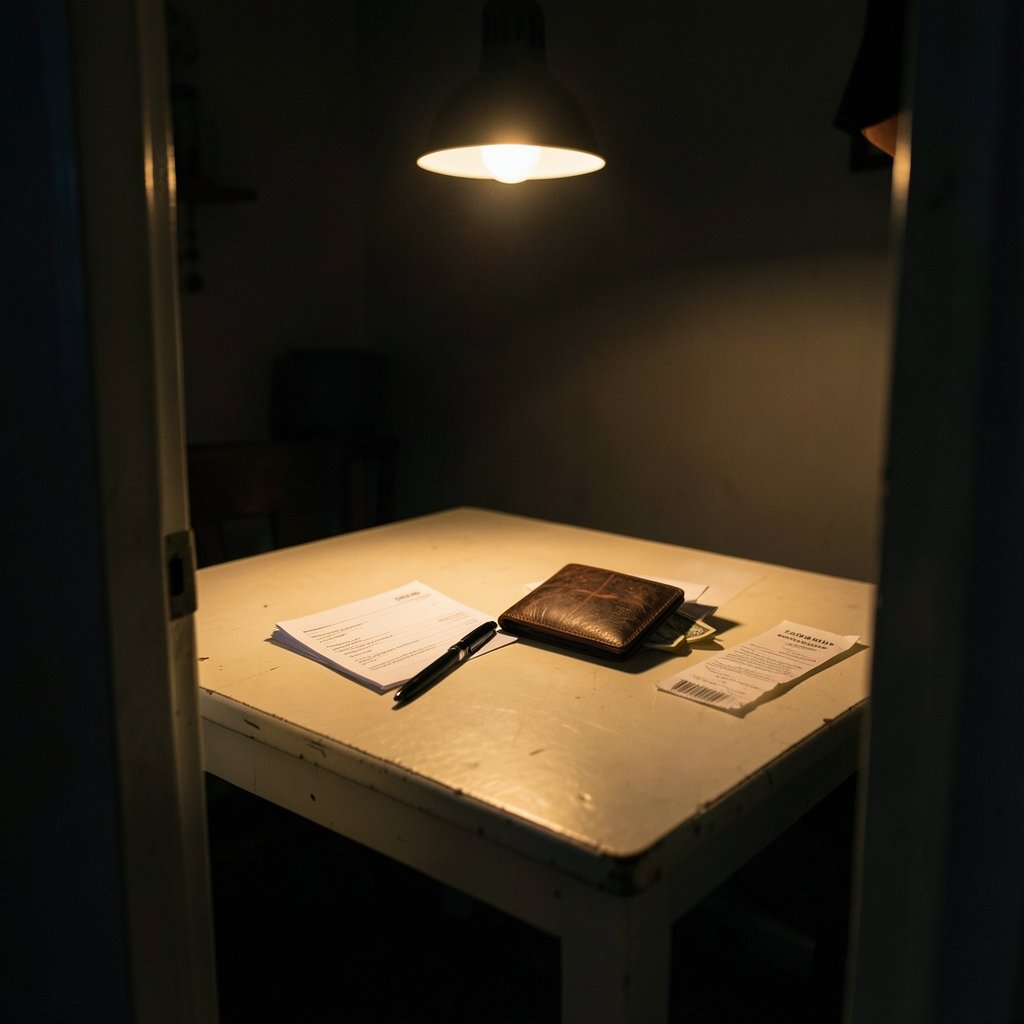
What do you do when you need to pay someone who won’t take a personal check, you don’t want to hand over cash, and a bank transfer feels like overkill? That’s exactly the gap a money order fills. It’s one of the oldest prepaid payment tools still in everyday use, and it’s surprisingly easy to get wrong if nobody walks you through it.
This guide covers how to make a money order from start to finish: where to buy one, how to fill it out without voiding it, what it costs, how to protect yourself from the scams that target this payment method, and what to do when something goes sideways.
What a Money Order Actually Is
A money order is a prepaid payment instrument. You pay the full face amount plus a fee up front, and the issuer prints a document that the recipient can cash or deposit. Because the money is already paid, the recipient doesn’t have to worry about whether funds will clear the way they might with a personal check.
That prepayment is the key difference between a money order and a cashier’s check. A cashier’s check is drawn on the bank’s own funds and is typically used for larger amounts, like a down payment on a house. A money order is bought by an individual, usually for smaller sums, and sold by many more places.
The practical appeal is simple: money orders are widely accepted, they don’t require a bank account, and they leave a paper trail. Landlords accept them. Some utilities accept them. Government agencies often accept them. And for people who are unbanked or simply don’t want to carry cash, they’re a low-friction option.
Where to Buy a Money Order
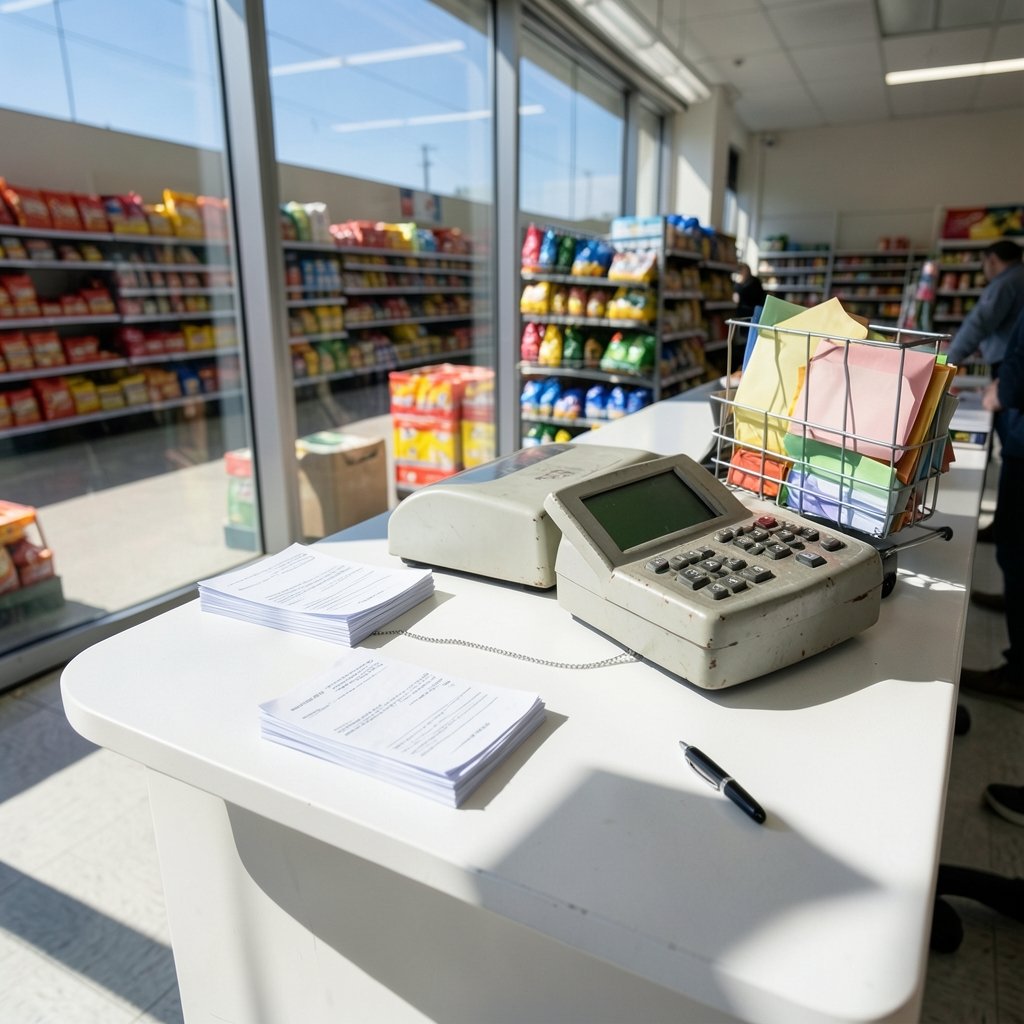
You have more options than most people realize. The right choice depends on the amount, the fee, and how much documentation you want if something goes wrong.
| Seller | Typical strength | Watch out for |
|---|---|---|
| U.S. Postal Service | Trusted issuer, easy to check if cashed | Per-order face value caps; post office hours |
| Banks and credit unions | Often free or low fee for account holders | May require you to be a customer |
| Grocery and convenience stores | Long hours, many locations | Higher fees; lower per-order limits |
| Check-cashing and money transfer stores | Convenient for unbanked buyers | Highest fees; verify the issuer’s reputation |
Practical tip: call ahead before you drive anywhere. Not every grocery store sells money orders, and some locations stop selling them late in the day or cap how many you can buy at once. If you need a large total, you may have to buy several money orders, because issuers set a maximum face value per order. Domestic postal money orders have historically been capped at $1,000 each, but limits change, so confirm the current figure with the issuer before you plan around it.
What You Need Before You Walk In
Showing up unprepared is the most common reason people make a second trip. Bring these:
- Cash or a debit card. Many sellers won’t take a credit card for money orders, and some won’t take personal checks.
- The exact payee name. Not a nickname. Use the name the recipient uses on their bank account.
- Your own address. Most money orders require the purchaser’s address.
- Identification. Some sellers ask for ID, especially for larger amounts.
- Enough for the fee. Fees are separate from the face amount, so a $100 money order costs more than $100.
One more thing worth knowing: money-order sellers are money services businesses under U.S. anti-money-laundering rules. Large cash purchases can trigger recordkeeping and reporting requirements, which is one reason a clerk may ask you questions or request ID. It’s routine, not personal.
How to Fill Out a Money Order Correctly
This is where most costly mistakes happen. A money order with the wrong payee, a stray mark, or a missing signature can be refused, and fixing it is a headache. Work slowly and use a pen.
- Write the payee’s name on the “Pay to the order of” line. Use the full legal name, spelled correctly. Don’t abbreviate unless the recipient does.
- Fill in the amount in words and numbers. Write the dollar amount in words on the long line and the figure in the box. They must match exactly. If they don’t, the money order may be rejected.
- Add your address in the purchaser field if the form asks for it. Some do, some don’t.
- Sign it in the purchaser signature area. Don’t sign in the endorsement area on the back; that’s for the recipient.
- Keep the receipt and stub. This is the single most important step, and the one people skip. The stub is your proof of purchase and your only practical route to tracing or replacing a lost or stolen money order.
Common mistakes to avoid:
- Writing in pencil or erasable ink
- Correcting with correction fluid or scribbling out a mistake (ask for a replacement instead)
- Leaving the payee blank “to fill in later” (this makes the money order a bearer document and a theft magnet)
- Signing the back before handing it over
- Throwing away the receipt because the payment “went through”
A good habit: photograph the completed money order and the receipt before you send it. Store the photo somewhere you’ll actually find it.
Sending It Safely
Once the money order is filled out and signed, treat it like cash. It is, effectively. Mail it with tracking, or hand it over in person and get a receipt. Don’t send a money order to someone you’ve never met in person for an online purchase, and don’t send one to claim a prize, a lottery win, or a “grant.”
That last point deserves emphasis. Money orders are a favorite tool of fraudsters because they look official and are hard to reverse. The classic overpayment scam works like this: a buyer sends you a money order for more than the agreed price, asks you to deposit it and wire back the difference, and then the original money order turns out to be counterfeit. The gift card scam pattern follows the same logic with a different payment rail: the victim pays first, and the money is gone before the fraud is discovered. The lesson is identical in both cases. Never send money back to someone who overpaid you, and never accept a money order from a stranger as a condition of sending funds or goods elsewhere.
What a Money Order Costs
Costs come in three layers, and people usually only think about the first one.
- The face amount. What the recipient gets.
- The purchase fee. What the seller charges for issuing it. This varies widely, from free at some banks for customers to a few dollars at retail locations.
- The replacement or tracing fee. What you pay if it’s lost, stolen, or never arrives.
There’s also a hidden cost that doesn’t show up on any receipt: unclaimed property. If a money order is never cashed, the funds can eventually be turned over to the state under escheat laws, and reclaiming them means searching state unclaimed-property databases. It’s recoverable, but it takes effort. If you buy a money order, make sure it actually gets cashed.
How to Check Whether a Money Order Was Cashed
If you’re the purchaser and you’re not sure the payment arrived, don’t guess. Postal money orders can be checked through the issuer’s inquiry process, and most issuers offer a phone or online lookup using the serial number and purchase details. Keep the receipt, because that’s where the serial number lives.
If the money order is lost or stolen, contact the issuer right away. You’ll generally need to complete a claim form, and there may be a waiting period before a replacement is issued so the original has time to surface. This is exactly why the receipt matters. Without it, tracing becomes much harder.
For anyone managing payments at scale, whether for a small business or a household, it helps to understand where payment-related losses actually come from. The economics of identity threat detection and where the money really goes are a useful frame: the visible fee is rarely the biggest cost, and the same is true of a mishandled money order.
Money Orders vs. Other Payment Methods
| Method | Who funds it | Typical use | Reversible? |
|---|---|---|---|
| Money order | Buyer, prepaid | Small payments, unbanked buyers | Only through issuer claims |
| Cashier’s check | Bank’s funds | Large purchases, real estate | Yes, with bank involvement |
| Personal check | Buyer’s account | Everyday bills | Yes, while uncleared |
| Wire transfer | Buyer’s account | Large or urgent payments | Rarely, once sent |
The pattern is clear: the more prepaid and anonymous the instrument, the less protection the sender has. That’s the trade-off you accept when you buy a money order.
When a Money Order Is the Wrong Tool
Money orders are great for rent, small bills, and paying people who don’t take checks. They’re a poor choice for:
- Large sums. Buy a cashier’s check or use a wire instead.
- Online purchases from strangers. Use a payment method with buyer protection.
- Recurring bills. Set up a direct payment instead of buying a money order every month.
- International payments. Rules, limits, and availability vary by country, and fees climb fast.
If you’re weighing bigger financial decisions, it’s worth stepping back and looking at the whole picture rather than optimizing a single transaction. The same discipline applies whether you’re comparing payment instruments or working out how to make money with AI without getting burned by hype. Small, boring, verifiable steps beat clever shortcuts almost every time.
A Quick Word on Digital Alternatives
Money orders aren’t going anywhere, but the payment landscape is shifting. Central banks are exploring digital currencies, and the way people move money is changing underneath all of us. Understanding central bank digital currencies and what going digital means for everyday money is useful context for anyone who relies on paper instruments today. For now, though, the money order remains a reliable, low-tech option, and knowing how to use one correctly is a genuinely practical skill. (Money transfers)
Conclusion
Making a money order isn’t complicated, but the details matter more than people expect. Buy from a reputable seller, bring the right information, fill out the form in pen with matching amounts and a correctly spelled payee, and keep the receipt somewhere you can find it. Treat the finished document like cash, because that’s what it is. And stay alert: if a transaction involves someone overpaying you, asking for money back, or pressuring you to send funds quickly, walk away. A money order done right is a simple, dependable way to pay. Done carelessly, it’s an expensive lesson.
Frequently Asked Questions
Can I fill out a money order at home before I send it?
Yes, and you should. Fill in the payee, the amount in words and numbers, your address, and your signature before the money order leaves your hands. Leaving the payee blank turns it into a bearer document, which means whoever holds it can cash it. That’s a serious risk if it’s lost or stolen in transit.
What happens if the amount in words doesn’t match the numbers?
The money order may be refused or returned. Issuers expect the written amount and the numeric amount to match exactly, and a mismatch creates ambiguity about what was actually authorized. Don’t try to fix it with correction fluid or by crossing out the error. Ask the seller for a replacement and void the original properly.
Do money orders expire?
In the U.S., money orders generally don’t carry an expiration date, but that doesn’t mean they last forever. If one is never cashed, the funds can eventually be transferred to a state’s unclaimed property program under escheat rules. The timing varies by state, so the practical answer is to make sure your money order gets cashed rather than assuming it will sit safely forever.
How do I replace a lost or stolen money order?
Contact the issuer immediately and keep your receipt handy, because the serial number and purchase details are what make a claim possible. You’ll typically complete a claim form and wait through a processing period before a replacement is issued. Replacement fees may apply, and the wait exists so the original has time to surface before a second payment goes out.
Can I buy a money order with a credit card?
Often not. Many sellers accept only cash or debit for money orders, and some won’t take personal checks either. Credit cards are frequently declined because the transaction functions like a cash advance. Call ahead or check the seller’s policy before you make a special trip.
Why do stores ask for ID when I buy a money order?
Money-order sellers are regulated as money services businesses, which means they have recordkeeping and reporting obligations under federal anti-money-laundering rules. Larger cash transactions can trigger additional paperwork. Being asked for identification is routine and doesn’t mean you’ve done anything wrong.



