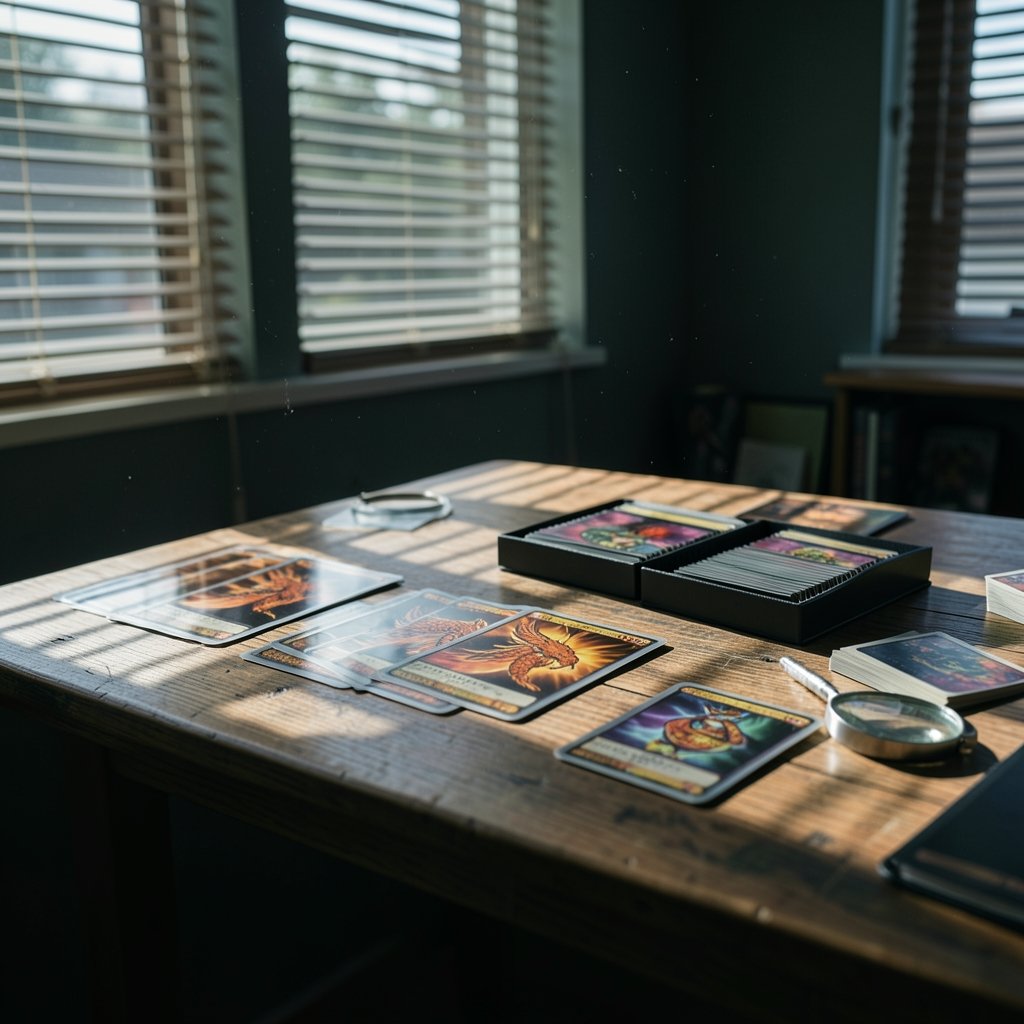
Ever wondered why a piece of glossy cardboard with a fire-breathing dragon on it can sell for more than a house? The question of which Pokémon cards are worth money sounds simple until you start digging. Prices swing wildly, condition changes everything, and a card that looks identical to a fortune can be worth almost nothing depending on a tiny symbol or a number in the corner.
This guide cuts through the hype. It covers what actually drives value, which cards and eras collectors chase, how grading reshapes prices, and the mistakes that cost people real money. No promises of easy riches, just a clear look at how this market works and where the genuine value tends to sit.
The Short Answer: Value Comes From Scarcity, Condition, and Demand
Strip away the noise and Pokémon card value rests on three pillars. Scarcity means fewer copies exist than people want. Condition means the card survived decades without creases, scratches, or fading. Demand means enough collectors care about that specific card right now. (Pokémon Trading Card Game)
A card can be rare and still worthless if nobody wants it. A card can be common and still valuable if millions of people want the exact one they remember from childhood. The sweet spot is where all three line up, and that is usually the original 1999 Base Set.
The English Base Set arrived in January 1999. Its exact print runs were never officially published, which adds mystery to every surviving copy. What is known is that early printings had differences collectors obsess over. First Edition cards carry a small stamp on the left side of the artwork. Shadowless cards, an early run without a shadow beneath the picture frame, are rarer than the standard unlimited print. A First Edition Charizard sits at the top of that pyramid, and the gap between print variants of the same card can be enormous.
The Cards Collectors Chase Most

Ask a room of collectors to name the most valuable Pokémon cards and the answers cluster fast. The 1999 Base Set Charizard dominates every conversation, followed by other Base Set heavy hitters like Blastoise, Venusaur, and Chansey. Later eras have their own legends: the 2000 Neo Genesis Lugia, the 2002 Legendary Collection reverse holos, and the 2016 Pokémon GO era’s special releases all command serious money.
Modern sets matter too, which surprises people who assume only vintage cards hold value. Special rarity tiers such as Secret Rare, Alternate Art, and Illustration Rare cards can be worth hundreds or even thousands of dollars shortly after a set launches. The catch is volatility. A modern chase card might spike on release weekend, then slide for months as more packs get opened and supply grows.
Here is a rough map of where value concentrates:
| Era | Typical standouts | What drives value |
|---|---|---|
| 1999–2000 Base Set and early sets | First Edition and Shadowless Charizard, Blastoise, Venusaur | Print variant, condition, nostalgia |
| 2000–2003 Neo and e-Card eras | Neo Genesis Lugia, early reverse holos | Lower print runs, dedicated fan base |
| 2004–2010 mid-era | Gold stars, ex cards | Genuine scarcity, niche demand |
| 2011–2019 modern vintage | Full arts, secret rares | Set-specific chase cards |
| 2020–present | Alternate arts, illustration rares | Hype cycles, pull rates, art quality |
Why Grading Changes Everything
Two copies of the same card can sell for wildly different amounts because of grading. Third-party graders examine a card under magnification, assign a condition score, and seal it in a tamper-evident case. PSA, Beckett (BGS), and CGC are the names that matter most, and each uses its own scale.
A high grade on a key card can multiply its price several times over compared with a raw, ungraded copy. That premium exists because buyers trust the grade more than they trust a stranger’s photo on a marketplace. The grading boom accelerated around 2020 and 2021, when submissions flooded in and wait times stretched for months. Prices corrected sharply in 2022, and the market has been more measured since.
Grading is not a free lunch. Submission costs, shipping, insurance, and waiting time all eat into returns. A common mistake is grading low-value cards. If a raw card sells for fifteen dollars, paying grading fees plus shipping rarely makes sense unless the copy is genuinely pristine. The math only works when the graded premium comfortably exceeds the total cost.
Record Sales and the Numbers Behind Them
Headline figures grab attention, and the most cited public sale is a PSA 10 First Edition Base Set Charizard that reportedly sold for roughly $420,000 in 2022. Treat that number as approximate. Auction records vary by source, date, and which copy sold, and private sales never appear in public data at all. Anyone quoting an exact record price should be checked against auction-house archives before you take it as gospel.
More useful than record chasing is understanding typical price tiers. Raw Base Set Charizards in played condition often trade in the low hundreds, while graded mid-grade copies climb into the thousands and top-grade examples reach six figures. Modern alternate arts commonly land between fifty and several hundred dollars, with the most desirable art pushing higher.
A practical tip: compare sold listings, not asking prices. Anyone can list a card at any number. What matters is what buyers actually paid, and completed sales tell that story far better than active listings.
How to Check What a Card Is Really Worth
Price research is a skill, and it takes about ten minutes to learn. Follow these steps before buying or selling anything significant:
- Identify the exact card, including set name, card number, and print variant. First Edition, Shadowless, and unlimited copies of the same card are different products.
- Check recent sold listings on major marketplaces, filtering for the same grade or raw condition.
- Cross-reference price aggregator sites that track historical sales for graded and raw copies.
- Look at how many listings exist. Thin supply with steady sales signals real demand.
- Factor in fees, shipping, and taxes before deciding a price is attractive.
That last step trips up beginners constantly. A card that sells for two hundred dollars might net closer to one hundred sixty after marketplace fees, shipping, and packaging. Budgeting tools like those covered in a YNAB vs Monarch comparison of zero-based budgeting and net worth tracking can help collectors keep hobby spending from quietly eating into savings, which is a real risk once auction tabs start multiplying.
Condition, Authenticity, and the Fakes Problem
Condition is the single biggest price lever after rarity. Creases, edge wear, surface scratches, centering, and whitening on the back all reduce grades. A card that looks flawless in a photo can arrive with a bent corner, so buy from sellers with clear return policies and high feedback.
Authenticity is the other minefield. Reprints, proxies, and altered cards circulate widely, and there is no official global registry of fakes. Signs to watch include off-color printing, wrong font weights, blurry text, and suspiciously crisp corners on supposedly vintage cards. Graded slabs reduce risk because the grading company authenticated the card, but fake slabs exist too. Check certification numbers directly on the grader’s lookup tool rather than trusting a QR code alone.
A related warning applies to online purchases generally. Scams thrive wherever money moves fast, and the pattern described in this breakdown of how the gift card scam works and why victims rarely get their money back shows how irreversible payments leave buyers exposed. Card deals arranged through social media with payment by gift card or direct transfer carry the same danger. Stick to platforms with buyer protection.
Tax and Legal Realities Collectors Overlook
Profits from selling cards are generally taxable in the United States, and collectibles get special treatment. Gains on collectibles can be taxed at a higher rate than ordinary investment gains, so a big sale can produce an unpleasant surprise at filing time. Keep records of purchase prices, grading fees, shipping, and marketplace commissions. Those costs reduce taxable gain when documented.
Rules change, and this is not personalized advice. Anyone selling a card worth thousands should confirm current treatment with a qualified tax professional before assuming a number.
Mistakes That Cost Collectors Real Money
Experience teaches the same lessons repeatedly. The most expensive mistakes are rarely about picking the wrong card. They are about process.
- Chasing hype. Buying a modern card at its release-week peak often means buying at the top.
- Ignoring print variants. Paying First Edition money for an unlimited copy is a classic error.
- Overgrading. Submitting bulk commons burns cash that never comes back.
- Skipping research on sellers. A bargain price from an unverified account is usually not a bargain.
- Storing badly. Sunlight, humidity, and rubber bands destroy value faster than any market crash.
- Forgetting fees. The sale price is not the money in your pocket.
What actually works is unglamorous: buy what you understand, store cards in penny sleeves inside rigid top loaders away from heat and light, keep receipts, and sell into demand rather than panic. Collectors who treat the hobby as a hobby first tend to make better decisions than those chasing quick flips.
Where the Hobby Meets Other Spending Decisions
Card collecting sits inside a broader budget, and the same judgment applies to any entertainment purchase. A collector deciding whether to drop two hundred dollars on a booster box faces the same question as someone weighing a subscription. The framework in this practical guide to whether ChatGPT Plus is worth it in 2026 applies surprisingly well: estimate real usage, compare against alternatives, and be honest about whether the spend delivers lasting value or a brief thrill.
The same logic covers gaming hardware. Someone building a display shelf of graded cards might also be weighing a PC upgrade, and the advice in this beginner’s guide to which graphics card is worth buying for everyday use follows the identical principle. Match spending to actual needs, not to hype cycles.
Conclusion: Value Is Real, but It Rewards Patience
Pokémon cards worth money do exist, and the market is large enough to take seriously. The 1999 Base Set remains the anchor, grading amplifies the best copies, and modern chase cards offer genuine but volatile opportunities. None of it is passive. Value comes from knowing exactly what you own, verifying condition and authenticity, tracking real sold prices, and keeping fees and taxes in view.
The collectors who do best are rarely the loudest. They research quietly, buy carefully, store properly, and sell when demand is strong rather than when panic hits. Whether the goal is a childhood dream card or a small portfolio of graded slabs, the same rules apply. Know the card, know the market, and never spend money you would miss.
FAQ
Are my old Pokémon cards from the 1990s worth anything?
Some are, most are not. The 1999 Base Set holds the strongest demand, especially First Edition and Shadowless printings of Charizard, Blastoise, and Venusaur. Commons and energy cards from that era are usually worth cents even in good condition. Check the set symbol, card number, and whether a First Edition stamp appears on the left side of the artwork before assuming value.
What is the most valuable Pokémon card ever sold?
The most frequently cited public sale is a PSA 10 First Edition Base Set Charizard at roughly $420,000 in 2022. Treat that figure as approximate, since auction records vary by source and private sales stay private. Record claims change over time, so verify against auction-house archives before repeating a number as fact.
Does grading a card always increase its value?
No. Grading adds cost through fees, shipping, and insurance, and it only pays off when the graded premium exceeds those costs. High grades on key cards can multiply value several times over. Low grades on common cards often sell for less than the grading cost, which is why experienced collectors only submit cards that look genuinely pristine.
How can I tell if a Pokémon card is fake?
Look for off-color printing, blurry text, wrong font weights, and corners that seem too sharp for a vintage card. For graded cards, verify the certification number directly on the grading company’s lookup tool instead of trusting a QR code. There is no official global registry of fakes, so buying from reputable sellers with return policies remains the strongest protection.
Do modern Pokémon cards hold value?
Some do, at least for a while. Alternate art and illustration rare cards from recent sets can sell for hundreds or thousands of dollars shortly after release. Prices are volatile, though, and usually soften as more packs get opened and supply grows. Modern cards reward buyers who understand pull rates and set-specific demand rather than release-day hype.
Are Pokémon card profits taxable?
In the United States, yes. Collectible gains can be taxed at a higher rate than ordinary investment gains, and the rules can change. Keep records of purchase prices, grading fees, shipping, and marketplace commissions, since documented costs reduce taxable gain. Confirm current treatment with a qualified tax professional before a large sale.