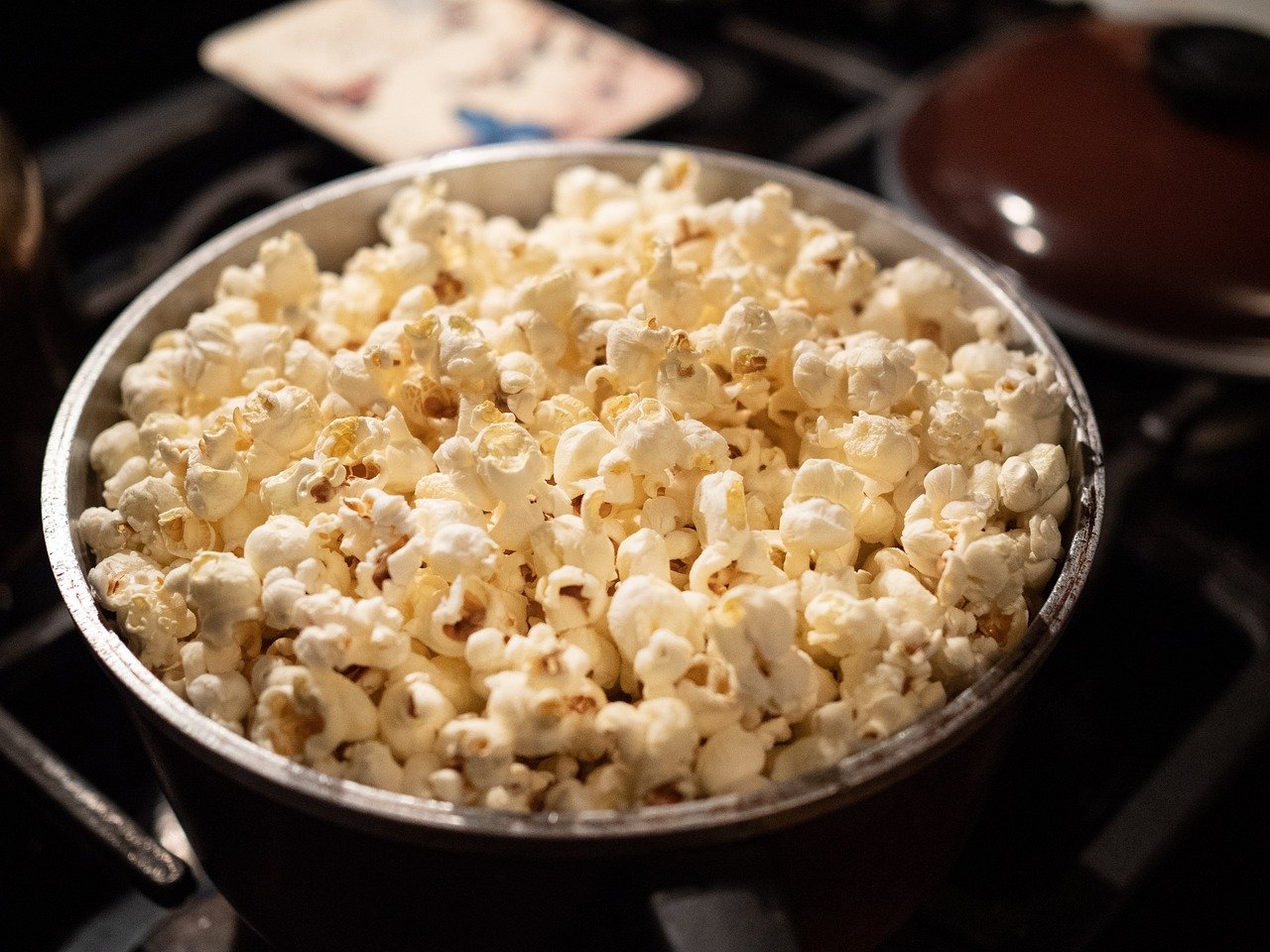
Why does a pot of popcorn feel like a small kitchen victory? Maybe because so few snacks reward ten minutes of effort so generously. Stovetop popcorn costs pennies per bowl, tastes fresher than the microwave bags, and gives you full control over salt, fat, and flavor. Yet plenty of home cooks still end up with burnt batches, chewy kernels, or a pot of “old maids” that never pop.
The good news: stovetop popcorn is not complicated. It just asks for a few things done right, like the right pot, the right heat, and a little patience with the lid. This guide walks through the whole process, from choosing kernels to cleaning up, plus the mistakes that trip up even experienced cooks.
Why Stovetop Popcorn Beats the Microwave Bag
Microwave popcorn is convenient, but it comes with tradeoffs. The bags often contain added flavorings and fats, the results are inconsistent, and you pay a premium for a product that is mostly air. A bag of plain kernels, by contrast, keeps for months and makes dozens of batches.
Stovetop popping also gives better texture. Because the kernels pop in hot oil inside a heavy pot, they come out crisp rather than steam-softened. You decide how much salt goes in, and you can season with anything from black pepper to smoked paprika without fighting a butter-flavored coating.
There is a cost angle, too. Plain popcorn is one of the cheapest snacks per serving you can make at home, and it counts as a whole grain when it is not buried in butter and sugar. That combination of cheap, filling, and genuinely good is hard to beat.
What Actually Happens Inside a Popcorn Kernel
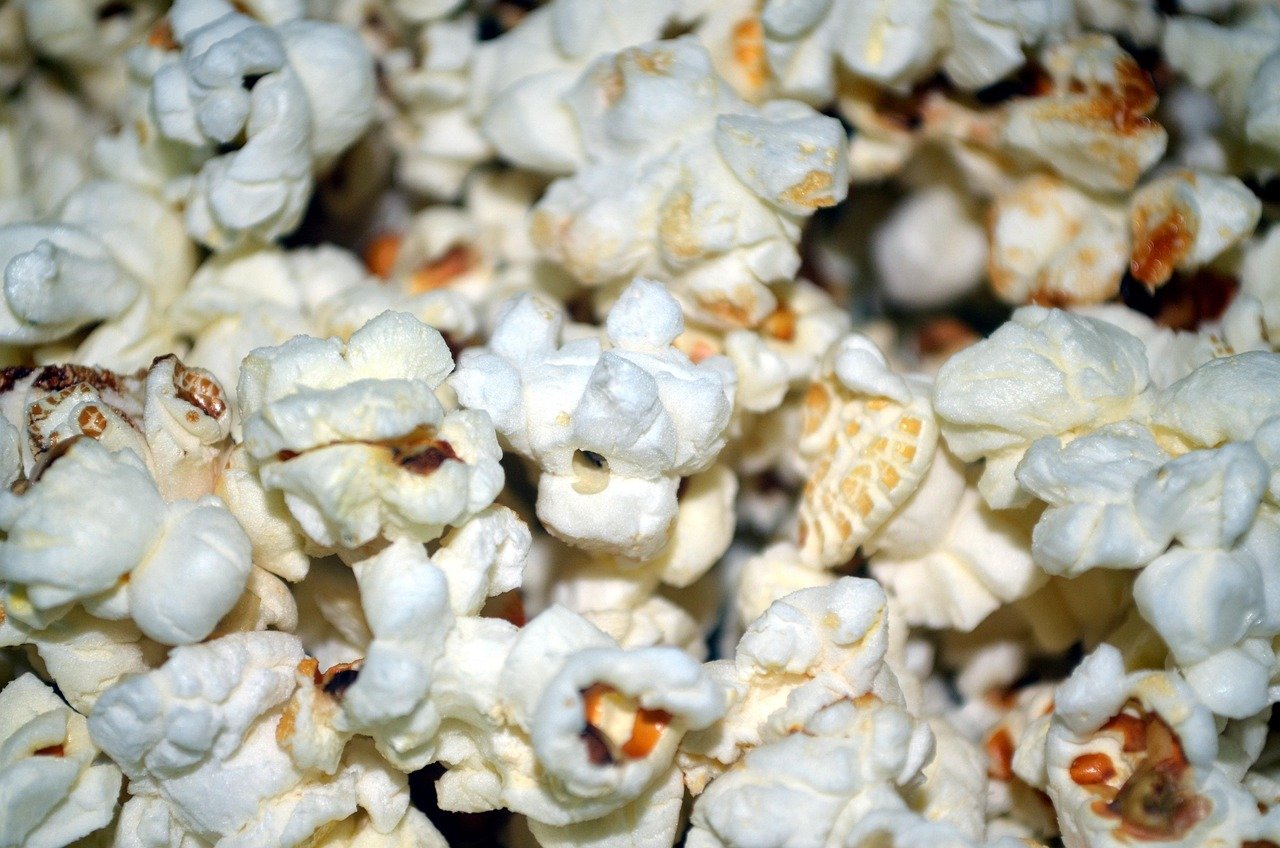
Understanding the science makes the practical steps easier to remember. Each popcorn kernel holds a small amount of water trapped inside a hard, non-porous hull. When the kernel gets hot enough, that water turns to steam, pressure builds, and the hull ruptures. The starch inside expands into a foam and sets as the kernel cools, which is why popcorn has that airy crunch.
The pop sound is simply the sudden release of pressure. This matters for cooking because it explains the two big failure modes. Kernels that have dried out too much lack the internal moisture to build pressure, so they never pop. Kernels heated too slowly or unevenly may crack without popping properly, leaving a chewy, half-expanded mess.
So the goal of every good stovetop method is the same: get all the kernels to the right temperature quickly and evenly, then keep them moving so none of them sit against the hot metal long enough to scorch.
The Gear You Actually Need
You do not need special equipment, but a few choices make a real difference.
The pot
A heavy-bottomed pot with a tight-fitting lid is the single most important piece of gear. Stainless steel with a thick base, cast iron, or enameled cast iron all work well. Thin aluminum pots heat unevenly and tend to burn the kernels at the bottom. A 3-quart pot is a good size for a family batch; a 6-quart pot handles a crowd.
The lid
The lid needs to trap steam and keep kernels from escaping, but it should not seal so tightly that pressure builds. Most pot lids are fine. If yours has a vent hole, that is actually helpful because it lets a little steam escape.
The oil
Choose an oil with a smoke point above the popping temperature. Canola, vegetable, peanut, and coconut oil are all solid choices. Olive oil works but can taste strong and smokes sooner at high heat. Butter is a poor choice for the popping stage because the milk solids burn well before the kernels are done; save it for drizzling afterward or clarify it first.
The kernels
Freshness matters more than brand. Popcorn kernels lose moisture over time, so a bag that has sat open in the pantry for two years will pop poorly. Store kernels in an airtight jar, and buy in quantities you will use within a few months.
Step-by-Step: The Reliable Stovetop Method
Here is the sequence that produces consistent results batch after batch.
- Preheat the pot with oil. Set a heavy pot over medium-high heat and add 2 to 3 tablespoons of oil. Let it heat for a minute or two. The oil should shimmer but not smoke.
- Run a test pop. Drop in 2 or 3 kernels, cover, and wait. When they pop, the oil is at the right temperature. If they sit for more than a minute or two without popping, the heat is too low; if they pop almost instantly and darken, the heat is too high.
- Add the rest of the kernels. Pour in about 1/3 cup of kernels for a 3-quart pot. They should form a single layer on the bottom, not a deep pile. Overcrowding traps steam and produces chewy popcorn.
- Cover and shake. Put the lid on and give the pot a gentle shake every 20 to 30 seconds. Shaking keeps kernels moving so they heat evenly and prevents the ones at the bottom from burning.
- Listen for the slowdown. Once popping starts, it will come in a rapid burst. When the pops slow to about one every two or three seconds, the batch is nearly done. Do not wait for total silence; by then the bottom layer is often scorching.
- Pull it off the heat immediately. Pour the popcorn into a large bowl right away. Leaving it in the hot pot keeps it cooking and can make it tough.
The whole process usually takes three to five minutes from the first test pop. If it is taking much longer, the heat is too low.
Getting the Ratios Right
Ratios are guidance, not law, because pot size and stove strength vary. Still, a sensible starting point helps:
| Pot size | Kernels | Oil | Approximate yield |
|---|---|---|---|
| 3-quart | 1/3 cup | 2 to 3 tbsp | 6 to 8 cups popped |
| 4 to 5-quart | 1/2 cup | 3 tbsp | 10 to 12 cups popped |
| 6-quart | 2/3 cup | 3 to 4 tbsp | 14 to 16 cups popped |
A useful visual check: the kernels should cover the bottom of the pot in one layer with a little space between them. If they are stacked, split the batch or move to a bigger pot. If you are cooking on an electric coil stove, which responds slowly to heat changes, it helps to preheat the pot a little longer and to lift it off the burner for a few seconds if popping starts too aggressively. The same heat-control thinking applies when comparing how fast different kettles and burners bring water to temperature, as covered in this look at stovetop vs electric gooseneck kettle speed and temperature; the principle is that the heat source, not the recipe, often decides the outcome.
Seasoning That Sticks
The classic mistake is sprinkling salt over the bowl and watching it fall to the bottom. Salt needs something to cling to. There are three reliable approaches.
Salt in the oil. Add a pinch of fine salt to the oil before the kernels go in. It distributes evenly as the popcorn pops.
Butter or ghee drizzle. Melt butter, then toss it with the popcorn in a large bowl while the popcorn is still hot. Do it in stages, tossing between additions, so the fat coats evenly instead of soaking a few pieces.
Finely ground toppings. Nutritional yeast, garlic powder, smoked paprika, and finely grated parmesan all work better than coarse seasonings. If you want a flavored butter, melt it with the seasoning first so the flavors bloom.
One practical tip: season in a big bowl with plenty of room, and toss with a spatula rather than stirring. Tossing lifts the popcorn and coats it without crushing the tender pieces.
Troubleshooting the Five Most Common Problems
Even careful cooks hit snags. Here is what usually went wrong and how to fix it.
Too many unpopped kernels. The kernels are probably too dry, or the heat was too low so they heated too slowly. Try a fresher bag, store kernels airtight, and make sure the oil is hot enough before adding the full batch.
Burnt popcorn. The heat was too high, the pot was too thin, or the batch sat too long after popping slowed. Pull the pot off the heat the moment the pops space out.
Chewy or tough popcorn. This usually means the lid trapped too much steam, or the popcorn stayed in the pot too long after popping. Pour it into a wide bowl immediately and leave the lid slightly ajar if condensation builds up.
Popcorn that tastes greasy. Too much oil, or oil that was not hot enough, so the kernels absorbed it instead of frying. Stick to the ratio and make sure the oil shimmers before the kernels go in.
Kernels flying out of the pot. The lid is loose or the pot is overfilled. Use a properly fitting lid and never fill the pot more than about a third full of kernels.
Making It a Habit: Storage and Cleanup
Popped popcorn is best the day it is made, but it keeps for a day or two in an airtight container. If it goes soft, a few minutes in a low oven refreshes the crunch. Unpopped kernels should live in a sealed jar in a cool, dark spot; the refrigerator is actually a poor choice because moisture can condense inside the jar.
Cleanup is easier if you wipe the pot with a paper towel while it is still warm, then wash it normally. Burnt-on oil from a scorched batch softens with a soak in hot soapy water.
Conclusion
Stovetop popcorn rewards a little attention and almost no money. Heat a heavy pot with oil, test with a few kernels, add the rest in a single layer, shake, and pull the pot the moment the popping slows. Season while hot, toss in a big bowl, and eat it before it cools. Once the rhythm clicks, the microwave bag starts to look like a strange habit you used to have. The first batch might not be perfect, but the second one usually is.
Frequently Asked Questions
What is the best oil for stovetop popcorn?
Canola, vegetable, peanut, and coconut oil all work well because their smoke points sit above popping temperature. Olive oil is fine but can taste strong, and butter burns too easily at the popping stage. Save butter for drizzling after the popcorn is in the bowl.
How do I know when to stop popping?
When the pops slow to about one every two or three seconds, the batch is done. Do not wait for silence. By the time popping stops completely, the kernels at the bottom are often already scorching, which gives the whole bowl a burnt taste.
Why did my popcorn come out chewy?
Chewy popcorn usually means trapped steam or popcorn left in the pot too long. Use a lid that fits but does not seal completely, pour the popcorn into a wide bowl right after popping, and avoid overcrowding the pot, which traps moisture between kernels. (Popcorn)
Can I make stovetop popcorn without oil?
Yes, though the results differ. You can pop kernels in a dry heavy pot over medium heat with constant shaking, but the popcorn is less crisp and more prone to burning. A small amount of oil gives more even heat and better texture with very little added fat per serving.
How long does homemade popcorn stay fresh?
Popped popcorn is best within a day. Stored in an airtight container it holds decent crunch for about two days, and a few minutes in a low oven can revive soft batches. Unpopped kernels keep for months in a sealed jar in a cool, dark pantry.
How much popcorn should I make per person?
Plan on about 2 cups of popped popcorn per person for a snack and 3 to 4 cups for a movie-night serving. A 1/3-cup batch of kernels in a 3-quart pot yields roughly 6 to 8 cups, enough for three or four people.