
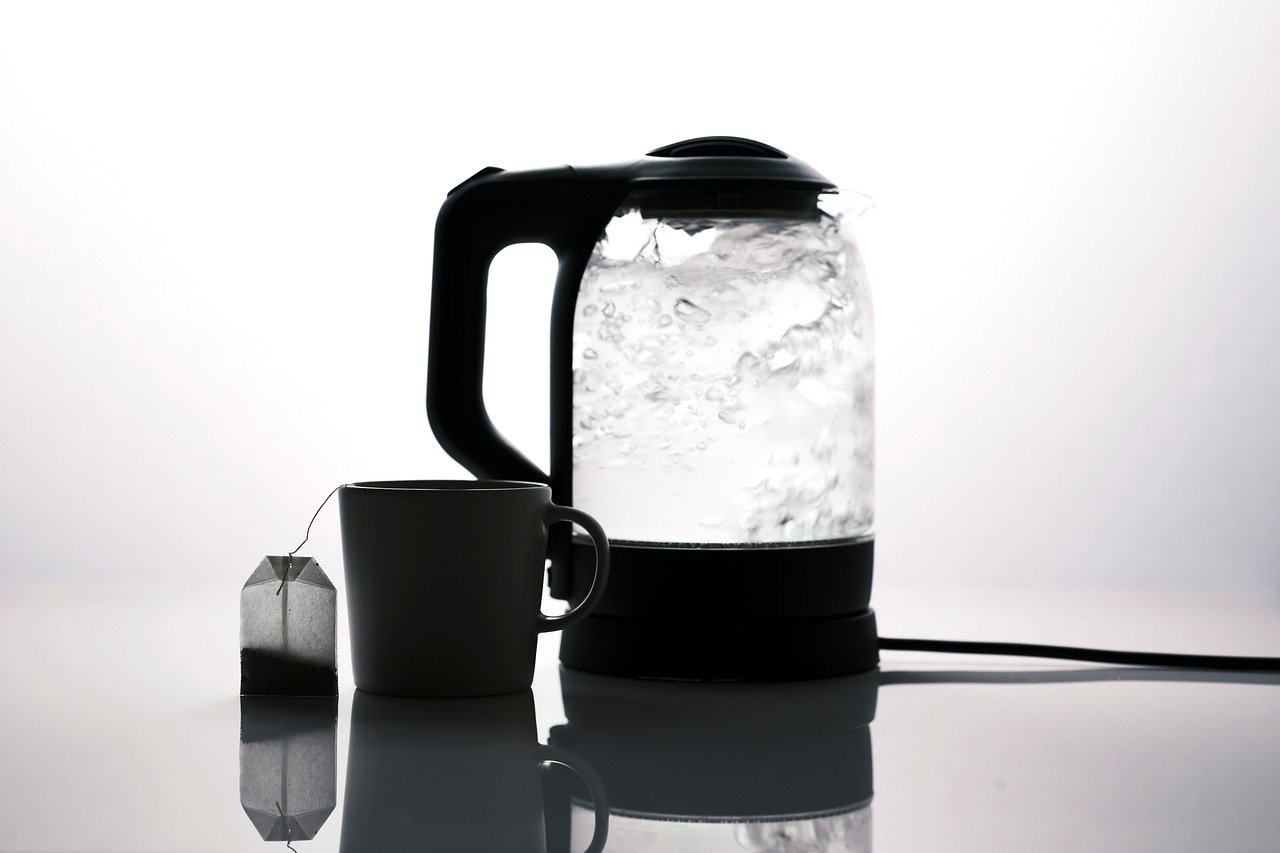
What if the one piece of gear standing between you and a genuinely great cup of pour-over coffee costs less than a bag of beans and never needs a firmware update? That is the quiet promise of the humble gooseneck kettle. But the moment you start shopping, the decision splits in two: a stovetop model you heat on the range, or an electric model with a corded base and a temperature dial. Both pour the same slow, steady stream. Both look handsome on a counter. Yet they behave very differently once you actually use them every morning.
This guide walks through the real trade-offs: heating speed and control, pour precision, materials, induction compatibility, price, and long-term durability. It also covers the mistakes buyers make most often, so you can pick the kettle that matches how you actually brew rather than how you imagine you will.
Why the Gooseneck Shape Matters More Than the Heat Source
Before comparing the two types, it helps to separate what the spout does from what the base does. A gooseneck spout is a narrow, curved tube that slows the flow of water and gives you a thin, controllable stream. That geometry is the entire point. In pour-over brewing, the way water lands on the coffee bed affects how evenly the grounds are saturated and how consistently the bed drains.
Here is the key insight: the pour geometry is essentially identical whether the water was heated on a gas flame or by an electric element. A stovetop gooseneck and an electric gooseneck pour with the same physics. The differences live in heating, temperature control, convenience, and construction. That reframing makes the choice much simpler, because you are really choosing a heating method, not a brewing method.
Stovetop Gooseneck Kettles: Simple, Durable, Hands-On
A stovetop gooseneck kettle is an unpowered vessel. You fill it, set it on a burner, and wait. That is the whole workflow.
What Works Well
The appeal is durability and simplicity. With no electronics, there is nothing to fail: no thermostat to drift, no base to short out, no display to die. A well-made stainless steel stovetop kettle can last for many years with basic care. Many models hold more water than electric kettles of similar footprint, which matters if you brew several cups at once or use the kettle for tea and cooking water too. They also tend to cost less, and they store easily because there is no cord or base. (Kettle)
Where It Falls Short
The obvious drawback is temperature control. You cannot set a stovetop kettle to a specific temperature. You heat the water, watch for steam or listen for the rumble, and either guess or use a separate thermometer. That introduces variability into every brew. Water that is too hot can scorch delicate coffee and pull out harsh, bitter notes; water that is too cool underextracts and tastes sour and thin. For pour-over coffee, many brewers aim for a range roughly between 90 °C and 96 °C, and hitting that window by eye on a gas flame is genuinely difficult.
There is also the induction compatibility question. Not every stovetop kettle works on an induction cooktop. If your kitchen has induction, check the base of any kettle before buying. A model that is not induction-ready simply will not heat, no matter how long you wait.
Electric Gooseneck Kettles: Precision and Convenience at a Price
An electric gooseneck kettle sits on a corded base and heats water with an internal element. Most models offer variable temperature settings, commonly spanning something like 40 °C to 100 °C, and many include a hold function that keeps water at your chosen temperature for a set period. (Safe Minimum Internal Temperature Chart)
What Works Well
This is where electric models earn their keep. You set a target temperature, press a button, and the kettle does the rest. For anyone brewing light-roasted specialty coffee, or switching between green tea at a lower temperature and coffee at a higher one, that precision is a genuine upgrade. Many electric kettles also heat faster than a stovetop kettle of similar volume, because the element delivers power directly to the water rather than through a burner and a pot base. The hold function is quietly useful too: you can heat water once and brew two or three cups in sequence without reheating.
Where It Falls Short
Electric kettles depend on power. They need a free outlet near your brewing station, and they take up counter space with a base that stays put. There are more parts that can break: the element, the thermostat, the display, the cord. And the price is usually higher than a comparable stovetop model. None of that is disqualifying, but it is a real trade: you are paying for control and convenience, and accepting electronics as a wear item.
Head-to-Head Comparison
The table below summarizes the practical differences. Treat the specifics as general tendencies rather than fixed rules, since individual models vary widely.
| Feature | Stovetop Gooseneck | Electric Gooseneck |
|---|---|---|
| Heat source | Gas, electric, or induction burner | Internal element on corded base |
| Temperature control | None built in; manual or thermometer | Variable settings, often with hold |
| Heating speed | Depends on burner and pot | Often faster; depends on wattage |
| Power needed | None | Yes, a nearby outlet |
| Durability | Few parts to fail | Electronics can wear out |
| Induction compatibility | Must be checked per model | Not applicable |
| Typical price | Usually lower | Usually higher |
| Portability | High; no cord | Limited by cord and base |
| Capacity | Often larger | Often smaller |
The pattern is clear. Stovetop wins on simplicity, durability, capacity, and cost. Electric wins on precision, speed, and convenience. Neither wins outright, because they are optimized for different priorities.
How to Choose Based on How You Actually Brew
The most common buying mistake is choosing based on looks or a review score rather than on daily habits. A few practical questions cut through the noise.
- Do you brew pour-over coffee regularly, or occasionally? Daily brewers who care about consistency benefit most from electric temperature control. Occasional brewers can get by with a stovetop kettle and a thermometer.
- What kind of cooktop do you have? If it is induction, confirm the stovetop kettle is induction-ready before buying. If it is gas, almost any stovetop model will work.
- Is counter space and an outlet available? Electric kettles need both. A crowded counter with no nearby plug makes a stovetop model the more practical choice.
- Do you also brew tea at different temperatures? If yes, variable temperature settings on an electric kettle pay off quickly.
- How much water do you need at once? Larger households and multi-cup brewers should favor capacity, which often points to stovetop.
- Do you value repairability and longevity over features? Fewer parts means fewer failures. That favors stovetop.
A useful rule of thumb: if you treat coffee as a hobby and want repeatable results, go electric. If you want a dependable tool that heats water and pours well, go stovetop.
Materials, Build Quality, and What to Inspect
Material choice affects taste, weight, and how the kettle ages. Most stovetop bodies are stainless steel or enameled steel. Electric models are typically stainless steel with a plastic or metal handle and a corded base. Stainless steel resists rust and does not impart flavor, which is why it dominates both categories.
When inspecting a kettle, whether stovetop or electric, check a few things in person or in detailed product photos:
- Spout tip finish. A clean, well-formed tip gives a more precise stream. Rough edges dribble.
- Handle comfort and heat isolation. The handle should stay cool enough to grip, especially on stovetop models exposed to open flame.
- Balance when full. A full kettle should feel stable in the hand, since you will be holding it through a slow pour.
- Lid fit. A loose lid rattles and can pop off mid-pour.
- Base compatibility. For stovetop, confirm induction readiness. For electric, check the cord length against your outlet position.
These details matter more than the heat source in day-to-day use. A well-balanced stovetop kettle beats a clumsy electric one, and vice versa.
Common Mistakes to Avoid
Buyers repeat the same handful of errors, and each one is easy to dodge once you know about it.
- Assuming all stovetop kettles work on induction. They do not. This is the single most common and most frustrating mistake. Check the base specification.
- Ignoring temperature entirely. Pour-over coffee is sensitive to water temperature. Skipping temperature control and guessing leads to inconsistent cups, which people often blame on their beans or grinder.
- Overpaying for features you will not use. A kettle with app connectivity and presets is wasted on someone who only needs hot water. Match features to habits.
- Buying a gooseneck for the wrong reason. If you mostly make French press or drip, a standard kettle is fine. The gooseneck shine is for controlled, slow pours.
- Neglecting the pour test. If possible, watch a video of the kettle pouring before buying. Stream control varies noticeably between models, even within the same category.
- Forgetting descaling. Both types accumulate mineral scale over time. Regular descaling keeps heating efficient and protects flavor.
Practical Tips That Actually Work
A few habits make either kettle perform better.
For stovetop users, heat water slightly above your target and let it rest for a minute before pouring. This gives you a rough temperature drop and reduces the guesswork. A cheap instant-read thermometer removes most of the uncertainty for a fraction of the cost of an electric kettle. Also, fill only what you need; a full kettle takes longer and wastes energy.
For electric users, use the hold function instead of reheating. Repeatedly bringing water to a boil and letting it cool wastes time and electricity. Pre-rinse your filter with hot water from the kettle while it holds temperature, so the water is ready when you are. And keep the base dry and free of spills to protect the electronics.
For both, rinse the kettle after use and descale periodically with a mild acid solution. Mineral buildup is the quiet enemy of good-tasting water.
Cost, Longevity, and the Long View
Price differences are real but smaller than they look over time. A stovetop kettle usually costs less up front and can last many years with minimal care. An electric kettle costs more and introduces electronics that may eventually fail, but it delivers daily convenience and precision that many brewers consider worth the premium.
You are buying a vessel and a workflow. If your mornings are rushed and you value consistency, the electric model’s speed and temperature control earn their price. If you prefer durable, repairable tools and do not mind a hands-on process, the stovetop model will serve you for years and ask for nothing but water and a burner.
Conclusion
The stovetop versus electric gooseneck kettle question does not have one right answer, because the two designs solve different problems. Stovetop kettles offer simplicity, durability, larger capacity, and lower cost, with the trade-off of manual temperature control and a dependence on your cooktop. Electric kettles offer precision, speed, and convenience, with the trade-offs of higher price, a power requirement, and electronics that can wear out.
Choose based on how you brew, not on how a kettle looks on a shelf. If repeatable pour-over coffee and easy temperature changes matter most, go electric. If you want a dependable, long-lasting tool and do not mind watching the water, go stovetop. Either way, check the details that actually affect daily use: spout control, balance, lid fit, and induction compatibility. Get those right, and the heat source becomes a preference rather than a compromise.
Frequently Asked Questions
Is a stovetop or electric gooseneck kettle better for pour-over coffee?
Both pour equally well because the spout geometry is the same. The difference is temperature control. Electric kettles let you set and hold a precise temperature, which improves consistency. Stovetop kettles require manual monitoring, often with a separate thermometer. For daily pour-over brewing with repeatable results, electric has the edge.
Can I use a stovetop gooseneck kettle on an induction cooktop?
Only if the kettle is specifically induction-ready. Not all stovetop kettles are. Check the base specification before buying. A non-compatible kettle will not heat on an induction surface regardless of how long it sits there.
Do electric gooseneck kettles heat water faster than stovetop kettles?
Often yes, because the internal element delivers power directly to the water rather than through a burner and a pot base. However, heating speed depends on the kettle’s wattage and, for stovetop models, the burner’s power. A high-output gas burner can close much of the gap.
What temperature should I use for pour-over coffee?
Many brewers aim for roughly 90 °C to 96 °C, adjusting within that range based on the roast and personal taste. Lighter roasts often tolerate the hotter end, while darker roasts can turn bitter at high temperatures. An electric kettle with variable settings makes hitting this window easy; a stovetop kettle requires a thermometer or careful timing.
Are electric gooseneck kettles less durable than stovetop ones?
Generally, yes, because they contain electronics that can fail over time. Stovetop kettles have no electronic parts, so there is less to break. That said, a well-made electric kettle can last for years with proper care, and many owners consider the convenience worth the added complexity.
Do I really need a gooseneck kettle at all?
Only if you brew methods that benefit from a slow, controlled pour, such as pour-over. For French press, drip machines, or general hot-water needs, a standard kettle works fine. The gooseneck shine is precision pouring, so buy one only if that precision matters to your routine.
