
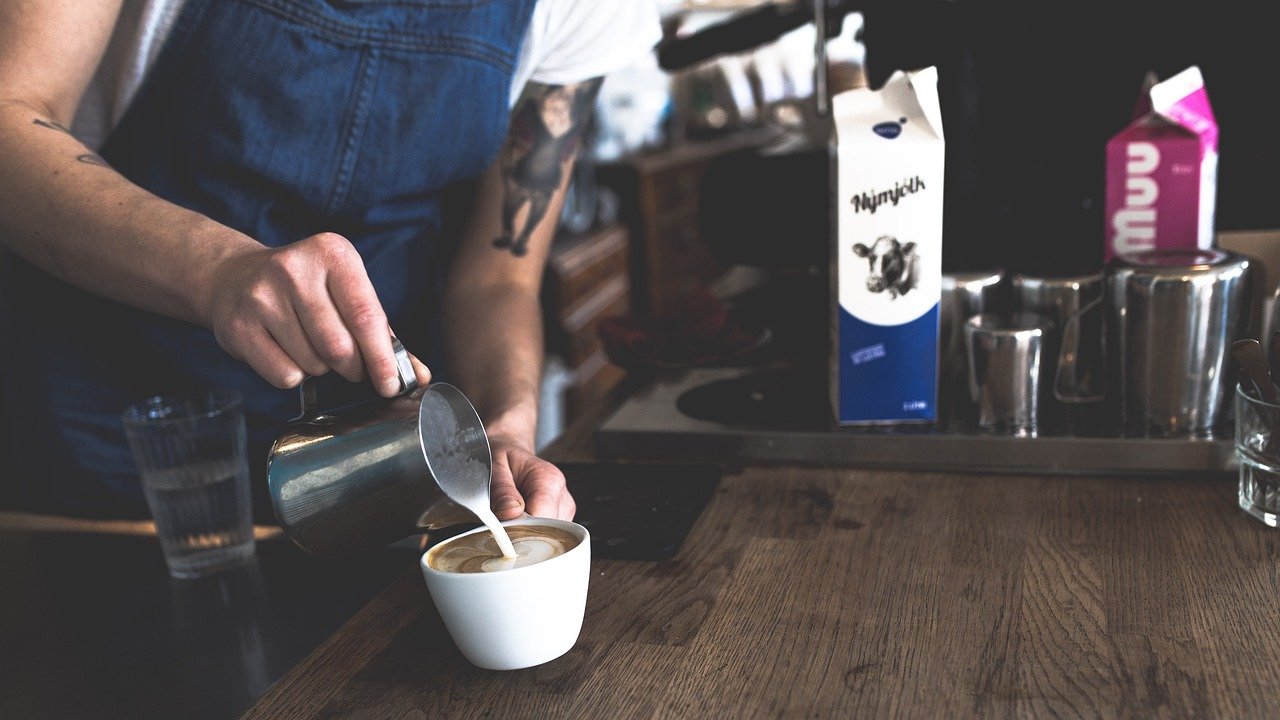
Ever watched a barista pour a silky cloud of foam over an iced latte and wondered why your own frother never quite pulls it off at home? Here’s the catch: hot foam and cold foam don’t just differ in temperature. They behave differently, need different milk, and use different techniques. Once you understand the split, both become easy.
What Actually Separates Hot Foam From Cold Foam
Before comparing gear or methods, it helps to know what foam is. Milk foam is a web of air bubbles trapped by milk proteins. Casein and whey form thin films around each bubble, and those films are what hold the structure together.
Heat changes how those proteins behave. When milk is warmed, whey proteins unfold and bond more readily, which builds a stronger bubble wall. That’s the science behind microfoam, the dense, glossy layer you see on a latte. Cold milk doesn’t get that same assist, so cold foam depends more on agitation and on the milk’s protein-to-fat ratio.
The practical result: hot foam tends to be finer and more stable, while cold foam is airier and looser unless you stabilize it. Neither is “better.” They just serve different drinks.
Why Temperature Changes the Texture

Temperature affects foam in two directions at once.
Hot foam destabilizes faster than people expect. As milk sits warm, liquid drains out of the bubble walls and the bubbles merge into coarser ones. That’s why a latte’s foam starts to flatten within minutes. The trick is to serve it fast.
Cold foam holds its shape longer, but it rarely gets as fine. The bubbles stay larger, and the texture reads more like whipped cream than velvet. Cafés often work around this by using nonfat milk, which foams more eagerly, plus a little syrup for flavor and stability.
One more thing worth knowing: fat gets in the way of foaming. Higher-fat milk produces fewer, softer bubbles. That’s not a flaw. Whole milk makes richer hot foam precisely because the fat is there.
Hot Foam vs Cold Foam at a Glance
| Factor | Hot Foam | Cold Foam |
|---|---|---|
| Best milk | Whole milk for richness, skim for stiffness | Nonfat or low-fat for volume |
| Texture | Fine, glossy microfoam | Airy, pourable, whipped-cream-like |
| Stability | Fades within minutes | Holds shape longer |
| Main equipment | Steam wand, heated electric frother | Handheld frother, French press, cold-foam pitcher |
| Typical use | Lattes, cappuccinos, flat whites | Iced coffee, cold brew, iced lattes |
| Skill curve | Steeper (steaming takes practice) | Gentler (hard to ruin) |
| Flavor impact | Slightly sweeter, cooked note | Cleaner, fresher milk taste |
The Milk Matters More Than the Machine
People obsess over frothers and overlook the milk. That’s backwards. Milk choice drives results more than the device does.
For hot foam, whole milk gives the creamiest microfoam and a rounder flavor. Skim milk foams faster and stiffer, which suits a dry cappuccino but can taste thin. Two percent sits in the middle and works well for most people.
For cold foam, nonfat milk is the standard for a reason: it whips up fast and holds volume. Whole milk cold foam is delicious but flatter, so many cafés add a splash of cream or a pump of syrup to give it body.
Plant milks complicate things. Oat milk foams well, especially barista-style versions with added oils. Almond milk is fussier and tends to separate. Soy milk lands somewhere in between. If plant milk is the goal, look for “barista” on the label. Those products are formulated for foaming. (Milk frother)
How to Make Hot Foam That Actually Holds
Steaming is a skill, but the steps are simple enough to learn in an afternoon.
- Fill a pitcher to about one-third with cold milk. Cold milk gives you more time to work.
- Submerge the steam wand tip just below the surface and turn it on.
- Lower the pitcher slightly to introduce air for two to three seconds. You’ll hear a soft hiss, not a roar.
- Bury the tip to create a rolling vortex. This is where the foam gets fine.
- Stop when the pitcher is too hot to hold comfortably, around 140°F to 150°F.
- Swirl and tap the pitcher to break large bubbles, then pour right away.
No steam wand? An electric heated frother does the job with less control but far less mess. Warm the milk first if you’re using a handheld whisk frother, since cold milk won’t build the same structure.
Common mistake: over-aerating. Too much air in the first few seconds creates stiff, soapy foam that won’t pour into art. Aim for a subtle hiss.
How to Make Cold Foam Without a Café Setup
Cold foam is more forgiving, which makes it a great entry point. If you want the full walkthrough, this guide on how to make cold foam at home covers frothing without a dedicated machine.
The basic method:
- Pour about two ounces of cold nonfat or low-fat milk into a tall glass or jar.
- Add a teaspoon of syrup or a pinch of sugar if you want extra stability and flavor.
- Use a handheld frother, plunging it near the bottom first, then lifting toward the surface.
- Froth for 15 to 30 seconds until the volume roughly doubles.
- Let it rest for 30 seconds so the bubbles settle, then pour over your iced drink.
A French press works too: add milk, pump the plunger vigorously for about 30 seconds, and spoon the foam on top. A jar with a tight lid and a hard shake gets you a rougher but usable version.
Common mistake: frothing milk that’s too warm or too little of it. Cold milk and a shallow layer are what let air incorporate properly.
Equipment: What You Really Need
Most kitchens already have enough to start. Here’s how the options stack up.
| Tool | Best For | Cost | Control |
|---|---|---|---|
| Steam wand (espresso machine) | Hot microfoam | High | High |
| Electric heated frother | Hot foam, hands-off | Low to mid | Low |
| Handheld whisk frother | Cold foam | Very low | Medium |
| French press | Cold foam, large batches | Low | Medium |
| Dedicated cold-foam pitcher | Café-style cold foam | Mid | Medium |
A handheld frother plus a small saucepan covers both styles for very little money. If hot lattes are the daily habit, though, a machine with a steam wand pays for itself in texture.
Which Drinks Call for Which Foam
Hot foam belongs on hot drinks. Lattes, cappuccinos, flat whites, and mochas all rely on microfoam for body and for latte art. The foam integrates with the espresso rather than sitting on top. (Best places for hot springs)
Cold foam is a topping. It crowns iced coffee, cold brew, and iced lattes, floating in a distinct layer. Part of the appeal is visual, and part is that first sip of cold, sweet foam before the coffee hits.
Cold foam crossed into the mainstream when Starbucks launched its version around 2018, made by frothing nonfat milk cold. That move introduced a lot of people to the idea that foam doesn’t have to be hot. The distinction has stuck ever since.
Five Mistakes That Ruin Foam
Even good equipment fails with bad habits. These are the ones that show up most.
- Using stale milk. Older milk foams poorly because proteins have already broken down. Check the date.
- Overfilling the pitcher. Foam needs room to expand. Half-full is the ceiling.
- Skipping the swirl. Swirling after frothing knocks out big bubbles and evens the texture.
- Letting hot foam sit. It collapses fast. Pour within a minute.
- Frothing cold foam too long. Past 30 seconds, bubbles start to break down and the foam turns watery.
Can You Make Cold Foam From Hot-Frothed Milk?
Technically yes, but the result disappoints. If you froth milk hot and then chill it, the foam collapses as it cools. You end up with a thin layer and a lot of liquid. Cold foam really does need cold milk and cold agitation.
The reverse works better. Cold-frothed foam can be spooned over a hot drink, though it will melt quickly. It’s a fun contrast, not a substitute for proper microfoam.
Does Foam Change the Taste?
It does, subtly. Hot foam tastes slightly sweeter and richer because heating brings out milk’s natural sugars and mutes some of the sharper notes. Cold foam tastes cleaner and more like fresh milk, which is why cafés lean on syrups and flavorings to give it character.
Texture shapes perception too. Fine microfoam makes a drink feel heavier and more luxurious. Airy cold foam makes the same drink feel lighter and more refreshing, even at identical calorie counts. (Food Safety Basics)
What About Dairy-Free Foam?
Plant milks have improved dramatically, but they still behave differently.
Oat milk is the most reliable for hot foam, particularly barista blends. It steams well and holds a fine texture. For cold foam, oat milk whips up nicely but can taste heavy, so a lighter pour helps.
Almond milk struggles with both. It foams weakly and separates quickly, especially when hot. Soy milk performs better than most people expect, with decent structure in both hot and cold applications.
Coconut milk is the wildcard. It froths well when cold but turns grainy when heated. Save it for cold foam.
A Quick Word on Temperature and Safety
Milk doesn’t need to be scalded. Heating past about 160°F starts to cook the proteins and gives foam an unpleasant, eggy note. Most baristas stop well before that point.
For cold foam, keep everything cold. A chilled glass and milk straight from the fridge make a noticeable difference. If your kitchen runs warm, chill the pitcher first.
Conclusion
Hot foam and cold foam aren’t rivals so much as siblings with different strengths. Hot foam wins on texture, giving you the fine microfoam that makes a latte feel luxurious. Cold foam wins on convenience and visual drama, and it’s nearly impossible to ruin. The choice comes down to what’s in your cup: hot drinks want steamed milk, iced drinks want a cold, airy crown. Start with the milk you have, pick the right tool, and skip the mistakes above. Both styles are within reach of any home kitchen, and the learning curve is shorter than most people fear. Once you’ve nailed one, the other takes an afternoon.
Frequently Asked Questions
Can you use the same frother for hot and cold foam?
Many electric frothers have both hot and cold settings, so one device can do both. Handheld whisk frothers work for either, though they’re better suited to cold foam since they don’t heat the milk. Steam wands are hot-only.
Why does my cold foam disappear so fast?
Cold foam collapses when it’s under-frothed, made with high-fat milk, or poured onto a drink that’s too warm. Use cold nonfat or low-fat milk, froth for at least 15 seconds, and let the foam rest briefly before pouring.
Is whole milk or skim milk better for foaming?
Skim and low-fat milk foam more readily and hold stiffer peaks. Whole milk produces richer, creamier foam with slightly less volume. For hot lattes, whole milk is the usual pick. For cold foam, nonfat is the standard.
How hot should milk be for hot foam?
Aim for 140°F to 150°F. Beyond roughly 160°F, proteins start to cook and the foam takes on an unpleasant taste. Stop steaming when the pitcher feels too hot to hold comfortably.
Can you make cold foam with a French press?
Yes. Add cold milk to the French press, pump the plunger firmly for about 30 seconds, and spoon the foam over your drink. It’s one of the cheapest ways to get café-style cold foam at home.
Does cold foam need sweetener to work?
It doesn’t need it, but a teaspoon of syrup or a pinch of sugar helps stabilize the bubbles and adds flavor. Café versions often include sweetener for exactly that reason.
