
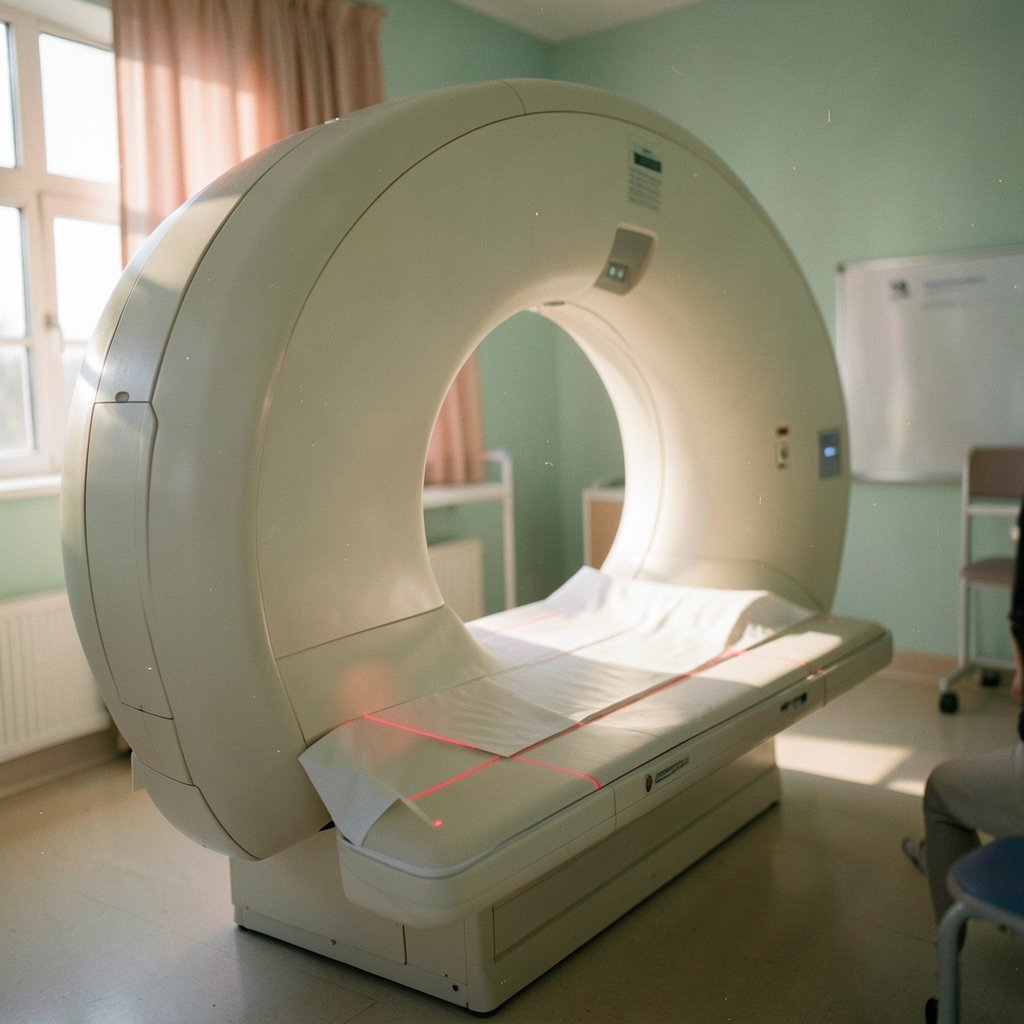
What if two scans could look at the same body and see completely different things? That is exactly what happens with a PET scan and a CT scan. One shows what your organs look like. The other shows how they are behaving. Doctors often order one, the other, or both, and the choice is rarely random.
This guide breaks down the real differences in plain language: how each machine works, what each is good at, how long they take, what they cost you in time and radiation, and which situations call for which. By the end, the phrase “PET scan vs CT scan” should feel a lot less confusing.
What Is a CT Scan?
A CT scan (computed tomography) is a structural test. A tube rotates around you and shoots thin X-ray beams through the body from many angles. A computer stacks those readings into cross-sectional images, slice by slice, like looking at a loaf of bread from the end.
Because different tissues block X-rays differently, CT gives sharp pictures of bones, organs, blood vessels, and tumors. It is fast, widely available, and relatively cheap compared with other advanced imaging. If you want the physics in more depth, the explanation of computed tomography covers how the images are formed.
CT shines at answering “where is it and what does it look like?” A lung nodule, a kidney stone, a fractured vertebra, a blocked artery: CT sees all of these clearly.
What Is a PET Scan?
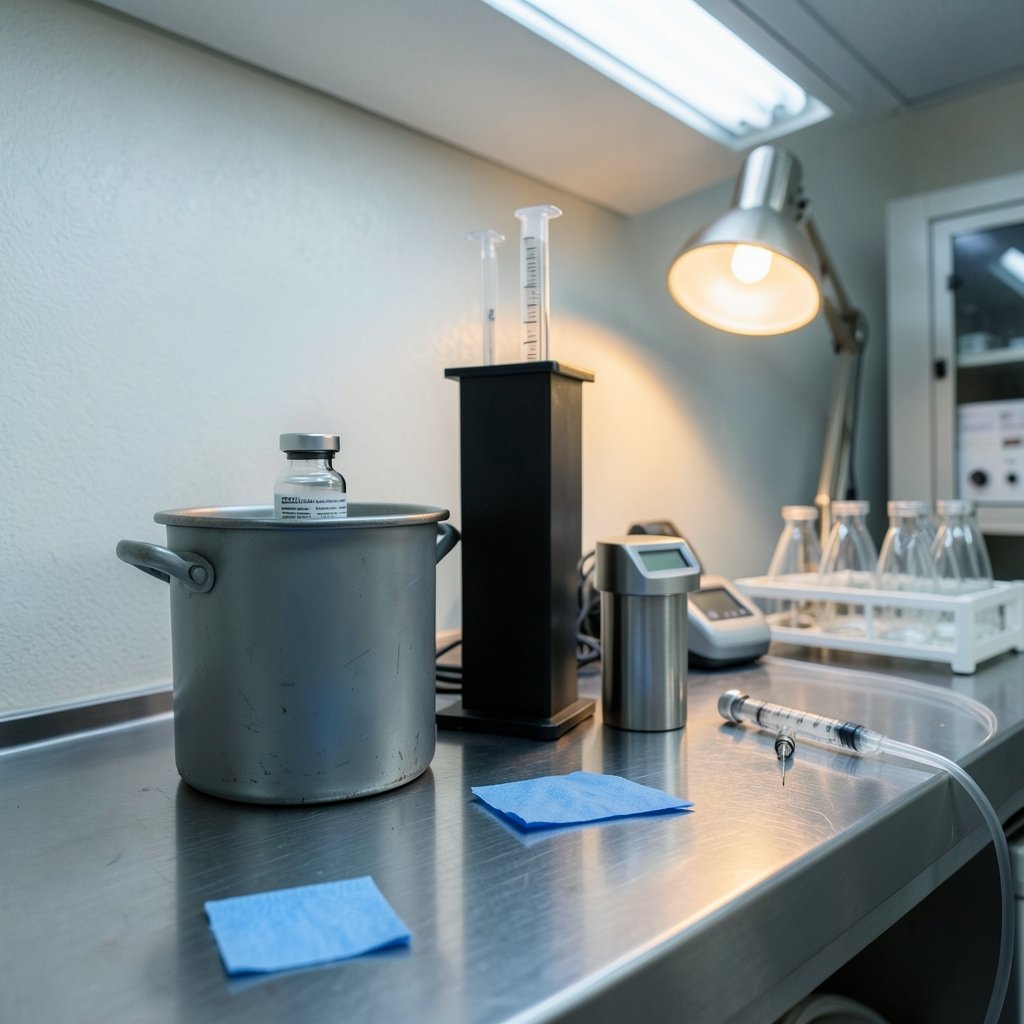
A PET scan (positron emission tomography) is a functional test. Instead of photographing structure, it tracks chemistry. You receive a radiotracer, most commonly FDG, which is a glucose analogue tagged with radioactive fluorine-18. Cells that burn a lot of sugar pull it in faster, and the scanner detects the radiation those cells emit.
The result is a map of metabolic activity. Cancer cells often gulp glucose, so hot spots can reveal tumors. But so can infection, inflammation, and normal tissue like the brain, heart, and kidneys. PET is sensitive but not perfectly specific.
PET images are also blurrier than CT. The trade-off is that PET can flag a problem before it shows up structurally. A tumor can be metabolically active while still too small or too subtle to stand out on CT.
How PET/CT Combines the Two
Here is the twist most people miss: modern PET is almost always performed as PET/CT. The two scanners are built into one machine, and the CT portion does double duty. It provides the anatomical map, and it helps correct the PET data for how radiation is absorbed in the body. (Air purifier pet birds actually works can harm them)
In routine cancer care, standalone PET-only scanners are now uncommon. The combined exam gives doctors a picture where hot spots are pinned onto precise anatomy, which is far more useful than either image alone. The overview of PET-CT explains how the fusion works.
PET Scan vs CT Scan: Side-by-Side Comparison
| Feature | CT Scan | PET Scan |
|---|---|---|
| What it shows | Anatomy and structure | Metabolism and chemical activity |
| Radiation source | X-rays | Injected radiotracer (FDG) |
| Typical scan time | Seconds to a few minutes | Longer; includes roughly an hour of uptake time before scanning |
| Spatial detail | High | Lower |
| Detects disease early | Limited until structure changes | Can detect metabolic change earlier |
| Common uses | Trauma, lung, bone, blood vessels, cancer staging | Cancer staging, restaging, recurrence, treatment response |
| Preparation | Often minimal; sometimes fasting or contrast | Fasting, quiet rest, blood sugar check |
| Specificity | Good for structure, less for activity | Sensitive but can flag benign inflammation |
Neither column wins across the board. The right test depends entirely on the question being asked.
What Each Scan Is Actually Good At
CT’s Strengths
CT is the workhorse of modern imaging. It is quick, available around the clock, and excellent at showing anatomy in fine detail. Emergency rooms lean on it for head injuries, internal bleeding, and chest pain. Oncologists use it to measure tumor size and watch for changes over time.
PET’s Strengths
PET answers questions CT cannot. Is that lump active? Did the treatment work? Has the cancer returned somewhere new? In cancers like lymphoma and lung cancer, metabolic information often changes the treatment plan. A scan that shows a tumor has gone quiet can spare a patient unnecessary therapy.
Where Each Falls Short
CT can miss disease that has not yet changed the shape of tissue. PET can light up for reasons unrelated to cancer, such as infection or inflammation, and its lower resolution means small lesions can hide. That is why guidelines rarely rely on a single scan type in isolation.
What a PET Scan Appointment Is Really Like
Practical expectations matter, and this is where people get surprised. A CT scan is often in and out in fifteen minutes. A PET/CT is a half-day event.
- You fast for several hours before the appointment, usually avoiding strenuous exercise the day before.
- Your blood sugar is checked, since high glucose can blunt the tracer’s signal.
- The radiotracer is injected, and you rest quietly for around an hour while it distributes.
- You lie still on the table for the scan itself, which takes roughly 20 to 30 minutes.
- You drink plenty of water afterward to help clear the tracer.
Common mistakes: skipping the fasting instruction, arriving after a hard workout, or talking and moving during the uptake period. Each one can degrade the images and, in the worst case, mean a repeat scan. Quiet really does mean quiet, so bring something to do that requires no movement or conversation.
For people juggling medical appointments and paperwork, keeping digital copies of reports is genuinely useful. Knowing how to scan documents on an iPhone without a scanner makes it easy to share results with a second opinion.
Radiation Dose: Putting It in Perspective
Both scans involve ionizing radiation, and both are ordered only when the benefit outweighs the risk. CT dose varies widely by body region and protocol, and PET adds the radiotracer dose on top. Combined PET/CT delivers more than a single CT.
The honest answer is that exact numbers depend on the machine, the protocol, and your body size, so any single figure quoted online should be treated with caution. Ask the imaging facility what dose your specific exam is expected to deliver. That conversation is normal, and technologists and medical physicists field it all the time.
When Doctors Choose One Over the Other
The decision usually follows clinical guidelines that vary by cancer type and stage. A few general patterns hold:
- Initial detection and anatomy: CT first, often with contrast.
- Staging and restaging in selected cancers: PET/CT, especially lymphoma and lung cancer.
- Assessing treatment response: PET/CT can distinguish scar tissue from active tumor.
- Non-cancer problems: CT dominates, from trauma to kidney stones.
- Recurrence suspicion: PET/CT when blood tests rise but CT looks clean.
Guideline recommendations change over time, so the version matters. Organizations that publish oncology imaging guidance include the National Comprehensive Cancer Network in the US and ESMO in Europe, alongside specialty societies for nuclear medicine and radiology.
Cost, Access, and Practical Realities
CT scanners are everywhere. PET scanners are not. In many regions, a PET/CT means traveling to a regional center, and scheduling can take longer. Insurance coverage also differs: CT is broadly covered, while PET often requires a specific indication documented in advance.
If cost is a concern, ask before the appointment whether prior authorization is needed. Front-loading that paperwork saves the frustration of a canceled slot. This is also where good record-keeping pays off; a practical guide to building a scan program that actually finds problems is written for IT security, but its core lesson applies here too: plan the process before you need the results.
How to Prepare Without Stressing
A few habits make both exams smoother. Bring a list of medications, allergies, and prior imaging. Mention pregnancy or breastfeeding. Wear loose clothing without metal. Arrive early enough to fill out forms calmly.
For PET specifically, follow fasting instructions to the letter and avoid caffeine if told to. For CT with contrast, tell the team about kidney problems or previous reactions to dye. Small disclosures prevent big problems.
Questions Worth Asking Your Doctor
Before agreeing to either scan, it helps to ask:
- What specific question will this scan answer?
- Will the result change my treatment?
- Is there a reason to choose PET/CT over CT alone, or the reverse?
- How soon will results be available?
- What are the alternatives, including waiting and watching?
These questions are not pushback. They are how good decisions get made, and most clinicians welcome them.
Conclusion
The PET scan vs CT scan question has no universal winner. CT shows structure with speed and precision. PET shows activity, often earlier than structure changes. Combined PET/CT gives doctors both views at once, which is why it has become standard in much of cancer care.
The right choice depends on the clinical question, the disease, prior imaging, and local guidelines. If you take one thing away, make it this: ask what the scan is meant to answer. That single question turns a confusing choice into a clear one, and it puts you in the conversation rather than on the sidelines.
Frequently Asked Questions
Is a PET scan better than a CT scan?
Neither is universally better. PET detects metabolic activity and can spot disease before structural change, but it has lower resolution and can flag benign inflammation. CT gives sharper anatomical detail. They answer different questions, which is why they are often combined.
Does a PET scan replace a CT scan?
No. Modern PET is usually performed as PET/CT, with the CT portion providing anatomical localization and attenuation correction. Standalone PET is uncommon in routine cancer care. The two work together rather than one replacing the other.
How long does each scan take?
A CT scan typically takes seconds to a few minutes of scanning time, with the whole visit often under half an hour. A PET/CT is longer because it includes roughly an hour of quiet uptake time after the tracer injection, plus 20 to 30 minutes of scanning.
Is PET/CT safe?
Both use ionizing radiation, and both are ordered when the expected benefit outweighs the risk. PET/CT delivers more dose than CT alone because it combines the tracer with X-rays. Ask your imaging facility about the expected dose for your specific exam.
Why do I have to fast and stay still before a PET scan?
Fasting keeps blood sugar low so the tracer is taken up by active tissue rather than competing with a recent meal. Staying still and quiet during uptake prevents muscles from consuming the tracer, which can blur the images and sometimes require a repeat scan.
Can a PET scan detect cancer that a CT scan misses?
Sometimes, yes. PET can reveal metabolically active tissue before it becomes structurally visible. However, PET is not specific to cancer, and small lesions may fall below its resolution. That is why results are interpreted alongside CT images and clinical context.
One more practical note: keep a simple personal log of every scan date, facility, contrast or tracer used, and the report summary. When a new specialist asks what was done and when, that record answers in seconds rather than a week of phone calls. It also helps you notice patterns and ask sharper questions over time. Imaging is a tool, not a verdict, and the patients who fare best are usually the ones who understand what each test can and cannot tell them. Use that understanding to steer the conversation, and let your care team handle the interpretation.



