

What happens to a car that sits untouched for six months? Most owners picture a dusty but otherwise fine machine. The reality is usually flatter, smellier, and more expensive. Batteries die, fuel sours, tires thump, and brakes rust in place. None of that is dramatic, and all of it is preventable with a few hours of prep before the door rolls shut.
This guide covers long-term and seasonal vehicle storage for everyday owners: cars, trucks, RVs, motorcycles, and boats. It focuses on what actually fails during storage, the mistakes that cost people money, and the practical routines that work. Commercial storage and impound rules are a different world with their own local regulations, so they get only a brief mention here. (Get more google drive storage free actually works) (NHTSA: Vehicle Safety)
What Actually Breaks When a Vehicle Sits
A stored vehicle does not “rest.” It slowly degrades through a handful of predictable mechanisms. Understanding them makes the prep checklist obvious instead of arbitrary.
Parasitic battery drain. Modern cars draw small amounts of current when switched off. Clocks, alarms, keyless-entry receivers, and telematics modules all sip power around the clock. Drain rates vary widely by model and are not standardized, so any single milliamp figure you see online should be treated with suspicion. What matters is the pattern: a healthy battery can usually survive a few weeks, and a marginal one may not survive two. The deeper chemistry of lead-acid charging and storage is explained in this guide to charging lead-acid batteries from Battery University, which is worth reading if you want to understand why deeply discharged batteries often never fully recover.
Fuel degradation. Gasoline is not shelf-stable forever. Ethanol blends are especially prone to absorbing moisture from the air, and over many months that can lead to phase separation, where the ethanol and water separate from the gasoline. The US Department of Energy’s Alternative Fuels Data Center explains ethanol fuel basics and why these blends behave differently from pure gasoline. A stabilizer helps, but it is not magic, and fuel that is already months old when storage begins is a poor starting point.
Tire flat-spotting. Tires parked under load in one position for weeks or months can develop temporary flat spots. Most resolve after some driving, but the longer and colder the storage, the more stubborn they become. Overinflation before storage and, ideally, taking weight off the tires helps. Tire condition generally is a safety topic in its own right; the National Highway Traffic Safety Administration’s tire safety pages cover inspection basics if you are unsure whether a stored set is still sound.
Brake and surface corrosion. Brake rotors, calipers, and exposed metal rust in humid or coastal air. Rust on a rotor face is normal and usually scrubs off in a few stops. Seized calipers are the expensive version, and they are more likely when a car is parked with wet brakes.
Moisture and mold. A sealed car in a damp climate becomes a small greenhouse. Carpets, seats, and headliners can grow mildew, and the smell is hard to remove. Humidity control matters more than most owners expect.
Pests. Rodents chew wiring, nest in air boxes, and ruin upholstery. This is one of the most common and least anticipated storage failures, and it is entirely preventable.
Preparing a Car for Long-Term Storage
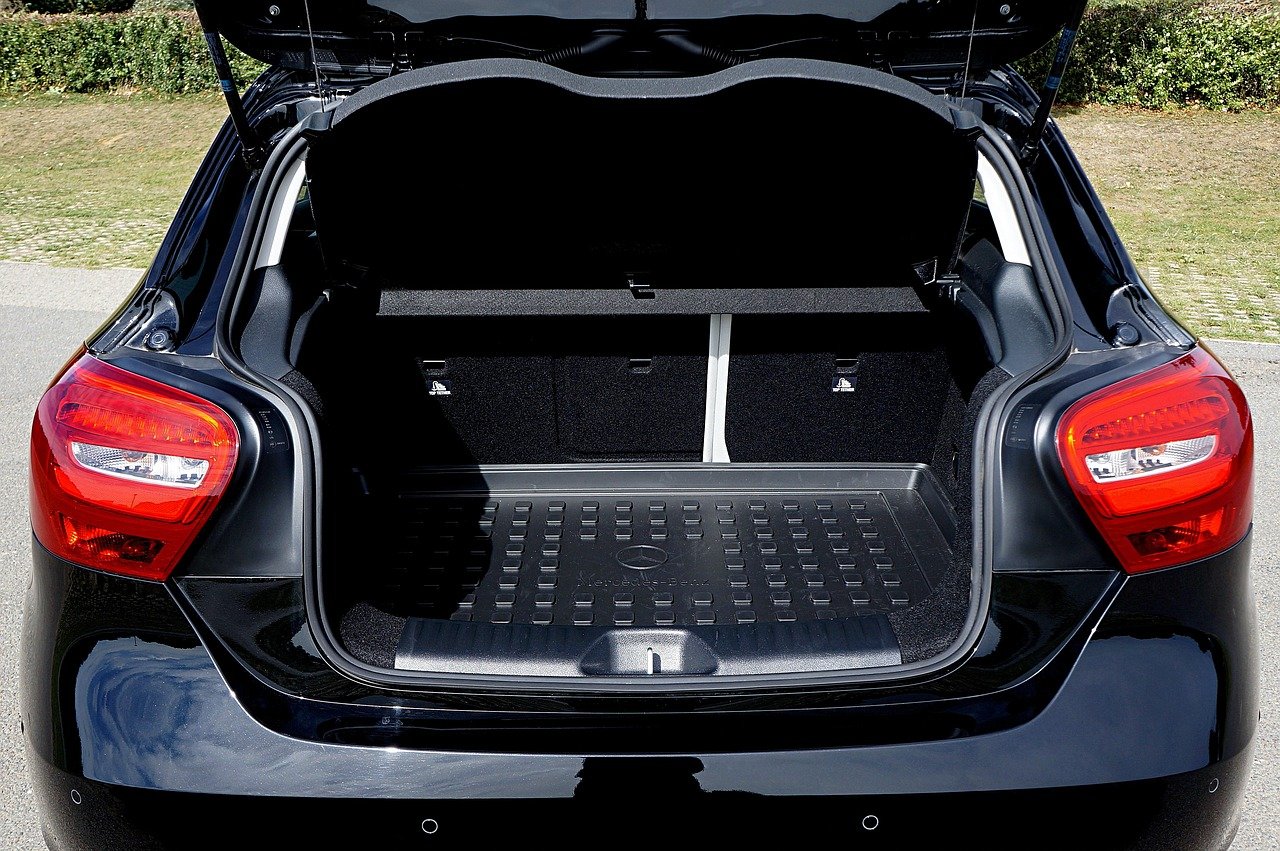
The prep routine below is the one that consistently works in practice. It takes an afternoon and saves far more than it costs.
- Change the oil and filter before storage, not after. Used oil contains acids and moisture that sit against engine internals for months.
- Wash and wax the car, then drive it to dry the brakes. Water trapped in door seals, wheel wells, and brake assemblies causes the rust you find in spring.
- Fill the tank nearly full. A full tank leaves less room for moist air and condensation. Add a fuel stabilizer and run the engine briefly so treated fuel reaches the injectors.
- Clean the interior completely. Crumbs, spills, and organic debris attract pests and feed mold.
- Inflate tires above normal pressure and, if possible, park on a softer surface or use tire cradles.
- Connect a smart battery maintainer. A tender that floats the charge is far better than a trickle charger that keeps cooking the battery.
- Seal the air intake and exhaust with steel wool, not rags, to keep rodents out. Steel wool is unpleasant to chew.
- Leave the parking brake off. Pads can bond to rotors over months, especially in damp conditions. Use wheel chocks instead.
- Crack a window slightly for ventilation if the car is stored indoors and secure.
- Cover with a breathable cover, never a plastic tarp that traps moisture against the paint.
A common mistake is skipping the drive before storage. Owners wash the car, roll it twenty feet into a garage, and shut it down with wet brakes and a cold engine. That short trip is the worst possible preparation, because it adds moisture without burning it off. (Video doorbell local storage without subscription actually)
Indoor Versus Outdoor Storage
Where a vehicle sits changes the prep list more than any other single factor.
| Factor | Indoor storage | Outdoor storage |
|---|---|---|
| Moisture control | Manageable with ventilation and a dehumidifier | Requires breathable cover and regular checks |
| Temperature swings | Reduced but not eliminated | Freeze-thaw cycles stress seals and fluids |
| Pest pressure | High, especially in barns and sheds | Moderate, but nesting in engine bays is common |
| Sun and UV damage | None | Paint, trim, and tires degrade without cover |
| Theft and tampering | Lower if the building is secure | Higher; consider a wheel lock or alarm |
| Access for checks | Easy | Often neglected, which is the real risk |
The most underrated column here is access. Outdoor-stored vehicles that nobody looks at for four months are the ones that turn into expensive surprises. A monthly walk-around, even a quick one, catches a dead battery, a rodent nest, or a leaking roof before it becomes a repair bill.
RVs, Boats, and Powersports Need Different Routines
Recreational vehicles share the car checklist but add their own failure points. RVs have house batteries, water systems, propane, and roofs that all need attention. Boats add fuel systems that hate ethanol blends, lower units that need to stay dry, and hulls that collect water.
For RVs, drain the fresh water system or treat it properly, empty holding tanks, disconnect house batteries or keep them on a maintainer, and inspect the roof and seals before the cover goes on. Propane should be shut off at the tank. Tires on a heavy RV flat-spot faster than car tires, so jacks or cribbing under the frame are worth the effort.
For boats, fog the engine, stabilize the fuel, change the lower unit oil, and store the drive leg down if the climate allows. Remove anything that can hold moisture. Boat covers need to shed water, not collect it in a sagging puddle that eventually finds a seam.
Motorcycles are simpler but not trivial: full tank with stabilizer, battery out and on a maintainer indoors, tires off the concrete if possible, and a breathable cover. Fuel-injected bikes especially dislike stale fuel.
Climate Changes Everything
Two owners can follow identical checklists and get very different results because of where they live.
In cold climates, freeze-thaw cycles are the enemy. Coolant must be at the correct concentration, washer fluid must be rated for the cold, and any water trapped in seals or lines will expand and split things. A battery that was marginal in autumn often fails outright in a cold garage.
In humid and coastal climates, corrosion leads the list. Brake rotors, exposed fasteners, and electrical connectors suffer. Ventilation, a dehumidifier in enclosed storage, and a corrosion inhibitor on exposed metal make a real difference.
In hot, dry climates, sun exposure ages paint, plastics, and tires quickly, and heat accelerates battery self-discharge. Shade and covers matter more than rust prevention.
The practical takeaway is that a generic checklist is a starting point, not a plan. Adjust it to the failure mode your climate actually produces.
Insurance, Registration, and the Paperwork Trap
Owners often forget that a stored vehicle still has an administrative life. Many insurers offer or require a “storage” status when a vehicle is not being driven, and coverage can change while it sits. Policies vary by carrier and state, so the only reliable move is to call and ask specifically what happens to comprehensive coverage during storage. Do not assume. A vehicle that is uninsured for theft because nobody made the call is a bad way to learn this lesson. (Backup immutability limitations worm storage cant protect) (EPA: Vehicle and Fuel Emissions Testing)
Registration rules also vary. Some jurisdictions allow a reduced-fee or non-operational status; others expect normal renewal regardless. Odometer disclosure rules, which trip people up during sales, apply to transfers rather than storage, but the federal regulation behind them is a useful reference point if a stored vehicle is later sold: the text of 49 CFR Part 580 on odometer disclosure and disclosure exemptions spells out when and how mileage must be reported.
Common Mistakes That Cost Real Money
A few errors show up again and again in storage failures.
- Starting the engine briefly every few weeks. This is the classic well-intentioned mistake. Short runs do not reach operating temperature, so they add condensation to the oil and exhaust without burning it off. Either drive the car properly for twenty minutes or leave it alone.
- Using a cheap trickle charger. Unregulated chargers overcharge and cook batteries. A maintainer that senses voltage and floats is the right tool.
- Sealing a damp car. Covering a car with moisture inside traps it against the interior. Dry it first, then seal it.
- Parking on dirt. Ground moisture wicks into the underside and tires. Concrete or gravel with a vapor barrier is better.
- Forgetting the spare key and fob. Batteries in spare fobs die too, and a dead fob in a locked car is its own small disaster.
- Never checking. The single biggest predictor of a bad spring is four months of silence.
A Storage Plan You Can Actually Keep
The best storage routine is the one an owner will repeat. A realistic version looks like this: one prep afternoon in autumn, one monthly fifteen-minute check, and one proper recommissioning drive in spring. The monthly check is not a full inspection. It is a walk-around, a glance at the battery maintainer, a sniff for mildew, and a look for rodent signs. That small habit catches nearly every problem while it is still cheap.
For the digital side of ownership, keeping service records, photos, and manuals backed up makes spring recommissioning and any future sale easier. If you are sorting out where those files live, this comparison of Google Drive alternatives for sync, storage, and sharing is a practical starting point, and anyone weighing free tiers against privacy can read this breakdown of free storage options for beginners. Owners storing a vehicle at a remote property sometimes pair the physical plan with cloud access to documents; the same logic applies to keeping proof of insurance and registration reachable from anywhere.
For anyone who needs extra physical space for parts, tires, or a project vehicle, comparing storage unit deals is worth doing before signing a lease, since climate control and access hours vary enormously between facilities.
Conclusion
Vehicle storage is not about locking a car away and hoping. It is a short list of predictable failures, each with a known fix: stabilize the fuel, maintain the battery, protect the tires, control moisture, keep pests out, and check in regularly. Owners who do those six things almost always open the door in spring to a vehicle that starts, stops, and smells fine. Owners who skip them fund the repair shop’s winter.
The climate you store in and the paperwork you remember to handle decide the rest. A phone call to the insurer and a monthly walk-around cost almost nothing, and together they prevent the two most expensive surprises in long-term storage: a lapsed policy and a problem nobody noticed until it was structural.
Frequently Asked Questions
How long can a car sit before the battery dies?
It depends on the vehicle and the battery’s condition, but a few weeks is a realistic window for many cars without a maintainer. Parasitic loads never fully stop, and a battery that is already a few years old loses charge faster. A smart maintainer removes the guesswork entirely and is the single best storage investment.
Is it better to store a car with a full tank or an empty one?
A nearly full tank is better. Less airspace means less room for moisture to condense, and a fuel stabilizer mixed into a full tank protects the whole system. An empty or half-empty tank invites condensation and leaves more fuel surface exposed to degradation.
Should I start my stored car every few weeks?
Generally no, unless you can drive it properly. Brief idling does not reach full operating temperature, so it adds condensation to the oil and exhaust without burning it off. Either take the car for a twenty-minute drive or leave it undisturbed with a maintainer attached.
Do I need to tell my insurance company the car is in storage?
You should ask them directly. Many policies treat stored vehicles differently, and coverage for theft or weather damage can change while a car is not in use. Rules vary by carrier and state, so a quick call is the only reliable answer.
What is the biggest risk of outdoor vehicle storage?
Moisture and neglect, usually together. A car under a cover that nobody checks for months can develop mold, seized brakes, and rodent damage long before anyone notices. A breathable cover and a monthly walk-around address most of the risk.
Do I need to drain the fuel from a stored boat or RV?
Not necessarily, but you do need to treat it. Ethanol blends absorb moisture over time, which is why stabilizer and a full tank are standard practice for seasonal storage. Engines that will sit for a year or more may warrant different treatment, so check the manufacturer’s guidance for your specific engine.



