
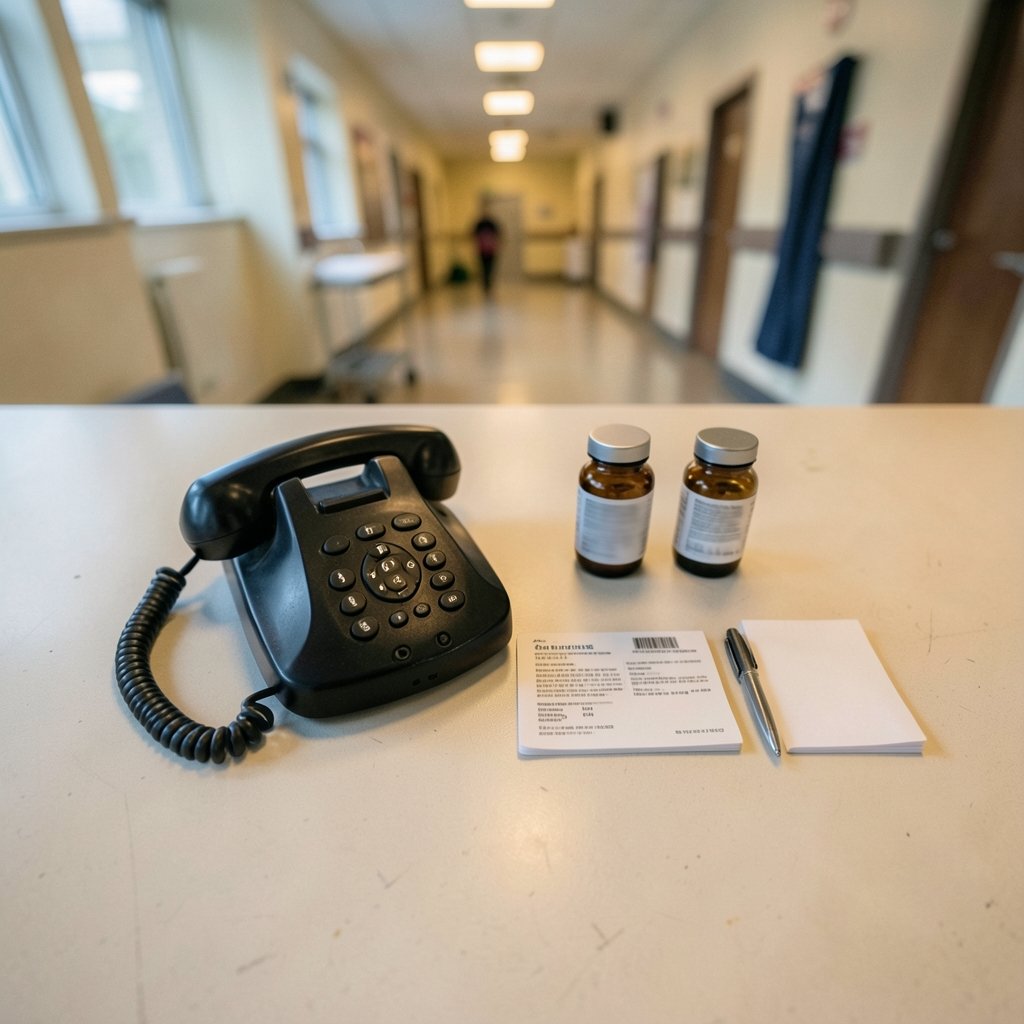
What number do you dial when your prescription is stuck in limbo, the pharmacy says your plan denied it, and nobody seems to know why? If your pharmacy benefit is managed by Optum Rx, the answer depends entirely on who you are and what you need. That single question, “what’s the Optum Rx phone number,” hides three very different phone lines: one for members, one for health care providers, and one for the employers and plan sponsors who pay the bills. Dial the wrong one and you’ll spend twenty minutes on hold only to be transferred.
This guide sorts out the confusion. It covers which number to call, what to have ready before you dial, what to do when a number no longer works, and the mistakes that send people in circles.
What Optum Rx Actually Does
Before you pick up the phone, it helps to know who you’re calling. Optum Rx is the pharmacy benefit manager, or PBM, inside UnitedHealth Group’s Optum segment. It doesn’t make drugs and it usually doesn’t own the pharmacy counter. Instead, it administers your prescription drug benefit: it builds the list of covered drugs (the formulary), negotiates prices with pharmacies, processes claims, and runs the prior authorization and appeals process.
Optum Rx was formed in 2011, when UnitedHealth Group consolidated its pharmacy businesses under the Optum brand. Today it ranks among the three largest PBMs in the United States by prescription volume, alongside CVS Caremark and Express Scripts. That scale matters to you as a caller: a company processing that many claims has a large, tiered customer service operation, and reaching the right tier is the whole game.
One more piece of context explains a lot of frustration. PBMs are regulated mainly at the state level and through federal programs like Medicare Part D and employer plans governed by ERISA. There is no single federal agency that handles PBM complaints, which is why the right contact route shifts depending on whether your plan comes from an employer, a Medicare Part D sponsor, or a state program. For a plain-language overview of what a PBM does and how Part D plans handle customer service, the official Medicare program information is a useful starting point. (HIPAA privacy and security rules overview (HHS))
The Member Phone Number: Where to Look First

Here’s the advice that saves the most time: call the number printed on your pharmacy ID card before anything else. Plan-specific customer service lines can differ from the general Optum Rx line, and the card number routes you straight to the team that actually administers your specific benefit. A general number may connect you to a representative who then has to look up your plan anyway.
If you don’t have your card handy, the authoritative source is the official Optum Rx contact page. Numbers for large PBMs get reassigned and consolidated over time, so treat any number you find online, including in articles like this one, as a starting point rather than gospel. Check the official site and note the date you checked it. Saying “as listed on the official contact page this month” is a habit worth building.
A general member services line has historically been published for Optum Rx, but because numbers change, this article deliberately avoids presenting one as current. The safer path is always the card, then the official contact page.
What to Have Ready Before You Dial
The quality of your call depends heavily on preparation. Have these items in front of you:
- Your member ID number and group number from the pharmacy ID card.
- The prescription number, drug name, and strength in question.
- The date the prescription was submitted and the pharmacy’s phone number.
- Any rejection message or code the pharmacy showed you.
- A pen and paper, or a notes app, to record the representative’s name, the date, the time, and any reference number.
That last item is not busywork. If a problem drags on and you need to escalate, a log of who told you what and when is the difference between a resolved claim and a month of repeated explanations.
Member, Provider, or Plan Sponsor: Three Different Lines
The ambiguity in “the Optum Rx phone number” trips up a lot of people. Optum Rx runs separate contact channels for different audiences, and each one has its own queue, hours, and expertise.
| Caller | What they need | Best first step |
|---|---|---|
| Member or patient | Claim status, prior authorization, appeals, drug coverage | Number on the pharmacy ID card |
| Prescriber or pharmacy staff | Prior authorization status, formulary alternatives, claim overrides | Provider services line listed on the official contact page |
| Employer or plan sponsor | Plan setup, reporting, benefit design questions | Assigned account team or client services line |
If you’re a patient and you call the provider line, you’ll usually be redirected. If you’re a prescriber’s office and you call member services, you may be told the information can’t be shared. Matching the audience to the line is the single biggest time-saver in this whole process.
Common Reasons People Call Optum Rx
Most member calls fall into a handful of categories. Knowing which one you’re in helps you frame the call.
Prior authorization delays. A drug needs extra approval before the plan will cover it. The prescriber’s office usually initiates this, so your first call may be to the doctor rather than the PBM. Ask the pharmacy whether the request has been submitted and when.
Claim rejections at the counter. The pharmacy’s system says the plan won’t pay. Sometimes it’s a formulary issue, sometimes a timing or eligibility problem, and sometimes a simple data mismatch. The rejection code tells the representative almost everything.
Coverage exceptions and appeals. If a drug isn’t on the formulary or has restrictions, you or your prescriber can request an exception. These requests have deadlines and documentation requirements, so ask specifically what’s needed and how long the review takes.
Lost cards and account access. A surprisingly common reason for calling. If your issue is actually about regaining access to an online account rather than a prescription, a guide on how to recover a Gmail account without a phone number can help you sort out the verification side of account recovery while you wait on the pharmacy benefit question.
Travel and vacation supplies. Going abroad or away for an extended period? Ask about vacation overrides and whether your plan allows early refills.
When the Number Doesn’t Work or Nobody Answers
Long hold times are the norm at large PBMs, especially early in the week and during open enrollment season. A few practical moves help:
Call early in the morning on a Tuesday or Wednesday rather than Monday, which tends to be the busiest day. Use any callback option offered rather than staying on hold. If the automated menu keeps looping, press the option for “pharmacy” or “claims” rather than “member services,” since those queues sometimes connect faster.
If your call gets disconnected, that’s a signal to document everything and try a different channel. Many issues that seem to require a phone call, like checking claim status or requesting a formulary exception form, can be handled through the member portal. If you’re also dealing with a phone that’s misbehaving while you’re trying to sort this out, a guide to what the SOS status bar message on your phone actually means can save you from blaming the network for a problem that isn’t one.
And if you’re switching devices while managing a health issue, make sure your care team’s numbers survive the move. A walkthrough on how to transfer contacts to a new phone without losing a single name is worth ten minutes before you need to make an urgent call.
Mistakes That Cost People Time
The most common error is calling a general number when the ID card has a plan-specific one. The second is calling without the rejection code or prescription number, which forces the representative to start from scratch. The third is failing to write anything down. The fourth, and the most costly, is assuming a number found on a forum or an old bill is still active. PBMs consolidate and reassign lines regularly, so a number that worked two years ago may now route somewhere unexpected. (Recover gmail account without phone number)
A fifth mistake deserves its own mention: confusing a pharmacy benefit problem with a phone problem. If your phone can’t hold a call, no amount of redialing fixes the claim. Sometimes the practical fix is a second number that works reliably, and a guide on how to get a virtual phone number that actually works can help you keep a stable line for hold music and callbacks.
Escalation: What to Do When the First Call Fails
If a claim or appeal has stalled after a reasonable attempt, escalate deliberately rather than repeatedly. Ask the representative for a reference number and a timeline. Then ask what the next level of review is and how to request it in writing. For employer plans, your HR benefits contact can often push internally in ways you cannot. For Medicare Part D plans, the plan’s formal grievance and appeals process has defined steps and deadlines, and the plan must tell you about them when you ask.
Keep a simple log with four columns: date, who you spoke with, what they said, and what happens next. It feels bureaucratic until the day it wins your appeal.
Conclusion
The Optum Rx phone number isn’t one number, and treating it as one is why so many calls end in transfers and hold music. Start with the number on your pharmacy ID card. If you don’t have it, check the official Optum Rx contact page and note the date, because these numbers move. Match your role to the right line, bring your member ID, prescription number, and rejection code, and write down everything. Do that, and the call you dread becomes a fifteen-minute errand instead of an afternoon lost.
FAQ
What is the main Optum Rx phone number for members?
The most reliable number is the one printed on your pharmacy ID card, because it routes you to the team that administers your specific plan. General member services numbers published by Optum Rx have changed over time, so check the official contact page and note when you checked rather than relying on a number from an old bill or a forum post.
Can I call Optum Rx about a prior authorization?
Yes, but the prescriber’s office usually has to start the request. Call the pharmacy first to confirm whether the prior authorization was submitted and when. If it was, member services can tell you the status. If it wasn’t, your doctor’s office needs to initiate it before the PBM can review anything.
Why does the pharmacy say my prescription isn’t covered?
Common reasons include the drug not being on the plan’s formulary, a step therapy or quantity limit requirement, a prior authorization that hasn’t been completed, or an eligibility or data mismatch. Ask the pharmacy for the exact rejection code. That code lets a representative identify the problem quickly instead of guessing.
What should I have ready before calling?
Have your member ID and group number, the prescription number, the drug name and strength, the date it was submitted, the pharmacy’s phone number, and any rejection message. Keep a pen handy to record the representative’s name, the date and time, and any reference number they give you.
What if I need help urgently and it’s a medical emergency?
A pharmacy benefit manager does not provide emergency medical services. For a medical emergency, call 911. For a mental health crisis, call or text 988 to reach the Suicide & Crisis Lifeline. Save PBM phone lines for coverage, claims, and authorization questions.
Do Optum Rx phone numbers change?
They can. Large PBMs periodically consolidate and reassign phone lines, and plan-specific numbers may differ from general ones. That’s why the safest approach is always the number on your ID card first, then the official contact page, with a note of the date you verified it.



