
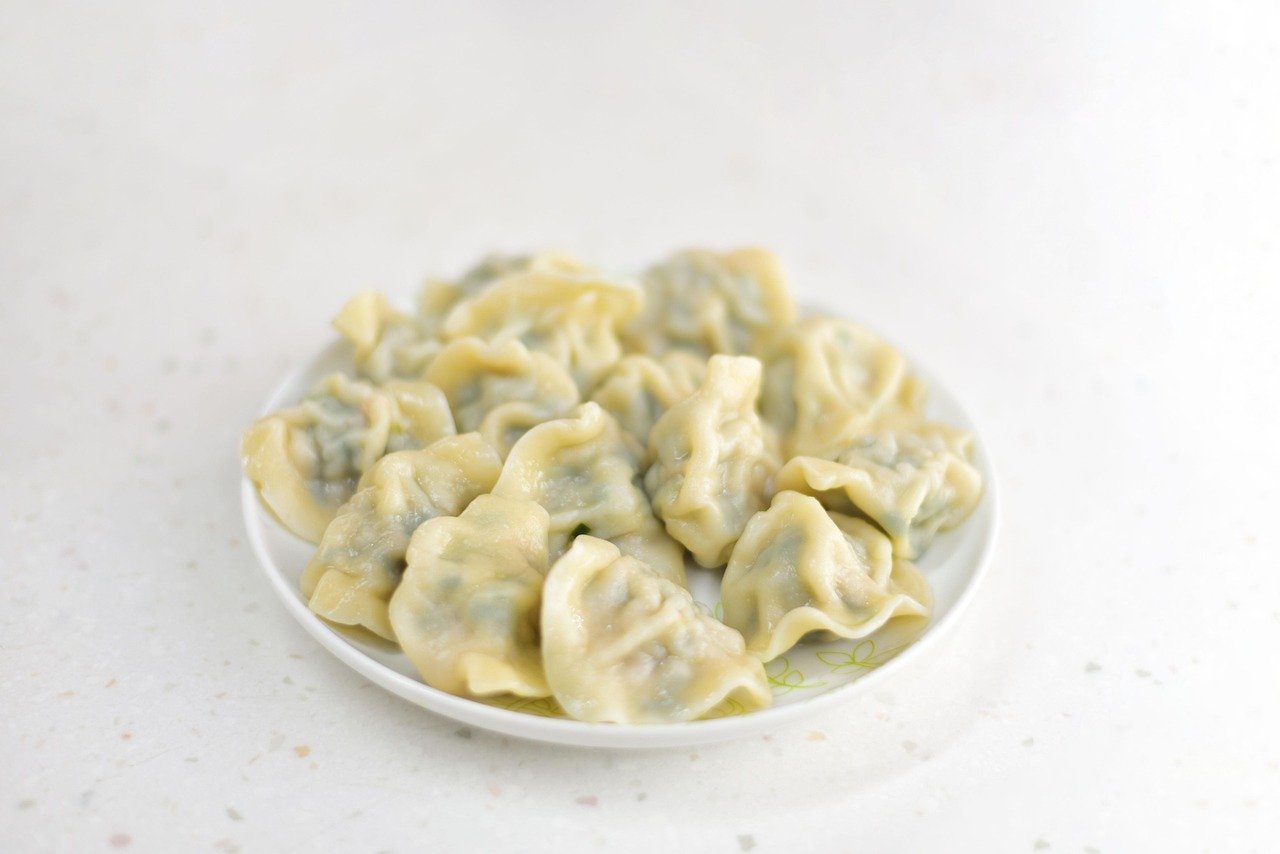
What makes a Chinese restaurant worth the drive when there are four closer ones? That question sounds simple, but the answer is buried in regional cooking styles, health inspection records, menu translation quirks, and the way search engines decide what to show you. Anyone typing “best chinese food near me” into a phone is really asking three things at once: what kind of Chinese food do I want, which nearby kitchens do it well, and how do I tell the difference before I spend money on a meal? (Chinese cuisine)
This guide breaks that question apart. It covers the major regional traditions you are likely to encounter, how local search actually works, what public records can tell you about a restaurant’s kitchen, and the menu terms that separate a great meal from a forgettable one.
Why “Near Me” Results Vary So Much Between People
Two people on the same street can search the same phrase and get different lists. Google’s own documentation on local search explains that “near me” queries are served through local and map results that depend heavily on the searcher’s location signal and other context. That means the top result on one phone may not be the top result on another, even a block away.
Delivery apps add another layer. Rankings inside those apps are shaped by engagement signals and paid placement alongside relevance, so the first restaurant you see is not automatically the best one. Treat any in-app list as a starting point for research, not a verdict.
There is also a methodological problem with the word “best” itself. Aggregator lists use wildly different criteria: some rank by review volume, some by star average, some by editorial picks, and some by who paid. No shared standard exists. A restaurant with 40 reviews and a 4.8 average is not directly comparable to one with 4,000 reviews and a 4.2 average, because the larger sample includes years of staff turnover and kitchen changes.
The practical takeaway: run the search, then verify. Cross-check at least two sources before committing to a drive.
Know the Regional Styles Before You Choose
“Chinese food” in the West is not one cuisine. It is a family of regional traditions, each with its own pantry and technique, plus a separate layer of diaspora adaptations that developed abroad. Knowing which tradition a restaurant leans toward tells you more about the food than any star rating.
| Style | Flavor signature | Dishes to look for |
|---|---|---|
| Cantonese | Clean, savory, gentle sweetness | Roast duck, char siu, steamed fish, dim sum |
| Sichuan | Ma la: numbing and hot together | Mapo tofu, dan dan noodles, water-boiled fish |
| Hunan | Sharper heat, more acid and smoke | Stir-fried pork with chilies, smoked meats |
| Shanghainese | Sweet-savory, braised, rich | Red-braised pork belly, xiao long bao |
| Northern | Wheat-based, dumplings and noodles | Hand-pulled noodles, boiled dumplings, scallion pancakes |
The Chinese American restaurant repertoire most people grew up with traces largely to Cantonese immigration during the nineteenth century, starting around the California Gold Rush and continuing through the exclusion era. Dishes like General Tso’s chicken, chop suey, and crab rangoon are diaspora inventions rather than standard mainland dishes. Their exact origin stories are contested among food historians, so treat any single “invented by one chef on one night” tale with mild skepticism.
That history matters when you choose. A neighborhood spot with a long American Chinese menu is not a lesser restaurant; it is a different one. If you want dumplings and hand-pulled noodles, look for a northern kitchen. If you want heat with numbing depth, look for Sichuan.
The Ma La Signal
Sichuan cooking’s signature is ma la, the combination of numbing and spicy. The numbing tingle comes from hydroxy-alpha-sanshool, a compound in Sichuan peppercorns. The pepper was barred from US imports for decades over a citrus-canker plant-health concern before the restriction was lifted in the mid-2000s, which is part of why older American Chinese menus lean sweet rather than numbing. If a menu lists “numbing” as a flavor option, that is usually a sign of a kitchen cooking to a regional tradition rather than a generic one.
Use Public Records to Judge the Kitchen
Here is the tip that separates experienced diners from lucky ones: check the inspection record before you check the reviews. In many US jurisdictions, restaurant inspection results are published by city or county health departments, and in the UK the Food Standards Agency runs a public Food Hygiene Rating Scheme scored from 0 to 5. A quick lookup tells you more about day-to-day kitchen practice than a hundred photos of noodles.
The same logic applies to any food business you are vetting. If you widen your search beyond Chinese food, the same discipline works for other cuisines and services: people hunting for best thai food near me or the best mexican food in near me benefit from the same cross-check of records and reviews. The habit transfers, and so does the payoff. (Leftovers and Food Safety)
A few practical notes on reading inspection data:
- Look at the trend, not a single score. One low grade followed by three strong ones points to a fix; the reverse points to drift.
- Read the violation descriptions along with the letter grade. A paperwork issue and a temperature-control issue are different problems.
- Check the date. A 2019 score says nothing about the kitchen today.
Read the Menu Before You Order
Menu language is where good intentions go wrong. Romanization is inconsistent across restaurants, and translation apps frequently mangle dish names. A short glossary saves a lot of disappointment.
- Dim sum: Cantonese small plates, traditionally a daytime meal. If a restaurant serves dim sum at dinner, ask whether it is made fresh or reheated.
- Char siu: Cantonese barbecue pork, usually glazed and roasted. Good versions have a lacquered edge, not a uniform red.
- Mapo tofu: Silken tofu in a spicy, numbing sauce, traditionally with minced meat or fermented bean paste.
- Dan dan noodles: Noodles with a sesame and chili sauce, often topped with minced pork.
- Xiao long bao: Soup dumplings. The soup is inside. If the wrapper is thick and the filling dry, the kitchen rushed it.
One common mistake: assuming a dish labeled “spicy” will actually be spicy. Many kitchens calibrate heat for a broad local audience. If you want the real thing, say so plainly and ask what heat level the kitchen cooks for itself.
Match the Restaurant to the Occasion
Not every search has the same goal. A quick solo lunch, a group dinner with mixed spice tolerance, and a takeout order for a family with allergies are three different problems. Matching the format to the occasion avoids most bad experiences.
| Occasion | What to prioritize | What to avoid |
|---|---|---|
| Solo weekday lunch | Speed, lunch specials, turnover | Elaborate banquet menus |
| Group dinner | Shared plates, varied heat levels | Dishes that only work family-style |
| Takeout | Packaging, travel time, sauce separation | Fried items that steam in the box |
| Dietary restrictions | Clear allergen answers, staff fluency | Buffets with unlabeled dishes |
For takeout, fried and saucy dishes degrade fastest. Noodle dishes hold up better than crisp items, and steamed dishes travel better than anything battered. If you are ordering for a crowd, mix one or two crisp dishes with several that survive a box.
Ask About Allergens Directly
Chinese menus lean heavily on soy, wheat, peanuts, shellfish, and sesame, which happen to overlap with the most common allergens. In the US, the FDA lists nine major food allergens, with sesame added to the labeling rules effective January 1, 2023. In the EU and UK, a broader set of 14 allergens must be declared. Rules differ by country, so do not assume one jurisdiction’s protections apply in another.
Two practical habits help. First, ask about specific ingredients rather than the vague question “is this safe?” Second, know that soy sauce typically contains wheat, and oyster sauce is not vegetarian. A dish that looks gluten-free or vegetarian on the menu often is not.
Watch for the Signals of a Kitchen That Cares
Reviews and records only go so far. In the room, a handful of signals tell you quickly whether the kitchen is cooking with attention.
Menu focus. A long menu spanning five regions usually means a lot of prep from a freezer. A shorter menu, or a long menu with a clearly regional “chef’s section,” is a better sign.
Turnover. Busy tables at odd hours suggest a local following, which is the strongest signal available.
The clientele. If diners from the cuisine’s home region are eating there in numbers, the kitchen is probably cooking for people who know the food.
Special requests. Asking for a dish off the Americanized track, or asking for real heat, reveals how the kitchen responds. A confident kitchen says yes or offers an alternative. A defensive one pushes you back to the safe list.
These signals are not proof of quality, but they are fast, free, and surprisingly reliable.
Avoid These Common Mistakes
Most disappointing meals trace back to a few predictable errors.
- Trusting a single star rating. A 4.9 from twelve reviews is noise. Look at volume and recency.
- Ordering the same three dishes everywhere. General Tso’s chicken tells you almost nothing about a kitchen’s range. Order one regional specialty and one house favorite.
- Ignoring the day and hour. Dim sum at 2 pm on a Tuesday is a different experience from dim sum at 10 am on a Sunday.
- Skipping the phone call. A thirty-second call about hours, reservations, or allergens prevents most wasted trips.
- Assuming “authentic” means better. It means closer to a specific tradition. Whether that is better depends on what you want.
The same research discipline applies when you branch out. Diners looking for the best empanada de jamon y queso near me or a reliable plate of callos a la madrilena near me use the same playbook: check the record, read the menu carefully, and let the room tell you the rest.
Conclusion
Finding the best Chinese food near you is less about luck and more about knowing what you are looking at. Local search results shift with location and paid placement, so the first name on the list deserves a second look. Regional traditions tell you what a kitchen is actually trying to cook. Public inspection records tell you how it operates day to day. Menu vocabulary tells you whether the dumplings are worth ordering. Put those three checks together, match the restaurant to the occasion, and ask about allergens directly, and the odds of a great meal go up sharply. The best restaurant near you is rarely the loudest one online. It is usually the one with a focused menu, a busy room, and a clean record.
Frequently Asked Questions
Why do I get different “near me” results than my friend?
Local results depend on each searcher’s location signal and other context, so two phones on the same street can show different lists. Delivery apps also factor in paid placement and engagement alongside relevance.
What is the difference between Sichuan and Hunan cooking?
Sichuan cooking emphasizes ma la, the combination of numbing Sichuan peppercorn and chili heat. Hunan cooking tends to be sharper and more direct, with acid, smoke, and fresh chilies rather than numbing spice.
Is General Tso’s chicken actually Chinese?
It is a diaspora invention, developed in Chinese communities abroad rather than a standard mainland dish. Its exact origin story is contested among food historians, so most accounts are best treated as commonly attributed rather than settled.
How can I check whether a restaurant kitchen is clean?
Look up public inspection records. Many US cities and counties publish inspection results, and the UK Food Standards Agency runs a public hygiene rating scheme scored from 0 to 5. Read the violation details and the date along with the headline score.
What should I ask if I have a food allergy?
Ask about specific ingredients rather than a general safety question. Soy sauce usually contains wheat, oyster sauce is not vegetarian, and sesame is now a labeled major allergen in the US, while the EU and UK require declaration of 14 allergens.
How do I order genuinely spicy food?
Say plainly that you want the kitchen’s real heat level and ask what it cooks for itself. Many restaurants calibrate spice for a broad local audience, so a dish labeled spicy may arrive mild unless you ask directly.
What is the best way to choose between two nearby Chinese restaurants?
Compare menu focus, inspection history, and recent review volume rather than star averages alone. A shorter, regionally focused menu and a busy room at odd hours are stronger signals than a high rating built on a dozen reviews.



