
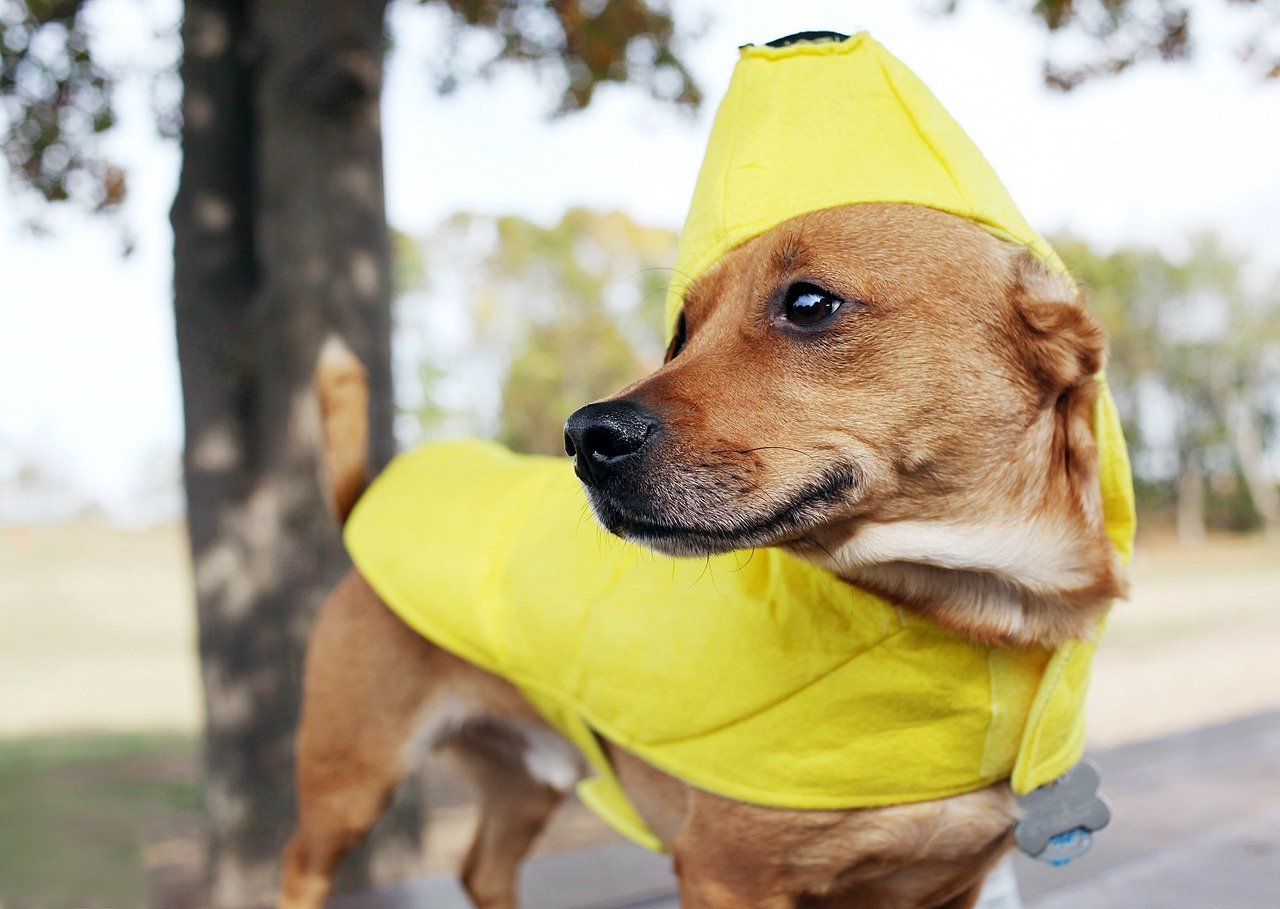
Quick Answer: Can dogs have bananas?
Yes. Plain, peeled banana flesh is a safe occasional treat for most dogs, and it can be mashed into a bowl, frozen in small pieces, or tucked inside a food toy. The fruit is not toxic, but it is sugary and calorie-dense, so small portions matter more than most owners expect.
The bigger risk is the peel, which is tough, hard to digest, and a genuine choking and blockage hazard, especially for small breeds. Bananas are also a poor fit for dogs with diabetes or weight problems, and they should never replace a complete balanced diet.
Before feeding, check your dog’s size and weight, daily calorie needs, any medical conditions, the treat allowance within the diet, and whether the peel, stem, or choking-sized chunks are fully removed.
Why Bananas Are Usually Fine, But Not Free
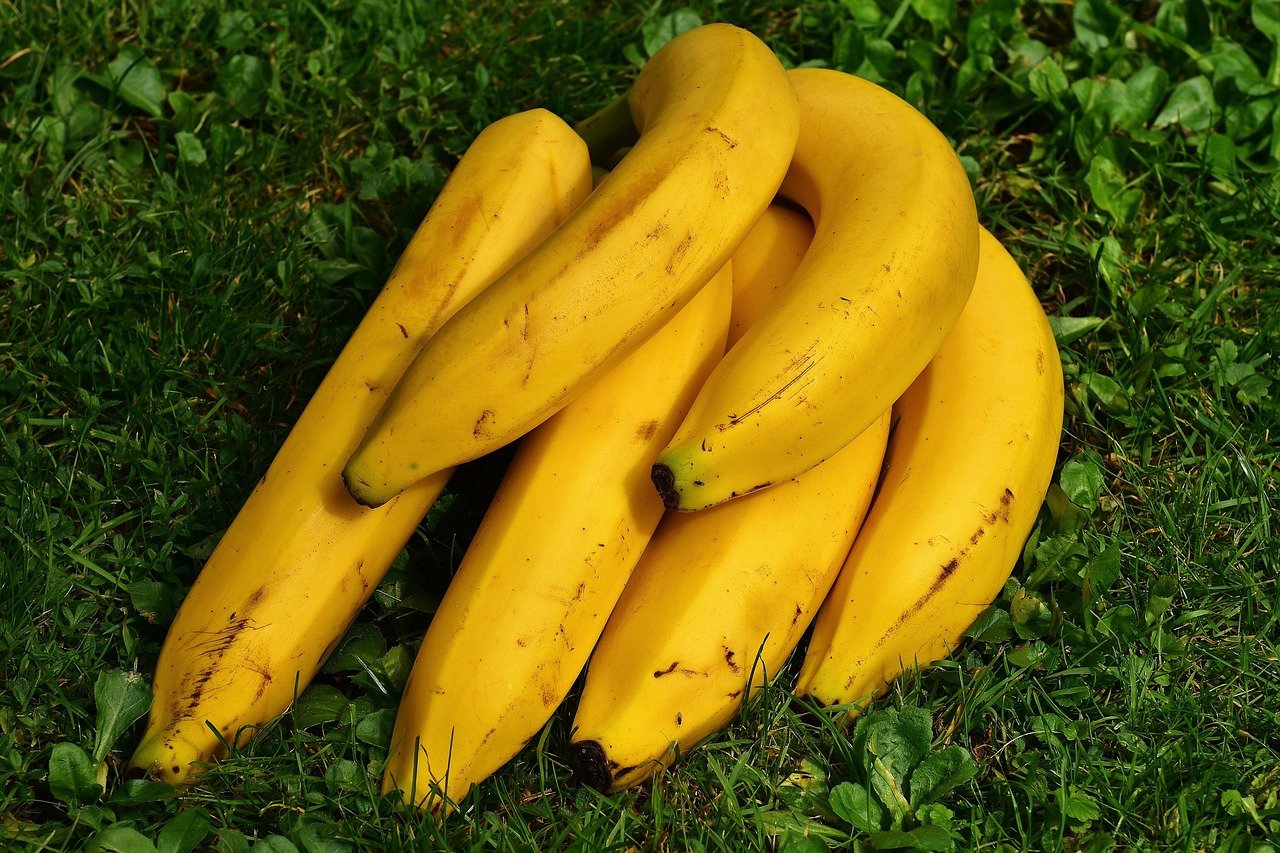
Bananas have a friendly reputation. They are soft, sweet, portable, and they show up in lunchboxes and smoothies everywhere. So it makes sense that owners glance at a dog’s hopeful face and wonder whether a piece is harmless.
Mostly, it is. Banana flesh is not on the list of foods known to be toxic to dogs, and it does not contain the compounds that make chocolate, grapes, or onions dangerous. That is the reassuring part. The less reassuring part is that “not toxic” and “good for your dog” are two very different claims, and banana sits firmly in the first camp while only loosely belonging to the second.
Think of banana as a treat with a job description: it is a reward, a distraction, or a way to deliver a pill. It is not a supplement, and it is definitely not a meal replacement. Once you frame it that way, the rest of the guidance falls into place.
What Is Actually Inside a Banana?
Nutritionally, banana is mostly water and carbohydrate, with a modest amount of fiber and very little protein or fat. It carries potassium, vitamin B6, and vitamin C, which are all nutrients dogs need. That sounds impressive until you remember that a complete commercial dog food already supplies these things in balanced proportions.
The catch is sugar. A ripe banana is sweet because its starch has converted to simple sugars, and dogs have no nutritional need for added sugar of any kind. A treat that is mostly sugar delivers calories without much else, which is why portion size does most of the work here.
There is also a texture issue that rarely gets mentioned. Banana is sticky. Small pieces can cling to the roof of a dog’s mouth or get gulped whole by a fast eater, so how you serve it matters almost as much as how much you serve.
How Much Banana Is Safe for a Dog?
There is no single official standard for banana portions, and reputable sources give slightly different answers. That is not a sign that the advice is unreliable; it reflects the fact that a Chihuahua and a Great Dane have wildly different calorie needs. The practical approach is to scale the treat to the dog.
| Dog size | Rough guide per serving | Notes |
|---|---|---|
| Toy and small breeds (under 10 kg) | 1 to 2 small slices | Cut into pea-sized pieces to reduce choking risk |
| Medium breeds (10 to 25 kg) | 2 to 4 slices | Best spread across the day, not given at once |
| Large and giant breeds (over 25 kg) | Up to about a third of a medium banana | Still occasional, not daily by default |
A useful frame is the treat allowance. Common veterinary nutrition guidance suggests treats should make up no more than roughly 10 percent of a dog’s daily calories, with the rest coming from a complete diet. A banana slice is not free calories; it counts against that budget alongside every biscuit and chew.
For a small dog on a weight-management plan, two slices can be a meaningful chunk of the daily allowance. For a large, active dog, a few slices barely register. Weigh the banana if you are being strict, or simply err on the small side. Too little banana has never harmed a dog.
The Peel Is the Real Problem
If there is one rule to remember, it is this: peel the banana. The skin is fibrous, tough, and difficult for a dog’s digestive system to break down. In small dogs, a chunk of peel can lodge in the throat or cause an intestinal obstruction that requires surgery. The stem is even worse.
Owners sometimes report that their dog ate a discarded peel with no ill effect, and that is entirely possible. Dogs are scavengers, and a single small piece may pass through without drama. But “it worked out once” is not a feeding strategy, and the downside is expensive and painful. Keep peels in the bin, not on the floor, and be mindful of compost bins and kitchen counters.
The same logic applies to banana-adjacent products. Banana bread, banana muffins, and banana chips are not dog treats. They usually contain sugar, butter, oil, salt, or raisins, and raisins are genuinely toxic to dogs. Plain flesh only. (Nano banana 2 1 launches halves image price 2026) (Banana)
How to Serve Banana Without the Mess
Preparation is where most of the practical mistakes happen. A few habits make banana safer and easier to manage.
- Peel the fruit fully and remove the stem before anything else.
- Slice into thin rounds, then quarter each round for small dogs.
- Serve at room temperature rather than ice-cold from the fridge.
- Introduce one small piece first and watch for any reaction over the next day.
- Count the treat against the daily allowance rather than adding it on top.
Freezing is a popular option, and it works well in summer. Freeze small slices on a tray, then offer one at a time. For a longer-lasting distraction, mash a spoonful into a rubber food toy and freeze it. Avoid whole frozen chunks, which can be a choking hazard for enthusiastic eaters.
Mashing is underrated. A fork-mashed tablespoon stirred into regular food is a good way to disguise a pill, and it slows down dogs that inhale their meals. If your dog has a sensitive stomach, keep the amount tiny and avoid stacking new foods in the same week.
Common Mistakes Owners Make
A few patterns show up again and again, and each one is easy to fix once you know about it.
Assuming a whole banana is one treat. It is not. A whole medium banana is a lot of sugar for most dogs, and splitting it across several days is the sensible move.
Sharing from the table. Feeding banana while you eat teaches begging and makes it hard to track how much the dog has actually had. Put the treat in the bowl instead.
Ignoring the calorie math. A dog that gains weight on treats is a dog whose portions crept up quietly. If the waistline is disappearing, cut the treats before cutting the main food.
Forgetting the counter surfers. Some dogs will happily pull a bunch of bananas off the counter and eat the peels too. Store them out of reach.
Using banana as a fix for constipation. Fiber in banana is modest, and too much can backfire. A vet should guide any dietary change for digestive issues.
If you are building a mental list of safe human foods, it helps to compare notes across fruits. The same cautious, small-portion logic that applies here shows up in guidance on other kitchen scraps, such as this practical breakdown of whether dogs can eat strawberries and how to feed them safely. The pattern is consistent: plain fruit, small amounts, no added sugar, and always count the calories.
When Banana Is a Bad Idea
For some dogs, banana should be skipped entirely or cleared with a veterinarian first.
Dogs with diabetes need tight control over sugar intake, and sweet fruit complicates that. Dogs carrying excess weight benefit from treats that are low in calories, and banana is not one of them. Dogs with a history of pancreatitis or sensitive digestion may react to new foods, even mild ones.
Puppies are a separate case. They have small stomachs and high nutritional demands, and treats should be a tiny fraction of what they eat. A single slice is plenty for most puppies, and some owners skip fruit entirely until the dog is grown.
Finally, any dog with a known food allergy or an elimination diet in progress should not be given new foods without veterinary sign-off. A treat that muddies the results of a diet trial is a costly mistake.
What to Do If Your Dog Ate a Banana Peel
Stay calm and assess the situation. Most single small peel incidents in medium or large dogs resolve without intervention, but the risk profile changes with size and quantity.
Watch for vomiting, gagging, drooling, retching, abdominal discomfort, or straining to defecate. These can signal a blockage or irritation. Small dogs and puppies warrant a call to a vet sooner rather than later, and any dog showing repeated vomiting or obvious distress should be seen promptly.
Do not induce vomiting unless a veterinarian tells you to. It can cause more harm than good with tough, fibrous material. Have the dog’s weight and an estimate of how much peel was eaten ready when you call.
Conclusion
Bananas are safe for most dogs in small, peeled, occasional portions, and they make a convenient treat for training, pill time, or a hot afternoon. The fruit is not toxic, but it is sugary and calorie-dense, so a slice or two is usually the right size and a whole banana is usually too much.
The peel is the part that causes real trouble, and it belongs in the bin. Keep portions scaled to your dog’s size, count banana against the daily treat allowance, and skip it altogether for dogs with diabetes, weight concerns, or a sensitive gut. When in doubt, ask your vet, and start small. A dog that gets a single slice now and then is a happy dog, and a healthy one.
Frequently Asked Questions
Can puppies eat bananas?
Yes, in very small amounts. A puppy’s stomach is small and its nutritional needs are high, so a pea-sized piece or a thin slice is enough. Peel it fully, cut it small to prevent choking, and treat it as a rare reward rather than a routine food. Ask your vet if your puppy is on a special diet.
Are banana chips or dried banana safe for dogs?
Generally no. Banana chips are usually fried or coated in sugar and oil, and dried banana is concentrated sugar with a chewy texture that can be a choking risk. Plain fresh banana is the better choice. Check labels carefully, since some dried fruit mixes include raisins, which are toxic to dogs.
Can dogs eat banana bread?
It is best avoided. Banana bread typically contains sugar, butter, oil, and sometimes raisins, chocolate, or nuts, none of which belong in a dog’s diet. A tiny crumb is unlikely to cause harm, but it should not become a habit. Keep baked goods out of reach.
Does banana help with dog constipation?
Not reliably. Banana contains some fiber, but it is not a treatment for constipation, and feeding too much can upset digestion. If your dog is straining or has not passed stool normally, speak to a veterinarian rather than experimenting with food.
How often can a dog have banana?
Once or twice a week is a reasonable rhythm for most healthy dogs, in small portions. Some owners give a slice daily as a training reward, which is fine if the total treat intake stays within about 10 percent of daily calories. Rotate with other low-calorie treats to keep the diet varied.
Is the banana peel really dangerous for dogs?
Yes, it can be. The peel is tough, fibrous, and hard to digest, and in small dogs it can cause choking or an intestinal blockage. The stem is equally risky. Remove both before feeding, and keep peels, compost, and bins out of reach of determined scavengers.



