
Quick Answer: What would u do tv show?
The “What Would You Do?” TV show is an American hidden-camera program that stages ethical dilemmas in public places and films how ordinary bystanders react. It is best known as the ABC series hosted by John Quiñones, which began airing in 2008 and grew out of a recurring news segment concept.
The format uses actors to create morally charged scenes, such as discrimination, bullying, or dishonesty, while hidden cameras record whether strangers step in, stay silent, or join in. It shares a title with several other programs internationally, so search results often mix up different shows with similar names. (Bullying)
Before assuming a specific version, check the network, the host, the premiere year, and whether the episode is a special or part of a regular season, plus whether any revival or streaming release is currently confirmed.
!What Would You Do? TV show
Have you ever watched a stranger being treated badly and wondered whether anyone would speak up? That uncomfortable question drives one of television’s most talked-about social experiments. The What Would You Do? TV show turns that private moment of hesitation into public television, and it has sparked arguments at dinner tables for well over a decade.
The Show’s Basic Premise, Explained Simply
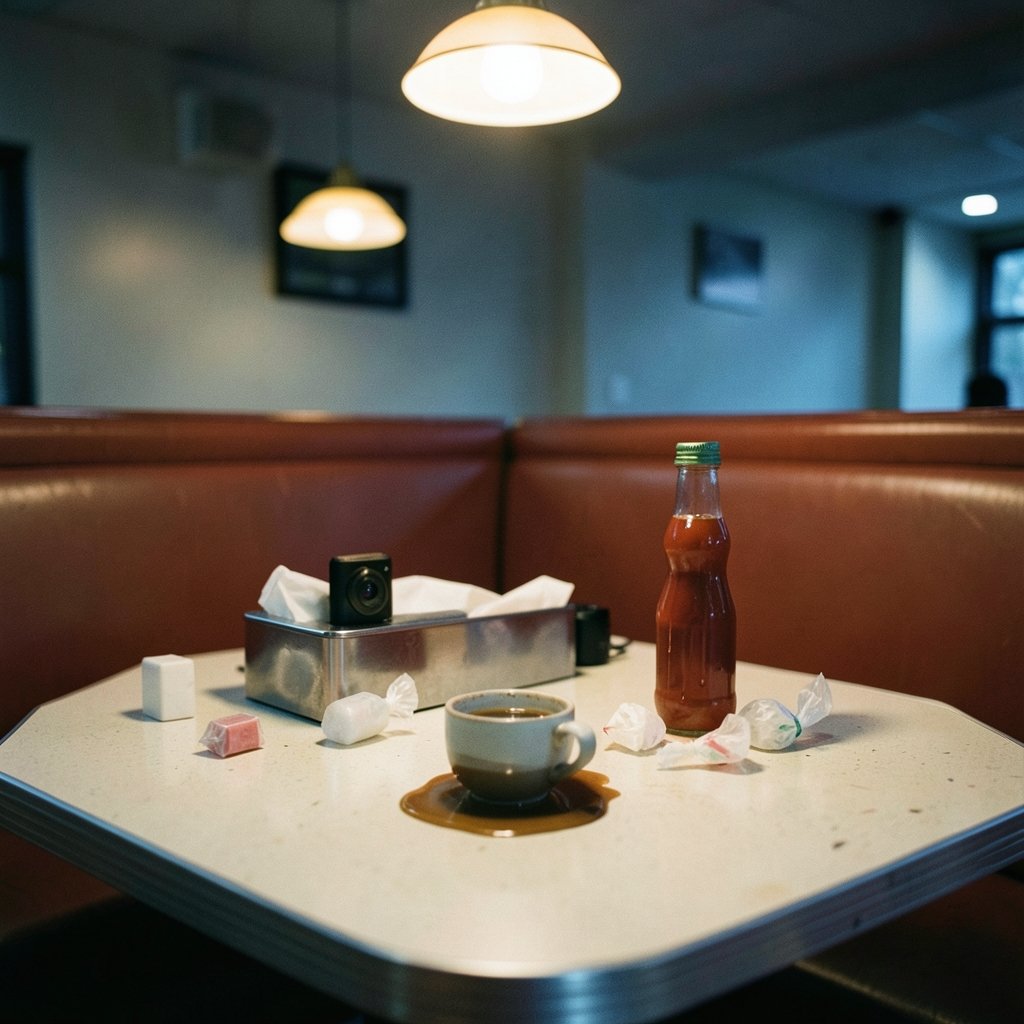
The setup is deceptively simple. A team of actors walks into a public place, like a diner, a park, or a store, and performs a scripted scene built around a moral problem. Hidden cameras capture everything. The real people nearby are not actors. They have no idea a production is happening.
The scenes are designed to push buttons. A cashier refuses service to someone because of their accent. A teenager bullies a classmate. A parent berates a child harshly. A customer pockets money that is not theirs. Then the cameras wait.
What makes the format work is the tension between knowing and not knowing. Viewers at home know it is staged. The bystanders do not. That gap turns every episode into a small study of human nature, and it is why the show gets discussed in classrooms, on social media, and around office coffee machines.
Who Hosts the Show and Where It Came From
The best-known version of the program is the ABC series hosted by John Quiñones, a longtime network correspondent. The concept began life as a recurring segment within a newsmagazine format before growing into its own program in 2008. That origin matters, because it explains the show’s slightly journalistic tone. It is not pure entertainment. It borrows the language of reporting, with narration, interviews, and a host who steps in after the scene plays out.
That reveal moment is part of the appeal. Once a bystander has acted, or failed to act, the host often appears to explain what just happened. The person’s reaction to being filmed is frequently more revealing than the scene itself. Some are relieved. Some are embarrassed. A few are angry, and their anger raises fair questions about consent.
How an Episode Actually Gets Made
The production process follows a recognizable pattern, and understanding it helps viewers watch more critically.
- Producers choose a scenario that reflects a real social tension, such as racial bias, disability discrimination, or dishonesty.
- Writers script the scene so that it feels plausible and escalates at a natural pace.
- Actors rehearse the scene and are briefed on safety limits so nothing spirals out of control.
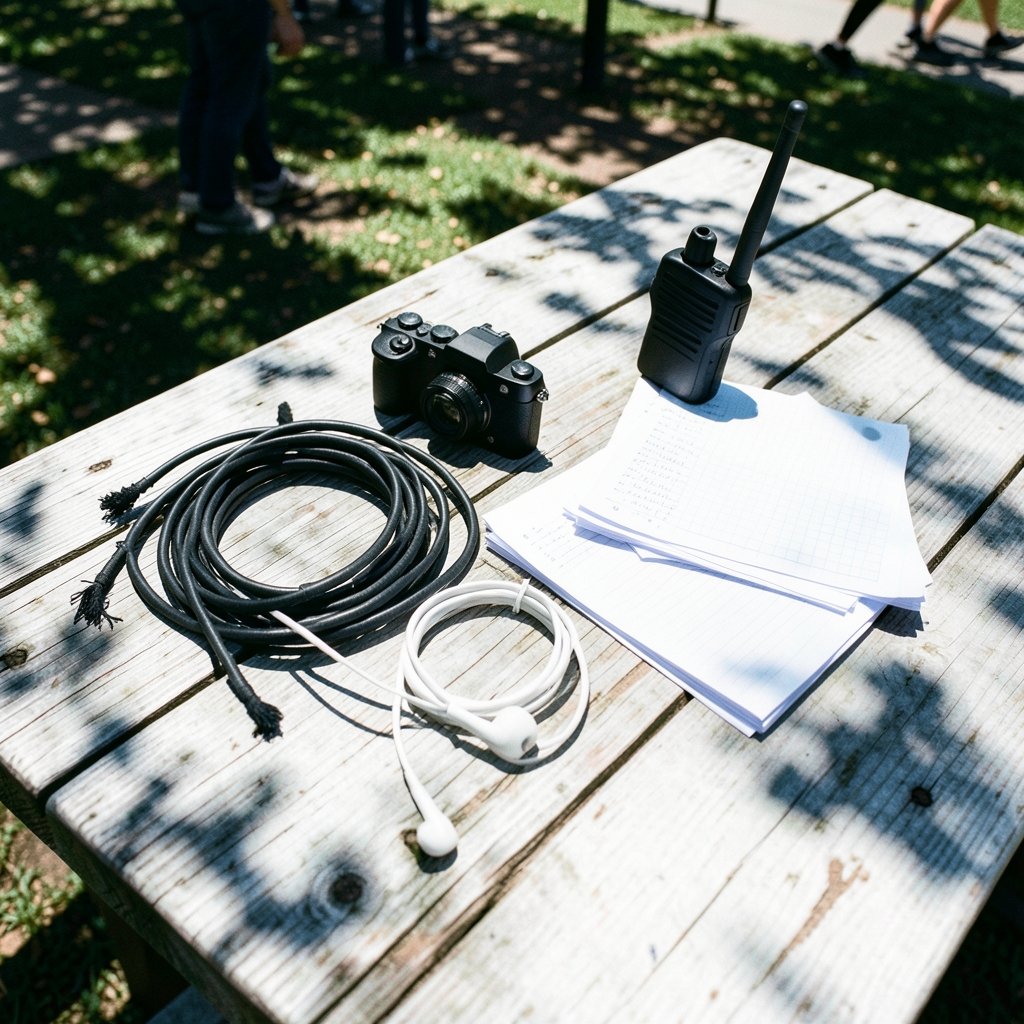
- Hidden cameras and microphones are placed in the location, often with the venue’s permission.
- Real bystanders encounter the scene and respond however they respond.
- The host or a producer approaches participants afterward to explain the setup and secure permission to broadcast.
That last step is where the ethics live. A person who reacts badly in a filmed moment faces a choice: sign a release and appear on national television, or decline. In practice, most agree, partly because the production team frames the experience as a chance to reflect. But the pressure is real, and critics point out that a person caught at their worst is not always in a position to weigh the trade-offs calmly.
Why the Show Sparks So Much Debate
The program sits at the intersection of entertainment and ethics, and that is exactly where the arguments start. Supporters say it holds a mirror up to society. It shows that most people, given the chance, do the decent thing. Episodes frequently end with bystanders intervening, and those moments can be genuinely moving.
Critics raise several concerns. Hidden cameras capture people without their knowledge, which raises privacy questions. Staged conflict can cause real distress to bystanders who believe what they are seeing. And there is a subtler issue: the show may create the impression that moral courage is a spectator sport, something to be measured and applauded rather than practiced.
The genre has a long history of this tension. Hidden-camera television has always walked a line between exposing truth and manufacturing it, and ethics guidelines in journalism have wrestled with when deception is justified. If you want to dig into how newsrooms think about recording people without consent, the Society of Professional Journalists publishes an ethics code that addresses deception and privacy directly.
The Show in the Age of Viral Clips
Short clips from the program travel far beyond the broadcast. A single scene can rack up millions of views online, stripped of its context and host narration. That changes how audiences encounter the show. Someone might see a thirty-second clip of a stranger intervening and never learn that the scene was staged.
This is worth keeping in mind. Viral clips of staged dilemmas can blur into real footage in people’s memories, and that confusion has real consequences. If you are trying to track down a specific moment, it helps to know which show you are actually looking for. There are other programs with similar titles and similar formats, and older clips resurface constantly. A good example of how quickly media artifacts get reused and reinterpreted is the way a simple phrase like “show me the money” has traveled through culture; the story behind where the phrase comes from and how it still works today shows how durable a single line can become. (Money pictures you can legally show print post)
What Viewers Actually Learn From Watching
Here is the practical takeaway. The show is a conversation starter, not a scientific study. It cannot tell you how often people intervene in real life, because the sample is chosen by producers and the situations are engineered for drama. What it can do is help you notice your own instincts.
A few things tend to hold up across episodes and across the many discussions the show has generated.
- Most people want to help. Bystanders frequently intervene, even when it is awkward or risky.
- Context changes behavior. People step in more readily when someone else has already spoken up.
- Silence is often confusion, not indifference. Many bystanders simply cannot tell whether the situation is real.
- The camera changes the room. Knowing you might be watched is not the same as being watched without knowing.
If you take one lesson from the format, make it this: in real life there is no host to step in and explain the scene. That job belongs to whoever is standing closest.
Common Mistakes People Make When Discussing the Show
Fans and critics alike tend to trip over the same few things, and clearing them up makes any conversation about the program sharper.
The first mistake is treating a staged scene as evidence of how society behaves. It is a dramatization, engineered to provoke a reaction. Useful as a mirror, unreliable as a statistic.
The second is assuming every clip with a similar title comes from the same program. Several shows and segments have used hidden-camera formats with ethical dilemmas, and the titles overlap enough to confuse casual viewers.
The third is forgetting the human beings in the frame. The person who walked away from a scene, or who said something unkind, is a real person who did not sign up to be a case study. Watching with that in mind makes the show more interesting, not less.
How the Show Compares to Other Hidden-Camera Formats
| Format type | What it captures | Typical tone | Main ethical concern |
|---|---|---|---|
| Ethical-dilemma shows | Bystander reactions to staged conflict | Serious, reflective | Consent and distress to unwitting participants |
| Prank shows | Surprised reactions to harmless tricks | Comic | Humiliation and embarrassment |
| Investigative hidden camera | Wrongdoing by businesses or officials | Journalistic | Deception justified by public interest |
| Reality competition | Contestants who know they are filmed | Competitive | Fairness and editing pressure |
The ethical-dilemma format sits closest to journalism, which is why it attracts both praise for raising awareness and criticism for borrowing journalism’s authority without its safeguards.
Practical Pointers If You Want to Watch or Discuss It
A little preparation makes the experience better. Check which version you are watching before you start, since the ABC series and similarly titled programs are easy to mix up. Watch a full episode rather than a clip, because the host’s follow-up conversation with bystanders is where much of the meaning lives. And if you are using the show in a classroom or a discussion group, pair it with a real-world perspective, such as a bystander-intervention training resource, so the conversation moves from watching to doing.
For anyone curious about how television moments get recycled into internet culture, the afterlife of a single catchphrase is instructive. The origin and staying power of the “show me the money” gif is a useful case study in how a clip detaches from its source and takes on a life of its own, which is precisely what happens to the best scenes from hidden-camera shows.
Conclusion
The What Would You Do? TV show is less a test of strangers than a test of viewers. It stages a moral problem, films the reaction, and then hands the question back to the audience. The format has lasted because that question never gets old, and because watching someone else hesitate makes us wonder what we would do with a camera rolling and a stranger in trouble.
Watch it as a prompt, not a verdict. The scenes are scripted, the sample is small, and the editing shapes what you see. But the discomfort the show produces is genuine, and that discomfort is the point. The next time you notice someone being treated badly in public, you will already have rehearsed the moment in your head. That is more than most television gives you.
Frequently Asked Questions
Is the What Would You Do? TV show still making new episodes?
That depends on which version you mean and when you are asking. The ABC series ran in various forms through 2020, and talk of revivals has circulated since. Because schedules and streaming availability change, the reliable move is to check the network’s own current listings rather than trusting an older article or a clip description.
Are the people in the scenes really actors?
The people causing the conflict are actors following a script. The bystanders who react are ordinary members of the public who have not been told a scene is staged. That split is the whole engine of the format, and it is also the source of most of the ethical criticism aimed at it.
Do participants consent to being filmed?
Not at the moment of filming, which is the core tension. Consent is usually sought afterward, when a producer explains the setup and asks permission to broadcast the footage. People can decline, though critics argue that asking someone to agree while they are still shaken is not a fair test of free choice.
Is the show scripted or real?
Both, in a sense. The dilemma itself is scripted and rehearsed by actors. The reactions of bystanders are unscripted and unpredictable. That mixture is why episodes can feel raw and honest even though the setup is manufactured.
Why do people confuse it with other shows?
The title is generic enough that several programs and segments have used similar names and similar hidden-camera formats. Search results and social clips often strip away the network, host, and year, so a viewer can easily end up watching a different show than the one they meant to find.
What is the main criticism of hidden-camera dilemma shows?
The main concerns are privacy, informed consent, and the risk of causing genuine distress to people who believe the situation is real. There is also a broader worry that the format turns moral courage into entertainment, rewarding viewers for judging bystanders instead of practicing the same courage themselves.



