
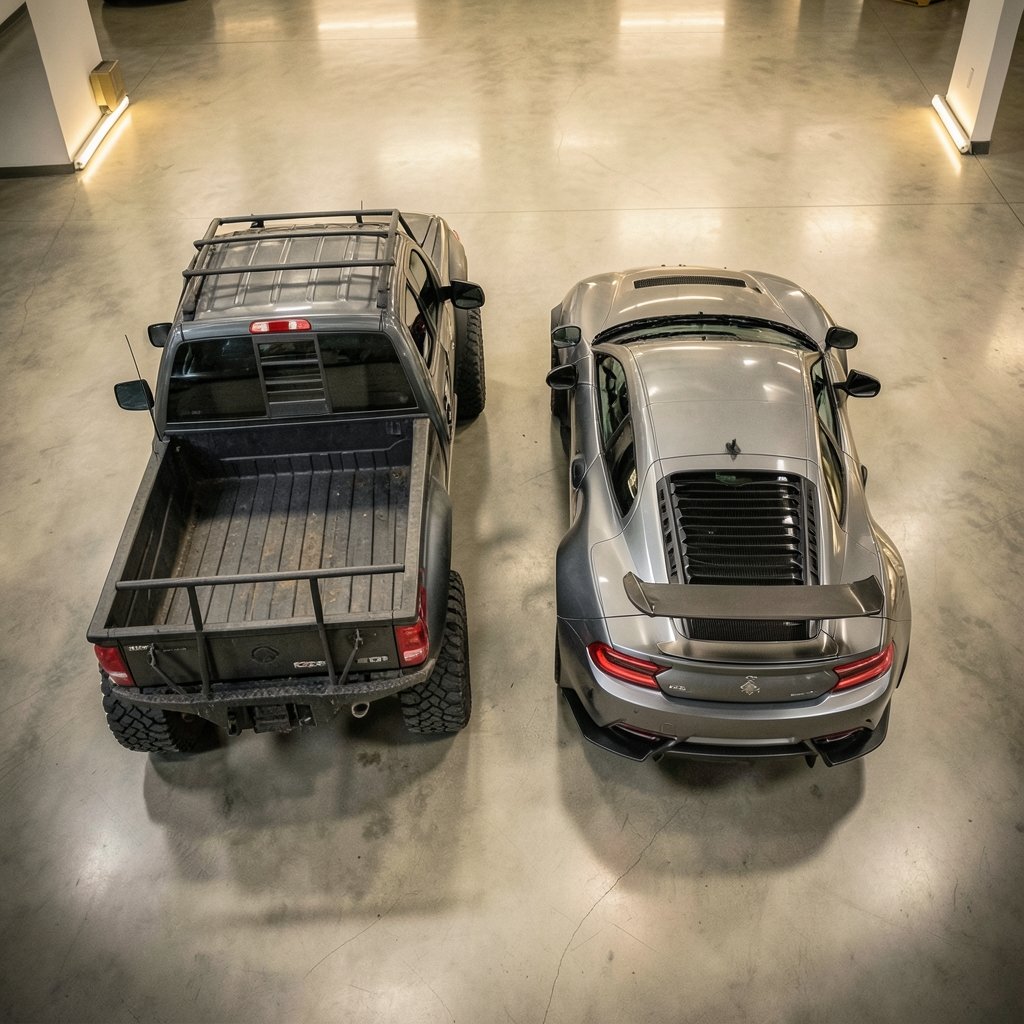
Ever spotted a Tacoma with a big “TRD” decal on the bed and wondered whether it’s a real performance model or just a sticker package? You’re not alone. Toyota TRD is one of the most misunderstood badges in the car world, partly because it means different things on different vehicles, and partly because Toyota’s own performance branding has shifted over the years. This article breaks down what TRD actually stands for, where it came from, how it relates to Gazoo Racing, and what you should realistically expect if you’re shopping for a TRD-badged vehicle or a TRD accessory.
What Does TRD Stand For?
TRD stands for Toyota Racing Development. It is Toyota’s in-house motorsports and performance-parts arm, not a separate company and not a trim level invented by dealers. TRD operates through two main branches: TRD USA, which serves North America, and TRD Japan (Toyota Racing Development in Japanese branding), which handles performance parts and motorsport programs in Japan and other markets.
That dual structure is the first thing to understand, because it explains why a TRD part sold in California and a TRD part sold in Tokyo can be completely different products with different engineering priorities. TRD USA grew up around desert racing and later NASCAR. TRD Japan grew up around circuit racing and JDM performance tuning. Same badge, different DNA.
Where TRD Came From
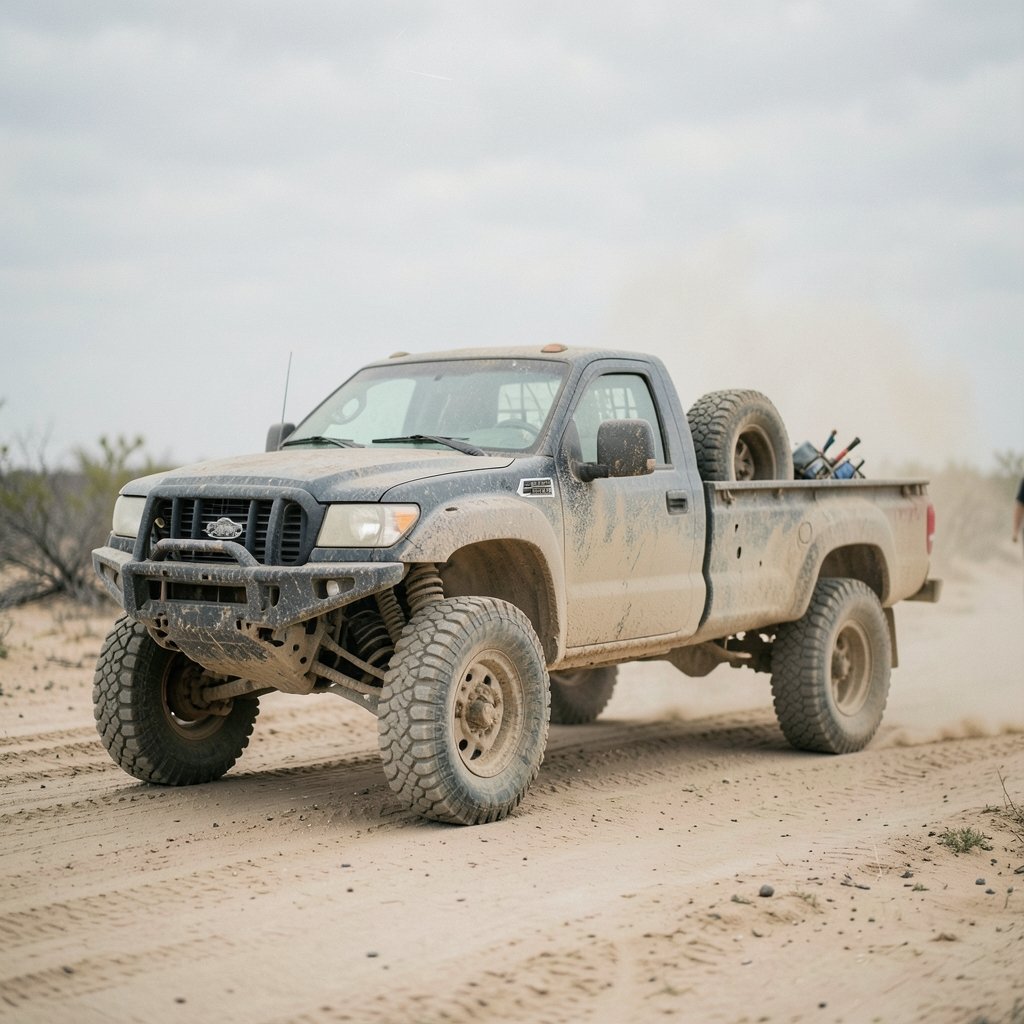
TRD USA traces its roots to 1979, when Toyota established a racing division in the United States. From the start, the American arm leaned heavily into off-road desert racing, including the Baja 1000 and the Mickey Thompson off-road series. That off-road heritage is not a marketing invention. It is the reason TRD trucks still carry skid plates, upgraded dampers, and all-terrain tires today. The badge earned its credibility in the dirt long before it appeared on showroom floors.
From desert racing, TRD USA expanded into oval-track competition and eventually into NASCAR, where Toyota Racing has maintained a long presence in the Truck Series and Cup Series with engine and chassis support. TRD Japan, meanwhile, built its reputation in Japanese circuit racing and in supplying performance parts and complete tuned vehicles to the domestic market.
TRD vs. GR: The Confusion Explained
This is where most buyers get lost. Toyota now runs two performance identities, and they overlap in ways that even enthusiasts find messy.
| Feature | TRD | GR (Gazoo Racing) |
|---|---|---|
| Full meaning | Toyota Racing Development | Gazoo Racing |
| Primary role | Motorsport arm and performance accessories | Global performance sub-brand and model line |
| Typical products | Dealer- or port-installed parts: suspension, exhaust, wheels, skid plates, body kits | Complete performance vehicles, plus some parts |
| Common examples | TRD Off-Road packages on trucks and SUVs | GR86, GR Corolla, GR Supra |
| Market focus | Strong in North America and Japan, with regional differences | Global, launched as a worldwide brand around 2017 |
The simplest way to keep them straight: TRD is largely about parts and racing heritage, while GR is largely about complete performance cars. A TRD part is usually something bolted onto a vehicle, often at the dealer or the port. A GR model is a distinct vehicle engineered as a performance machine from the ground up.
That said, the boundary has blurred. TRD Japan and Gazoo Racing branding have overlapped in recent years, and some markets have used the names in ways that don’t map cleanly onto the American distinction. If you’re researching a specific vehicle, always confirm which entity is actually behind the badge on that model, in that market, for that model year. Generalizing across regions is the single most common mistake people make when reading about TRD online.
What TRD Actually Means on a Vehicle
Here is the practical reality that surprises a lot of shoppers: TRD is typically not a factory trim level in the way people assume. TRD parts are usually dealer-installed or port-installed accessories. That means the same truck can leave the factory identical to its siblings and pick up its TRD character at the port or in the dealer’s service bay.
In practice, a TRD package on a truck or SUV usually bundles some combination of:
- Upgraded suspension, often tuned dampers or shocks aimed at off-road compliance rather than track stiffness.
- Skid plates to protect underbody components on rough terrain.
- All-terrain tires and unique wheels, sometimes with a different offset or finish.
- Cat-back or axle-back exhaust for a slightly deeper note and modest weight savings.
- Cosmetic touches, including badging, decals, grille treatments, and interior accents.
Notice what’s often missing from that list: engine changes. Most TRD packages do not add horsepower. They change how the vehicle behaves off pavement, how it looks, and how it sounds. That’s not a knock. For a truck owner who spends weekends on Forest Service roads, a well-tuned suspension and real skid plates are worth far more than 20 extra horsepower. But if you’re expecting a TRD badge to mean “factory hot rod,” you’ll be disappointed.
Practical Tips If You’re Shopping for TRD
First-hand buying experience in this space tends to surface the same handful of lessons over and over.
Check what’s actually installed, not what’s advertised. Because TRD items are frequently dealer- or port-installed, two otherwise identical used trucks can carry very different equipment. Ask for the original window sticker or a build sheet. Inspect the parts themselves; do not rely on the decal on the bed. Decals are cheap and easy to add after the fact.
Understand that the badge alone adds little resale value. A genuine TRD package with documented suspension, wheels, and skid plates holds value reasonably well. A truck with a $40 sticker and nothing else does not. Buyers who pay a premium for a badge without verifying the hardware often overpay.
Don’t assume TRD means warranty-friendly modification. Dealer-installed TRD accessories generally integrate cleanly with the vehicle’s warranty because they’re installed through the Toyota network. Aftermarket parts that merely mimic TRD styling do not carry that protection. If warranty coverage matters to you, that distinction is worth real money.
Watch for market differences. A TRD variant sold in Japan may have a completely different specification from one sold in the United States. Reading a Japanese-language review and applying it to a North American truck is a recipe for confusion.
TRD and the Broader Toyota Lineup
TRD’s reach extends well beyond trucks. Over the decades, the badge has appeared on sports cars, sedans, and SUVs, sometimes as a full performance variant and sometimes as an appearance package. That inconsistency is exactly why the badge confuses people.
For shoppers focused on value-oriented daily drivers, the TRD connection is mostly a heritage story. Someone comparing a Toyota Corolla lease deal is unlikely to encounter a meaningful TRD package on that car, because TRD’s engineering attention has historically concentrated on trucks, SUVs, and motorsport-linked performance models. Knowing that helps you calibrate expectations: a TRD badge on a Corolla-adjacent vehicle usually signals trim and styling, not a reworked chassis.
The more useful mental model is this. TRD sits at the intersection of racing heritage and accessory engineering. It is not a guarantee of performance, and it is not purely cosmetic either. It depends entirely on which parts were actually specified.
Common Mistakes People Make With TRD
A few traps come up again and again.
- Assuming TRD equals more power. In most cases it doesn’t. Suspension, protection, wheels, and exhaust are the core of the package.
- Confusing TRD with GR. They are different entities with different purposes, even though the branding has overlapped in some markets and years.
- Trusting the decal. Verify the hardware. Stickers are not evidence.
- Ignoring regional variation. TRD USA and TRD Japan are not the same operation, and their products differ substantially.
- Overlooking the off-road intent. Many TRD setups are tuned for dirt and rough roads. On pure pavement, some of that hardware offers little benefit and can even firm up the ride more than a casual driver expects.
How to Evaluate a TRD Vehicle in Ten Minutes
If you’re standing in a seller’s driveway, here’s a practical sequence.
- Look underneath. Skid plates should be present, mounted solidly, and show honest wear rather than fresh spray paint over rust.
- Check the shocks and springs. TRD-tuned dampers usually carry identifying marks. Mismatched or generic replacements suggest the package was partially removed.
- Inspect the wheels and tires. Confirm the wheels match the package and the tires are a sensible all-terrain fit rather than random replacements.
- Listen to the exhaust. A TRD exhaust has a distinct, modest tone. A loud drone may mean an aftermarket system unrelated to TRD.
- Request documentation. Window stickers, service records, and dealer paperwork settle most arguments about what was originally installed.
That five-step check takes less time than a test drive and prevents most of the regret stories that circulate in owner forums.
Conclusion
Toyota TRD is best understood as Toyota’s racing arm first and a badge second. It began in 1979 with American desert racing, grew into NASCAR and Japanese circuit competition, and today mostly shows up on showroom vehicles as dealer- or port-installed hardware: suspension, skid plates, wheels, exhaust, and styling. It is not the same thing as GR, which is Toyota’s global performance sub-brand for complete cars. The names have overlapped in some markets, and that overlap is the source of most confusion you’ll encounter. If you’re buying, verify the parts rather than the decal, check the market and model year, and set your expectations around off-road capability and appearance rather than horsepower. Do that, and the badge stops being a mystery and starts being a useful signal.
What does TRD stand for in Toyota?
TRD stands for Toyota Racing Development. It is Toyota’s in-house motorsports and performance-parts division, operating through TRD USA in North America and TRD Japan in the Japanese market. It handles racing programs and performance accessories rather than serving as a standalone car brand.
Is TRD the same as GR?
No. TRD is primarily Toyota’s racing arm and performance-accessory operation, while GR (Gazoo Racing) is Toyota’s global performance sub-brand for complete vehicles such as the GR86, GR Corolla, and GR Supra. The two have overlapped in branding in some markets and years, so it’s worth confirming which entity is behind a specific badge on a specific model.
Does a TRD package add horsepower?
Usually not. Most TRD packages focus on suspension tuning, skid plates, wheels and tires, exhaust, and cosmetic touches. They change off-road behavior, appearance, and sound more than outright power. Buyers expecting a factory performance engine upgrade are often surprised by this.
When did TRD start?
TRD USA traces its origins to 1979, when Toyota formed a racing division in the United States focused initially on off-road desert racing such as the Baja 1000. Its scope later expanded into oval-track racing and NASCAR, while TRD Japan developed separately around Japanese circuit racing and domestic performance parts.
Are TRD parts factory-installed?
Often they are not. TRD parts are frequently dealer-installed or port-installed accessories, which means two similar vehicles can carry very different equipment depending on what was specified at purchase. Always verify the actual hardware and request documentation rather than relying on badging or decals.
Is a used TRD vehicle worth the extra money?
It can be, if the hardware is genuinely present and documented. A truck with real TRD suspension, wheels, and skid plates holds value better than one with only cosmetic touches. The badge alone adds little, so inspect the parts, check service records, and confirm the package matches the model year and market before paying a premium.



