
What if the most luxurious fabric in your closet came from a weed that grows in poor soil, needs little water, and has been spun into thread for thousands of years? That is linen fibre in a nutshell. It is the oldest textile fibre people still wear every day, and yet most shoppers know almost nothing about how it is made, why it creases so easily, or what separates good linen from the scratchy kind.
This guide walks through the botany, the chemistry, the messy middle of processing, and the practical buying decisions. It also covers the marketing claims that deserve a raised eyebrow.
What Is Linen Fibre, Exactly?
Linen is a bast fibre taken from the stem of the flax plant, Linum usitatissimum. “Bast” simply means the fibres sit in the outer layer of the stem, in the phloem, just under the bark. That location matters. Unlike cotton, which grows as a seed hair, flax fibre is structural tissue that holds the plant upright. That is why linen is strong and stiff rather than soft and fluffy.
The fibre is mostly cellulose, roughly 65 to 75 percent, with pectin, hemicellulose, lignin, and waxes making up the remainder. Exact percentages shift with cultivar, soil, and harvest timing, so treat any single figure as a rough guide rather than a rule.
Individual flax fibres are long, commonly cited at around 25 to 150 millimetres. That length is the reason linen is durable and sheds very little lint compared with short-staple cotton.
One naming quirk trips people up constantly. “Flax” and “linen” are not interchangeable in every context. In everyday speech, flax is the plant and linen is the woven cloth. In textile regulation, both names describe the same fibre. The distinction is commercial and linguistic, not botanical.
From Field to Fabric: The Processing Chain
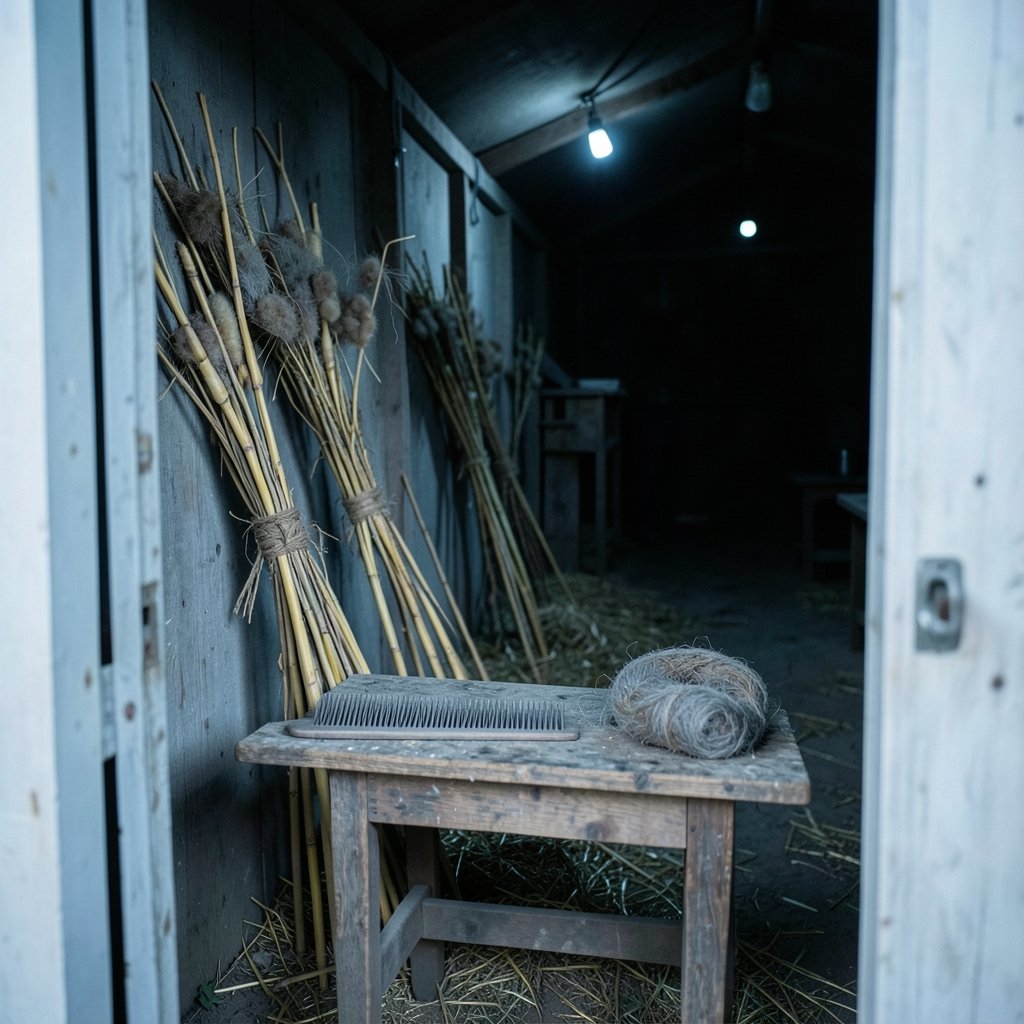
Flax does not give up its fibres easily. The stem has to be broken down in stages, and each stage shapes the final quality.
- Harvest. Plants are pulled or cut once the lower stems yellow but before the seed fully matures.
- Retting. Microbes break down the pectin gluing fibres to the woody core. This can happen through dew, standing water, or added enzymes.
- Scutching. Mechanical blades crush the dried stalks and strip away the shive, the woody waste.
- Hackling. Fibres are combed through progressively finer pins, separating long strands from short ones.
- Spinning. Long fibres become fine yarn; short fibres become coarser yarn, rope, or paper.
Retting is where the environmental story gets complicated. Water retting produces the cleanest, most uniform fibre, but it consumes large volumes of water and creates polluted effluent. For that reason, European growers have largely shifted to dew retting, which relies on field moisture and fungi. The trade-off is that dew-retted fibre is often darker and less consistent, so it needs more careful grading.
Line Fibre vs. Tow
The hackling step splits the harvest into two grades, and this is the single most useful thing to understand when judging price.
| Grade | Source | Typical Use | Character |
|---|---|---|---|
| Line fibre | Long combed strands | Fine apparel, shirting, table linen | Smooth, strong, higher cost |
| Tow fibre | Short tangled strands | Rope, twine, sacks, coarse cloth, paper | Rougher, cheaper, more variable |
When a budget garment feels scratchy and stiff, tow content or insufficient combing is usually the culprit. It is not a moral failing of the fabric. It is a grade decision.
If you have ever chased down a stubborn hardware or service problem and found the answer buried in fine print, you know the feeling of finally getting the specifics. Reading a linen label works the same way: the useful detail is usually the one nobody advertises. The same instinct applies when people search for which line to call at optum rx phone number which line call when or track down the right cvs specialty pharmacy phone number which line call when. Specifics beat generalities every time.
A Fibre With an Unusually Long Resume
Flax cultivation reaches back to the Fertile Crescent by roughly 5000 BCE or earlier. But the story starts well before farming. Dyed flax fibres recovered from a cave in the Republic of Georgia were dated to about 30,000 years ago in research published in 2009. That find is evidence of flax use, not of woven cloth, and the distinction matters. Twisted and dyed fibre is not the same thing as a loom.
During the medieval and early modern periods, Flanders and the Low Countries became a major linen centre, and European linen trading helped shape textile economies for centuries. Linen’s reputation for coolness in summer and warmth in winter is not marketing invention. It comes from the fibre’s structure.
Why Linen Feels the Way It Does
Linen’s behaviour follows directly from its physical makeup.
It conducts heat well. The fibre moves heat away from the body, which is why linen shirts feel cool in humidity.
It absorbs moisture readily and releases it fast. That combination keeps skin drier than many synthetic alternatives.
It has low elasticity. Flax fibres do not stretch much, so the fabric creases instead of springing back. Wrinkles are a structural property, not a defect. Anyone who has tried to iron a linen shirt flat on a hot day has met this reality firsthand.
It is strong when wet. Linen actually gains strength with moisture, which is why it survives repeated washing better than some weaker fibres.
It has a natural stiffness that softens with use. New linen can feel boardy. Washed linen drapes. This is one of the few cases where “it gets better with age” is literally true.
Practical tip: if you want soft linen from day one, look for garment-washed or stone-washed labels. If you want maximum longevity, buy unwashed and accept a break-in period.
Common Mistakes Buyers Make
A few patterns show up again and again among people shopping for linen.
Mistake one: assuming all linen is the same. A heavyweight tow-based upholstery fabric and a fine line-fibre shirting share a fibre name and almost nothing else. Judge by weight, weave, and finish, not by the word on the tag.
Mistake two: over-washing to soften it. Repeated hot washes do soften linen, but they also abrade the fibre. Gentle, frequent wear does the job with less damage.
Mistake three: tumble drying on high heat. High heat shrinks linen and sets wrinkles. Line drying partly damp and pressing while damp gives a far better result.
Mistake four: trusting “eco” as a synonym for low impact. More on that below.
Mistake five: expecting zero shrinkage. Linen commonly shrinks on first wash. Buying a slightly generous fit, or pre-washing yardage before sewing, prevents unpleasant surprises.
The Sustainability Question Nobody Answers Cleanly
Linen is frequently marketed as a low-impact fibre, and the crop does have genuine advantages. Flax grows in poor soils, needs relatively little irrigation in many regions, and the whole plant can be used, with seed going to food and oil and shive going to composites or fuel.
But blanket claims fall apart under scrutiny. The environmental profile depends heavily on retting method, water use, and region. Life-cycle studies disagree with one another, partly because they model different farming systems. Water retting is chemically simple but water-hungry and polluting. Dew retting is gentler but slower and weather-dependent. Neither is automatically the greener choice in every location.
The honest position is that linen can be a good choice and is not automatically a guilt-free one. Asking where and how a fabric was retted tells you more than any badge on the hangtag.
How Linen Is Regulated and Labelled
In the European Union, textile fibre names including “flax” and “linen” are governed by Regulation (EU) No 1007/2011 on textile fibre names and related labelling. The regulation has been in force since 2012. Its practical value to shoppers is that a garment labelled “100% linen” in the EU should contain exactly that, with limited allowances for decorative fibres and processing tolerances. Outside the EU, labelling rules differ, so a fibre claim is only as reliable as the jurisdiction enforcing it.
For anyone comparing fibre options more broadly, the same logic of reading the fine print applies to financial products, where a small wording difference changes the whole deal. The distinction between a home equity loan vs line of credit is a good example of terminology doing heavy lifting.
Linen Compared With Other Fibres
| Property | Linen | Cotton | Wool |
|---|---|---|---|
| Source | Flax stem (bast) | Cotton seed hair | Animal fleece |
| Main component | Cellulose | Cellulose | Protein (keratin) |
| Creasing | High | Moderate | Low to moderate |
| Moisture handling | Fast absorb, fast dry | Absorbent, slower dry | Absorbent, warm when damp |
| Strength when wet | Increases | Increases | Decreases |
| Typical feel | Crisp, cool, textured | Soft, smooth | Warm, springy |
The creasing column is the one people care about most. Linen’s wrinkle is the price of its crispness and breathability. Blends with cotton or viscose reduce creasing at the cost of some of that characteristic dry hand.
Buying and Caring for Linen in Practice
What actually works, based on how the fibre behaves:
- Check the weight. Shirtings often sit around 120 to 180 gsm; trousers and jackets run heavier. Lightweight linen creases more dramatically and wears faster at stress points.
- Look for the weave. Plain weave is the classic. Herringbone and twill give more structure and hide wrinkles better.
- Wash cool, dry partly, press damp. This is the single routine that keeps linen looking intentional rather than rumpled.
- Store folded, not on a hanger. Linen’s low elasticity means hangers can distort shoulders over time.
- Accept the rumple. Linen that never creases is usually blended with something that reduces breathability.
For those who like to diagnose problems by symptom, the diagnostic mindset transfers neatly. A visible defect usually points to a specific cause, whether that is a black line dell laptop screen it means fix it situation or a black line hp laptop screen causes tests real fixes case. Linen is similar: a scratchy shirt points to tow content or poor combing, not bad luck.
Conclusion
Linen fibre is a case study in how a plant’s biology becomes a fabric’s personality. The long bast fibres in the flax stem explain the strength, the low lint, and the cool hand. The low elasticity explains the wrinkles. The retting method explains why two shirts with the same label can feel entirely different. Understanding those links turns a confusing purchase into a straightforward one. Buy for grade and weight, care for it gently, and let the creases do what they are going to do anyway.
Frequently Asked Questions
Is linen fibre stronger than cotton?
Generally, yes. Individual flax fibres are longer and stronger than cotton fibres, and linen gains strength when wet while cotton’s advantage is softer hand and lower cost. Durability also depends on weave and weight, so a thin linen voile can still wear out faster than a sturdy cotton canvas.
Why does linen wrinkle so much?
Because flax fibres have low elasticity. They do not spring back after bending, so creases stay put. This is a structural property of the fibre, not a sign of poor quality. Blending with cotton or synthetic fibres reduces wrinkling but also reduces breathability.
Is linen warmer or cooler than cotton?
Linen generally feels cooler in heat because it conducts heat away from the body and moves moisture quickly. In cold conditions, its lack of loft means it insulates less than wool. It is best understood as a warm-weather fibre with good moisture management rather than an all-season insulator.
What is the difference between line fibre and tow fibre?
Line fibre is the long, combed strand used for fine yarn and apparel. Tow fibre is the shorter, tangled material left after combing, used for rope, sacks, and coarser cloth. The split happens during hackling and is one of the main reasons linen prices vary so widely.
Does linen get softer over time?
Yes. Washing and wearing break down the natural waxes and pectins on the fibre surface, and the fabric gradually softens and drapes better. Garment-washed linen starts softer, while unwashed linen takes longer but often lasts longer because it has been abraded less before you own it.
Is linen always an environmentally friendly choice?
No. Linen has real advantages, including low irrigation needs in many regions and whole-plant use, but its footprint depends on retting method, water use, and location. Water retting can pollute waterways, and life-cycle studies disagree on the overall picture. It can be a good choice without being an automatic one.



