
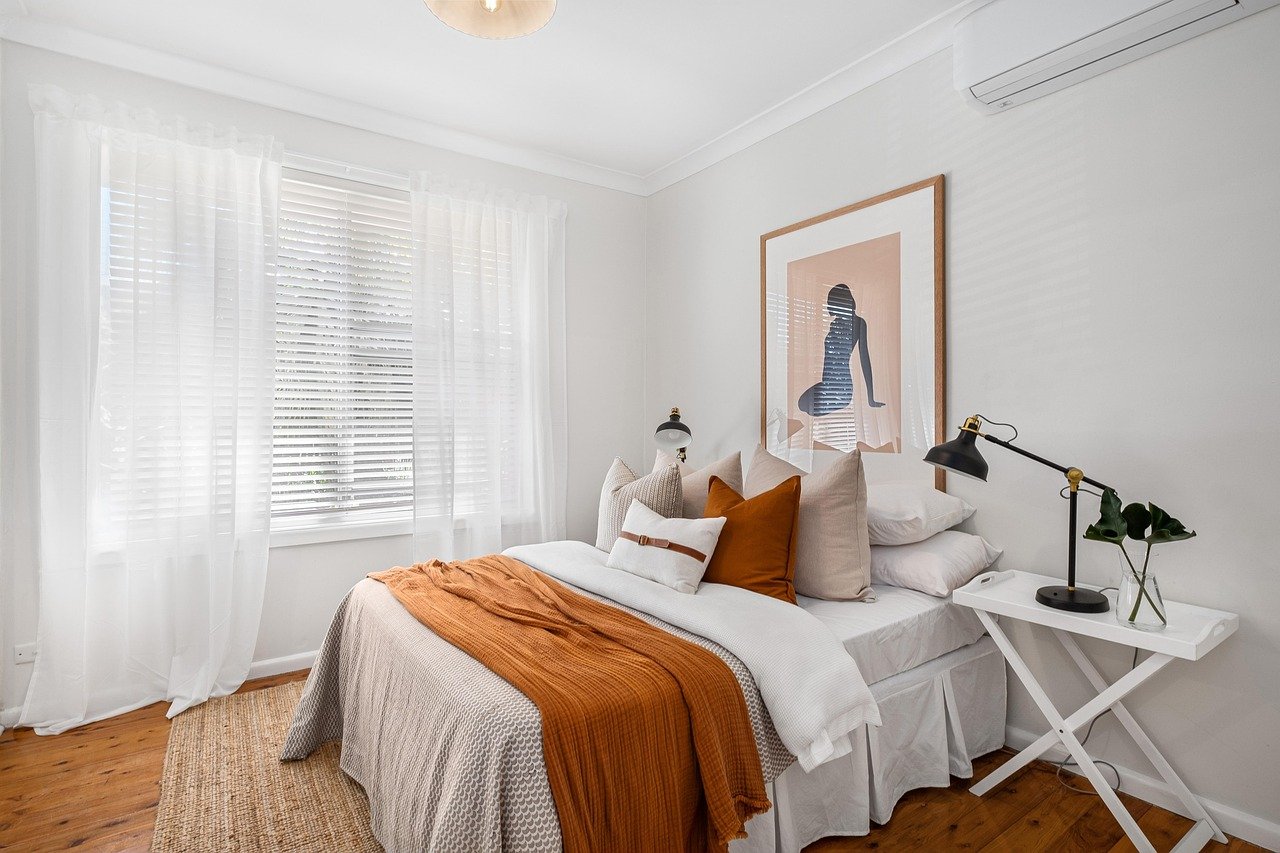
What if the most striking piece of furniture in a room were the one you never see the legs of? That is the trick behind the floating bed, a design idea that has moved from boutique hotels and glossy magazines into ordinary homes. The mattress appears to hover, the floor seems to continue underneath, and the whole room feels lighter and bigger. It looks expensive. It is often surprisingly affordable.
But “floating bed” is a loose term. It can mean a hidden-support platform, a wall-mounted frame, an LED-lit base, or even a waterbed from the 1980s. Each version has different costs, installation demands, and safety rules. This guide sorts out the versions, explains how the illusion is built, and covers the practical details people usually learn the hard way. (Swim practical path from first float confident laps)
What a Floating Bed Really Means
In everyday design language, a floating bed is a bed whose legs or base are hidden or recessed so the mattress and frame appear to hover above the floor. The effect comes from concealed support: the frame sits inside a plinth, hangs from the wall, or rests on a recessed platform that is set back from the visible edge of the bed.
The term gets used for a few other things too, and mixing them up causes confusion:
- Waterbeds. Older marketing called them floating beds because the mattress surface moves. Modern waterbeds usually sit in a rigid frame with a liner, and some leases and local codes restrict them because of weight and leak risk.
- Boat berths. On boats, a floating bed simply means a berth shaped to fit the hull, often with restraints for rough water.
- Platform beds. A low frame with no box spring is not automatically a floating bed. It only floats if the support is hidden.
- Floating floors. This is a flooring installation method, not furniture. The names overlap, the construction has nothing in common.
For the rest of this article, floating bed means the furniture illusion: a bed that looks unsupported.
How the Floating Illusion Is Built

There are three main construction methods, and each one changes what you can do with the room.
The recessed plinth
The most common approach hides a sturdy inner frame inside a larger outer platform. The visible platform extends past the mattress on all sides, and the actual support sits well back from the edge. From standing height, you see a clean slab with a gap of shadow underneath. The recess is what sells the effect.
This is the most forgiving method for do-it-yourself builders because the hidden frame carries the load and the visible shell is mostly cosmetic. It also works well with under-bed lighting, which turns the shadow gap into a soft glow.
The wall-mounted frame
A wall-mounted floating bed bolts into studs or masonry and cantilevers out. It saves floor space and makes cleaning effortless, since a robot vacuum can pass underneath. The catch is that the wall has to carry the load, and the mounting has to be right. This is not a job for toggle bolts and optimism.
The hidden-leg frame
Some commercial frames use legs set far inboard, so they disappear behind the mattress when viewed from the side. This is the cheapest version and the easiest to move. It reads as floating from most angles but loses the effect up close.
| Method | Difficulty | Best for | Main risk |
|---|---|---|---|
| Recessed plinth | Moderate | DIY builders, large rooms | Heavy, hard to move |
| Wall-mounted | High | Small rooms, dramatic look | Wall failure if poorly fixed |
| Hidden-leg frame | Low | Renters, quick upgrades | Illusion breaks up close |
Floating Beds vs. Other Bed Styles
Buyers often compare a floating bed with a platform bed or a storage bed without realizing how different they are in daily use.
| Feature | Floating bed | Platform bed | Storage bed |
|---|---|---|---|
| Visual effect | Mattress appears to hover | Low, grounded look | Tall, boxy look |
| Under-bed space | Open or lit gap | Minimal | Drawers or lift-up base |
| Cleaning access | Excellent | Poor | Poor unless on casters |
| Assembly | Moderate to high | Low | Moderate |
| Typical cost | Mid to high | Low to mid | Mid to high |
The trade-off is simple. A floating bed buys visual lightness and cleaning access. A storage bed buys space. A platform bed buys simplicity. Few rooms can have all three at once.
Practical Tips That Actually Work
People who build or buy floating beds tend to hit the same handful of problems. These fixes come from how the beds are actually constructed, not from theory.
Build the hidden frame first. Sketch the mattress footprint, then design the support around it. The visible shell should be at least 15 to 20 centimeters wider on each side than the mattress, or the recess will not read as a gap from normal viewing height.
Respect the mattress weight. A queen mattress plus bedding can weigh well over 50 kilograms, and a sleeper adds more. The hidden frame needs cross-bracing and legs that reach the floor, not a decorative box.
Use lighting to finish the illusion. A warm LED strip set back under the platform edge creates a floating glow and doubles as a night light. Keep the strip away from the floor so it does not glare.
Leave a cleaning gap. The whole point of the open underside is access. A gap of 10 to 15 centimeters lets a vacuum or robot cleaner pass and stops dust from collecting in a dead zone.
Plan for moving day. A recessed plinth bed is heavy and awkward. Build it in sections that bolt together, or accept that it stays put.
Check the headboard. A wall-mounted bed still needs a headboard that does not press into the wall and mark the paint. A small standoff solves this.
If you are already comfortable with how a bed frame meets the floor, the same logic applies here. The principles behind leveling a printer bed are a useful mental model: a flat, well-supported surface with no high or low spots is what keeps everything above it stable.
Safety Comes Before Style
Here is the part that gets skipped in most design posts. “Floating” is not a safety standard. No widely recognized building code or consumer-safety rule defines a floating bed, so safety questions fall under general furniture-stability guidance instead.
The main concerns are tip-over and falls.
Tip-over. Tall or top-heavy furniture can tip if someone climbs or leans on it. The U.S. Consumer Product Safety Commission has run tip-over awareness campaigns, including “Anchor It!”, launched in 2015, which urges anchoring furniture to walls. The voluntary ASTM F2057 furniture tip-over standard has been revised over time, and the STURDY Act, enacted in the U.S. in 2022, directed the CPSC toward a mandatory stability rule for clothing storage units. Whether those rules apply to beds specifically should be checked against current CPSC text, but the anchoring habit is sensible for any tall bed.
Falls from height. Elevated or lofted beds carry fall risk. University housing and public-health guidance commonly recommends guardrails and safe ladder placement for raised beds. A floating bed that sits high off the floor belongs in the same conversation.
Wall-mounted loads. A cantilevered bed puts pull-out force on the wall. Fixings must reach studs or masonry, and the frame should be engineered for the load, not improvised.
Waterbed rules. If the floating bed in question is a waterbed, check the lease and local code first. Weight and leak risk are the usual reasons for restrictions.
In practice, the safest floating beds share three traits: a wide, stable base, a frame that reaches the floor, and a wall anchor or headboard fixing that stops sideways movement.
Cost, Space, and Resale
A floating bed is often cheaper than it looks. A hidden-leg frame can cost about the same as a standard bed base. A recessed plinth built from timber and painted MDF is a weekend project for a confident DIYer. A professionally installed wall-mounted bed is the expensive end, because the wall work and engineering carry the cost.
Space is where the design pays off. In a small bedroom, the open underside makes the floor look continuous, which reads as extra square meters even when the room has not grown. The effect is strongest in rooms with light floors and plain walls.
Resale deserves a mention. Built-in floating beds are a commitment. Some buyers love them, others see a heavy object they cannot move. A freestanding hidden-leg frame is the safer choice for anyone who might move within a few years.
There is a useful parallel in how people think about long-term commitments and hidden costs. Just as insurers price risk carefully when underwriting, a floating bed rewards careful planning up front: the hidden structure is where the real cost and the real risk sit. (Insurance companies make money underwriting float fees)
Common Mistakes to Avoid
- Building the shell before the frame. The visible platform is the easy part. Design the load-bearing structure first.
- Skipping the wall anchor. Even a heavy plinth bed can shift. A simple anchor removes the risk.
- Making the recess too shallow. Less than 10 centimeters of setback and the gap disappears in shadow.
- Ignoring mattress height. A thick mattress on a high platform can end up at an awkward height for getting in and out.
- Forgetting the bedding. Duvets that hang low hide the gap. Tuck them or choose a shorter drop.
- Using the wrong lights. Cool white LEDs under a bed look clinical. Warm white reads as a glow.
Who Should Consider One
A floating bed suits renters who want a dramatic upgrade without structural work, small bedrooms that need visual space, and anyone tired of dust collecting under a closed base. It also suits people who like a project and can follow a plan.
It suits less well anyone who moves often, households with very young children who climb, and rooms where the floor is uneven. An uneven floor makes a floating platform look crooked, which kills the illusion instantly.
For readers thinking about progress in stages, the mindset is similar to learning to swim: start with the basics, build confidence, then add the flourish. A floating bed is the same. Get the frame right, then add the lights.
Conclusion
The floating bed is one of the few design ideas that delivers a big visual change for a modest budget, provided the hidden structure gets the attention it deserves. The illusion is simple: conceal the support, recess the base, and let shadow and light do the rest. The reality is a load-bearing frame, a wall anchor, and a plan for cleaning and moving.
Choose the recessed plinth for a solid, buildable centerpiece. Choose the wall-mounted frame for small rooms and maximum drama. Choose the hidden-leg frame for flexibility and easy assembly. Whichever route you take, treat stability as the first design decision, not the last. A bed that looks like it floats should never feel like it might.
Frequently Asked Questions
What is a floating bed?
A floating bed is a bed whose legs or base are hidden or recessed so the mattress appears to hover above the floor. The effect usually comes from a recessed plinth, a wall-mounted frame, or legs set far inboard. The term is informal and is sometimes also used for waterbeds and boat berths.
Is a floating bed safe?
It can be, if it is built and fixed properly. There is no specific safety standard for floating beds, so general furniture-stability guidance applies. Anchor tall frames to the wall, make sure the hidden frame reaches the floor and carries the mattress load, and add guardrails if the bed sits high.
How much does a floating bed cost?
Costs vary widely. A hidden-leg frame costs about the same as a standard bed base. A recessed plinth built from timber and painted board is a moderate DIY project. A professionally installed wall-mounted bed is the most expensive option because the wall work and engineering carry the cost.
Can I build a floating bed myself?
Yes, and many people do. The key is to design the hidden load-bearing frame first, then build the visible shell around it. Leave a setback of at least 15 to 20 centimeters on each side so the gap reads clearly, and build the base in bolt-together sections so it can be moved.
Does a floating bed work in a small room?
It often works best there. The open underside makes the floor look continuous, which makes the room feel larger. Light floors, plain walls, and a warm LED strip under the platform edge strengthen the effect. Avoid heavy bedding that hangs low and hides the gap.
What is the difference between a floating bed and a platform bed?
A platform bed is a low frame with no box spring. It only counts as a floating bed if its support is hidden. Many platform beds sit visibly on the floor, so they look grounded rather than hovering. The distinction is about concealed support, not height.



