
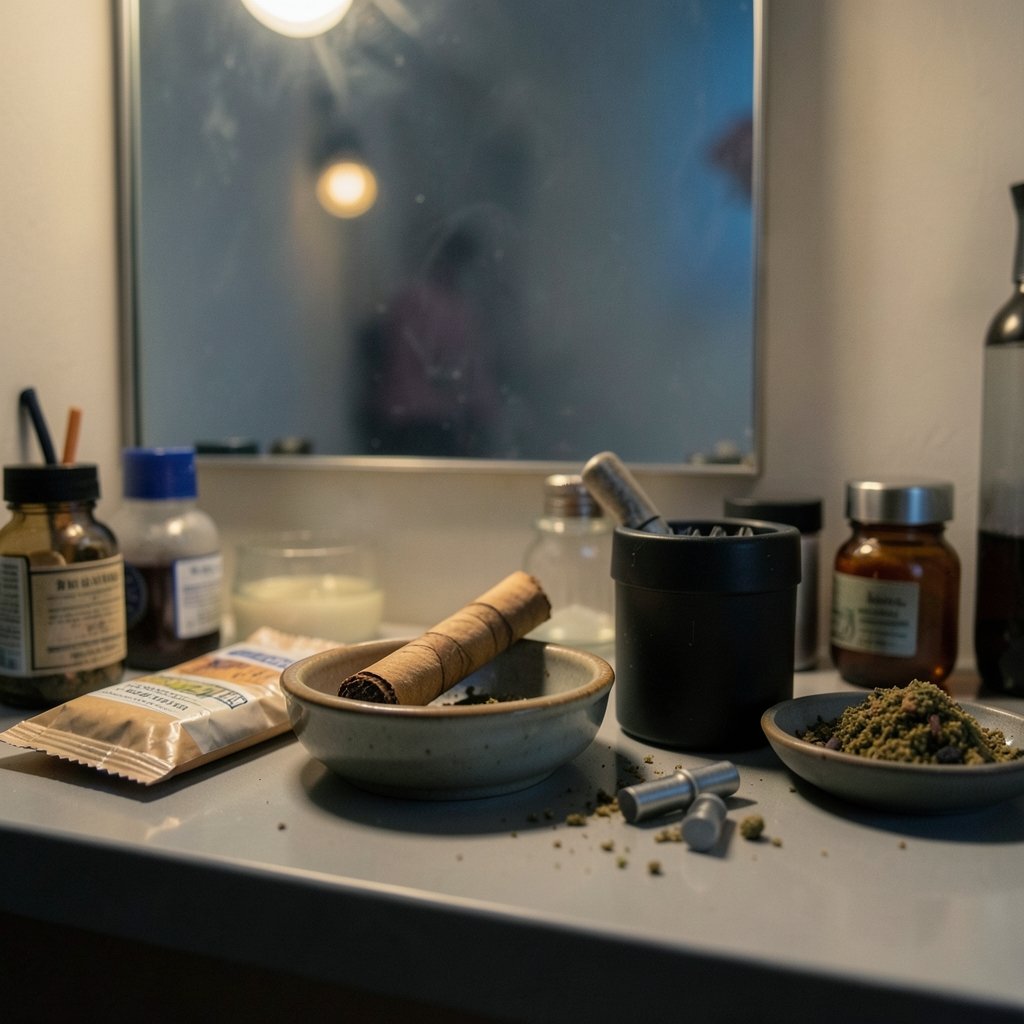
What exactly is a spliff, and why does it trip up so many people who think they already know how to roll?
Ask ten people what a spliff is and you will get at least three answers. In much of the UK, Ireland, and Australia, a spliff means cannabis mixed with tobacco and rolled in a paper. In parts of North America, the word sometimes gets used for a pure cannabis joint with no tobacco at all. That single difference changes everything about how the thing is built, how it burns, and how it affects the person smoking it. This guide walks through the practical side: what you need, how the tobacco ratio works, a step-by-step rolling method, and the mistakes that ruin most first attempts. It also covers the honest health picture, because tobacco is not a neutral filler.
What a Spliff Actually Is (and Why the Definition Matters)
A spliff is a hand-rolled cigarette that contains cannabis, usually combined with tobacco. The tobacco serves two purposes. It makes the mix burn more evenly, and it stretches a small amount of cannabis further. In places where cannabis is expensive or hard to come by, that economic logic drives the whole practice.
The definition matters because advice does not transfer cleanly between regions. Someone in London describing a spliff is describing a tobacco-cannabis blend. Someone in California using the same word may mean a pure cannabis roll. If a reader follows a tutorial built on the wrong assumption, the result will be either harsh and overpowering or weak and unsatisfying.
There is also a vocabulary issue. A joint is generally pure cannabis. A blunt uses a tobacco leaf wrapper instead of paper. A spliff sits in between, and the tobacco content is the defining feature. Getting the words straight before rolling anything saves a lot of confusion.
What You Need Before You Start
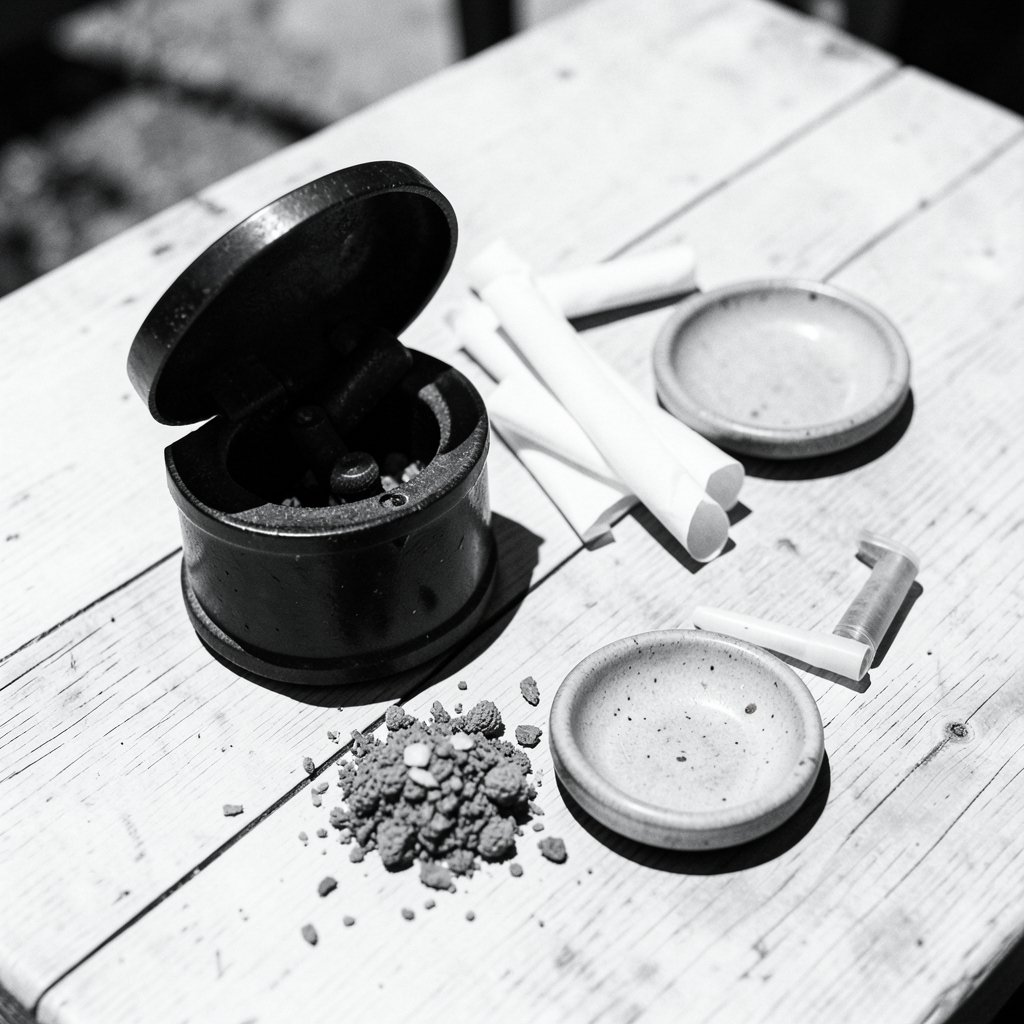
Rolling is a physical skill, and the tools are simple. Having everything within reach before starting matters more than beginners expect, because the paper dries out and the mix scatters if someone stops halfway to hunt for a filter.
| Item | What it does | Practical note |
|---|---|---|
| Rolling papers | Holds the mix together | Thin papers suit spliffs; thick papers add harshness |
| Filter or roach | Keeps the end open and gives structure | A folded card roach is easier for beginners than a loose tip |
| Grinder | Breaks cannabis into even pieces | Uneven chunks cause runs and hot spots |
| Cannabis | The active ingredient | Grind medium-fine, not to dust |
| Tobacco | Binder and stretcher | Loose rolling tobacco is easier to control than cigarette filler |
| A flat surface | Stable rolling base | A hard table beats a soft couch every time |
Grinding deserves a mention on its own. Cannabis that is too coarse creates air pockets, and air pockets create canoeing, where one side of the spliff burns faster than the other. Cannabis ground to powder, on the other hand, packs too tight and blocks airflow entirely. Medium-fine is the target, roughly the texture of coarse salt.
How to Roll a Spliff, Step by Step
The method below is the standard hand-roll. It works for beginners and stays useful once the technique becomes automatic. A rolling machine is a legitimate shortcut, but hand-rolling gives more control over density, which is the single biggest factor in how a spliff smokes.
- Wash and dry your hands. Dry hands grip paper; damp hands tear it.
- Prepare the roach. Fold a small strip of card into a cylinder slightly wider than a pencil and roll it tight. It should slide into the paper’s end with mild resistance.
- Grind the cannabis to a medium-fine consistency and set it aside.
- Break up the tobacco. Pull apart any clumps so it blends evenly rather than sitting in a lump in the middle.
- Mix the two together before loading. Blending on the paper instead of in the hand produces an uneven burn almost every time.
- Hold the paper with the gummed edge facing up and away from you, curved into a shallow U between thumb and fingers.
- Load the mix along the centre line, keeping it loose and even. A spliff that looks slightly underfilled rolls better than one that looks full.
- Place the roach at one end and tuck the paper around it first.
- Roll the paper back and forth with both thumbs to shape the mix into a cylinder. This shaping step is where most beginners rush, and rushing is what causes loose, airy rolls.
- Tuck the near edge under the mix using thumbs and index fingers, then roll upward to close the cylinder.
- Lick the gum line lightly and seal. Too much moisture softens the paper and makes the spliff burn unevenly.
- Pack the ends by tapping the spliff upright on a hard surface, then twist or fold the open end closed.
- Test the draw before lighting. If it feels like sucking through a straw with a thumb over the end, it is packed too tight and needs loosening with a thin object.
The tuck in step ten is the moment most people fail. The trick is to use the paper’s own tension rather than force. If the mix is shaped properly in step nine, the tuck almost completes itself.
Getting the Tobacco Ratio Right
The tobacco-to-cannabis ratio is the most personal variable in the whole process, and it is also where people most often overdo it.
A common starting point is roughly half and half by volume, though many experienced rollers use considerably less tobacco, sometimes as little as a quarter. Tobacco is stronger in flavour and nicotine than people expect. A mix that tastes fine in theory can hit hard in practice, especially for anyone who does not normally smoke cigarettes.
Practical guidance here is straightforward. Start with less tobacco than seems necessary, because adding more later is easy and removing it is not. Tobacco also dominates the burn, so a heavy tobacco mix will smoke faster and hotter than a light one. For anyone who does not use tobacco regularly, the nicotine hit can cause dizziness and nausea within minutes, which is a genuinely unpleasant surprise if it is unanticipated.
Rolling technique transfers well across related skills. The tension control and shaping involved here are close cousins to the packing discipline used when organising a suitcase efficiently with roll and fold methods — same principle of even distribution, different materials. Anyone who has spent time fiddling with controller settings to get a precise feel will recognise the same patience curve discussed in comparisons of controller-mapping tools: small adjustments, repeated, produce a much better result than one big correction.
Common Mistakes and How to Avoid Them
Most failed spliffs fail for one of a handful of predictable reasons. Knowing them in advance shortens the learning curve considerably.
Overpacking. The instinct is to fit more in. The result is a spliff that draws like a blocked pipe. Loose and even beats full and tight.
Uneven mixing. Tobacco clumps create hot spots that burn fast while the surrounding cannabis smoulders. Mix thoroughly before loading.
Too much saliva on the gum. A light lick seals fine. A heavy one soaks the paper and produces a spliff that goes out repeatedly.
Skipping the shaping roll. The back-and-forth roll before tucking is not optional decoration. It compacts the mix into a cylinder and makes the tuck possible.
Using blunt scissors on the roach. A ragged roach edge catches paper and tears it during the tuck. Fold cleanly.
Rolling on a soft surface. A bed or couch absorbs the pressure needed to shape the paper. Use a table.
There is also a quieter mistake: rolling too fast. Speed comes with repetition, not with trying harder. A slow, deliberate roll that takes two minutes beats a rushed one that takes forty seconds and falls apart.
The Health Side Nobody Should Skip
Tobacco in a spliff is not a neutral filler, and the public-health picture is worth stating plainly.
Mixing tobacco with cannabis means inhaling nicotine alongside cannabinoids. Nicotine is highly addictive, and regular spliff smokers can develop dependence on it without ever identifying as tobacco users. That is a well-documented pattern: people who would never buy a pack of cigarettes find themselves craving the tobacco component of their spliffs. (Gemini 4 argon rollout paywall means users 2026)
Combustion itself is the second issue. Any smoked product produces tar and carbon monoxide, and combining two plant materials does not reduce that load. Some people assume the cannabis “cancels out” the tobacco risk. It does not. The two risks sit alongside each other.
A third practical point concerns dose control. Because the tobacco content varies from roll to roll, the actual cannabis dose varies too. Anyone tracking their consumption, or trying to reduce it, will find spliffs harder to measure than pure rolls or vapourisers.
None of this is a reason to panic. It is a reason to know what is in the paper before lighting it. Anyone in a jurisdiction where cannabis is legal should also check local rules on public consumption and on mixing with tobacco, since tobacco smoking restrictions sometimes apply to spliffs as well.
Alternatives Worth Knowing About
Not everyone wants tobacco in the mix, and there are workable substitutes.
Herbal alternatives such as marshmallow leaf or damiana are sold as tobacco-free fillers. They burn reasonably and carry no nicotine, though the flavour differs and the burn rate takes adjustment. Pure cannabis joints are the simplest option and remove the nicotine question entirely. Vapourisers avoid combustion altogether, which addresses the tar concern, though the experience is different enough that some people never take to it.
For anyone weighing up equipment decisions around accessibility and comfort, the same logic of matching the tool to the person applies. Comparisons between adaptive controllers make the point well: the right tool is the one that fits the individual, not the one with the best spec sheet. (Ds4windows vs rewasd vs steam input which controller tool)
Rolling machines are the other practical alternative. They produce consistent, tight rolls with almost no skill requirement. The trade-off is less control over density, and some people find machine-rolled spliffs too tight. For a beginner who wants a reliable result on the first try, though, a machine is a perfectly sensible starting point.
Conclusion
Rolling a spliff is a small physical skill with a surprisingly large number of variables: grind size, tobacco ratio, paper tension, moisture, and packing density all pull on the final result. The method itself is not complicated. Mix evenly, shape deliberately, tuck gently, and test the draw before lighting. Most problems trace back to rushing the shaping step or overfilling the paper.
The bigger point is context. A spliff means different things in different places, and the tobacco component carries real risks that are easy to overlook when the focus is on technique. Knowing the ratio, knowing what tobacco does, and knowing the alternatives puts the choice back where it belongs: with the person holding the paper.
Frequently Asked Questions
What is the difference between a spliff and a joint?
A joint is generally pure cannabis rolled in paper. A spliff contains cannabis mixed with tobacco. The distinction is regional, though, and in some places the words are used interchangeably, so it is always worth asking what someone means before assuming.
How much tobacco should go into a spliff?
There is no fixed rule, but a common starting point is roughly equal parts by volume, with many experienced rollers using less. Tobacco is stronger in flavour and nicotine than expected, so starting light and adding more is safer than the reverse.
Why does my spliff keep going out?
The usual causes are a mix that is too loose, paper that is too damp from saliva, or tobacco clumps that create uneven burning. Packing the mix slightly tighter and sealing the gum with a light lick rather than a heavy one solves most cases.
Can I roll a spliff without tobacco?
Yes. Herbal fillers such as marshmallow leaf work as tobacco-free substitutes, and a pure cannabis joint removes the issue entirely. The burn rate and flavour will differ, so the rolling density usually needs slight adjustment.
Is rolling a spliff hard to learn?
The basic motion takes most people a handful of attempts to grasp. The shaping roll before the tuck is the step that decides success, and it is the step beginners most often skip. A rolling machine is a reasonable shortcut while learning.
Does the tobacco in a spliff make it more addictive?
Nicotine is highly addictive, and regular spliff smokers can develop dependence on it without ever considering themselves tobacco users. That pattern is well recognised among people who mix the two, which is one reason tobacco-free alternatives are worth considering.



