
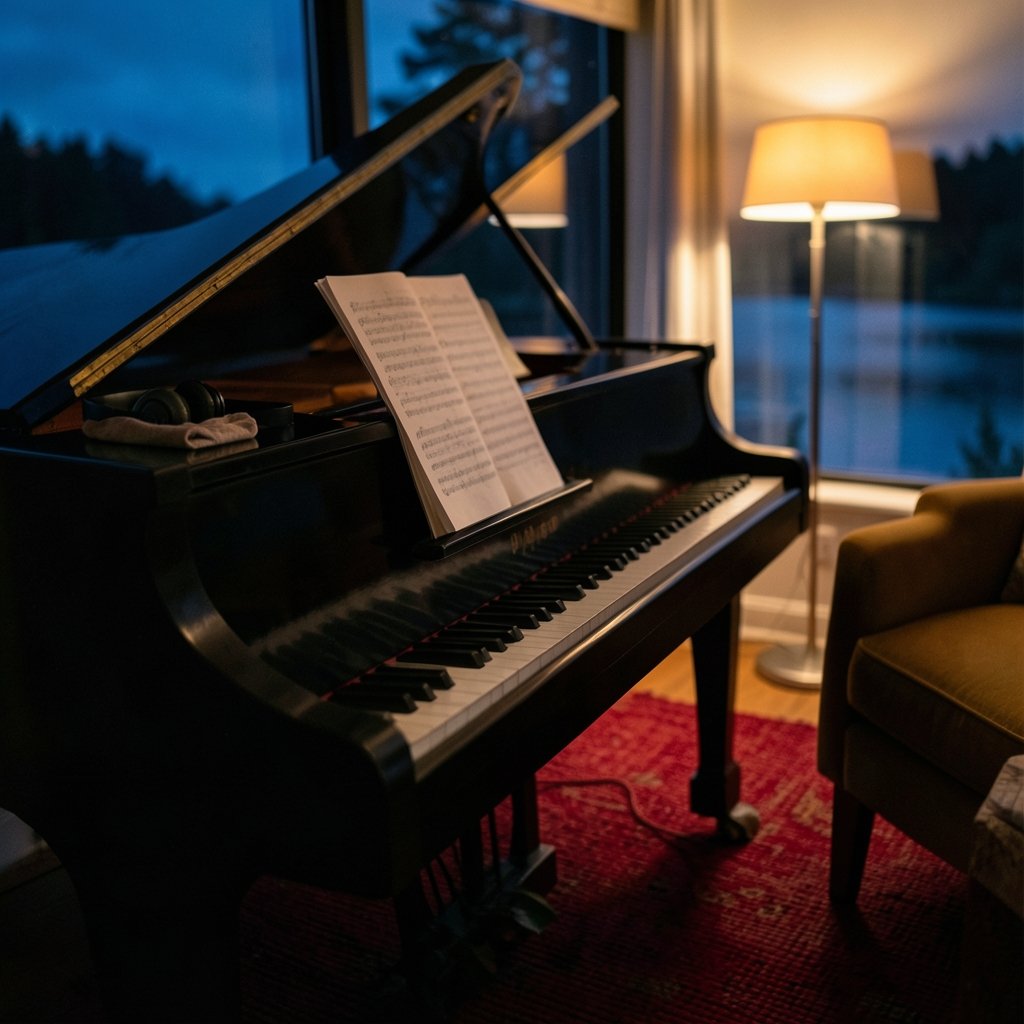
What makes a digital piano feel worth its price tag? It is rarely the flashiest feature on the spec sheet. More often, it comes down to how the keys respond under your fingers and whether the sound makes you forget you are playing a machine. The Yamaha CLP-835 Clavinova sits right in the middle of Yamaha’s CLP 800 series, and that middle position is exactly why it deserves a closer look. It borrows enough from the premium models to feel serious, yet it stops short of the flagship price bracket.
This article walks through what the CLP-835 offers, where it sits in the lineup, and how to decide whether it is the right piano for your home.
Where the CLP-835 Fits in the CLP 800 Series
The Clavinova CLP 800 series arrived in 2024 as Yamaha’s refresh of its long-running console piano line. The series runs from the entry-level CLP-825 up through the CLP-835, CLP-845, CLP-865GP, CLP-875, and CLP-885. The CLP-835 is the second rung up, which makes it the first model in the series to get a meaningful step up in touch and sound technology.
Understanding this ladder matters, because the biggest differences between CLP models come down to three things: the keyboard action, the sound engine, and the speaker system. The CLP-835 upgrades on all three compared with the entry model, while the models above it push each category further.
| Feature area | CLP-825 | CLP-835 | CLP-845 and above |
|---|---|---|---|
| Keyboard | GrandTouch-S (plastic keys) | GrandTouch-S with synthetic ebony/ivory keytops | GrandTouch (wooden white keys on higher models) |
| Sound modeling | VRM Lite | VRM Lite | Full VRM on higher models |
| Speaker system | Basic two-way | Two-way with more powerful amplification | Larger cabinets and stronger amplification |
| Bluetooth audio/MIDI | Included in series | Included in series | Included in series |
| Smart Pianist app | Supported | Supported | Supported |
The exact wattage figures and speaker counts vary, so check the official spec sheet for your region before buying. Regional SKUs sometimes differ, and firmware updates can change what features are active.
The Keyboard: GrandTouch-S and Why Keytops Matter
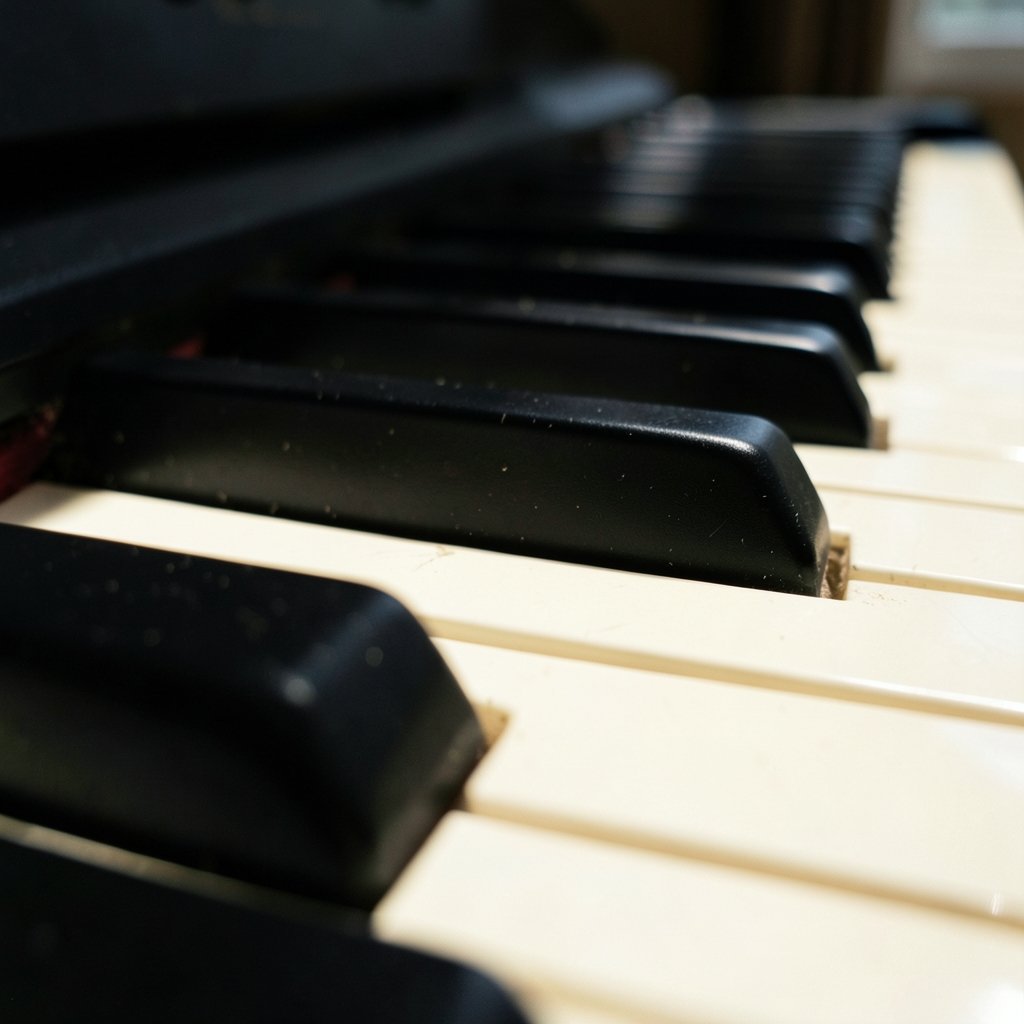
The CLP-835 uses Yamaha’s GrandTouch-S keyboard. It is a weighted, hammer-action design built to mimic the feel of an acoustic grand, and on the 835 it comes with synthetic ebony and ivory keytops. That detail sounds minor until you play for an hour. Real acoustic pianos use porous materials on the keys to absorb moisture, and synthetic keytops replicate that texture. Players with sweaty hands or long practice sessions notice the difference immediately.
It is worth being clear about what the 835 does not have. The wooden-key GrandTouch action appears on the higher models in the series. The 835’s keys are plastic with a textured finish. For most home players, students, and teachers, that is perfectly fine. For players who have spent years on a grand and are sensitive to the subtle flex of wooden keys, the upgrade to the CLP-845 or above may be worth considering.
Practical tip on touch
When testing any digital piano in a store, play a slow chromatic scale from the lowest key to the highest without looking at your hands. Listen for consistency in volume and feel. Then play the same scale at pianissimo. Cheap actions struggle to produce quiet, controlled notes. The GrandTouch-S handles this well, which is one reason teachers recommend it for students preparing for graded exams.
Sound: CFX and Bösendorfer Samples With VRM Lite
The CLP-835 draws on two flagship grand piano voices: the CFX, Yamaha’s own concert grand, and the Bösendorfer Imperial, the Viennese instrument known for its dark, rich tone. Having both means you can switch between a bright, projecting sound and a warmer, more intimate one depending on what you are playing.
Yamaha pairs these samples with VRM Lite, short for Virtual Resonance Modeling. In an acoustic piano, pressing a key sets off sympathetic vibrations in the strings and soundboard, and the sustain pedal amplifies this effect. VRM Lite simulates some of that behavior. The full version of VRM, found on higher CLP models, models more of these resonances in greater detail. On the 835, VRM Lite adds a sense of liveliness that basic sample playback lacks, even if it is not the complete picture.
The practical result is a piano that responds to how hard you play and how you use the pedal. Soft passages stay clean rather than thinning out, and sustained chords bloom slightly instead of sitting flat. If you want to hear how digital instruments recreate physical resonance more broadly, the real world examples of digital twins in working systems show how simulation of physical objects has become a serious engineering discipline, and piano modeling is a small, musical branch of the same idea.
Speakers and Amplification
The CLP-835 uses a two-way speaker system, meaning separate drivers handle lower and higher frequencies. This matters more than raw wattage. A single full-range driver tends to sound boxy, while a two-way setup gives cleaner separation between bass and treble. The 835’s cabinet is taller than the entry model’s, which gives the speakers more room to breathe and produces a fuller low end.
A common mistake buyers make is judging a digital piano by its built-in speakers alone in a noisy showroom. Speakers sound different in a living room with soft furnishings and carpets. If possible, ask to hear the instrument in a quieter space, or bring headphones you trust. The CLP-835 has a headphone output, and most players find the sound through good headphones more detailed than through the built-in speakers.
Connectivity and the Smart Pianist App
The CLP 800 series added Bluetooth audio and MIDI, and the CLP-835 includes both. Bluetooth audio lets you stream music from a phone through the piano’s speakers, which is handy for playing along with recordings. Bluetooth MIDI connects wirelessly to music apps.
The series also works with Yamaha’s Smart Pianist app for iOS and Android. The app lets you adjust voices, layer sounds, and access practice features from a phone or tablet instead of digging through button combinations on the instrument. It can also analyze songs in your music library and generate chord charts, which is a genuinely useful feature for anyone learning to play by ear.
USB connectivity handles MIDI to a computer and audio recording to a USB drive, depending on the model’s configuration. If you plan to record, check the manual for the exact recording formats supported in your region.
Cabinet, Finishes, and Placement in the Home
The CLP-835 is a console piano, meaning it comes with a built-in wooden stand and pedals rather than a detachable frame. Yamaha typically offers it in several finishes, including black, rosewood, and white, with regional variation. The console format looks like furniture rather than equipment, which matters if the piano lives in a living room.
Three pedals come standard: damper, sostenuto, and soft. The damper pedal supports half-pedaling, so partial pedal pressure produces partial sustain, just as on an acoustic. That is a feature worth testing before buying, because it affects how expressively you can play romantic repertoire.
Common mistakes when buying a console piano
- Measuring the room but not the doorway. Console pianos arrive assembled or in large boxes, and tight stairwells cause real problems.
- Skipping the bench. A fixed-height bench that is too low leads to wrist strain. Adjustable benches cost more but protect your posture.
- Placing the piano against an outside wall with direct sunlight. Finishes fade, and tuning stability suffers from temperature swings.
- Ignoring the floor. A piano on a hard floor sounds brighter and louder than one on carpet. Consider a rug if the room is echoey.
How the CLP-835 Compares With Rivals
The mid-range console market is crowded. Roland’s HP series and Kawai’s CA and CN lines compete directly with the CLP-835. Each brand has its own character. Kawai tends to emphasize wooden-key actions lower in its range, while Roland leans on its modeling technology. Yamaha’s strength is consistency: the CFX and Bösendorfer samples are widely liked, and the build quality is dependable.
The best approach is to compare in person. Play the same short piece on each instrument and pay attention to which one makes you want to keep playing. Specs inform the decision, but feel decides it.
If you are curious about how digital value is priced across other product categories, the debate over the PS5 disc vs digital price difference shows a similar pattern: the digital version often costs less upfront, but the physical version holds resale value. Digital pianos follow a related logic. A console model like the CLP-835 depreciates, but it holds value better than a bare stage piano because the cabinet and pedals are part of the package. (Cbdc digital currency central bank money going digital)
Who Should Buy the CLP-835?
The CLP-835 suits a few specific buyers well:
- Students preparing for graded exams. The GrandTouch-S action and half-pedaling support the technique exams require.
- Adults returning to piano. The sound is satisfying enough to keep practice interesting, and the app helps with learning songs by ear.
- Families buying one instrument for multiple players. The console format, headphone output, and Bluetooth streaming cover practice, lessons, and casual listening.
- Teachers who need a reliable home instrument. Consistent touch and tone make it easier to demonstrate properly.
Buyers who should look higher in the range include advanced players who want wooden keys, anyone who needs the fullest resonance modeling, and players in large rooms who need more amplification. Buyers on a tighter budget can consider the CLP-825, though they give up the textured keytops and some speaker performance.
Setting Up for the Best Sound
A few practical steps make a real difference after delivery:
- Place the piano at least a few inches from the wall so the cabinet can resonate freely.
- Keep it away from heating vents and direct sunlight to protect the finish and tuning.
- Use the headphone output for late-night practice; the CLP-835’s headphone mode adjusts the sound for close listening.
- Update the firmware if Yamaha releases one, since updates can refine touch response and add features.
One more tip: spend the first week playing without the app. Get to know the instrument’s default voice and touch before layering sounds and tweaking settings. Players who jump straight into customization often end up with a sound that hides the piano’s natural strengths.
Conclusion
The Yamaha CLP-835 Clavinova earns its place as the sensible middle of the CLP 800 series. It gives you the GrandTouch-S action with textured keytops, two celebrated grand piano voices, VRM Lite resonance, a two-way speaker system, Bluetooth, and Smart Pianist support, all wrapped in a cabinet that looks at home in a living room. It does not offer wooden keys or full VRM, and that is the honest trade-off at this price point. For students, returning players, and families who want one dependable instrument, the CLP-835 delivers the details that matter most: touch, tone, and the urge to keep playing. Try one alongside its rivals, trust your hands over the spec sheet, and the decision usually makes itself.
Frequently Asked Questions
Does the Yamaha CLP-835 have wooden keys?
No. The CLP-835 uses the GrandTouch-S keyboard with synthetic ebony and ivory keytops, which are plastic rather than wood. Wooden white keys appear on higher models in the CLP 800 series, such as the CLP-845 and above. The textured keytops still give a convincing grip and absorb moisture during long practice sessions.
What is the difference between VRM Lite and full VRM?
VRM stands for Virtual Resonance Modeling, which simulates the sympathetic vibrations of strings and soundboard in an acoustic piano. VRM Lite, used on the CLP-835, models fewer of these resonances than the full VRM found on higher CLP models. The result on the 835 is a lively, responsive sound, though the most detailed resonance behavior is reserved for the premium instruments.
Can I use headphones with the CLP-835?
Yes. The CLP-835 has a headphone output, and the instrument includes a headphone mode that adjusts the sound for close listening. This makes silent practice possible without disturbing others in the home. Many players find the sound through quality headphones more detailed than through the built-in speakers.
Does the CLP-835 work with the Smart Pianist app?
Yes. The CLP 800 series supports Yamaha’s Smart Pianist app for iOS and Android, and the CLP-835 is included. The app lets you change voices, layer sounds, and access practice features from a phone or tablet. It can also analyze songs and generate chord charts, which helps players learn by ear.
Is the CLP-835 good for beginners?
It is more piano than most beginners strictly need, but it is a strong long-term choice. The GrandTouch-S action builds proper finger strength, and the half-pedaling damper supports expressive playing as skills grow. Beginners who buy a cheaper instrument often upgrade within a few years, so the CLP-835 can save money over time.
How does the CLP-835 compare with the CLP-825?
The CLP-835 adds synthetic ebony and ivory keytops, a taller cabinet, and a stronger two-way speaker system compared with the entry-level CLP-825. Both use the GrandTouch-S action and VRM Lite. The 835 is the better choice for players who practice regularly and care about touch and sound quality.



