
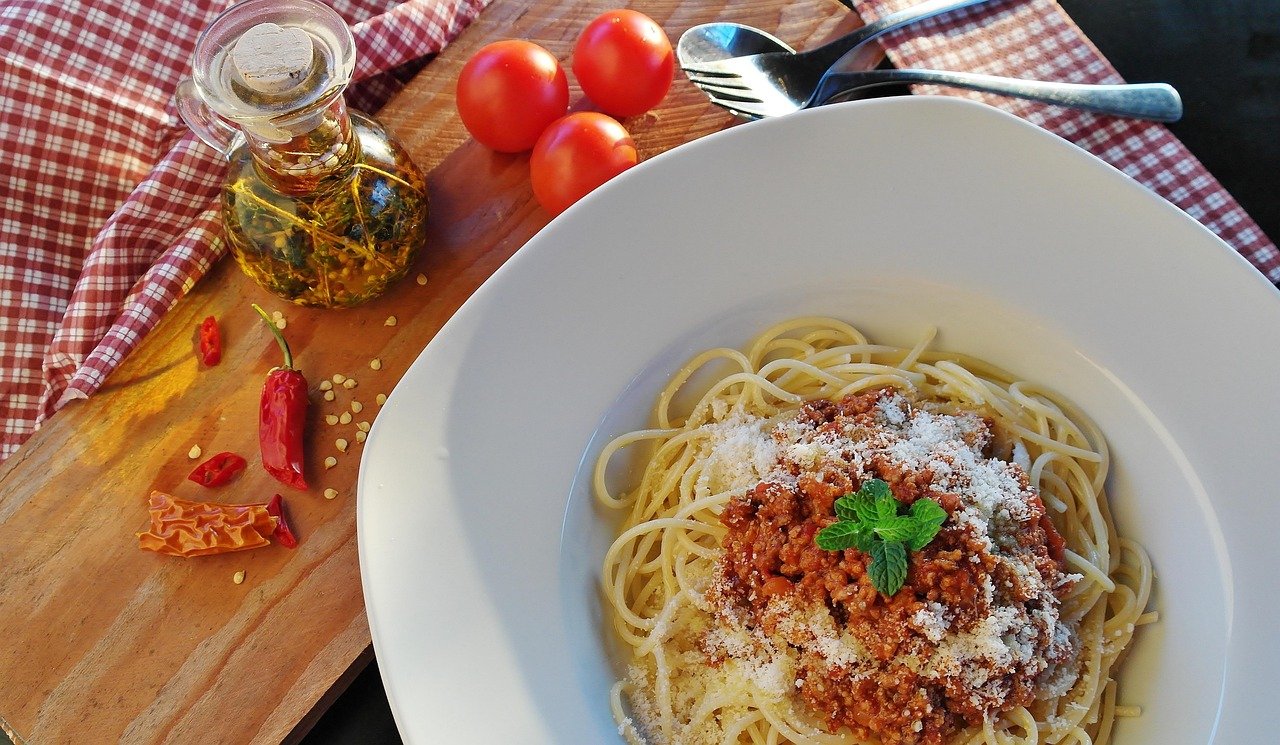
What if someone told you that a bowl of chili could start a family argument in Ohio faster than a political debate at Thanksgiving? That is exactly what happens when Cincinnati chili enters the room. Some people taste a warm, cinnamon-scented sauce that feels like comfort food from another culture. Others take one bite and ask why someone put dessert spices in their dinner. Both reactions are correct, and that is the strange magic of this dish.
Cincinnati chili is not a bowl of thick red chili with beans and peppers. It is a thin, deeply spiced meat sauce, simmered until the beef breaks into tiny grains, then ladled over spaghetti and buried under a snowfall of finely shredded cheddar. It has its own vocabulary, its own rules, and its own fiercely loyal fan base. This guide walks through how to make it at home, what actually works in the kitchen, and where home cooks usually go wrong.
What Makes Cincinnati Chili Different From Regular Chili
The first thing to understand is that Cincinnati chili is a sauce, not a stew. Texas chili is built around chunks of beef and dried chiles. Cincinnati chili is built around ground beef, water, and a spice blend that leans sweet and warm rather than fiery. The texture is almost silky, and the flavor is layered rather than hot.
The dish traces back to Macedonian immigrants Tom and John Kiradjieff, who served it at their Empress Chili parlor in Cincinnati starting around 1922. That date is the standard account repeated in most food writing, though it rests on later retellings rather than a single contemporaneous record. What is not in dispute is that the dish grew into a regional institution with its own chains, including Skyline Chili (commonly dated to 1949) and Gold Star Chili (commonly dated to 1965).
The signature spice blend usually includes cinnamon, allspice, cloves, and often a little cocoa or unsweetened chocolate, alongside chili powder, cumin, and sometimes a bay leaf. Here is the honest truth: there is no single canonical formula. Each parlor guards its own ratios, and home recipes vary widely. Anyone who tells you there is one authentic blend is selling confidence, not accuracy.
The “Ways” System, Decoded
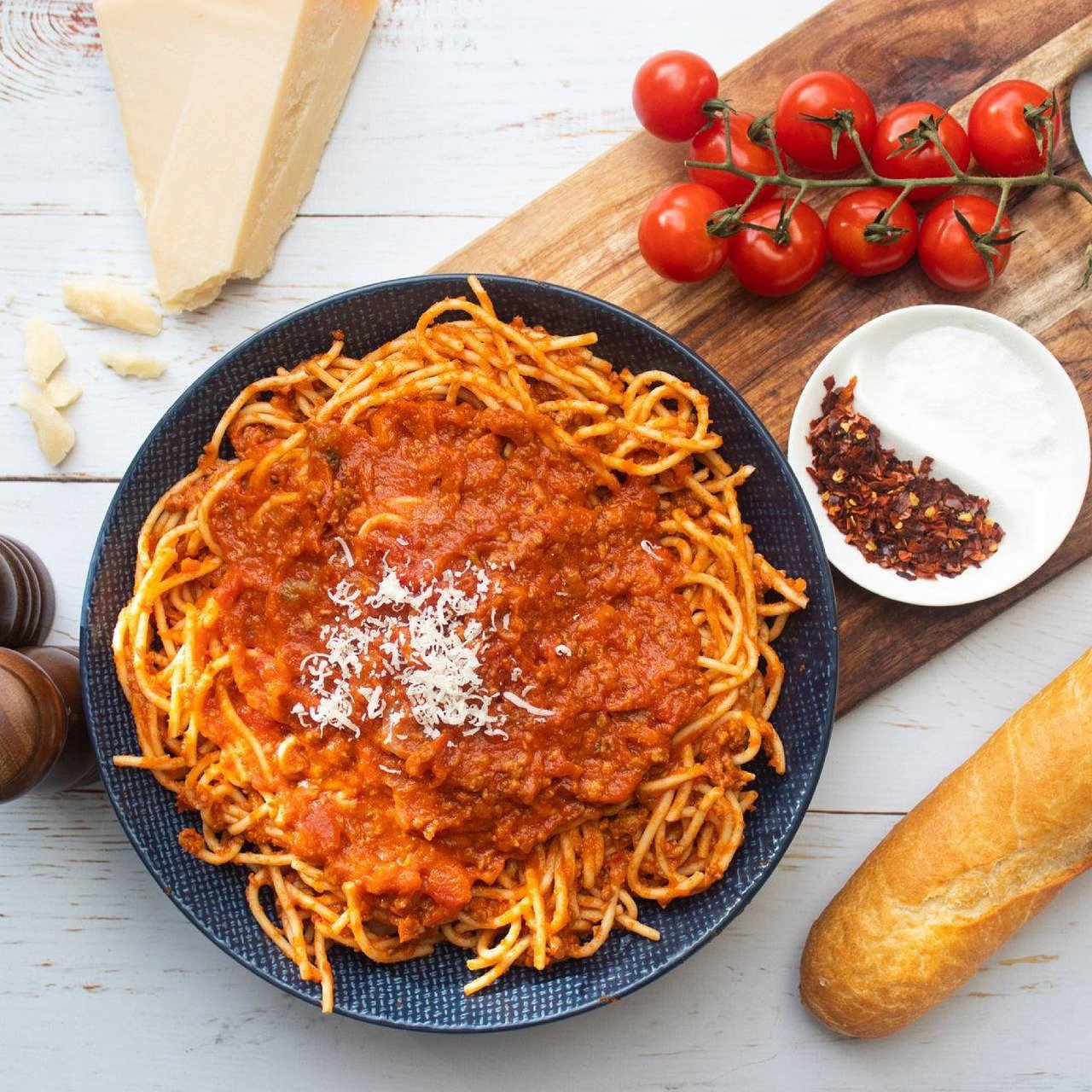
Ordering Cincinnati chili comes with its own language. Understanding the ways is half the fun, and it also tells you how to serve the dish at home.
| Order | What You Get |
|---|---|
| Two-way | Spaghetti topped with chili |
| Three-way | Spaghetti, chili, and finely shredded cheddar |
| Four-way | Three-way plus onions OR beans (you choose) |
| Five-way | Everything: spaghetti, chili, onions, and beans |
| Cheese coney | A hot dog with chili, mustard, onions, and cheese |
A three-way is the default order for most locals. If you are making this for the first time and want the classic experience, start there. The beans and onions are add-ons, not requirements, and the base chili itself contains no beans at all.
Before You Cook: Ingredients That Matter
The ingredient list is short, but a few choices change the outcome more than you would expect.
Ground beef. Use regular ground beef, not extra lean. The fat carries flavor and helps the sauce coat the spaghetti. Something in the 80/20 range works well.
The spice blend. Gather chili powder, cumin, cinnamon, allspice, ground cloves, and either cocoa powder or a small square of unsweetened chocolate. Add salt, black pepper, and a little cayenne if you want heat. A bay leaf or two is a common addition.
The liquid. Water is traditional, and some cooks use a mix of water and beef broth for depth. A splash of vinegar or Worcestershire sauce adds brightness.
The toppings. Finely shredded mild cheddar is non-negotiable. Pre-shredded bags are convenient but often coated in anti-caking agents that keep the cheese from melting into the sauce properly, so grate a block yourself if you can. Oyster crackers and a vinegar-based hot sauce are standard table companions.
The pasta. Thin spaghetti is traditional. Cook it just past al dente, because it will sit under a hot sauce.
Step-by-Step: How to Make Cincinnati Chili
This method follows the approach most published recipes use. It is forgiving, and it rewards patience more than technique.
- Combine the beef and water first. Put the ground beef in a pot with cold water, about two to three cups for a pound and a half of beef. Break it up with a spoon or whisk before turning on the heat. This is the step that creates the fine, granular texture.
- Add the aromatics and spices. Stir in diced onion, minced garlic, chili powder, cumin, cinnamon, allspice, cloves, cocoa, salt, and pepper. Add the bay leaf.
- Bring to a gentle simmer. Turn the heat to medium and bring the pot just to a bare simmer. Do not let it boil hard, which can make the meat clump.
- Simmer low and slow. Cook uncovered for about 60 to 90 minutes, stirring occasionally and skimming any foam that rises. The sauce should reduce and thicken but stay pourable. If it gets too thick, add a little water.
- Taste and adjust. Fish out the bay leaf. Add salt, a splash of vinegar, or more cayenne as needed. The flavor should be warm and complex, not sweet.
- Cook the spaghetti while the chili simmers.
- Assemble the ways. Pile spaghetti on a plate, ladle the chili over it, and top generously with finely shredded cheddar. Add onions, beans, or both if you are going five-way.
A Note on Timing
The chili improves if it rests. Many cooks make it a day ahead and reheat it, which lets the spices settle and the texture tighten. It also freezes well for up to three months.
Common Mistakes That Ruin the Dish
Home cooks run into the same handful of problems again and again. Knowing them in advance saves a disappointing dinner.
Browning the beef first. This is the biggest mistake. Browning creates crusty, separate crumbles and a richer, roasted flavor, which is great for burgers and wrong for Cincinnati chili. The traditional method simmers raw beef in water so it breaks into fine grains. If you brown first, you get a different dish.
Skipping the cinnamon. Some cooks cut the sweet spices because they sound strange. That removes the very thing that makes the dish distinctive. Use them, but keep the amounts moderate. Too much clove turns bitter fast.
Boiling instead of simmering. A hard boil toughens the meat and muddies the flavor. Keep the pot at a lazy simmer.
Using thick spaghetti or a chunky sauce. The dish is about balance: thin pasta, thin sauce, fine cheese. Chunky textures fight each other.
Under-cheesing. The cheese is not a garnish. It is a structural part of a three-way. Use more than feels reasonable, and shred it fine so it melts into the hot chili.
Serving it cold-ish. Plate the spaghetti hot, sauce hot, cheese cold and freshly grated. The temperature contrast is part of the experience.
Serving It Like a Local
Presentation matters more than outsiders expect. A few practical habits make the home version feel closer to the real thing.
- Warm the plates. The sauce cools quickly on a cold plate.
- Keep the cheese cold until the moment you serve. Cold cheese shreds cleaner and melts more slowly.
- Set out oyster crackers and hot sauce. Locals reach for both without being asked.
- Offer the ways as a choice. Let guests pick their own combination. It turns dinner into a small event.
If you enjoy building regional American comfort food at home, the same practical mindset carries over to other simple, satisfying dishes. Anyone who likes cooking from a short ingredient list will find plenty of ideas in these easy Finnish recipes at home, which share the same no-fuss, deeply flavored approach. The overlap is real: both traditions reward slow simmering and simple pantry staples.
Why Cincinnati Chili Divides People
The dish is famously polarizing. People raised on it describe it as comfort food tied to childhood, Friday nights, and family outings. People encountering it for the first time often cannot get past the cinnamon. That reaction is understandable: the American palate does not usually expect warm baking spices in a savory meat sauce.
The debate is not really about taste. It is about expectation. Cincinnati chili is a Greek-American creation, and its spice profile reflects that heritage more than it reflects Tex-Mex cooking. Once you stop measuring it against Texas chili and accept it as its own thing, the dish makes sense.
There is also a practical reason it endures. It is cheap, it feeds a crowd, it freezes well, and it comes together from pantry ingredients. Those qualities matter more than culinary purity, which is why the recipe has survived for a century.
Making It Your Own Without Breaking It
Purists will insist on the classic blend, but home cooks have room to adjust. A few safe variations keep the dish recognizable while fitting different tastes.
Heat level. Add cayenne or a chopped chipotle for warmth. Keep the sweet spices intact so the dish still reads as Cincinnati.
Beef alternatives. Ground turkey or a plant-based ground can work, though the texture will differ. Simmer gently and expect a softer result.
Slow cooker version. Combine everything in a slow cooker and cook on low for four to six hours, breaking up the meat thoroughly at the start. It is convenient, though the stovetop gives slightly better control over texture.
Freezer batches. Make a double batch and freeze half in flat bags. It thaws fast and reheats beautifully.
Conclusion
Cincinnati chili is one of those rare dishes that carries a whole city’s identity in a bowl. It is a spiced meat sauce built on cinnamon and patience, served over spaghetti under a blanket of sharp cheddar, and ordered in a language all its own. The recipe is simple enough for a weeknight and strange enough to start a conversation at the table.
The best way to judge it is to cook it properly once. Simmer the beef in water, resist the urge to brown it, keep the sweet spices in, and grate the cheese fresh. Then decide for yourself whether the hype and the heckling are both deserved. Most people, even the skeptics, come away with an opinion. That is the point.
Frequently Asked Questions
What is Cincinnati chili made of?
It is made from ground beef simmered in water with a spice blend that typically includes chili powder, cumin, cinnamon, allspice, cloves, and often cocoa or unsweetened chocolate. Diced onion, garlic, and a bay leaf are common additions. It is served over spaghetti and topped with finely shredded cheddar.
Why is Cincinnati chili served over spaghetti?
The dish was created by Greek-American restaurateurs in Cincinnati in the early 1920s and developed as a cheap, filling meal built on pasta and a spiced meat sauce. Serving it over spaghetti became the house style, and the tradition stuck as the dish spread through local chili parlors.
What does three-way mean in Cincinnati chili?
A three-way is spaghetti topped with chili and finely shredded cheddar cheese. A two-way is just spaghetti and chili. A four-way adds either onions or beans, and a five-way includes both onions and beans.
Does Cincinnati chili have beans in it?
The base chili does not contain beans. Beans are an optional topping that turns a three-way into a four-way, or contributes to a five-way. This is one of the key differences between Cincinnati chili and Texas-style chili.
Should you brown the beef before making Cincinnati chili?
No. The traditional method puts raw ground beef in cold water and breaks it apart as it heats, which creates the fine, granular texture the dish is known for. Browning the beef first gives a chunkier, roasted flavor that is good in other dishes but not typical of Cincinnati chili.
Is Cincinnati chili very spicy?
Not usually. The heat level is mild to moderate, and the dominant flavors are warm and aromatic rather than hot. Cayenne or hot sauce can be added at the table for people who want more kick, and a vinegar-based hot sauce is a standard accompaniment.



