
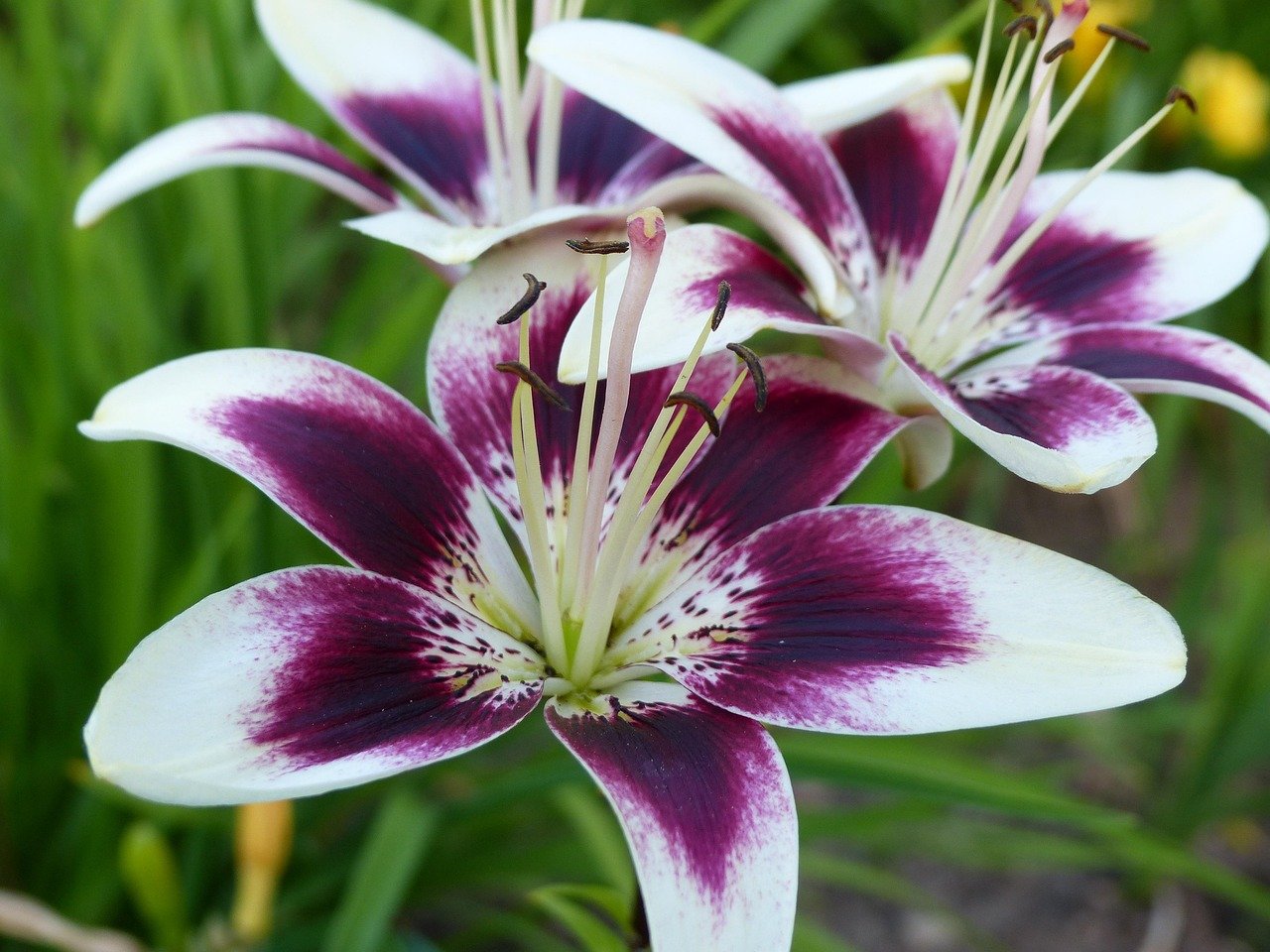
What if the brightest, easiest lily you can grow is also the one that could land your cat in an emergency clinic? That’s the strange bargain Asiatic lilies offer. They’re tough, affordable, early to bloom, and available in nearly every color except true blue. They’re also genuinely dangerous to cats, and that fact deserves to sit right at the top of any honest conversation about them.
This article covers what Asiatic lilies actually are, how they differ from Oriental lilies, how to plant and care for them so they come back year after year, which problems trip people up, and exactly how careful you need to be around pets. It’s written for gardeners who want straight answers rather than catalog copy.
What Are Asiatic Lilies, Exactly?
Asiatic lilies are a group of garden hybrids in the genus Lilium, bred mainly from Asian species such as L. lancifolium, L. davidii, L. bulbiferum, and L. cernuum. The important thing to understand is that they are a cultivar group, not a wild species. There’s no single plant called “the Asiatic lily” in nature. When a supplier sells you ‘Orange Pixie’ or ‘Lollypop’, you’re buying a human-made hybrid with a documented parentage somewhere in that Asian species mix.
This matters for two reasons. First, hardiness and height vary enormously between cultivars, so a blanket claim like “hardy to zone 4” is only as good as the specific variety. Second, it explains why the group is so variable in color: breeders have pushed the gene pool hard, producing whites, creams, yellows, oranges, reds, pinks, and deep maroons, often with speckles or brushmarks.
Botanically, garden lilies are sorted into divisions, and Asiatic hybrids sit in Division I. That classification is the practical reason growers talk about “Asiatics” as a category at all: it groups plants with similar culture, similar bloom timing, and similar garden behavior.
Asiatic vs. Oriental Lilies: The Comparison That Actually Matters

Most confusion about lilies comes down to mixing these two groups up. They look related, they’re sold side by side, and they behave quite differently.
| Feature | Asiatic Lilies | Oriental Lilies |
|---|---|---|
| Bloom timing | Early to midsummer | Later in summer |
| Fragrance | Generally unscented | Strongly fragrant |
| Flower orientation | Usually upward or outward facing | Often outward to nodding |
| Petal texture | Often thicker, more waxy | Thinner, more open |
| Soil preference | Well-drained, tolerates slightly alkaline | Acidic, humus-rich, reliably moist |
| Typical use | Front and middle of borders, containers | Back of borders, cutting gardens |
The fragrance difference is the fastest way to tell them apart in the field. If you lean in and get nothing, you’re probably looking at an Asiatic. If it hits you from three feet away, it’s likely an Oriental.
There’s a practical upside to the lack of scent: Asiatics work well in small rooms and hospital-type settings where heavy perfume is unwelcome. The tradeoff is that they don’t have that evening-garden drama Oriental lilies deliver.
Why Asiatic Lilies Are Popular With Real Gardeners
Three things keep these plants in catalogs year after year.
They bloom early. In most temperate gardens, Asiatics open well before the Oriental types, which means they carry the border through that awkward stretch between the last tulips and the first real summer perennials. That timing alone earns them space.
They’re relatively undemanding. Give them sun and drainage and they mostly get on with it. They don’t need the deep acid soil that Oriental lilies prefer, and they tolerate a wider range of conditions.
They’re cheap and fast. Bulbs are inexpensive compared to many perennials, and a decent-sized bulb will often flower in its first season. For someone filling a new border on a budget, that’s hard to beat.
They also cut well. The waxy petals hold up in a vase, and the stems are stiff enough to stand without support in most conditions.
How to Plant Asiatic Lilies So They Actually Come Back
The single biggest reason lilies fail is bad drainage. Bulbs sitting in wet soil rot, and by the time you notice yellowing foliage, the bulb is usually gone. Everything else is secondary.
- Plant in autumn in temperate zones, while soil is still warm enough for roots to establish before winter.
- Choose full sun to light shade. A few hours of afternoon shade helps in hot climates and slows fading of the darker reds.
- Improve drainage before planting. On heavy clay, dig in grit or coarse organic matter, or plant on a slight mound. This one step prevents most losses.
- Set bulbs about three times their own height deep. Deeper planting helps stems anchor and moderates soil temperature.
- Space them roughly 8 to 12 inches apart so air moves between stems and foliage dries quickly.
- Water in, then leave them alone. Fall and winter wet is the enemy, not drought.
- Mulch lightly after the ground cools, not before, so you don’t trap warmth and invite rot.
A common mistake is planting lilies in a low spot that looks fine in August and turns into a pond in February. If water stands anywhere in your garden for more than a day, that’s not a lily spot.
Another frequent error is cutting the foliage back too early. The stem and leaves feed the bulb for next year’s flowers. Leave them until they yellow and collapse on their own, even though the border looks tired.
Caring for Asiatic Lilies Through the Season
Once established, the maintenance is modest.
Water during dry spells while buds are forming. Once flowering finishes, ease off. Bulbs in damp summer soil are more likely to rot than bulbs in dry summer soil.
Feed lightly in spring as shoots emerge. High-nitrogen feeds push soft growth that aphids love; a balanced or low-nitrogen approach is safer.
Stake only if needed. Most Asiatics stand on their own, but tall cultivars in windy, exposed sites benefit from a discreet stake placed at planting time rather than shoved in later.
Deadhead spent flowers to stop the plant putting energy into seed pods, unless you want to try growing from seed. Leave the stem.
Divide clumps every three or four years when flowering thins or stems crowd. Lift after foliage dies back, separate the bulbs, and replant immediately.
Pests and Diseases: What Actually Goes Wrong
Asiatic lilies have a short list of real problems, and most of them are manageable without drastic measures.
Lily beetle is the headline pest in many regions. The adults are bright scarlet, and the larvae cover themselves in their own excrement, which makes them easy to overlook. Both stages strip foliage fast. The practical approach is to check plants from spring onward, pick adults and larvae off by hand, and look for the orange egg clusters on leaf undersides. Early intervention matters far more than any spray.
Aphids cluster on buds and young growth. A strong jet of water handles light infestations; repeated heavy infestations are usually a sign of excess nitrogen feeding.
Basal rot is the disease that kills plants. It’s a drainage problem dressed up as a pathogen. Improving soil structure and never planting into waterlogged ground is the fix; once a bulb is mushy, it’s finished.
Botrytis shows up as brown spotting on leaves in cool, damp springs. Better spacing and removing affected foliage early limits it.
Virus symptoms, such as mottled or streaked leaves and distorted flowers, can’t be cured. Dig and dispose of affected plants rather than composting them, and control aphids, which spread viruses between plants.
The Cat Problem: This Is Not a Minor Warning
Here’s where the tone has to change. Lilies are highly toxic to cats, and this applies to the whole Lilium genus, including Asiatics. Ingestion of any part of the plant, including petals, leaves, stems, and pollen, can cause acute kidney injury. So can drinking the water from a vase holding cut lilies. Grooming pollen off their fur after brushing past a flower counts too.
The mechanism is worth understanding because it explains the urgency. The toxic principle isn’t well characterized, but the effect is rapid and severe kidney damage. Cats are also notoriously inclined to chew plants, and a single curious nibble is enough. There is no safe “small amount.”
What this means in practice:
- Don’t keep Asiatic lilies in households with cats, indoors or in a vase. Cut flowers are the most common route to exposure because they come inside.
- If you garden outdoors and own a cat, be aware that cats do wander into borders. Remove spent flowers and fallen anthers promptly, and don’t compost lily waste where a cat can reach it.
- Treat any suspected exposure as an emergency. Don’t wait for symptoms. Kidney damage can begin before a cat looks unwell, and by the time vomiting or lethargy appears, the window for effective treatment is narrowing.
Dogs are also listed as affected by lily toxicity, though the classic severe kidney syndrome is best documented in cats. The safe assumption for a dog that has eaten lily material is still to call a vet.
For people, lily pollen and plant material are not a recognized serious poisoning hazard in the way they are for cats, but handling can irritate sensitive skin. Gloves are sensible if you’re deadheading a lot of stems.
Pollen Stains and Other Practical Annoyances
Asiatic lily pollen is heavy, bright, and stains fabric aggressively. A ripe anther brushed against a pale shirt or a tablecloth can leave a mark that survives normal washing. This is why florists and gardeners routinely snip the anthers off before flowers open fully.
The technique is simple: as buds color up but before they open, pinch out the anthers with fingers or tweezers. The flower still looks good, and you avoid the mess. If a stain does happen, resist rubbing it in. Lift the pollen off the surface rather than pressing it deeper, and treat the fabric promptly.
Where Asiatic Lilies Fit in a Planting Scheme
Because they bloom early and then fade, Asiatics work best when paired with plants that take over afterward. Good companions are perennials that emerge late and fill the gap: hardy geraniums, nepeta, salvia, and ornamental grasses. The lily stems stay green and upright while the neighbors grow up around them, hiding the fading foliage.
In containers, dwarf Asiatic cultivars are excellent. They’re compact, they flower hard, and you can move pots out of reach if you have pets or small children.
For anyone tracking plant costs against garden value, early-blooming bulbs like these are a reasonable investment. The same budgeting logic applies to garden spending as to any other household line item, which is why resources like these money tips for anyone following fintech coverage are worth a look when you’re planning a bigger landscaping project.
Common Mistakes Worth Avoiding
A few errors show up again and again among gardeners new to lilies.
Planting too shallow is one. Shallow bulbs wobble, dry out, and produce weak stems. Plant deeper than feels right.
Buying unnamed bulbs at a discount is another. Without a cultivar name you have no idea of height, hardiness, or color, and cheap mixed bags often deliver muddy oranges and pale yellows rather than the shades on the packet.
Ignoring the cat risk is the most serious. People buy a beautiful bunch, put it on the kitchen table, and don’t connect the plant to the emergency visit three days later. If there’s a cat in the house, lilies simply shouldn’t come indoors.
Finally, overwatering in summer. Lilies are not bog plants. Once they’re up and growing, they’d rather be a bit dry than constantly damp.
Conclusion
Asiatic lilies earn their place in the garden on merit: early flowers, a huge color range, modest demands, and reliable performance in well-drained soil and sun. They’re the practical lily for the front of a border, a cutting patch, or a pot on a patio.
But the cat warning isn’t a footnote to be skimmed. It’s the single most important thing to know about this group. If you share a home with a cat, enjoy Asiatic lilies outdoors and keep them out of vases and off tables. If you don’t, plant them deep, give them drainage, watch for lily beetle, and let the foliage die back on its own. Do that, and they’ll reward you with a repeat performance every June.
Frequently Asked Questions
Are Asiatic lilies toxic to cats?
Yes, and severely so. The entire Lilium genus is highly toxic to cats, and ingestion of any part, including pollen and vase water, can cause acute kidney injury. This is a medical emergency, not a wait-and-see situation. Keep cut lilies out of any home with a cat.
Do Asiatic lilies come back every year?
Yes, they’re perennials. Given well-drained soil and foliage left intact until it dies back naturally, bulbs persist and multiply. Clumps can be divided every three or four years when flowering thins.
What’s the difference between Asiatic and Oriental lilies?
Asiatics bloom earlier, are generally unscented, and prefer well-drained, slightly alkaline soil. Orientals bloom later, are strongly fragrant, and want acidic, reliably moist soil. Flower orientation and petal texture also differ.
How deep should Asiatic lily bulbs be planted?
About three times the bulb’s own height. Deep planting helps stems anchor and moderates soil temperature. Plant in autumn, space bulbs 8 to 12 inches apart, and make sure drainage is good before you start.
Why didn’t my Asiatic lilies flower this year?
The usual culprits are too much shade, bulbs that have become overcrowded, foliage cut back too early the previous season, or bulbs sitting in wet soil and rotting. Check drainage first, then light levels, then clump density.
Should I remove the pollen from Asiatic lilies?
Many gardeners do, especially for cut flowers. The pollen is heavy and stains fabric badly. Pinch out the anthers as buds color up but before they open; the flower still looks fine and you avoid the mess.



