
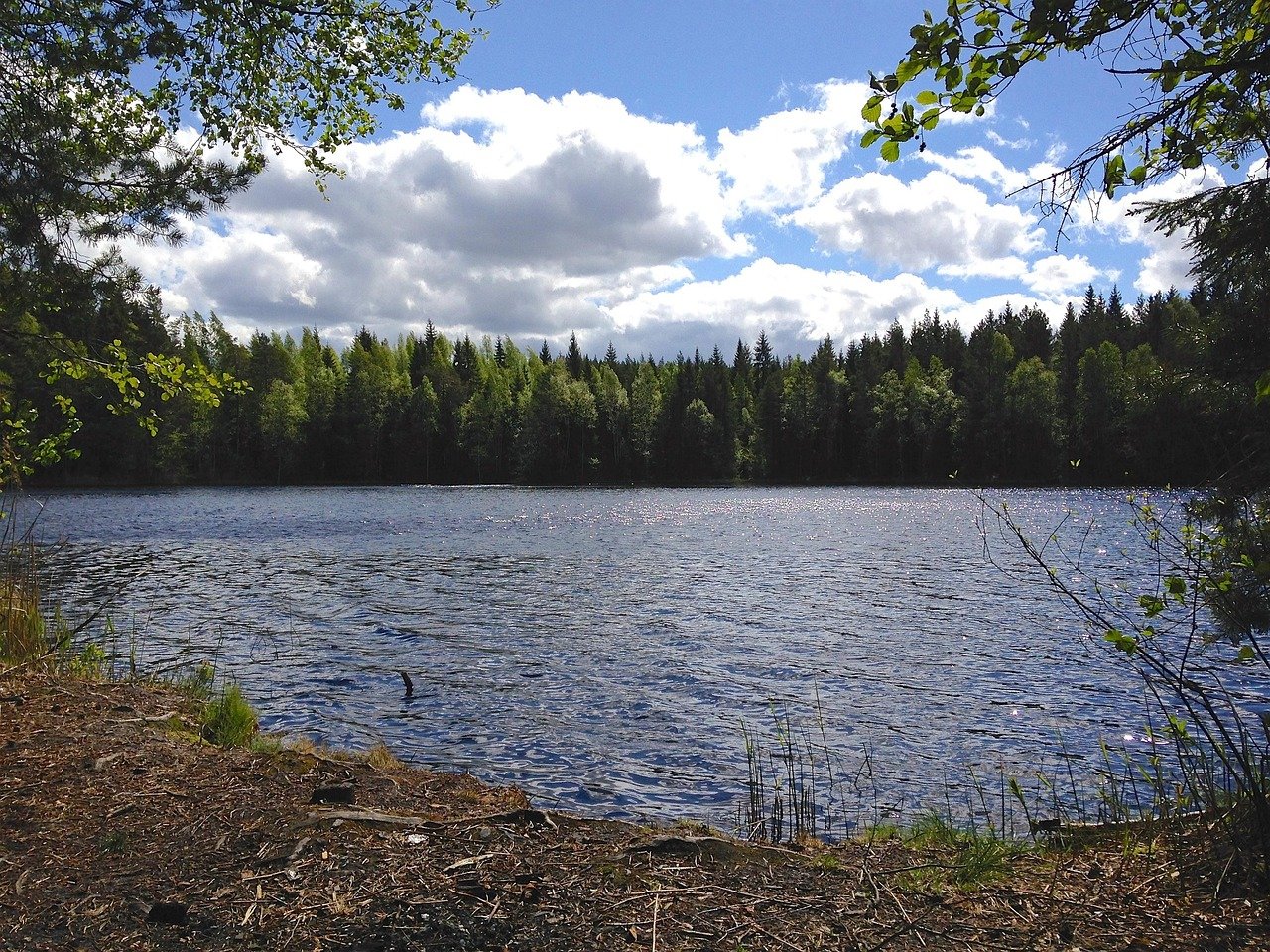
What if the quietest place you visit this year turns out to be the one you remember longest? That is the odd thing about the Finnish countryside. It rarely shouts for attention. A gravel road, a red wooden house, a lake with no buildings on the far shore, and a sky that stays bright at eleven at night. People arrive expecting a postcard and leave with something more useful: a working understanding of how rural life actually runs in a country where half the population lives in a handful of cities and the rest is spread thin across forests and fields.
This guide covers what countryside Finland is like in practice, from land access rules to the small practicalities that trip up first-time visitors. It is written for travelers, movers, and the merely curious.
Why the Finnish Countryside Feels Different From Other Rural Places
Most European countryside has been shaped by agriculture for centuries. Finland’s countryside has been shaped by forest, water, and distance. Roughly three quarters of the country is forested, and the country holds more than 180,000 lakes by the usual count. That combination produces terrain where the road bends around rock outcrops and the nearest neighbor may live a kilometer away.
The population picture matters too. Finland’s population is heavily concentrated in the south, especially around Helsinki, Tampere, and Turku. Outside those centers, many municipalities have been losing residents for decades. This is not a secret or a sore point; it is openly discussed in regional policy. The practical result is that rural Finland has a lot of space, a lot of silence, and a smaller pool of services than visitors expect.
The Everyman’s Right: The Rule That Makes the Countryside Accessible
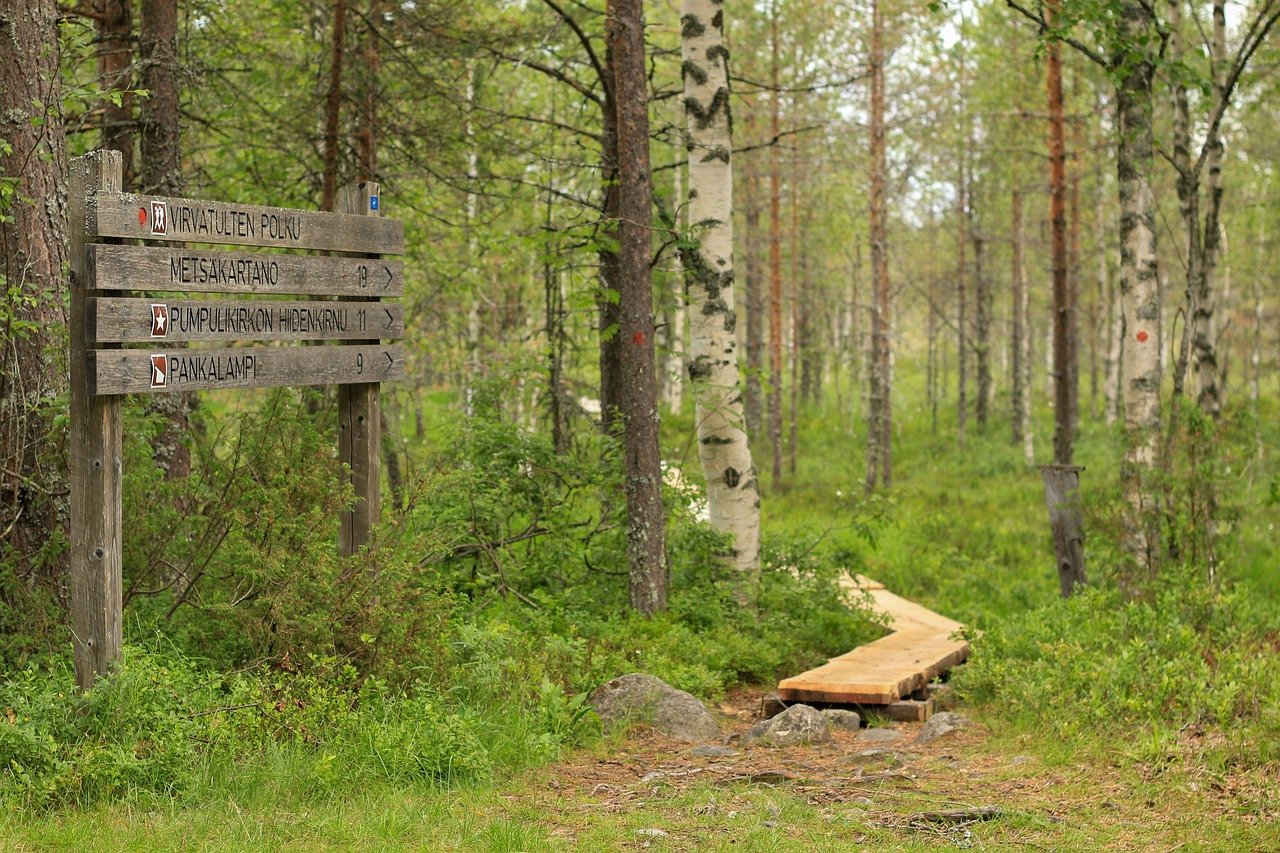
The single most important thing to understand about the Finnish countryside is jokamiehenoikeus, usually translated as the everyman’s right or right of public access. It is not a law passed by parliament so much as a long-standing custom that has been codified and clarified over time.
In practical terms, it means anyone may walk, ski, or cycle on land owned by someone else, provided they do not cause damage or disturbance. You may also camp temporarily, pick berries and mushrooms, and use waterways for boating. This is why a visitor can wander into a forest that belongs to a private landowner and feel entirely within their rights, because they are.
The right comes with real limits, and these are where newcomers get into trouble.
| Allowed under everyman’s right | Not allowed |
|---|---|
| Walking, skiing, cycling off private yards and fields | Crossing yards, gardens, or planted fields |
| Picking berries and mushrooms | Taking wood, moss, or lichen |
| Temporary camping away from homes | Camping near buildings or causing disturbance |
| Boating and swimming | Driving motor vehicles off-road |
| Fishing with a simple line and hook | Net fishing or other regulated methods |
Two mistakes come up again and again. First, people assume everyman’s right covers motorized travel, and it does not; off-road driving requires landowner permission and often a permit. Second, people light fires without checking. Open fire always requires the landowner’s permission, and during dry periods fire warnings can ban all open flames, including campfires. Check the current warning before striking a match.
What Rural Municipalities Actually Offer
The Finnish countryside is not empty of services, but it is selective. A municipality of three thousand people will usually have a grocery store, a school, a health center of some kind, and a library, though the library may be a bus that visits on Thursdays. What it will not have is a wide choice of restaurants, late-night shopping, or public transport running hourly.
This matters for anyone considering a longer stay. The pattern that works is to anchor yourself in a village with a kyläyhdistys, a village association. These volunteer groups are the quiet engine of rural Finland. They run summer markets, maintain ski trails, organize events, and often manage shared facilities. Getting in touch with one is the fastest way to understand a place, and it is a far better use of an afternoon than driving around looking for signs.
Broadband is another practical consideration. Rural connections have improved a lot through public subsidy programs, but coverage is uneven. If remote work is part of the plan, confirm the connection at the specific address rather than the general area. Mobile coverage can also drop in valleys and deep forest, which surprises people who assume a Nordic country has flawless networks everywhere.
For those weighing a move abroad more broadly, it helps to think in terms of fit rather than ranking, and a guide to choosing a study abroad country that fits you makes the same point about matching a place to your actual daily needs.
Seasons, Light, and the Practical Calendar
The Finnish countryside runs on a seasonal clock that visitors underestimate. Summer brings nearly endless daylight in the south and true midnight sun in Lapland. Winter brings the opposite: short days, deep snow in the north, and a quiet that is genuinely total.
Each season has a practical consequence.
- Late spring to midsummer: berry and mushroom season begins, cabins open, lake water is cold but swimmable by July.
- Midsummer: the biggest rural celebration of the year, with bonfires and gatherings. Book accommodation early.
- Autumn: mushroom picking peaks, hunting season starts, and the forest turns gold for a few weeks.
- Winter: skiing, ice fishing, and northern lights in the north. Many rural services reduce hours or close.
- Late winter: the thaw, when rural roads turn soft and some remote routes become difficult.
The most common mistake is arriving in a rural area in shoulder season without checking whether the one restaurant in the village is open. It may not be. Bring food, or confirm opening hours before you set out.
Getting Around Without a Car
Public transport exists in rural Finland but is designed around residents, not tourists. School buses run on school days. Some municipalities operate call-a-ride services. Trains connect the larger towns, and buses fill gaps, but a timetable that looks reasonable on a map can leave you stranded for four hours.
The honest answer is that a car transforms the rural experience. Without one, you are limited to villages on a rail or bus line and to walking and cycling locally. Cycling is genuinely excellent, with quiet roads and, in many areas, well-marked routes. Just remember that distances on a Finnish map are deceptive. What looks like a short hop can be twenty kilometers of forest road.
For anyone who loves the idea of rural recreation as a hobby rather than a lifestyle, the range of countryside games and outdoor activities worth trying gives a sense of how much of rural culture is built around being outside together.
Food, Foraging, and the Local Economy
Foraging is not a niche hobby in Finland; it is a normal part of the year. Every autumn, families head into the forest for mushrooms and berries, and the everyman’s right protects the practice. Cloudberries, lingonberries, and bilberries are the prizes, and the mushroom knowledge passed down is serious business.
Rural food culture is plain and seasonal. Rye bread, root vegetables, lake fish, and game appear on tables according to the calendar. Small farm shops and roadside stands operate on trust, often with an honesty box rather than a cashier.
The local economy is a mix of forestry, agriculture, tourism, and increasingly remote work. Forestry remains significant, and state-owned forests are managed by a public body, which means much of the land you walk through is publicly owned and openly accessible. That access is one of the genuine pleasures of the Finnish countryside: a marked trail through state forest, a lean-to shelter with a fire pit, and no entrance fee.
What Surprises Visitors Most
A few things reliably catch people off guard.
The cash question. Finland has moved far toward card and mobile payments, and rural shops are no exception. A traveler who assumes rural equals cash-only will be wrong. The wider shift toward a nearly cashless economy, as seen with the Swedish krona, applies across the Nordic region, and carrying a small amount of cash is still sensible for markets and honesty boxes, but it is no longer essential.
The silence. People describe it as strange, then miss it when they leave. There is no background hum in much of rural Finland, and that takes a day or two to adjust to.
The sauna. It is not a spa treatment; it is a household institution. Nearly every rural home and cabin has one, and declining an invitation is more awkward than accepting.
The mosquitoes. Late June and July in lake country means mosquitoes. Repellent is not optional. This is the single most common complaint from first-time summer visitors, and it is entirely predictable.
The darkness. Winter in the north is cold, and it is dark for much of the day. People who think they will be fine often are not, and a daylight lamp is a reasonable thing to pack.
Planning a Stay That Actually Works
For a first visit, pick one region and stay put rather than trying to cover the country. Lakeland in the east and center offers the classic lake-and-forest experience with reasonable access. The west coast has flatter farmland and a different feel. Lapland is its own category entirely and deserves a dedicated trip.
Book accommodation directly with cabin owners where possible. Many rural cabins are family-owned and rented through local listings, and direct contact gets you better information about the road, the boat, and the sauna. Ask specifically about the access road condition and whether the cabin has running water, because “wilderness cabin” can mean exactly that.
If you plan to work remotely, test the connection before committing to a month. If you plan to travel in winter, confirm that the road is plowed and that your rental car has proper tires, which are legally required in winter conditions.
And if you are bringing a teenager who is worried about being bored, the answer is usually to give them a job: chopping wood, rowing the boat, fishing. Rural Finland rewards participation. The people who enjoy it most are the ones who stop treating it as scenery and start treating it as a place where things get done. Even the question of how to make money as a teenager through real jobs and side hustles looks different when the nearest town is twenty kilometers away and the work in front of you is practical.
Conclusion
Countryside Finland is not a theme park version of rural life. It is working countryside with real rules, real distances, and real seasons, and it rewards people who plan around those facts instead of fighting them. Learn the everyman’s right before you walk into a forest. Confirm the broadband and the road before you commit to a month. Bring repellent in July and a daylight lamp in January. Talk to the village association, buy from the roadside stand, and accept the sauna invitation.
Do those things and the quiet stops being empty. It becomes the point.
The rewards are cumulative. A second visit is easier than the first, and a third begins to feel like returning rather than arriving. Learn a few Finnish phrases, however badly pronounced; rural residents appreciate the attempt far more than they let on. Respect hunting season by wearing high-visibility clothing on forest trails in autumn. Join a talkoot, the voluntary work parties that still maintain shared spaces, if the chance arises. Above all, slow down. The countryside sets its own pace, and the visitors who fight it are the ones who leave disappointed. Those who accept it tend to come back, year after year, until the place stops being a destination and becomes a habit.



