
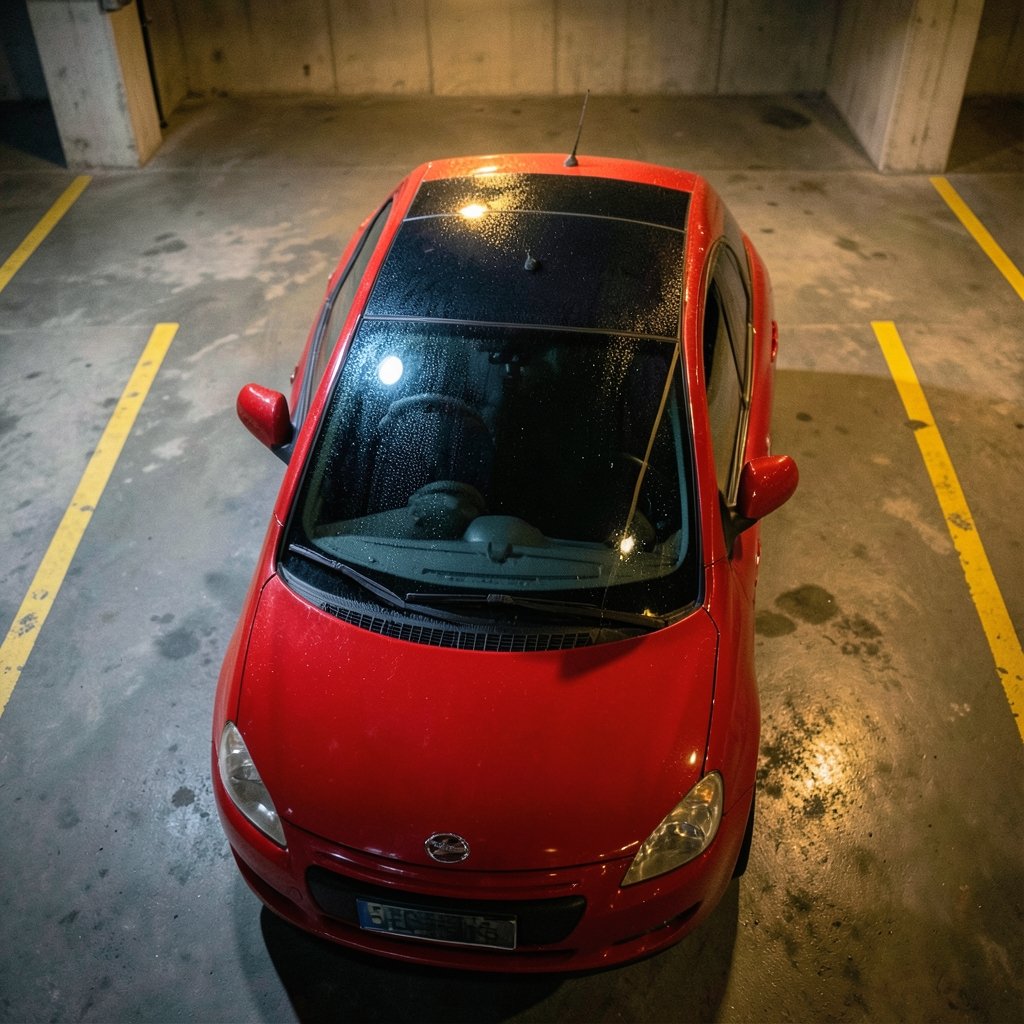
What if the feature you have been calling a sunroof for years is really a moonroof, and nobody bothered to tell you? Walk through any parking lot and ask five owners to point at the difference, and you will likely get five different answers. That confusion is not the drivers’ fault. The two words describe overlapping ideas, and no official body has ever drawn a hard line between them.
This guide sorts out the mess. It covers where the terms came from, how the hardware actually differs, what the labels mean on a dealer’s spec sheet, and the practical stuff owners care about: leaks, safety, weight, and resale value.
The Short Answer, Up Front
There is no industry standard that defines either term. Sunroof and moonroof are marketing language, not technical or legal classifications. That single fact explains most of the debate.
Still, a working convention has settled in across North America:
- A sunroof is usually a panel that opens. It tilts up or slides back to let air in. It may be made of metal or glass.
- A moonroof is usually a glass panel that lets light in. It may be fixed, or it may tilt, but it does not slide fully open.
Many sources ignore that split entirely and use the words interchangeably. Some call any glass panel a moonroof, even one that slides wide open. So when someone insists a moonroof cannot open, they are describing a convention, not a rule.
The term moonroof itself is widely attributed to 1970s North American marketing for glass panels that let occupants see the night sky. Treat that as commonly reported history rather than documented fact. No single authoritative origin source has been confirmed.
Where the Words Came From
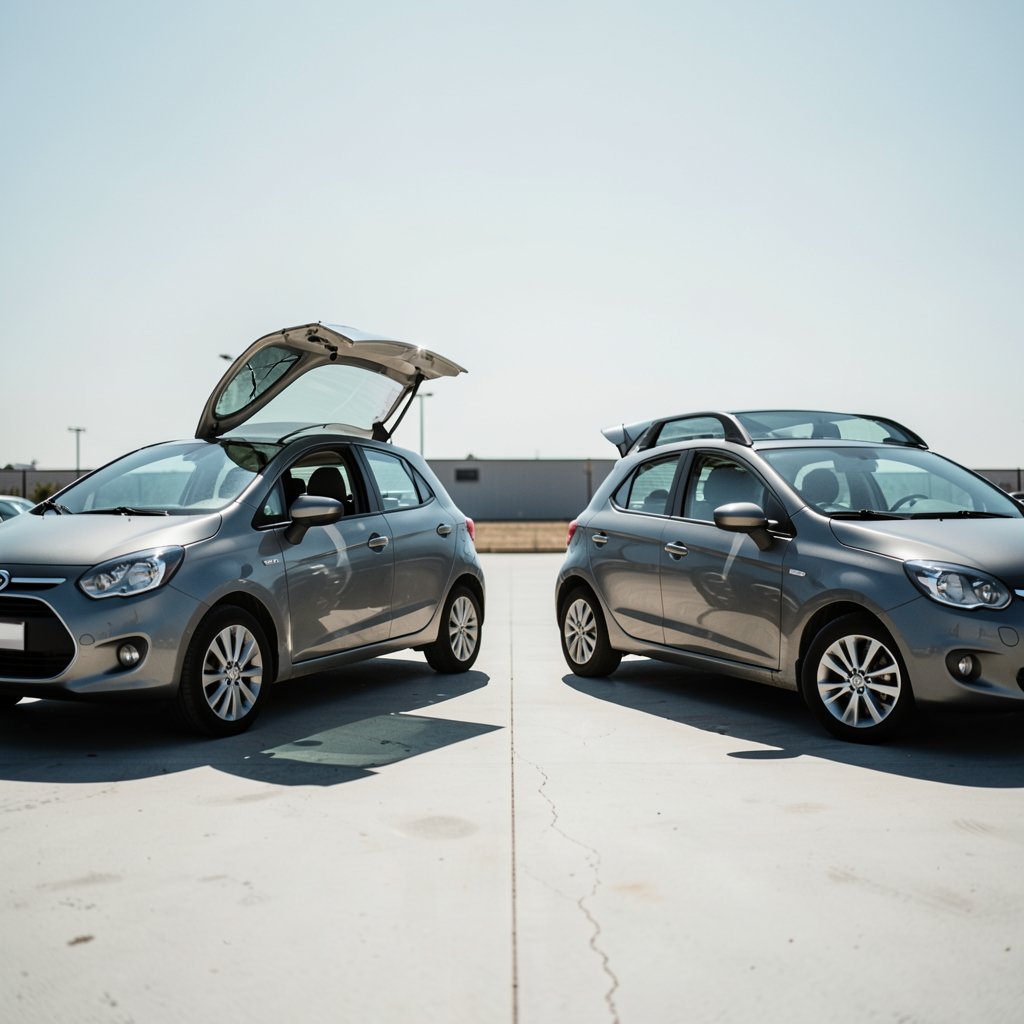
The word sunroof is older and broader. In British English it still covers every variant, including glass panels that slide. Brits tend to say tilt-and-slide for the opening kind and panoramic roof for the large multi-panel glass jobs, often with a powered sunshade.
Moonroof arrived later as a North American sales term. The pitch was simple: a glass panel that lets in moonlight as well as daylight. Marketing departments liked it because it sounded premium. The label stuck, and the confusion stayed.
Side by Side: How They Actually Differ
| Feature | Sunroof (conventional use) | Moonroof (conventional use) |
|---|---|---|
| Typical material | Metal or glass | Glass |
| Opens to let air in | Yes, tilts or slides | Often fixed or tilt-only |
| Main job | Ventilation | Light and sky view |
| Sunshade | Sometimes | Usually included |
| Common in North America | Yes | Yes, especially on premium trims |
| Defined by any standard | No | No |
Read that last row twice. It matters more than any other line in this article.
The Variants That Muddy the Water
Real vehicles rarely fit a clean two-box model. Here are the configurations you will actually encounter on a lot.
Tilt-and-slide
The classic opening panel. It tilts at the rear for venting at low speed and slides back at higher speed. Glass or metal. Under the strict convention, this is a sunroof.
Tilt-only glass
A glass panel that pops up at the rear but never slides. Many people call this a moonroof. Others call it a sunroof because it opens. Both are defensible.
Fixed glass
No moving parts at all. Light comes in, air does not. This is the purest moonroof under the convention.
Panoramic
A large glass area, often two panels, with the front one tilting or sliding and the rear one fixed. Usually paired with a powered fabric shade. Panoramic roofs blur every boundary, which is exactly why the sunroof-versus-moonroof question keeps resurfacing.
Why Buyers Get Confused at the Dealership
Spec sheets do not help. One brand lists a “power moonroof” that slides fully open. Another lists a “sunroof” that is fixed glass. The label tracks marketing preference, not hardware.
A practical tip: ignore the word on the sticker and check three things instead.
- Does the panel move at all? Watch it operate.
- If it moves, does it slide back or only tilt?
- Is the panel glass or painted metal?
Those three answers tell you what you are buying. The noun on the window sticker tells you almost nothing.
Common mistake number one: paying a premium for a “moonroof” package assuming it opens, then discovering it is fixed glass. Common mistake number two: skipping the test because the car is new. Open and close every panel on the test drive, at least twice, and listen for grinding or slow travel.
Safety: What the Standards Actually Cover
Roof panels sit inside a real regulatory framework, even if the names do not.
In the United States, roof strength falls under FMVSS 216a, the roof-crush resistance standard for passenger cars. It was upgraded in a 2009 final rule and phased in through 2012. Whether an open panel or a glass panel affects compliance depends entirely on the design. That is an engineering question, not something a buyer can settle from a brochure.
Glass panels must also meet glazing requirements. FMVSS 205 references the ANSI/SAE Z26.1 glazing standard, which covers strength and, for some positions, light transmittance. How roof glazing is treated specifically is a detail worth confirming with the manufacturer rather than assuming.
Then there is entrapment. Power sunroofs and moonroofs can trap fingers, hands, or necks. Regulators have documented child deaths and injuries from power-window and sunroof entrapment. Auto-reverse is required for power windows under FMVSS 118, but whether the same requirement extends to sunroofs is not something to take for granted. If a child rides in the back, test the panel’s behavior with a soft object before trusting it.
Weight is the other structural factor. Glass panels add mass high on the vehicle and change roof stiffness, so manufacturers often add reinforcement. The effect on crash performance is design-specific. Do not generalize from one model to another.
Leaks, Drains, and the Maintenance Nobody Mentions
Here is where ownership reality bites. A sunroof or moonroof is a hole in the roof with seals around it and drain tubes running down the pillars. Those drains clog. The seals degrade. Water finds a way in.
This is a common owner complaint and a routine maintenance item, not a defect unique to one brand. The fix is usually cheap if you catch it early and expensive if you do not, because water that pools in the headliner or footwells can fry electronics.
What actually works, in practice:
- Check the drains twice a year. Open the roof, find the drain holes at the front corners, and pour a little water down each one. It should exit under the car, not inside it.
- Clear debris before it packs in. Parked under trees, the channels fill with pollen, needles, and leaves. A soft brush and low-pressure air handle most of it.
- Treat rubber seals occasionally. A silicone-safe conditioner keeps them pliable and slows cracking.
- Never force a frozen panel. If the roof is iced shut, let the car warm up first. Forcing the motor can strip the mechanism.
- Watch for damp smells after rain. A musty headliner is an early warning, not a nuisance.
For anyone tracking how long modern space hardware takes to reach the Moon, the irony is not lost that a car’s “moonroof” needs more routine care than some orbital timelines suggest. The Nasa apollo moon base timeline record actually shows how long these programs really take, which puts a five-minute drain check in perspective.
Noise, Heat, and Everyday Comfort
A glass panel changes the cabin in ways the spec sheet never mentions.
Heat gain is the big one. Glass lets radiant heat in even when it blocks UV. A closed shade helps enormously, which is why most moonroofs ship with one. If a used car has lost its shade, budget for replacing it.
Wind noise depends on the deflector. Most opening panels have a small pop-up deflector at the front edge. If it is missing or broken, highway noise gets noticeably worse.
Rattles are the classic long-term complaint. The mechanism has tracks, cables, and guides that wear. Regular use actually helps, since seals and tracks stay lubricated. A panel that never moves for years can seize.
Resale and Insurance Angles
A sunroof or moonroof rarely moves the needle much on resale by itself, but it does affect how a car is shopped. Some buyers actively avoid them out of leak worry. Others will not buy a car without one. Know which camp your model attracts before you pay extra for the option.
On insurance, a glass panel is generally covered as part of the vehicle, but a shattered panoramic roof can be a pricey claim because the panel is large and the replacement labor is significant. Ask your insurer how roof glass is handled before you assume it is a windshield-style chip repair.
How to Talk About It Without Getting It Wrong
If you want to be precise in a listing, a conversation, or a forum post, describe the hardware instead of leaning on the label. Say “tilt-and-slide glass panel” or “fixed panoramic glass with power shade.” Nobody can argue with a description.
The same discipline applies to bigger questions about space hardware timelines. When people debate whether the current lunar program will hit its dates, the useful move is to check the record rather than trust the headline. The Artemis adjustments 2028 moon landing odds really say a lot about how schedules slip, and it is the same lesson as the sunroof debate: verify the specifics, not the label.
Conclusion
Sunroof versus moonroof is not a technical distinction. It is a naming habit. A sunroof usually opens to let air in; a moonroof usually lets light in through glass. That convention holds often enough to be useful, but no standard enforces it, and plenty of manufacturers ignore it.
So the practical rule is simple. Stop trusting the word on the sticker. Watch the panel move, check whether it is glass or metal, confirm the shade works, and pour water down the drains before you buy. Those four checks tell you more than any glossary ever will. The terminology will keep shifting. The hardware, and how well you maintain it, is what actually matters.
FAQ
Is a moonroof the same as a sunroof?
Not officially. No industry standard defines either term, so they overlap. In common North American usage, a sunroof opens to let air in and a moonroof is a glass panel that lets light in, often fixed or tilt-only. Many sources use the words interchangeably anyway.
Does a moonroof open?
It depends on the design. Some moonroofs are fixed glass with no moving parts. Others tilt at the rear but never slide. Some panels marketed as moonroofs slide fully open. Check the actual hardware rather than the label.
Why is it called a moonroof?
The term is widely attributed to 1970s North American marketing for glass panels that let occupants see the night sky. No single authoritative origin source has been confirmed, so treat the story as commonly reported rather than established fact.
Are sunroofs safe in a crash?
Roof strength is regulated under FMVSS 216a, the roof-crush standard for passenger cars, which was upgraded in 2009 and phased in through 2012. Whether a glass or opening panel affects compliance depends on the specific design. Manufacturers often add reinforcement, but the effect on crash performance is design-specific and should not be generalized.
How do I stop my sunroof from leaking?
Keep the drain tubes clear. Open the panel, locate the drains at the front corners, and pour a little water down each one twice a year. It should exit under the car. Clean debris from the channels, condition the rubber seals, and never force a frozen panel open.
Do sunroofs add weight and hurt fuel economy?
Glass panels add mass high on the vehicle and change roof stiffness, so manufacturers often reinforce the structure. The fuel economy effect is usually small compared with driving style and vehicle size. The bigger everyday concerns are heat gain and wind noise, both of which a working sunshade and deflector largely solve.



