
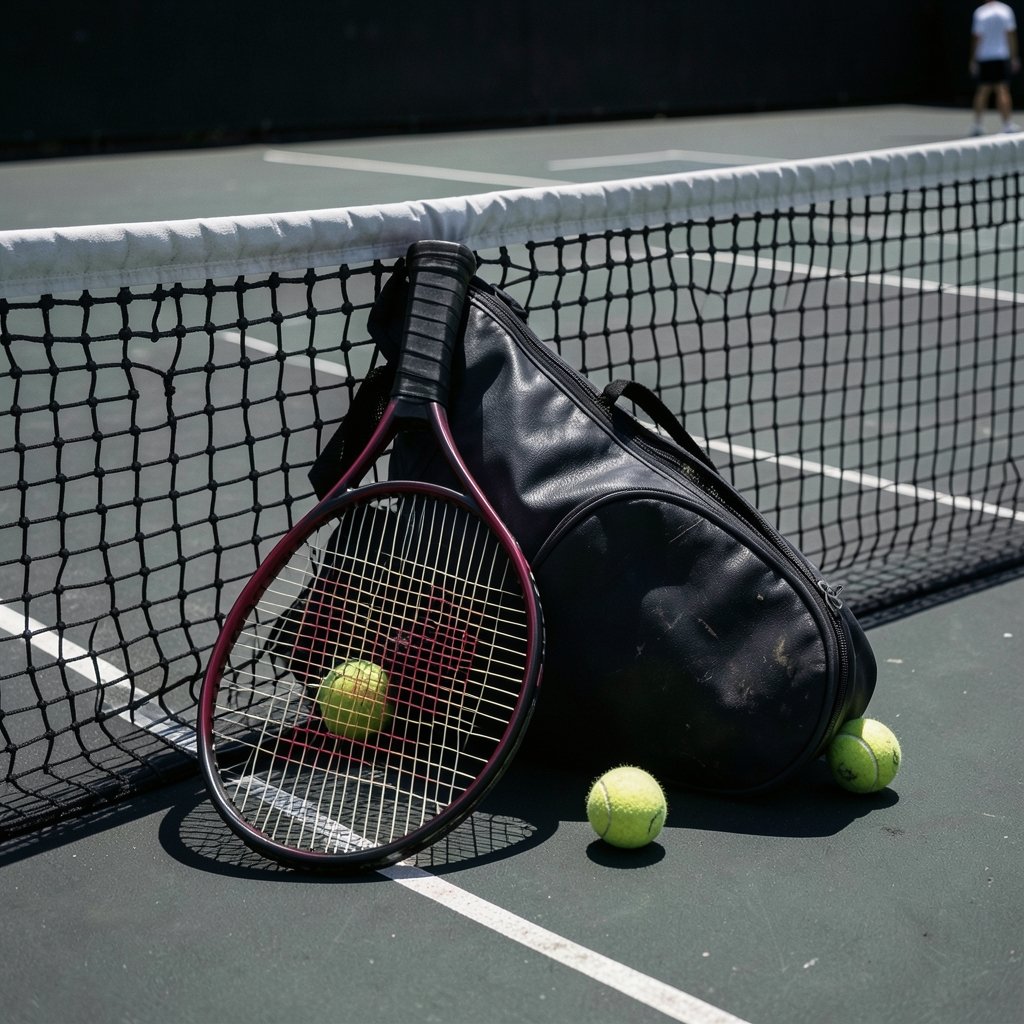
What do you get when a racquet maker takes one of the softest, most arm-friendly frames on the market and stretches it to oversize dimensions? That is the basic question behind the Wilson Clash 108 v3, a racquet built for players who want free power and a generous sweet spot without paying for it in joint pain. The Clash line has earned a loyal following since it arrived around 2019–2020, and the third generation pushes the same core idea into a bigger, more forgiving package. This article breaks down what the 108 v3 is, who should seriously consider it, where it falls short, and how to set it up so it actually performs the way you hope.
What the Wilson Clash 108 v3 Actually Is
The name tells you most of what you need. Clash is Wilson’s flexible-frame family. 108 refers to the head size in square inches, which puts this frame squarely in the oversize category. v3 marks the third generation of the line, and each generation typically brings a revised layup, updated cosmetics, and sometimes small geometry tweaks.
That 108-square-inch head is the headline feature. Most recreational players use frames in the 95 to 100 square inch range, often called midplus. An oversize head like this one gives you more string bed to work with, which means mishits still land inside the frame and off-center contact loses less energy. For anyone who has ever shanked a forehand off the top of the hoop and watched the ball dribble into the net, that extra real estate is not a small thing.
The Clash family is marketed around a flexible frame designed to blend comfort with stability. That flexibility is the second pillar of the design. A softer frame bends more on impact, which takes some sting out of the ball and tends to feel gentler on the arm. The trade-off, historically, is that very flexy frames can feel vague or floppy. Wilson’s pitch with the Clash line is that you get the comfort without losing the sense of where the ball is going.
One honest caveat up front: exact specifications for the v3, including strung weight, balance, swingweight, stiffness rating, and price, vary by market and change over time. Anyone making a purchase decision should confirm the current numbers on the manufacturer’s official product page rather than trusting a blog post, including this one.
Head Size, Forgiveness, and the Oversize Trade-Off
Oversize frames get a bad reputation in some circles, and it is worth separating the fair criticism from the snobbery.
The fair criticism is control. A bigger string bed returns more of the energy you put into it. That helps when you are scrambling for a defensive lob and hurts when you are trying to hit a sharp angle from inside the baseline. Players with fast, long swings can find an oversize frame launches the ball longer than they want.
The snobbery is the idea that oversize equals beginner. That is simply not true. Plenty of strong club players and even some competitive players use oversize frames because the forgiveness buys them consistency over a two-hour match. Consistency wins more points than highlight-reel winners at almost every level below the professional tour.
For the Clash 108 v3 specifically, the oversize head pairs naturally with the flexible construction. The bigger head gives you margin for error on contact point. The flex gives you comfort. Together, they create a frame that rewards steady, smooth swings more than violent ones.
Practical tip: If you are coming from a 100-square-inch frame, give yourself three or four hitting sessions before you judge the 108. The first session often feels like the ball is flying long. By the third, most players have adjusted their swing path and start appreciating the extra depth on defensive shots.
Who Should Buy This Racquet
The Clash 108 v3 fits a fairly specific profile. Here is a quick breakdown.
| Player Type | Fit | Why |
|---|---|---|
| Beginner to intermediate adults | Strong fit | Big sweet spot, easy depth, comfortable frame |
| Players with arm or elbow sensitivity | Strong fit | Flexible construction reduces shock |
| Older players losing swing speed | Strong fit | Free power compensates for shorter swings |
| Doubles specialists | Good fit | Forgiveness on reflex volleys and returns |
| Flat hitters who want control | Weak fit | Oversize head adds launch angle and power |
| Advanced players with fast swings | Weak fit | Likely too much power and too little precision |
| Heavy topspin baseliners | Mixed | Spin is available, but the frame favors drive over whip |
The pattern is clear. This is a frame for players who value consistency and comfort over surgical precision. If you are a 4.5-level player who hits a heavy ball and wants to paint lines, look elsewhere in the Clash range or at a different family entirely.
Common Mistakes Players Make With This Frame
Watching recreational players buy oversize, flexible racquets reveals a few recurring errors.
Mistake one: stringing it too tight. Players worried about power often crank tension up to tame the launch angle. That kills the comfort the frame was designed to deliver and turns a soft racquet into a board. A moderate tension keeps the string bed lively and lets the flex do its job.
Mistake two: pairing it with a stiff string. A flexible frame strung with a stiff polyester at high tension is the worst of both worlds. Softer strings, or a hybrid setup, complement what the racquet is trying to do.
Mistake three: adding too much weight too fast. Some players immediately load up the hoop with lead tape to “stabilize” the frame. A little can help against heavy hitters. Too much turns a maneuverable oversize frame into a sluggish one, especially at net.
Mistake four: judging it on one bad session. New frames feel foreign. Give it time and a couple of string setups before deciding.
What actually works: Start with a middle-of-the-road tension, use a string that matches your arm health, and only add weight after you have played several matches at stock spec. Most players never need the lead tape at all.
How It Compares to Other Options
Buyers usually weigh the Clash 108 v3 against a few familiar alternatives. The comparison below is about category and design philosophy rather than exact numbers, since specs shift between generations.
| Frame Type | Head Size | Typical Feel | Best For |
|---|---|---|---|
| Clash 108 v3 (oversize, flexible) | 108 in² | Soft, forgiving, lively | Comfort seekers, beginners, slower swings |
| Standard Clash (100 in², flexible) | 100 in² | Soft, balanced | All-court club players |
| Traditional player’s frame | 95–98 in² | Firm, precise, low power | Advanced players with fast swings |
| Stiff game-improvement frame | 105–110 in² | Firm, extra pace | Players wanting maximum pop |
The Clash 108 v3 sits in an interesting spot. It has the forgiveness of a game-improvement frame but the comfort of something much softer. That combination is relatively rare, and it is the main reason the line has staying power.
Setup Advice That Actually Helps
Racquet setup is where a lot of players leave performance on the table. A few principles apply well to this frame.
- Pick tension for comfort first. Start moderate. If the ball flies long, adjust your swing before you adjust the tension.
- Match string to arm health. If your elbow has complained before, choose a softer string and avoid high-tension polyester.
- Check grip size. An oversize frame with the wrong grip size feels clumsy. A properly sized grip improves control more than most players realize.
- Replace the stock grip if it slips. A fresh overgrip costs little and improves feel immediately.
- Re-string on a schedule. Dead strings in a flexible frame make the whole setup feel mushy. Recreational players often play strings months past their useful life.
The International Tennis Federation sets the dimensional limits for racquets, including head size and length, so anything sold at retail conforms to the rules of play. You do not need to worry about legality when buying a standard production frame.
What the Third Generation Changes
Generation updates in racquet lines usually involve three things: the layup, the cosmetics, and small geometry or weighting adjustments. Wilson typically publishes a comparison between generations on its official product pages, and that is the place to check for the specific changes between v2 and v3.
What buyers should watch for when comparing generations:
- Stiffness rating. Even small changes alter the feel significantly in a frame marketed on comfort.
- Strung weight and balance. A few grams can shift how the frame swings.
- Swingweight. This matters more than static weight for how heavy the racquet feels through the ball.
- String pattern. Most Clash models have used a 16×19 pattern, but confirm for the specific version.
Independent measurement labs publish swingweight and stiffness data using standardized methods, which is more reliable than marketing copy. If precision matters to you, look for measured numbers rather than catalog claims.
The Honest Verdict
The Wilson Clash 108 v3 is not trying to be everything to everyone, and that is a strength. It is a comfortable, forgiving frame with easy pace, aimed at players who want to enjoy the game without fighting their equipment or their elbow. It rewards smooth swings, smart positioning, and consistency. It punishes nothing except the desire for surgical control at high swing speeds.
For a beginner, an intermediate, a returning player, or anyone with arm sensitivity, it is a genuinely sensible choice. For an advanced player chasing precision, it is probably the wrong tool. The key is honesty about your own game. If you know your swing speed and your priorities, this racquet’s place in the market becomes obvious.
Frequently Asked Questions
What head size is the Wilson Clash 108 v3?
The 108 in the name refers to a 108-square-inch head, which places the frame in the oversize category. That is larger than the 95 to 100 square inches typical of midplus frames, and the extra area gives players a bigger sweet spot and more forgiveness on off-center contact.
Is the Clash 108 v3 good for beginners?
Yes, it is one of the more beginner-friendly options in the Clash range. The oversize head provides margin for error, the flexible construction adds comfort, and the frame delivers easy depth on shots. Beginners who struggle to hit consistently deep will likely find it helpful.
Is this racquet arm-friendly?
The Clash line is built around a flexible frame designed to reduce shock on impact, and that is its main selling point. Players with elbow or shoulder sensitivity often gravitate toward it. String choice and tension still matter a great deal, so pair the frame with a softer string setup to get the full benefit.
What string tension should I use?
There is no single correct answer, but moderate tension is a sensible starting point. Stringing too tight removes the comfort the frame was designed to provide. Players worried about power flying long should first adjust their swing path, then consider tension changes.
Does the v3 differ much from earlier generations?
Each generation typically revises the layup, cosmetics, and sometimes small weighting details. The changes are usually refinements rather than reinventions. Buyers should confirm the specific stiffness, weight, balance, and swingweight figures for the v3 against the manufacturer’s current published specifications.
Can advanced players use the Clash 108 v3?
Some can, particularly doubles players who value forgiveness on volleys and returns. However, advanced players with fast, long swings often find the oversize head adds more power and launch angle than they want. Most players at that level prefer a smaller, more control-oriented frame.
Conclusion
The Wilson Clash 108 v3 makes a clear promise: comfort, forgiveness, and easy power in one package. For a large share of recreational players, that promise is exactly what they need. The oversize head covers mishits, the flexible frame protects the arm, and the resulting confidence lets players swing more freely. It is not a precision instrument for big hitters, and pretending otherwise does nobody any favors. But for players who want to play more often, hurt less, and enjoy longer rallies, this racquet earns its place. Match it with sensible strings, a moderate tension, and an honest assessment of your own game, and it will do exactly what it was built to do.



