
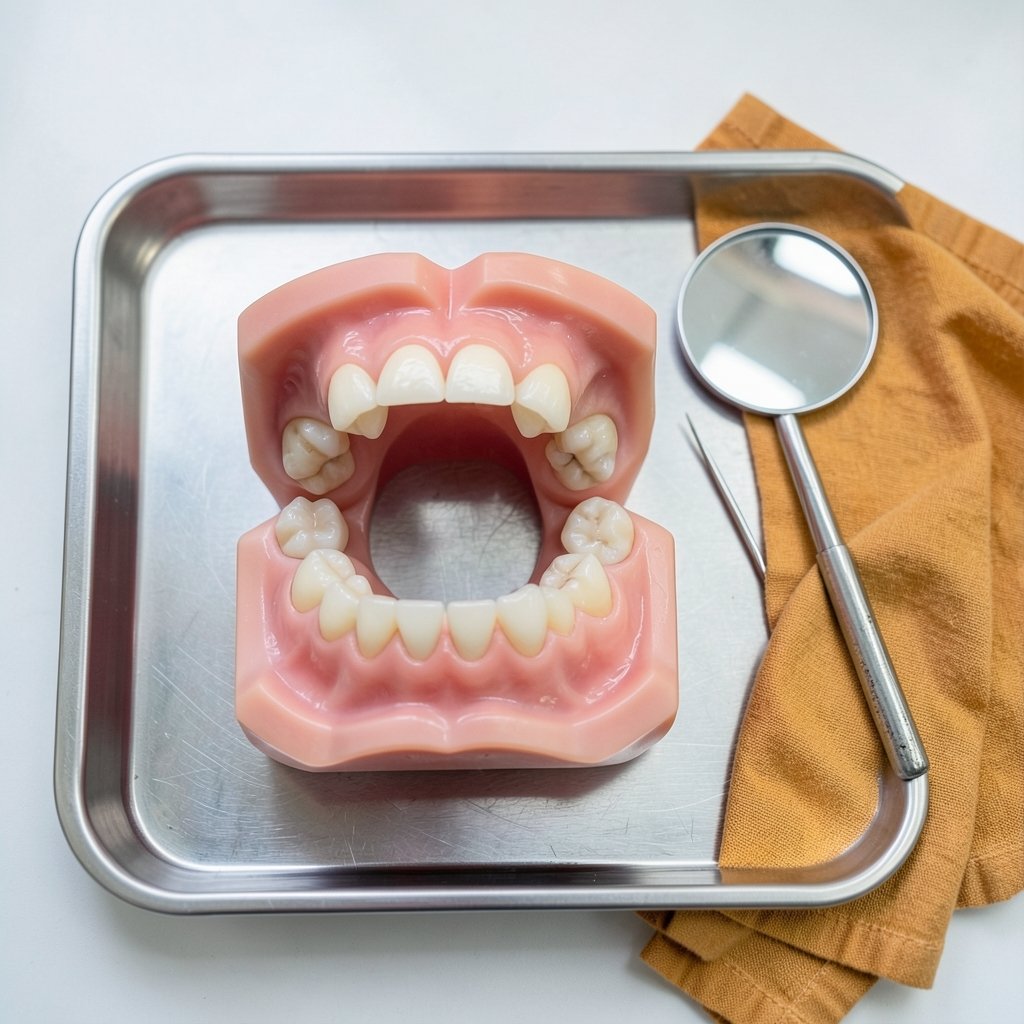
Have you ever caught a glimpse of your smile in a photo and noticed one tooth sitting slightly higher, sharper, or more pointed than the rest? Or maybe a dentist used the word “cuspid” during a checkup and you nodded along without fully knowing what it meant. If either scene sounds familiar, the confusion is understandable. The cuspid, more commonly called the canine tooth, is one of the most misunderstood members of the human bite, even though it does some of the hardest work in your mouth.
This guide breaks down what a cuspid is, where it sits, why it matters, and what can go wrong with it. Along the way, it clears up the terminology confusion and offers practical advice that actually helps in real life.
What Is a Cuspid, Exactly?
A cuspid is simply another name for a canine tooth. The word comes from the Latin cuspis, meaning “point,” which describes the single sharp tip that gives this tooth its distinctive shape. In everyday speech, most people say “canine.” In older dental writing and in some lay usage, you will still see “cuspid.” Both words point to the same tooth.
Each cuspid has one main cusp, or point, instead of the flatter surfaces found on molars. That pointed shape is not an accident. It reflects the tooth’s job: gripping and tearing food rather than grinding it.
Cuspid vs. Canine: Is There a Difference?
Practically speaking, no. The two terms are interchangeable. “Canine” is the preferred clinical term in modern dentistry, while “cuspid” remains common in casual conversation and in older textbooks. If your dentist says “upper right cuspid” and then “upper right canine” a minute later, they mean the same tooth.
One small note: some people confuse “cuspid” with “cuspidor,” an old-fashioned word for a spittoon. They share a Latin root about spitting and pointing, but they are completely different things. A cuspid is a tooth, full stop.
Where Are Your Cuspids Located?
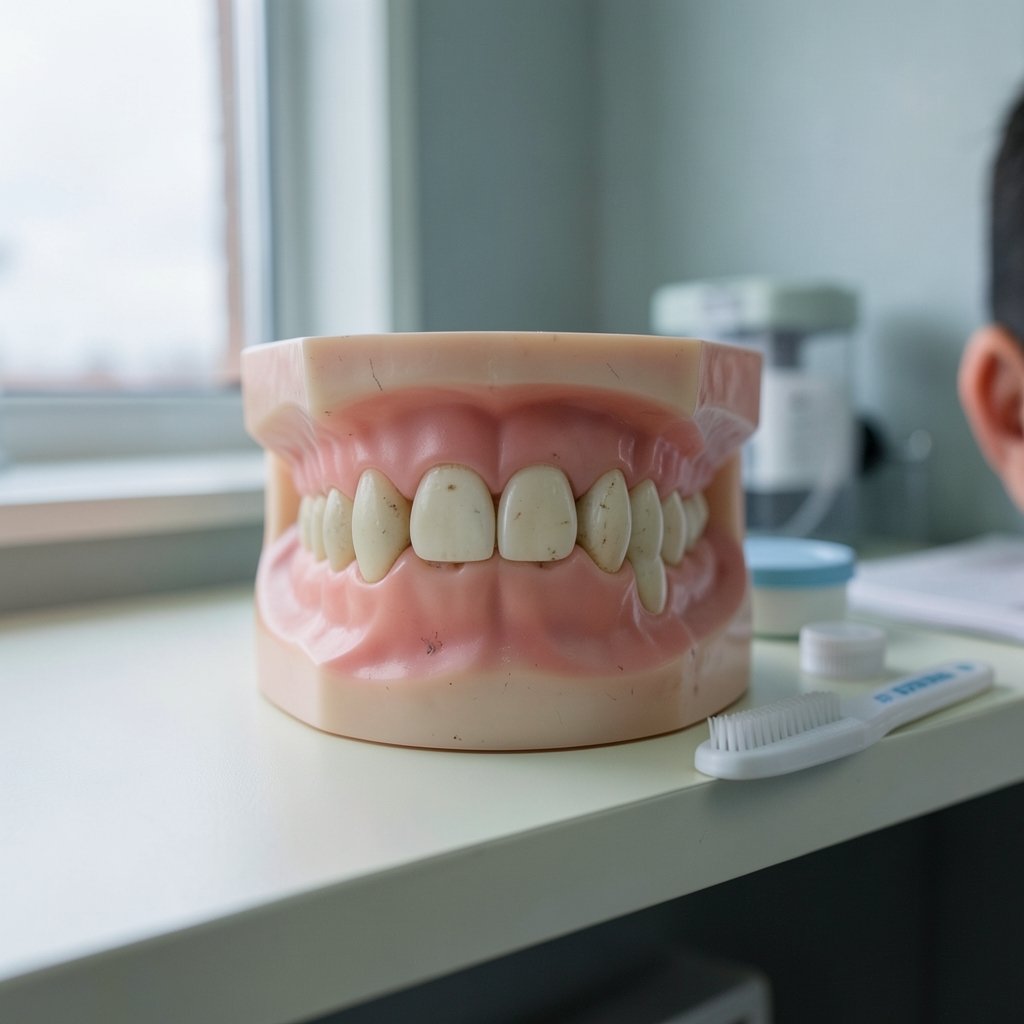
In a full adult set of teeth, there are four canines, one in each quadrant of the mouth:
| Position | Location | Neighbors |
|---|---|---|
| Upper right canine | Upper jaw, right side | Lateral incisor and first premolar |
| Upper left canine | Upper jaw, left side | Lateral incisor and first premolar |
| Lower right canine | Lower jaw, right side | Lateral incisor and first premolar |
| Lower left canine | Lower jaw, left side | Lateral incisor and first premolar |
Each cuspid sits immediately behind the lateral incisor and just in front of the first premolar. Because they mark the corner where the front teeth curve back toward the chewing teeth, canines are sometimes called the “cornerstone” teeth of the smile.
When Do Cuspids Come In?
Canines arrive in two waves, like most teeth. The primary (baby) canines typically erupt between about 16 and 22 months of age. The permanent canines usually come through around age 11 to 12, with the upper canines often arriving slightly later than the lower ones.
These are textbook averages, and normal variation is wide. A child whose canine shows up a year early or late is usually well within the range of normal. What matters more is the pattern: if one side erupts and the other lags far behind, or if a permanent canine never appears, that is worth a conversation with a dentist.
Why the Upper Canine Is Often the Last to Arrive
Upper canines have the longest journey of any tooth. They develop high in the jaw and must travel down and forward into position, often navigating around other developing teeth. That long path is one reason upper canines are the most likely teeth to get stuck along the way. It also explains why orthodontists pay such close attention to them during the pre-teen years.
The Anatomy That Makes Cuspids Special
A few structural features set canines apart from their neighbors.
The Longest Root in the Mouth
The canine holds the record for the longest root of any human tooth, with the upper canine commonly cited at roughly 17 millimeters. That long, sturdy root is anchored deep in bone, which is exactly why dentists love canines as support. They are frequent anchors for fixed bridges and removable partial dentures because they can carry a heavy load without giving way.
A Single Sharp Cusp
Where molars have multiple cusps and premolars usually have two, the canine has one prominent point. This design is built for piercing and holding, not grinding.
Thick Enamel and a Gradual Curve
The canine’s front surface curves gently outward before tapering to its tip, and the enamel on the tip is relatively thick. That combination helps the tooth withstand years of sideways forces during chewing and speaking.
What Do Cuspids Actually Do?
Canines earn their keep in several ways:
- Tearing and gripping food. Think of biting into an apple or tearing a piece of crusty bread. The canines lead that action.
- Guiding the bite. In a healthy mouth, the canines help guide the jaw during sideways movements. When you slide your jaw to one side, the canine on that side often takes the contact first and helps separate the back teeth slightly, protecting them from damaging sideways forces. Dentists call this canine guidance or canine protection.
- Supporting the face. The canine’s root position helps give the upper lip and corner of the mouth their shape. Losing a canine can subtly change the look of a smile.
- Anchoring dental work. Because of that long root, canines are prized as support teeth for prosthetics.
In short, canines are the multitaskers of the mouth: they tear, they guide, they anchor, and they frame the smile.
What Can Go Wrong With a Cuspid?
Most canines behave well. When they do not, a handful of problems tend to show up.
Impacted Canines
An impacted canine is a tooth that cannot erupt into its proper place. Maxillary canine impaction is often described as the second most common impaction in the mouth, behind third molars (wisdom teeth), and palatal impaction is more common than labial impaction. Exact prevalence numbers vary widely between study populations and imaging methods, so treat any single percentage with caution.
Impacted canines matter because they can damage neighboring teeth, create cysts, or leave a gap in the smile. Dentists usually catch them with X-rays or a visual exam during the mixed-dentition years, which is one good reason not to skip routine checkups for kids.
Crowding and Displacement
When space is tight, a canine may erupt out of line, sometimes sitting high in the gum or pushed forward. This is a common reason parents first hear the word “canine” from an orthodontist.
Wear and Fracture
The pointed tip takes a lot of stress. Chips and wear at the canine tip are common, especially in people who grind their teeth or habitually bite hard objects.
Root Resorption
In some cases, an impacted canine can press against the root of a neighboring incisor and cause it to dissolve. This is uncommon but serious, and it is another reason early detection matters.
Common Mistakes People Make With Their Cuspids
Practical experience shows a few recurring missteps around canine care:
- Assuming a missing “baby tooth” will sort itself out. If a primary canine lingers well past the usual shedding age, it can block the permanent tooth. Have it checked rather than waiting.
- Using canines as tools. Opening packages, tearing tape, or cracking nutshells with the front teeth is a fast route to a chipped cusp.
- Ignoring a “fang” that sits too high. A canine that stays up in the gum needs an exam, even if it looks like a minor cosmetic issue.
- Skipping X-rays during the pre-teen years. This is the window when impacted canines are easiest to spot and often easiest to treat.
- Brushing only the flat fronts. The canine’s curved surface and the gumline around it collect plaque. Angling the brush toward the gumline helps.
What actually works is boring but effective: regular checkups, sensible use of the front teeth, and prompt attention when something looks off.
How Cuspids Are Treated When Problems Arise
Treatment depends on the problem. For an impacted canine, options include orthodontic guidance to bring the tooth into place, extraction if the tooth cannot be saved or is causing harm, and sometimes a combination of both. For a chipped tip, a small bonded repair or a smoothing procedure often restores function and appearance. For crowding, braces or clear aligners may create the space a displaced canine needs.
Because the canine root is long and the tooth is important for both function and appearance, dentists generally try hard to keep a natural canine whenever possible. Replacement with an implant or bridge is an option, but preserving the original tooth is usually the better outcome.
Cuspids in the Animal World
The word “canine” comes from canis, Latin for dog, and the connection is not coincidental. In dogs and many other mammals, the large pointed teeth used for grasping prey are the canine teeth. Veterinary dentistry uses the same basic idea: strong, pointed teeth positioned to grip and hold. So when a veterinarian mentions a dog’s canines, they are talking about the same functional tooth type that sits at the corner of a human smile.
Keeping Your Cuspids Healthy
A few habits go a long way:
- Brush twice a day with fluoride toothpaste, angling the bristles toward the gumline around the canines.
- Floss or use interdental cleaners daily to reach the tight spaces beside each canine.
- Wear a night guard if you grind your teeth, since the canine tip takes the brunt of that force.
- Do not use front teeth as tools.
- Keep up with routine exams and X-rays, especially for children in the mixed-dentition years.
For more guidance on dental care and treatment options, resources at can help you understand what to expect at each stage.
Conclusion
The cuspid, or canine, is far more than a sharp tooth at the corner of your smile. It tears your food, guides your bite, anchors dental work, and shapes the look of your face. Its long root and single point make it one of the most distinctive teeth in the human mouth, and its tendency to become impacted makes it one of the most watched.
Understanding the cuspid helps you ask better questions at the dentist, spot potential problems earlier, and appreciate the quiet work this tooth does every day. Whether you call it a canine or a cuspid, it deserves a little respect.
What is the difference between a cuspid and a canine tooth?
They are the same tooth. “Cuspid” comes from the Latin word for point, and “canine” comes from the Latin word for dog. Modern dentistry prefers “canine,” but both terms refer to the single-cusped tooth positioned between the incisors and premolars in each quadrant of the mouth.
How many cuspids do adults have?
A full adult dentition has four canines, one in each quadrant: upper right, upper left, lower right, and lower left. Each sits immediately behind the lateral incisor and just in front of the first premolar.
When do permanent canines usually come in?
Permanent canines typically erupt around age 11 to 12, with upper canines often arriving slightly later than lower ones. Primary canines usually appear between 16 and 22 months of age. These are averages, and normal variation is wide.
Why are impacted canines so common?
Upper canines have the longest path to travel during development, and they must navigate around other developing teeth. Maxillary canine impaction is often cited as the second most common impaction after third molars, with palatal impaction more common than labial. Prevalence figures vary by population and imaging method.
Why do dentists value canines as anchor teeth?
The canine has the longest root of any human tooth, commonly cited at roughly 17 millimeters for the upper canine. That long, well-anchored root makes canines strong support teeth for fixed bridges and removable partial dentures.
Can a chipped cuspid be repaired?
Yes. Small chips at the canine tip are often repaired with a bonded composite restoration or smoothed if the damage is minor. Because the canine plays a key role in guiding the bite, it is usually worth repairing rather than leaving it rough or sharp.



