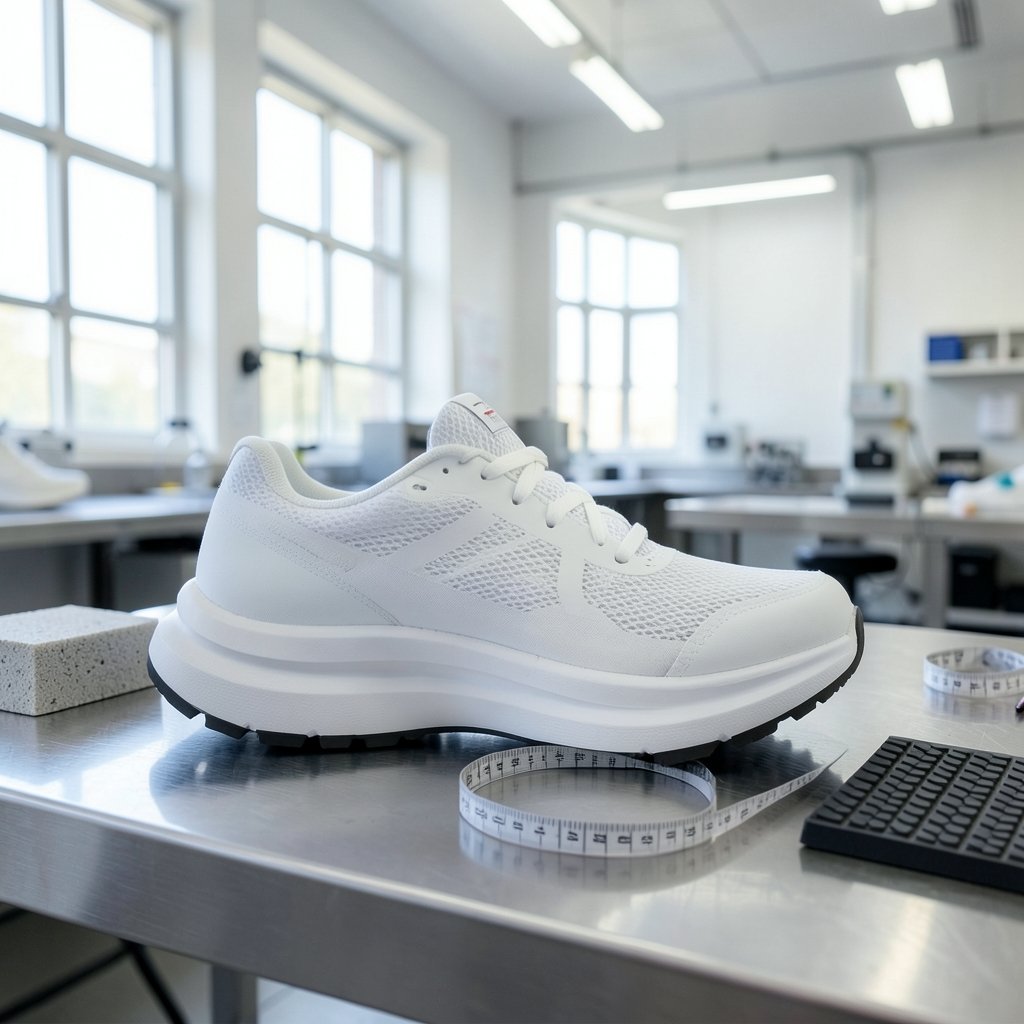
What happens if you remove the carbon plate from a super shoe but keep the featherweight foam and the towering stack? The ASICS Superblast 2 answers that question, and it is the shoe most people mean when they search for “superblast 2.0”. It is a trainer built around a strange, appealing idea: give runners the cushioning and lightweight feel of a race-day shoe, then use it for easy miles and long runs rather than saving it for the starting line.
That pitch has made the Superblast line one of the most talked-about non-plated trainers in recent years. It has also created plenty of confusion. Some shoppers expect a “2.0” software update, a speaker, or a game. Others want to know whether the second version is genuinely better than the first, whether the price is justified, and who should skip it entirely. This guide sorts through all of that with a practical, experience-based lens.
First, Clearing Up What “Superblast 2.0” Refers To
The term is ambiguous, and pretending otherwise wastes the reader’s time. In running-shoe circles, Superblast 2 is the second generation of ASICS’s high-stack, plateless trainer, a follow-up to the original Superblast. The “2.0” phrasing is informal shorthand that shoppers and reviewers use interchangeably with “Superblast 2.”
Outside running, “superblast” shows up in product names across audio gear, software tools, and games. If someone landed here looking for a firmware update or a speaker, the honest answer is that this article covers the running shoe, because that is the dominant meaning of the query.
One more clarification matters. There is no widely recognized separate product called “Superblast 2.0” distinct from the Superblast 2. Treat any listing that markets them as different shoes with suspicion.
What Kind of Shoe the Superblast 2 Is

The Superblast 2 is a max-cushioning daily trainer with no carbon plate. That single design choice defines everything about how it feels and who it suits.
Most “super shoes” pair a lightweight, springy foam with a rigid carbon-fiber plate. The plate adds stiffness and propulsion, and it usually comes with a premium price and a short lifespan. The Superblast 2 keeps the lightweight foam but drops the plate. The result is a shoe that feels soft and bouncy underfoot without the aggressive rocker sensation some runners find fatiguing.
ASICS builds the midsole from two foams: FF Turbo+, a lightweight, highly resilient foam, and FF Blast+, a slightly firmer, more durable cushioning foam. Stacking them lets the shoe stay light while still offering a tall, protective platform. The upper is engineered mesh, and the outsole uses rubber coverage aimed at road durability.
That combination places the shoe in a specific category: a high-stack trainer for long efforts, not a tempo specialist and not a budget everyday shoe.
How the Second Version Differs From the Original
Shoe revisions are usually marketing exercises with minor tweaks. The Superblast 2 follows that pattern more than it breaks it, and buyers should calibrate expectations accordingly.
| Feature | Original Superblast | Superblast 2 |
|---|---|---|
| Midsole foams | FF Turbo + FF Blast+ | FF Turbo+ + FF Blast+ |
| Carbon plate | None | None |
| Intended use | Long runs, daily training | Long runs, daily training |
| Upper | Engineered mesh | Revised engineered mesh |
| Fit feel | Slightly roomier | Generally snugger, more locked-in |
| Overall ride | Soft, bouncy, tall | Similar, with modest refinements |
The honest summary: the second version refines the fit and upper rather than reinventing the ride. Runners who loved the original will recognize the feel immediately. Runners who found the original too roomy in the forefoot often prefer the sequel. Anyone expecting a dramatic transformation will be disappointed.
This is worth saying plainly because the running-shoe market rewards hype. A revision that changes the upper and tweaks the foam blend is normal and often sensible. It is not a revolution.
Who the Shoe Is Actually For
The Superblast 2 suits a fairly specific runner. It is not a universal recommendation, and treating it as one leads to expensive mistakes.
Good fits:
- Runners logging long runs who want cushioning without a heavy, dead feeling underfoot
- Athletes who dislike carbon plates but want a light, energetic ride
- Heavier runners who want a tall stack of protective foam
- People building a two-shoe rotation alongside a dedicated speed shoe
Poor fits:
- Beginners who need one affordable, durable do-everything shoe
- Runners who prefer firm, ground-feel rides
- Trail runners, since the outsole is road-oriented
- Anyone on a tight budget, given the premium positioning
The most common mistake is buying the Superblast 2 as a first running shoe. It is a wonderful second or third pair. As a sole pair, it is expensive and its soft, tall platform can feel unstable to runners still developing ankle strength.
Practical Tips From Real-World Use
First-hand experience with high-stack, plateless trainers surfaces a few consistent lessons. None of these are secrets, but they are the things people wish they had known before spending the money.
Give it a break-in period. The foam softens slightly over the first few runs. Judging the shoe after a single mile is premature.
Size carefully. The revised upper runs snugger than the original. Runners between sizes should lean toward the larger option, especially if they wear thicker socks on long runs.
Rotate it. Foam resilience fades faster when one shoe absorbs every mile. Alternating with a firmer trainer extends the usable life of both.
Watch the outsole, not the calendar. Replace the shoe when the rubber under the forefoot and heel is visibly worn through, not at an arbitrary mileage number. Wear patterns vary enormously between runners.
Do not expect race-day magic. The Superblast 2 is quick for a trainer, but it is not a substitute for a plated racing shoe on race day. Runners who expect PR-level propulsion from a plateless trainer tend to feel let down.
How It Compares to Adjacent Options
Buying decisions rarely happen in a vacuum. Most runners weighing the Superblast 2 are also considering plated super trainers, firm daily trainers, or other max-cushion models.
| Consideration | Superblast 2 | Plated super trainer | Traditional daily trainer |
|---|---|---|---|
| Plate | None | Carbon or composite | None |
| Weight feel | Light | Light | Moderate to heavy |
| Cushioning | High | High | Moderate |
| Stability feel | Soft, tall | Stiff, propulsive | Firmer, more grounded |
| Typical lifespan | Moderate | Shorter | Longer |
| Best for | Long runs, easy-to-steady days | Tempo, race prep | Everyday mileage |
The pattern is consistent: plateless designs trade propulsion for versatility and comfort, while plated designs trade durability and ease for speed. Neither is better in the abstract. The right pick depends on how the shoe fits into a rotation.
For readers thinking about how long a premium purchase should last before replacement, the same logic that applies to other expensive gear applies here. Just as a realistic look at how long MacBooks actually last and what kills them shows that lifespan depends on use patterns rather than marketing claims, running shoe longevity depends far more on body weight, surface, and stride than on the number printed on the box. The same principle of realistic expectations applies to battery-powered devices, where how long water leak sensor batteries really last depends on conditions rather than spec sheets.
The Cost Question and Whether It Is Worth It
The Superblast 2 sits in premium territory. That price buys lightweight foam, a tall stack, and a refined upper. It does not buy a plate, and it does not buy exceptional outsole durability.
Whether that is worth it depends on how many miles the shoe will cover. A runner logging 30 to 40 miles a week in a rotation will get reasonable value. A runner who wants one pair to do everything will find the economics harder to justify.
A useful mental model is cost per mile. Divide the purchase price by the realistic mileage the shoe will deliver before the foam compresses and the outsole wears. That number, not the sticker price, tells the real story. The same discipline helps with bigger financial questions, and readers weighing long-term planning may find a realistic way to run the numbers on how long their money will last useful for framing large recurring purchases.
Common Mistakes Buyers Make
A short list of pitfalls that show up again and again:
- Buying it as a first shoe. It is a specialist, not a starter.
- Expecting plate-like speed. It is fast for a trainer, not a racer.
- Ignoring the upper fit change. The sequel is snugger; try before buying if possible.
- Retiring it too early. Visible outsole wear is a better signal than a mileage target.
- Using it on trails. The outsole is built for pavement.
- Paying full price without checking prior-generation deals. The original often sells at a discount and rides very similarly.
That last point deserves emphasis. Because the changes between generations are modest, a discounted original is frequently the smarter purchase for budget-conscious runners. This is the same pattern seen across consumer tech, where a new release often makes the previous model the better value. Readers tracking hardware cycles may recognize the dynamic from coverage of the Nvidia RTX 50 Super delay in 2026, where waiting for the newest generation is not always the best move.
Caring for the Shoe So It Lasts
Simple habits extend usable life more than most people expect.
- Air-dry after runs; never put running shoes in a dryer or on a radiator
- Loosen the laces before removing the shoe to protect the heel collar
- Alternate pairs so foam has 24 hours to recover between runs
- Keep the shoe out of a hot car trunk, since heat accelerates foam breakdown
- Wipe off grit from the outsole to slow abrasion
None of this is glamorous. All of it works.
Conclusion
The Superblast 2 is a genuinely good shoe wrapped in a slightly confusing name. It is a lightweight, high-stack, plateless trainer built for long runs and comfortable mileage, and the second generation refines the fit rather than rewriting the formula. Runners who want a soft, bouncy, protective ride without a carbon plate will find a lot to like. Runners who want one affordable shoe for everything, or who expect race-day propulsion, should look elsewhere.
The practical takeaway is straightforward. Try before buying if the snugger upper worries you, treat it as part of a rotation rather than a solo workhorse, and do not pay a premium for the newer version if a discounted original fits your foot well. The “2.0” label promises more than it delivers, but what it actually delivers is still a very capable trainer.
Frequently Asked Questions
Is the Superblast 2 the same as “Superblast 2.0”?
In practice, yes. “Superblast 2.0” is informal shorthand that shoppers use for the ASICS Superblast 2, the second generation of the brand’s high-stack, plateless trainer. There is no widely recognized separate product sold under the “2.0” name, so any listing treating them as different shoes should be viewed with caution.
Does the Superblast 2 have a carbon plate?
No. The Superblast 2 is deliberately plateless. It uses a lightweight, resilient foam combination in a tall stack, which gives it a soft and bouncy feel without the stiffness and propulsion of a carbon-fiber plate. That design choice makes it more versatile and generally more durable than plated racing shoes, but it also means it will not deliver race-day propulsion.
How does the Superblast 2 differ from the original Superblast?
The differences are refinements rather than a redesign. The midsole foam concept carries over, and the most noticeable change is a revised upper that fits snugger and feels more locked-in. The overall ride remains soft, tall, and energetic. Runners who loved the original will recognize it immediately, and anyone expecting a dramatic transformation will be disappointed.
Is the Superblast 2 good for beginners?
Usually not as a first shoe. It is expensive, and its tall, soft platform can feel unstable to runners still building ankle strength and form. Beginners are generally better served by a firmer, more affordable daily trainer, then adding the Superblast 2 later as a long-run shoe once their mileage and mechanics are established.
How many miles will the Superblast 2 last?
There is no fixed number, because lifespan depends heavily on body weight, running surface, stride, and how often the shoe is rotated. A more reliable signal is visible outsole wear, especially under the forefoot and heel. Replace the shoe when the rubber is worn through, rather than at an arbitrary mileage target.
Can the Superblast 2 be used for racing?
It can cover a race, but it is not a dedicated racing shoe. It is quick for a trainer and comfortable over long distances, which makes it a reasonable choice for runners who prioritize comfort over maximum speed. Runners chasing personal bests will generally get more benefit from a plated racing shoe on race day.