
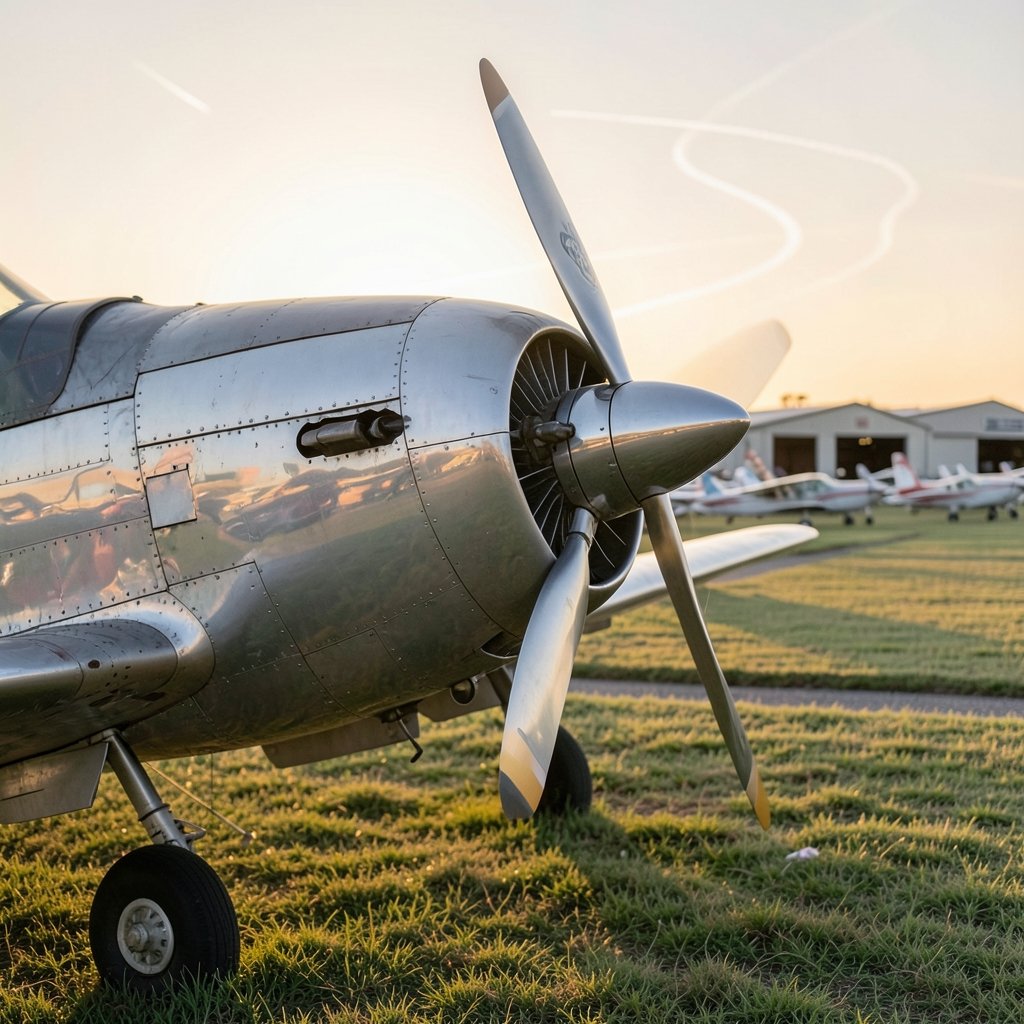
What makes a Florida airfield in late March suddenly feel like the center of the aviation world? For one week each spring, that airfield is Lakeland Linder International Airport, and the answer is Sun ‘n Fun. The annual fly-in and expo draws pilots, builders, students, and families who want to see aircraft up close, watch daily airshows, and talk shop with people who actually fly the machines on display. If you are planning around Sun ‘n Fun 2026, the smart move is to understand how the event works before you book anything, because the details that matter most are the ones that shift year to year.
A word of honesty up front: exact 2026 dates, themes, and schedules are set by the organizers and announced on their own channels. This guide focuses on what is stable and verifiable about the event as an institution, plus the practical knowledge that helps first-timers and returning visitors alike avoid the classic mistakes.
What Sun ‘n Fun Actually Is
Sun ‘n Fun is one of the largest aviation events in the United States, held at Lakeland Linder International Airport in Lakeland, Florida, roughly between Tampa and Orlando. It is organized by the Aerospace Center for Excellence, a nonprofit, and proceeds from the event support aviation education and scholarships. That detail matters more than it might seem: this is not a trade show run for profit. It is a fundraising and education engine that happens to put on a very large party for people who love flying.
The event typically runs over roughly a week in late March or early April. It sits alongside EAA AirVenture Oshkosh as one of the two big American aviation gatherings of the year, though the two have different personalities. Oshkosh in July is the giant; Lakeland in spring is the season opener, the place where the flying year effectively begins for a lot of pilots.
What does a visitor actually encounter? Daily airshows, a large exhibit and display area, forums and seminars, and substantial youth STEM and aviation education programming. Military demonstration teams and warbird displays have historically been part of the lineup. The mix of a working airport, a convention, and a family festival is what gives the event its character.
Why the 2026 Edition Deserves Planning, Not Improvising
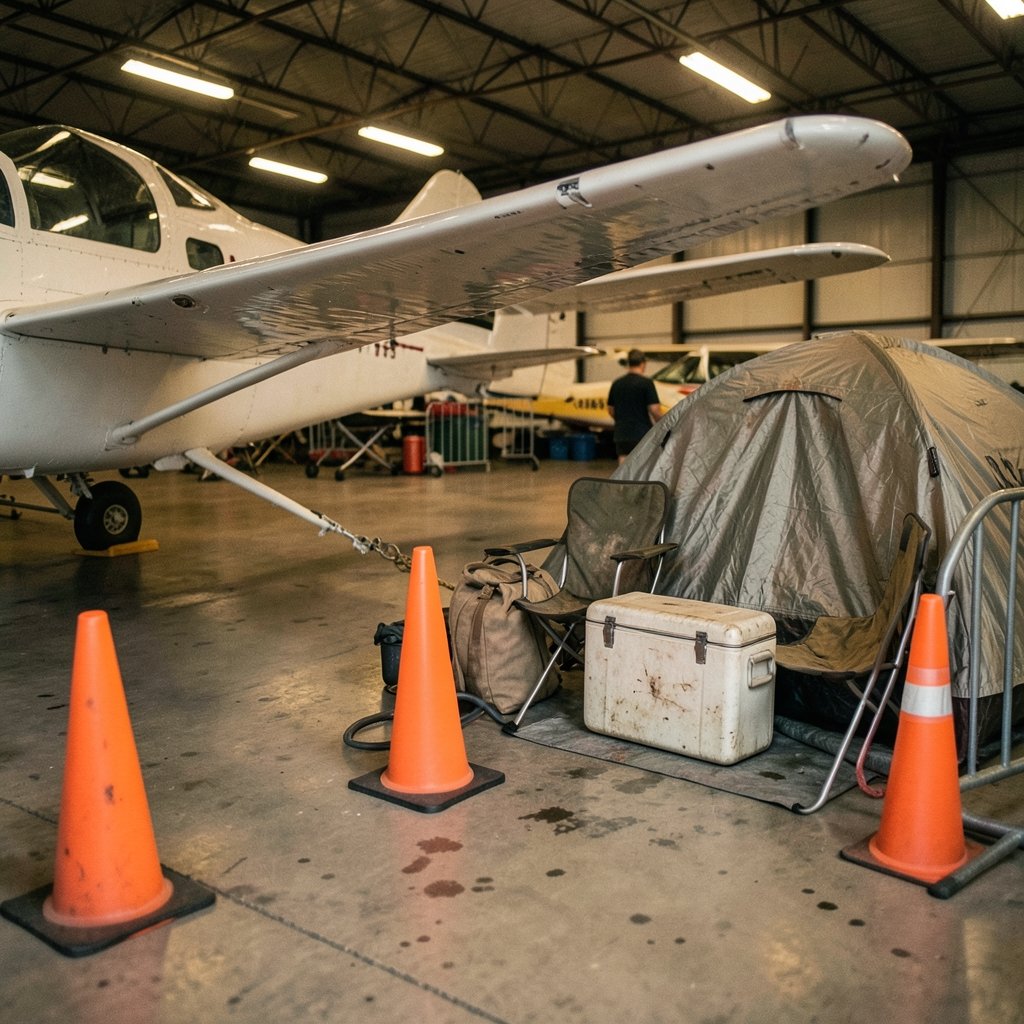
Here is the practical reality that catches people out: Sun ‘n Fun is not a drop-in attraction. It is an operating airport hosting an event, which means access rules, arrival procedures, and logistics are stricter than a county fair. Pilots flying in face published arrival procedures and parking arrangements. Drivers face traffic patterns and parking that reward early arrivals. Campers compete for space that fills. Vendors and exhibitors book well ahead.
The broader aviation and technology world has also been unusually busy, and that context shapes what conversations you are likely to hear on the grounds in 2026. The industry is deep in an infrastructure build-out that echoes earlier boom-and-bust cycles, a dynamic worth understanding if you follow the business side of aviation technology, as explored in coverage of the AI infrastructure race and the 2000 telecom bust parallels. Hardware bets are everywhere too, from electric aircraft ambitions to the kind of long-horizon product planning that companies like Tesla are making across multiple vehicle lines, a story covered in this look at Tesla’s robotaxi, semi, and roadster hardware bets. General aviation tends to absorb these trends slowly, but the conversations at a spring fly-in are often where you first hear them in practical terms.
How to Plan Your Visit Without Getting Burned
The single most common mistake is treating the event like a static venue. It is not. Weather, airport operations, and airshow schedules all move things around. Build slack into your plan.
If You Are Flying In
Pilots should treat arrival as a procedure, not a suggestion. Review the published arrival and departure procedures before you launch, and expect the kind of sequencing that comes with high traffic density. The classic errors are arriving without having read the current procedures, misjudging fuel reserves while holding, and failing to brief passengers on what a busy pattern feels like. If you are new to fly-ins, consider attending as a spectator first and flying in on a later visit. There is no shame in learning the rhythm from the ground.
If You Are Driving
Arrive early. The mornings are cooler, the lines are shorter, and the parking is easier. Bring sun protection that actually works: hat, sunscreen, refillable water bottle. Florida in late March can be mild or brutally hot, and the ramp reflects heat all day. Comfortable shoes matter more than you think, because you will walk a lot on hard surfaces.
If You Are Camping
Camping on or near the field is part of the appeal for many attendees, and it is also where planning pays off most. Book early, confirm what utilities are available, and check the rules on generators, quiet hours, and vehicle access. People who assume tent camping rules are uniform across events get surprised.
If You Are Bringing Kids
The education programming is genuinely one of the event’s strongest features. Check the schedule for youth activities and STEM sessions, and plan around the heat of the afternoon. A morning at the exhibits and an afternoon in the shade is a better day than a forced march through everything.
What to See and What to Skip
With limited time, prioritize. The daily airshow is the anchor and worth planning your day around. The exhibit area rewards a slow walk rather than a sprint. Forums and seminars are where you get real substance, especially if you are building an aircraft, maintaining one, or considering a rating. Static displays of warbirds and military aircraft draw crowds for good reason, but the quieter corners of the field often hold the most interesting conversations.
A rough priority order that works for most first-timers:
- Pick one airshow slot and build the day around it.
- Walk the exhibit area in the morning before the heat and crowds peak.
- Attend one or two forums on a topic you actually care about.
- Leave room for spontaneous conversations, which is where the event’s real value lives.
The mistake is trying to do everything. You will not. Choose a theme for each day and accept that you are missing something.
The Education Mission Behind the Party
It is easy to forget, standing in a crowd watching aircraft overhead, that the event exists to fund education. The Aerospace Center for Excellence uses proceeds to support aviation education and scholarships, and the youth programming on site is a direct expression of that. For teachers, students, and parents, this is the part of Sun ‘n Fun that has the longest tail. A teenager who spends an afternoon talking to a mechanic or a flight instructor may walk away with a career direction they did not have that morning.
If you work in education or workforce development, the event is worth attending with a notebook. The way aviation handles apprenticeships, certification, and hands-on training is a useful model for other technical fields.
Practical Tips That Actually Work in Practice
A few things experienced attendees tend to agree on, offered without inventing specifics:
- Hydrate before you are thirsty. Ramp heat is deceptive.
- Charge everything the night before. Power outlets are scarce and contested.
- Carry cash for small vendors. Card readers fail in crowds and heat.
- Screenshot your schedule. Cell networks get congested at peak times.
- Wear hearing protection near the flight line. It is loud, and the loudness is part of the appeal.
- Talk to strangers. The person next to you in line may have built the airplane you are admiring.
The meta-tip: treat the official event communications as your source of truth for dates, schedules, and procedures. Anything else, including this article, is background. Organizers publish updates as the event approaches, and those updates override older information.
Where Sun ‘n Fun Fits in a Busy Tech Year
For readers who follow the wider technology landscape, the spring fly-in is a useful reality check. Aviation moves slowly by design, and that is a feature. When you spend a day around aircraft that have flown for decades, the contrast with the breathless pace of consumer tech is clarifying. The same discipline applies to how you buy supporting gear: pick real performance over marketing claims, a principle that holds whether you are choosing an aircraft accessory or a portable drive for your cockpit recordings, as argued in this guide to picking an external SSD by real speed rather than marketing. Even the way large platforms handle their economics, from app store fee fights to platform strategy, has lessons for how small operators should think about their own margins, a theme explored in coverage of the Apple Supreme Court case over the 27 percent App Store fee.
None of that is aviation, exactly. But the crowds at a spring fly-in are full of people who run small businesses, build things with their hands, and make hardware decisions on evidence rather than hype. That is the culture of the event, and it is why it endures.
Conclusion
Sun ‘n Fun 2026 is best approached as a week-long operating environment rather than a single day out. The stable facts are reassuring: a real airport, a nonprofit mission, a week in late March or early April, daily airshows, education programming, and a community that shows up because it genuinely loves flying. The variable facts, meaning the exact dates and schedule, belong to the organizers, and checking their official communications is the one planning step you should never skip. Book early, arrive early, hydrate constantly, and leave room for the unplanned conversation that turns a good visit into a memorable one. The spring fly-in rewards the prepared and forgives the curious, which is a pretty good combination for anyone who has ever looked up at an airplane and wondered how it stays there.
Frequently Asked Questions
When is Sun ‘n Fun 2026?
The event is typically held over roughly a week in late March or early April at Lakeland Linder International Airport in Lakeland, Florida. Exact dates for any given year are set and announced by the organizers, so confirm them through official event communications before booking travel.
Where is Sun ‘n Fun held?
At Lakeland Linder International Airport in Lakeland, Florida, roughly midway between Tampa and Orlando. The site is a working airport, which is why arrival procedures and access rules are stricter than at a typical festival.
Can I fly my own aircraft to Sun ‘n Fun?
Yes, flying in is a core part of the event, but it requires preparation. Review the published arrival and departure procedures before you launch, plan fuel reserves for holding, and brief your passengers on what a busy traffic pattern involves. If you are new to fly-ins, attending as a spectator first is a sensible step.
Who organizes Sun ‘n Fun?
It is organized by the Aerospace Center for Excellence, a nonprofit, and proceeds support aviation education and scholarships. That mission is visible on site through youth STEM and aviation programming, which is one of the event’s strongest features for families and educators.
Is Sun ‘n Fun good for families and kids?
Yes, particularly because of the education programming. Plan around the afternoon heat, aim for morning exhibit time, and check the schedule for youth activities. Comfortable shoes, sun protection, and a refillable water bottle make a bigger difference than any single exhibit.
What should I bring to Sun ‘n Fun?
Sun protection, a refillable water bottle, hearing protection for the flight line, comfortable walking shoes, cash for small vendors, and a charged phone with your schedule saved offline. Cell networks get congested at peak times, so do not rely on live connectivity for critical plans.



