
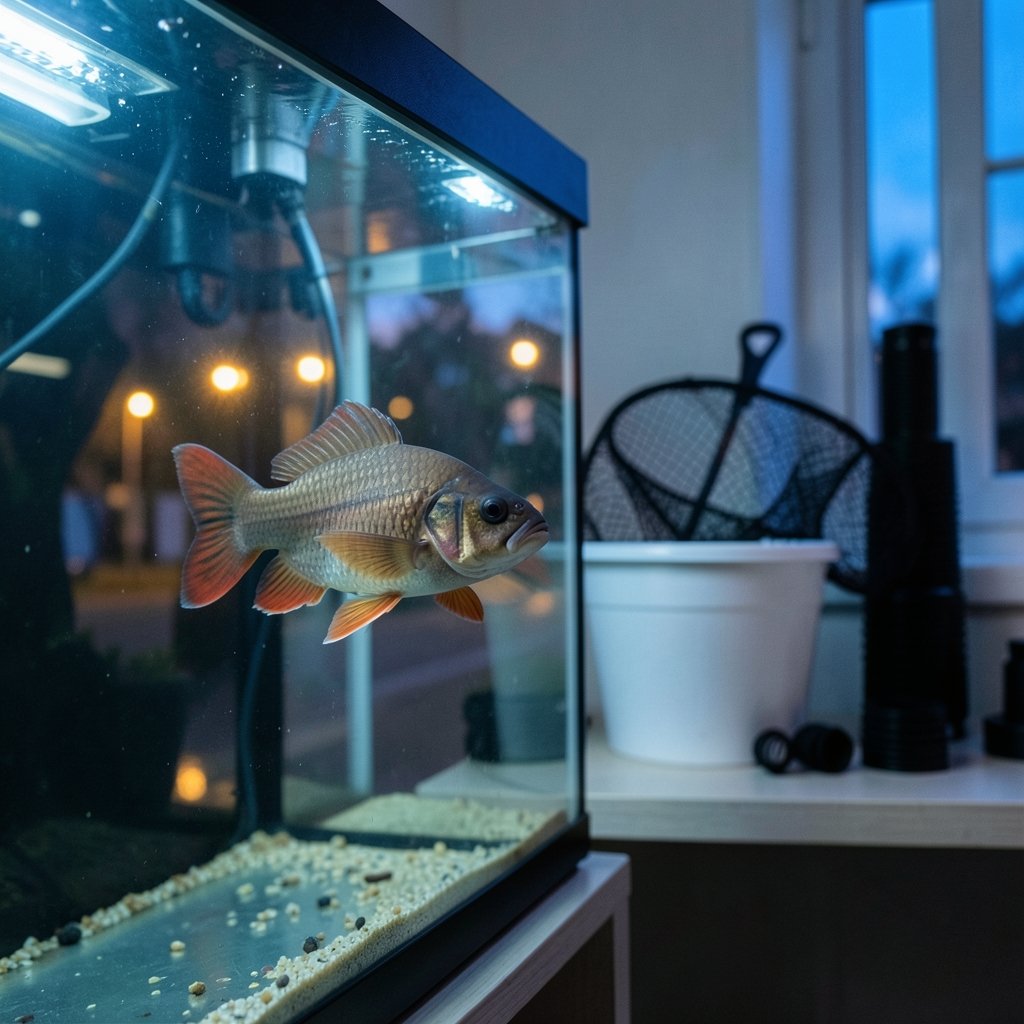
A juvenile red tail catfish in a pet store can look like a living firework and still grow longer than a bathtub. The species is one of the most visually distinctive and most misunderstood freshwater fish in the aquarium trade. Juveniles are small, bold, and cheap, with chocolate-brown bodies, a creamy white stripe down the flank, and fins glowing orange-red. Adults are river giants measured in meters and kilograms and can eat anything they fit in their mouths. That gap between cute and colossal determines whether someone can keep one responsibly—or should not keep one at all. (Yankees vs red sox inside baseballs deepest rivalry)
What Is a Red Tail Catfish?
The red tail catfish is Phractocephalus hemioliopterus, a large South American catfish in the family Pimelodidae. It is native to the Amazon, Orinoco, and Essequibo river basins, where it inhabits slow-moving channels, flooded forests, and river margins. The species is the only living member of its genus, which gives it a slightly lonely distinction among catfishes.
Its common name comes from the most obvious feature: the caudal fin (tail) is a vivid orange-red, and the dorsal fin carries a matching reddish hue. The body is dark brown to nearly black on top, split by a bold white or cream lateral band, with a pale belly. Juveniles wear this pattern most sharply; older fish often darken and lose some contrast, though the red fins usually stay distinctive. (Professor money heist mastermind behind red jumpsuits)
In the wild, this is a genuinely enormous fish. Commonly cited figures put adults at roughly 1.3 to 1.8 meters in length and 50 to 80 kilograms, though maximum-size records vary by source and should be treated with some caution. Even the conservative end of that range makes it one of the largest freshwater fish commonly seen in the pet trade.
Why the Red Tail Catfish Is So Popular With Keepers
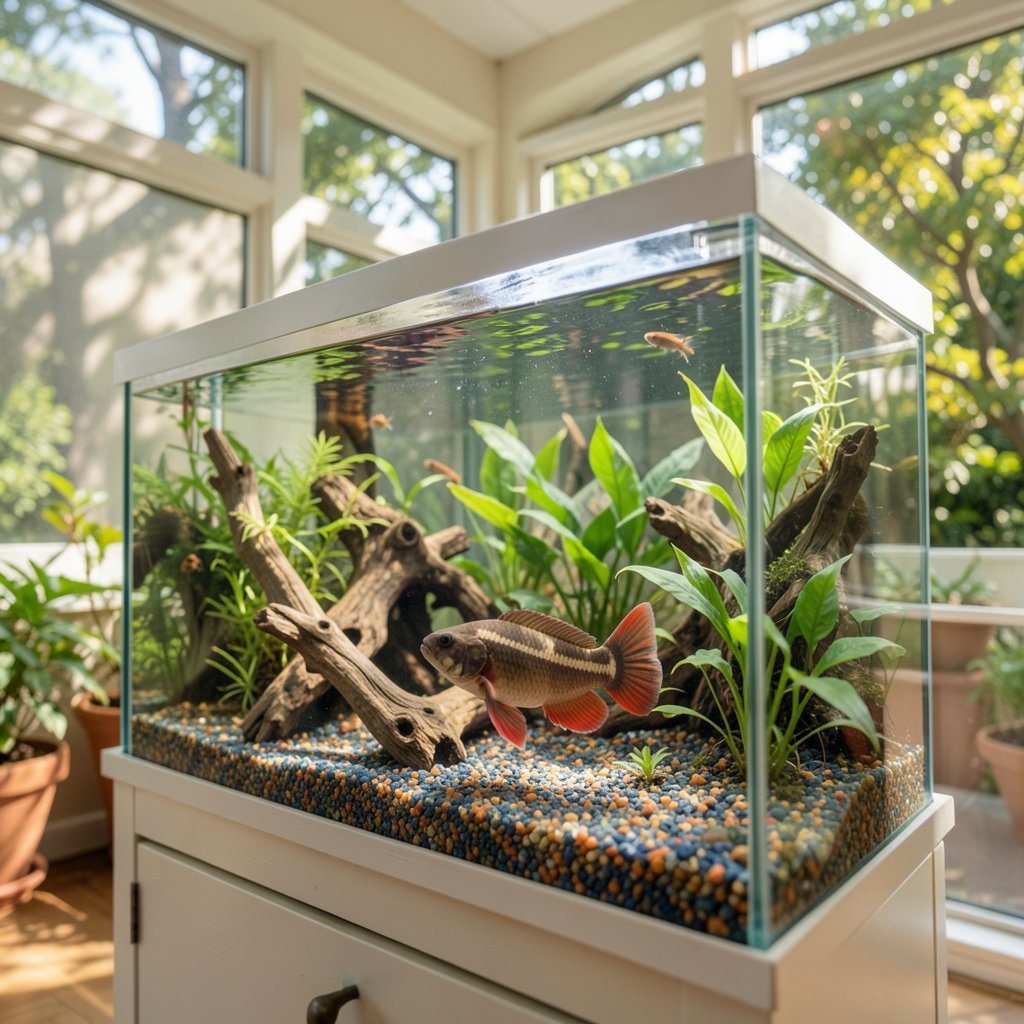
There is a real reason this fish keeps showing up in hobbyist photos and videos. It is charismatic. A juvenile red tail catfish is active, curious, and unafraid. It learns to associate its owner with food, swims to the front glass, and has a personality that reads almost like a pet dog’s. For someone who wants an interactive fish rather than a shy, hiding one, the appeal is obvious.
It is also hardy. Red tail catfish tolerate a range of water conditions, grow quickly, and eat greedily. Compared with delicate species that demand precise parameters, they are forgiving of beginner mistakes in the short term. That hardiness, ironically, is part of the problem: it lets people keep the fish alive long enough for it to become a serious burden.
The Size Problem: Why Most Tanks Cannot Work
The single most important fact about this species is that it does not stay small. A fish sold at five centimeters can multiply its length many times over within a couple of years. Red tail catfish grow fast, and they grow steadily for a long time.
Here is the practical reality, laid out plainly:
| Stage | Typical Size | Realistic Housing Need |
|---|---|---|
| Juvenile (sold in stores) | 5–15 cm | Small tank seems fine, but is temporary |
| Young adult | 30–60 cm | Very large tank or indoor pond |
| Adult | 100 cm and beyond | Pond or public aquarium scale |
A common mistake is buying a “tank-raiser” setup and assuming the fish will settle in. It will not. Adult red tail catfish need hundreds of gallons, high-capacity filtration, and space to turn around without bending. Most home aquariums top out far below that threshold. When the fish outgrows the tank, the owner faces a hard choice: upgrade to a pond, find a public aquarium or experienced keeper willing to take it, or release it. None of those choices is easy, and one of them is harmful.
Filtration and Waste Load
Big fish produce big waste. A red tail catfish is a messy, heavy-eating predator, and its biological load can overwhelm filtration designed for community tanks. Keepers who succeed with large specimens typically rely on sump filtration, frequent large water changes, and serious mechanical filtration to manage solids. This is not a fish you can run on a hang-on filter and hope for the best.
Tank Mates and Predation
Almost anything small enough to swallow will be swallowed. Red tail catfish are opportunistic predators, and tank mates need to be either genuinely large or genuinely armored. Even then, a hungry catfish can surprise its owner. The safest approach is a species-only setup or a very carefully chosen community of similarly sized, sturdy fish.
Handling and Safety: Those Spines Are Real
Red tail catfish carry serrated spines on their pectoral and dorsal fins. These are not decorative. A careless grab or a netting mishap can inflict a painful wound, and the spines can lock in place when the fish is stressed. Experienced keepers move large specimens with wet towels, soft slings, or specialized transport bags rather than bare hands, and they plan the move before the fish is out of the water. If you keep one, treat handling as a two-person job with a clear plan.
Diet and Feeding
In the wild, red tail catfish are opportunistic omnivores and piscivores, eating fish, crustaceans, insects, and whatever else fits. In captivity, they accept pellets, frozen fish, shrimp, and live prey. The temptation is to feed heavily because the fish always seems hungry, but overfeeding leads to obesity, poor water quality, and faster growth than the owner can accommodate. A measured diet with quality staple pellets, supplemented with whole seafood, keeps the fish healthy without accelerating the size problem.
Invasive Risk: When Pets Escape
Released aquarium fish have established populations outside the species’ native range, with reports from parts of Southeast Asia such as Malaysia and Thailand, and introductions recorded in Florida. The pattern is familiar: a fish outgrows its tank, the owner releases it into a local waterway, and a hardy predator finds a new home. The exact establishment status in each region should be checked against government and peer-reviewed records, but the risk is well documented enough that responsible ownership matters. Never release a red tail catfish into the wild. Rehoming through a club, a public aquarium, or an experienced keeper is the ethical route.
Red Tail Catfish vs. Lookalike Species
The red tail catfish is sometimes confused with other red-finned catfishes in the trade. Here is how to tell them apart at a glance. (Set up pokemon radical red emulator 2026)
| Feature | Red Tail Catfish | Common Lookalikes |
|---|---|---|
| Body pattern | Dark brown with bold white lateral band | Often mottled or spotted, no clean band |
| Tail color | Bright orange-red | Reddish but usually duller |
| Adult size | Very large (meter scale) | Usually smaller, varies by species |
| Genus | Phractocephalus (monotypic) | Different genera entirely |
If a seller cannot name the species confidently, that is a warning sign. Confirm the scientific name before buying anything.
Conservation Status and Wild Populations
The species is widespread across a huge river system, and it is not currently considered globally threatened; it is generally listed as Least Concern, though the assessment year should be verified on the current Red List before being quoted. The bigger pressures are habitat change across the Amazon basin and the aquarium trade itself, which removes wild juveniles and creates welfare problems when those fish outgrow captivity.
Practical Tips for Anyone Considering One
If you are still tempted, run through this checklist honestly before you buy.
- Measure your maximum possible tank or pond. Not the tank you have now, the largest one you could ever build or buy. If it is under several hundred gallons, stop.
- Plan the exit before you enter. Line up a public aquarium, a pond owner, or a specialist club contact in advance.
- Budget for filtration and electricity. Big fish mean big pumps, big water changes, and real utility bills.
- Handle with respect. Use soft transport methods and never grab a catfish by the body.
- Never release. Rehome responsibly if you cannot keep the fish.
There is a broader lesson here about impulse purchases in the fish trade. The same pattern shows up across hobbies, from giant snakes to large parrots: an animal is sold small and cheap, and the true cost arrives years later. Hobbyists who research first, and who treat the animal’s adult size as the starting point rather than the surprise, tend to have far better outcomes.
What Actually Works in Practice
Keepers who successfully house adult red tail catfish tend to share a few habits. They build or buy the final enclosure first, often an indoor pond or a very large custom tank, rather than upgrading repeatedly. They run heavy filtration and do large, regular water changes. They feed measured portions instead of free-feeding. They keep the fish alone or with carefully vetted large tank mates. And they stay connected to aquarium societies and public aquariums, which are the realistic rehoming network when a fish needs a new home.
The failures follow a predictable script too: a cheap juvenile, a modest tank, rapid growth, a stressed owner, and a fish released into a pond or river. Knowing that script in advance is the best protection for both the fish and the local ecosystem.
Conclusion
The red tail catfish is a magnificent animal: a river giant with a bold pattern, a confident personality, and a genuinely impressive adult size. That same size is why it belongs in the hands of experienced keepers with pond-scale setups, not in the average home aquarium. If you have the space, the filtration, and the long-term plan, it can be a rewarding species. If you do not, admire it in a public aquarium or through a keeper’s photos, and leave the juvenile in the store. Responsible choices start with honest math about how big the fish will get, and they end with never letting a pet become an invasive problem.
Frequently Asked Questions
How big does a red tail catfish get?
Adults commonly reach roughly 1.3 to 1.8 meters and can weigh 50 to 80 kilograms in the wild, though maximum-size records vary by source. Even at the lower end, this is a fish measured in meters, not centimeters, which is why it needs pond-scale housing.
Can a red tail catfish live in a normal home aquarium?
Only as a juvenile, and only temporarily. Adults need hundreds of gallons, heavy filtration, and room to turn around. Most standard home tanks cannot support an adult, so keepers should plan for an indoor pond or a very large custom system from the start.
What do red tail catfish eat?
They are opportunistic predators and omnivores, eating fish, crustaceans, and insects in the wild. In captivity they take quality pellets, frozen fish, and shrimp. Feed measured portions, because overfeeding causes obesity and poor water quality.
Are red tail catfish dangerous to handle?
Their pectoral and dorsal fins carry serrated spines that can cause painful wounds. Move large specimens with soft slings or wet towels and treat handling as a two-person job. Never grab a catfish by the body.
Can you release a red tail catfish into the wild?
No. Released aquarium fish have established populations outside their native range in parts of Southeast Asia and have been recorded in Florida. Rehome through a public aquarium, a hobbyist club, or an experienced keeper instead.
Are red tail catfish endangered?
They are widespread across the Amazon, Orinoco, and Essequibo basins and are generally listed as Least Concern, though the assessment year should be verified on the current Red List. Habitat change and the aquarium trade are the main pressures worth watching.



