
Quick Answer: What are the protists?
Protists are eukaryotes that are not animals, land plants, or fungi. The word describes what an organism is not, not a natural evolutionary group, so protists form a loose, paraphyletic collection rather than a true clade. You meet them as pond-water algae, malaria parasites, kelp forests, and bloom-forming phytoplankton.
Some protists photosynthesize like plants, some hunt like animals, some parasitize, and many mix strategies. Historically, Protista was a formal kingdom in the five-kingdom scheme; modern molecular classification has largely dropped it as a formal taxon and spread protists across several eukaryote supergroups.
Before trusting any list of “protist facts,” check the classification scheme used, whether the term is being used formally or informally, the nutritional mode described, the habitat, and any human-health relevance.
A Word That Describes What Something Is Not
Here is the strange truth about protists: nobody can point to a single trait that all of them share and nothing else does. A protist is simply a eukaryote that failed to qualify as an animal, a land plant, or a fungus. That is a leftover category, not a family reunion.
This matters more than it sounds. In biology, a real group, called a clade, contains an ancestor and all of its descendants. Protists do not work that way. Their members are scattered across the eukaryotic tree of life, connected by what they lack rather than what they share. Biologists call such a group paraphyletic, and it is the taxonomic equivalent of a drawer labeled “everything else.”
So when a student asks what a protist is, the honest answer is a description, not a definition. It is a convenience label for a staggering range of organisms that happen to be eukaryotic, mostly single-celled, and not quite anything else. If you want to explore how these organisms sit alongside the rest of life, the team at OCCCY covers related biology topics in plain language.
Eukaryotic Cells: The One Real Common Thread
If protists share anything, it is cellular machinery. Every protist is a eukaryote, meaning its cells contain a nucleus and membrane-bound organelles. That is the line separating protists from bacteria and archaea, which are prokaryotes and lack a nucleus entirely.
Most protists are single-celled, and a single cell does everything: eating, moving, sensing, reproducing. Some form colonies. A few build simple multicellular bodies, and kelps are the famous example, growing into underwater forests despite belonging to no plant kingdom.
The practical upshot for anyone peering through a microscope: look for a nucleus and organelles, and you are almost certainly looking at a protist, a tiny animal, or a fungus. Cell structure gets you close. Classification needs more.
How Protists Make a Living
Nutrition is where protists get genuinely weird, and it is the fastest way to appreciate their range.
| Nutritional mode | What it means | Familiar examples |
|---|---|---|
| Photosynthetic | Makes food from sunlight using chloroplasts | Diatoms, dinoflagellates, many green algae |
| Heterotrophic | Feeds on other organisms or organic matter | Amoebae, ciliates that hunt bacteria |
| Parasitic | Lives at the expense of a host | Malaria parasites, Giardia, Entamoeba |
| Mixotrophic | Switches between photosynthesis and feeding | Various flagellates that do both |
That last row is the one that breaks tidy categories. A mixotroph photosynthesizes when sunlight is plentiful and eats when nutrients run short. Nature, it turns out, is not fond of the boxes people build for it.
Movement is just as varied. Some protists crawl with pseudopods, temporary projections of the cell. Some swim with flagella or cilia. Some glide. Some do not move at all and drift as part of the plankton. Reproduction ranges from simple cell division to complex life cycles with multiple stages, sometimes in multiple hosts. The malaria parasite, for instance, shuttles between mosquitoes and humans, and that complexity is exactly why the disease is so hard to control.
From Five Kingdoms to Supergroups: A Short History
For a long stretch of the twentieth century, students learned that life came in five kingdoms: Monera, Protista, Fungi, Plantae, and Animalia. That scheme was popularized by Robert Whittaker in 1969, and it was a genuine improvement over what came before. It gave single-celled eukaryotes a home.
Then molecular data arrived. Comparing DNA across organisms revealed that the five-kingdom arrangement hid enormous evolutionary distances inside the Protista box. A ciliate and a diatom can be less closely related than a mushroom and a mouse.
Modern classification responds by grouping eukaryotes into supergroups. Commonly cited ones include Amoebozoa, Excavata, SAR (Stramenopiles, Alveolata, and Rhizaria), and Archaeplastida. Protists turn up in all of them. The exact number and boundaries of these supergroups remain debated and have been revised repeatedly, which is a polite way of saying the map is still being redrawn.
A useful distinction for readers: protozoa traditionally means animal-like protists, and algae means plant-like ones. Neither term describes a clade either. They are handy ecological shorthand, not evolutionary truth. When a textbook or a website uses them, check whether it is speaking loosely or formally.
Why Protists Matter More Than You Think
It is tempting to file protists under “microscopic curiosities” and move on. That would be a mistake, because they run some of the planet’s most important systems.
They produce oxygen. Phytoplankton, including diatoms and dinoflagellates, are major primary producers in the oceans. They convert sunlight and carbon dioxide into biomass at the base of the marine food web.
They feed everything else. Protists form key links in aquatic food webs, passing energy from bacteria and smaller cells up to fish, whales, and seabirds. Remove them and the whole chain wobbles.
They can turn the water toxic. Some protists cause harmful algal blooms, sometimes called red tides, which can kill fish, contaminate shellfish, and shut down beaches. These blooms are a public concern as well as a subject of scientific study.
They cause disease. Several protists are human pathogens, including Plasmodium species that cause malaria, plus Giardia, Entamoeba histolytica, Trypanosoma, and Toxoplasma. Public-health agencies track these parasites closely because they affect millions of people worldwide.
There is also a practical side. Diatoms leave behind silica shells that accumulate as diatomaceous earth, used in filters and abrasives. Kelps support entire coastal industries. And the study of protists keeps feeding back into cell biology, since many fundamental discoveries about how cells work came from watching single-celled organisms do their thing.
Practical Tips and Common Mistakes
If you are studying protists, teaching them, or just trying to make sense of a textbook chapter, certain traps catch nearly everyone.
Mistake one: treating “protist” as a real group. It is not a clade. If a question asks what all protists have in common, the safest answer is “a eukaryotic cell,” and even that is about shared ancestry rather than a unique trait.
Mistake two: assuming single-celled means simple. A single protist cell can hunt, sense light, dodge predators, and build a shell. Complexity is not the same as cell count.
Mistake three: confusing protozoa and algae with real categories. Both are informal. A single organism can blur the line, and mixotrophs blur it deliberately.
Mistake four: memorizing a species count. Estimates of described protist species vary widely, and no single number is settled. Learn the groups and the ecology instead of a figure that will change.
What actually works in practice is a checklist approach. Ask three questions of any organism: Does it have a nucleus? What does it eat, or what eats it? Where does it live? Those three answers will place almost anything you find in a pond sample or a textbook diagram.
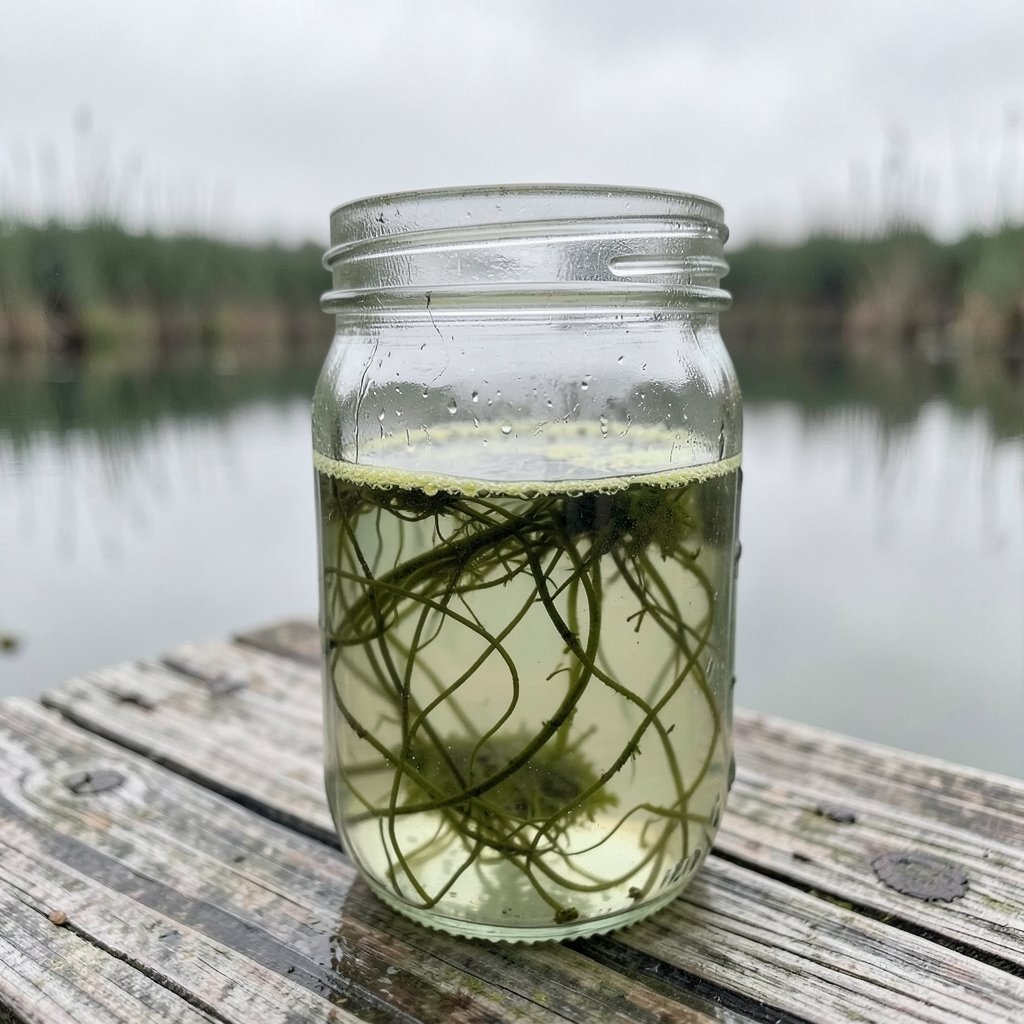
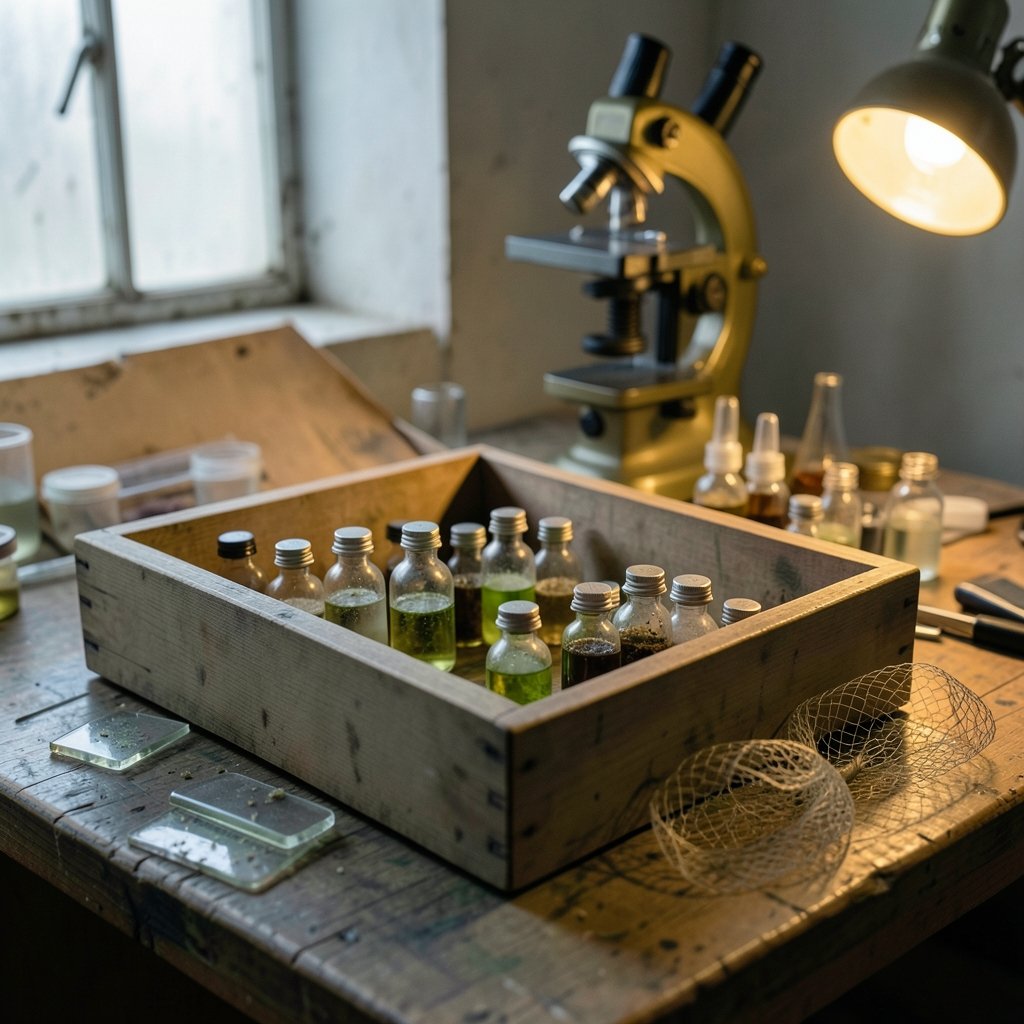
For hands-on learners, a cheap microscope and a jar of pond water remain the best teaching tool ever invented. You will see ciliates darting, amoebae oozing, and green algae glowing, all in one drop. That direct experience beats any diagram, and it makes the paraphyly problem feel real rather than abstract.
Protists and Human Health
The disease angle deserves its own look because it is where protists affect the most people directly.
Malaria alone, caused by Plasmodium parasites and spread by mosquitoes, has shaped human history and still kills hundreds of thousands each year, mostly children in sub-Saharan Africa. Giardia causes intestinal illness, often through contaminated water. Entamoeba histolytica causes amoebic dysentery. Trypanosoma species cause sleeping sickness and Chagas disease. Toxoplasma is common worldwide and can be dangerous during pregnancy or with a weakened immune system.
What unites these pathogens is not ancestry but lifestyle: they are eukaryotes that have learned to live inside other eukaryotes. That makes them harder to treat than bacteria, because their cells resemble human cells more closely, leaving fewer targets for drugs. It also makes prevention, such as clean water, mosquito nets, and food safety, enormously valuable.
Conclusion
Protists are the eukaryotes that are not animals, land plants, or fungi, and that negative definition is the whole story. They are paraphyletic, wildly diverse, and scattered across the eukaryotic tree. Some photosynthesize, some hunt, some parasitize, and some do all three depending on the day. They were a formal kingdom in the five-kingdom scheme popularized in 1969, and modern molecular classification has largely retired that arrangement in favor of supergroups whose boundaries are still being argued over.
What should stick is simpler than taxonomy. Protists are the invisible majority of eukaryotic life, producing oxygen, feeding food webs, occasionally poisoning coastlines, and sometimes infecting people. They are not a tidy group, and that is precisely what makes them worth understanding. The next time you look at a pond, remember that most of what is alive in it belongs to a category defined by what it is not.
What is the difference between protozoa and algae?
Both are informal labels rather than clades. Protozoa traditionally describes animal-like protists that move and feed on other organisms, while algae describes plant-like protists that photosynthesize. Neither term maps cleanly onto evolutionary relationships, and many organisms blur the boundary. Treat both as ecological shorthand and check the classification scheme being used.
Are protists always single-celled?
No. Most are single-celled, but some form colonies and a few build simple multicellular bodies. Kelps are the best-known example, growing into large underwater structures despite not being plants. The single-celled majority is what makes protists so easy to overlook in everyday life.
Why is Protista no longer considered a proper kingdom?
Because molecular data showed the group is paraphyletic. Its members are not all descended from a single exclusive ancestor, and organisms inside the old kingdom can be less related to each other than a mushroom is to a mouse. Modern classification spreads protists across several eukaryote supergroups instead.
Do protists cause diseases in humans?
Yes, several do. Plasmodium species cause malaria, Giardia causes intestinal illness, Entamoeba histolytica causes amoebic dysentery, Trypanosoma causes sleeping sickness and Chagas disease, and Toxoplasma can be dangerous during pregnancy or with a weakened immune system. These are eukaryotic pathogens, which makes them harder to treat than bacteria.
How do protists get energy?
Three main ways, plus a hybrid. Photosynthetic protists make food from sunlight, heterotrophic protists feed on other organisms, parasitic protists live off a host, and mixotrophs switch between photosynthesis and feeding depending on conditions. That flexibility is one reason protists resist tidy categorization.
How can someone start learning about protists at home?
A basic microscope and a jar of pond water are enough to begin. Look for a nucleus and organelles to confirm you are seeing eukaryotes, then observe how each organism moves and feeds. Ask what it eats, what eats it, and where it lives, and you will learn more than any species list can teach.



