
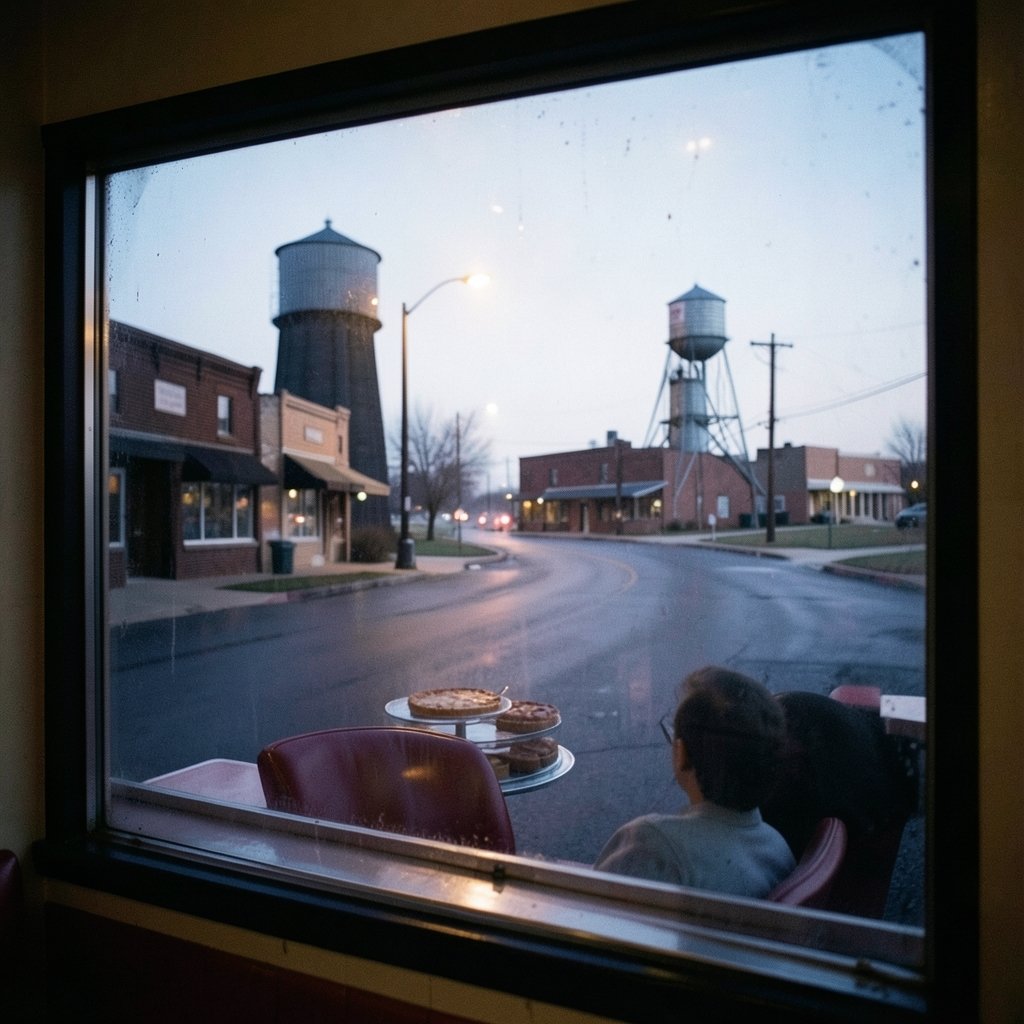
What if the middle of the United States wasn’t in Kansas, Nebraska, or anywhere else you’d expect, but in a quiet ranching town in western South Dakota with a French name and a serious livestock auction? That’s the claim Belle Fourche has been making since 1959, and it has the monument, the paperwork, and the bragging rights to back it up.
Belle Fourche sits in Butte County, close to the Wyoming border, and it has spent more than a century turning a remote location into an advantage. It’s a railroad town that became a cattle town, a county seat, and a starting point for trips to the Black Hills. Whether you’re planning a road trip, researching a move, or just curious about a place that keeps showing up on maps of the American West, here’s what matters about Belle Fourche.
Where Is Belle Fourche, and What Does the Name Mean?
Belle Fourche is a city in western South Dakota and the county seat of Butte County. The name is French for “beautiful fork,” a reference to the spot where the Belle Fourche River meets the Redwater River. French fur traders and explorers moved through this region long before any town existed, and the name stuck.
The location is the whole story. Belle Fourche sits near the point where South Dakota, Wyoming, and Montana come close together, which made it a natural gathering place for people, livestock, and freight moving across the northern Great Plains. It also serves as a northern entry point to the Black Hills, and Devils Tower National Monument in Wyoming is roughly 30 miles to the west.
That geography explains almost everything about the town’s economy and personality. It’s not a resort town or a suburb. It’s a service center for a very large, very empty stretch of ranch country.
The Geographic Center of the United States Claim
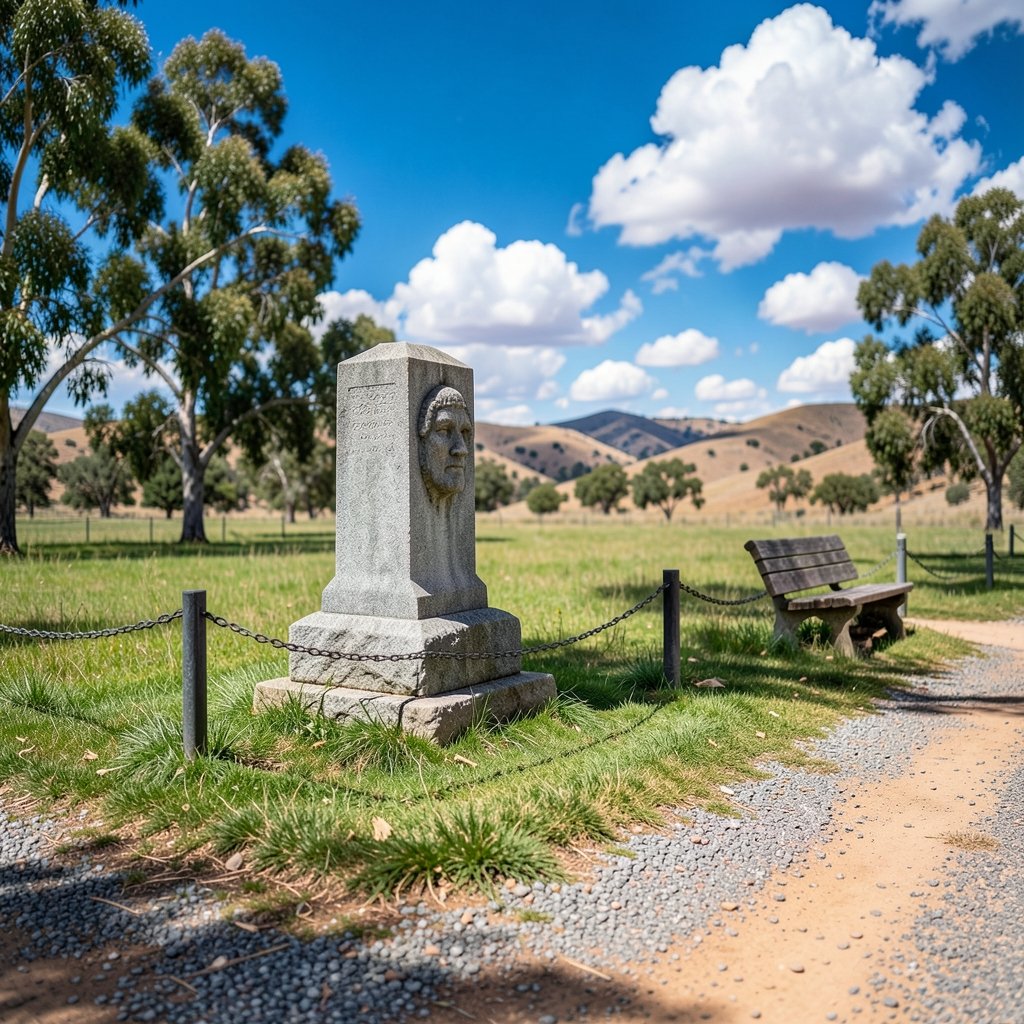
This is the fact most people associate with Belle Fourche, and it deserves a careful explanation rather than a one-line mention.
Since 1959, Belle Fourche has marketed itself as the geographic center of the United States when Alaska and Hawaii are included. The calculation behind the claim came from the U.S. Coast and Geodetic Survey, and a monument near town marks the spot. When Alaska and Hawaii became states, the center of the country shifted dramatically, and Belle Fourche ended up holding the title.
Here’s the honest caveat: “center” is a method-dependent word. The center of a country’s area is not the same as its population centroid, and different measurement approaches produce different answers. Other towns have made competing claims over the years. So the fair way to describe it is this: Belle Fourche has a legitimate, government-derived basis for its claim, dating to 1959, and it presents the claim as a point of local pride. Visitors should treat it as a fun, well-documented piece of civic identity rather than an undisputed scientific fact.
The monument itself is a popular photo stop, and it’s the kind of roadside attraction that gives a small town an outsized place in people’s memories. If you enjoy the mechanics of how these claims get made and marketed, the same instinct for a good story shows up in other unlikely places, like the strange saga behind cast voicemails isabelle project actually and how a small detail became a talking point.
Railroad Roots and the Rise of a Livestock Town
Belle Fourche grew up around the railroad. The Chicago, Burlington and Quincy Railroad reached the area around 1890, and the town became a shipping point for livestock and for freight headed into the Black Hills mining districts. That origin shaped everything that followed.
Once you can move cattle and goods efficiently, you become a hub. Belle Fourche developed into a major livestock auction and shipping center serving northwestern South Dakota, eastern Wyoming, and southeastern Montana. The stockyards have long hosted one of the region’s larger livestock sales operations, and ranching remains central to the local identity.
A practical note for anyone visiting or doing business here: the livestock economy runs on schedules. Auction days shape traffic, hotel availability, and even restaurant hours in small towns like this. If you’re planning a trip and want to see the town at its most alive, it’s worth checking the local sale calendar first. If you’re the type who likes to understand the mechanics of a place before you arrive, the same preparation mindset applies to technical tasks like figuring out how to open bios windows 11 four methods that actually work before you sit down at a machine.
Belle Fourche as Butte County Seat
Belle Fourche is the county seat of Butte County, which was organized in 1910. That role brings courthouse business, government offices, and the steady traffic that comes with being the place where official things happen in a rural county.
Being a county seat in a sparsely populated area means more than paperwork. It means the town serves as the administrative anchor for a wide region, and residents from smaller communities nearby come in for services they can’t get at home. That function is easy to overlook, but it’s a big part of why towns like this survive when others fade.
Population and What the Numbers Say
The 2020 U.S. Census recorded a population of roughly 5,600 people in Belle Fourche. Earlier decades showed a smaller population, and the town has been roughly stable to slightly growing in recent years.
What do those numbers mean in practice? A town of about 5,600 in a remote part of South Dakota has to be efficient. You’ll find the essentials, a strong sense of community, and a pace of life that visitors either love immediately or find jarring. There’s no anonymous crowd to disappear into. That’s a feature for some people and a drawback for others, and it’s worth being honest about which camp you’re in before deciding to stay long term.
The Black Hills Roundup and Local Culture
Belle Fourche is known for the Black Hills Roundup, a rodeo held around the Fourth of July and established in 1918. It’s a notable regional event that draws visitors and reinforces the town’s ranching identity.
Beyond the rodeo, the culture here is shaped by the realities of rural life: weather that demands preparation, distances that demand planning, and a community that depends on people showing up for each other. If you’re visiting during a major event, book early. Small-town lodging inventory disappears fast when a rodeo or holiday weekend arrives, and the nearest alternative rooms can be a long drive away.
Climate: What to Expect
Belle Fourche has a semi-arid continental climate, typical of the northern Great Plains. That means cold winters and warm summers, with the kind of temperature swings that catch unprepared visitors off guard.
Practical advice that locals would give without hesitation: check the forecast for the actual days you’ll be there, not the seasonal average. Bring layers even in summer, because mornings and evenings can be cool. In winter, plan for the possibility that travel plans change. Wind is a constant companion on the plains, and it makes cold feel colder and heat feel sharper. None of this is a reason to avoid the area, but it is a reason to pack like someone who respects the weather.
Getting There and Getting Around
Belle Fourche is reached by road, and the drive is part of the experience. The surrounding landscape is wide open, with long sightlines and few services between towns. That’s the reality of the northern Great Plains, and it’s worth planning around.
A few things that actually work in practice:
- Fill the fuel tank whenever you have the chance. Stations can be far apart, and some close early.
- Download offline maps before you leave a larger town. Cell coverage is not guaranteed in every stretch.
- Keep water and a basic emergency kit in the vehicle, especially outside summer.
- Time your drives to daylight when you can. Wildlife on the road is a real hazard at dawn and dusk.
The town’s position near the tri-state area makes it a useful base for exploring in several directions at once. Devils Tower is a reasonable day trip, and the Black Hills are within reach for longer outings.
Common Mistakes Visitors Make
A few patterns come up again and again when people visit small Plains towns like this one.
The biggest mistake is underestimating distance. Maps make the region look compact, but a “short drive” can take much longer than expected once you account for two-lane roads and the absence of interstate speed limits.
The second mistake is assuming services are always available. Restaurants, shops, and attractions keep limited hours, and Sundays and holidays can be very quiet. Calling ahead is not excessive caution here; it’s basic sense.
The third is treating the geographic center claim as a punchline. It’s a genuine piece of local history with a documented origin, and locals take a friendly pride in it. Engaging with it seriously, and with a sense of humor, goes over much better than dismissing it.
Finally, visitors sometimes skip the town itself on the way to bigger attractions. That’s a miss. The stockyards, the monument, the courthouse, and the rodeo grounds tell the story of how this place survived and why it still matters. Taking an hour to walk around is worth it. The same principle applies to any subject you’re trying to understand properly rather than skim, whether that’s a town’s history or a practical skill like how to tie four knots step by step mistakes avoid so the result actually holds.
What Actually Works When You Visit
Based on how the town functions, here’s a realistic approach:
- Build in buffer time for every drive.
- Check event calendars before booking, especially around the Fourth of July.
- Plan meals around limited hours rather than assuming you’ll find something open.
- Talk to people. In a town this size, the person at the counter often knows the answer to your question better than any guide.
- Bring cash as a backup, since small businesses sometimes have card minimums or connectivity issues.
These aren’t glamorous tips, but they’re the ones that separate a smooth trip from a frustrating one. The same logic about planning ahead and avoiding obvious pitfalls shows up in plenty of other contexts, including how organizations handle big structural decisions, like when ea closes bioware four bets portfolio 2026 reshaped a studio’s direction.
Conclusion
Belle Fourche is easy to underestimate and hard to forget. It’s a town of about 5,600 people in western South Dakota that became a railroad shipping point, then a livestock hub, then a county seat, and along the way picked up a legitimate claim to the geographic center of the United States. It is a base for trips to the Black Hills and Devils Tower, home to a rodeo that has run since 1918, and a place where the northern Great Plains climate and distances shape daily life in ways visitors should respect.
The honest takeaway is that Belle Fourche rewards preparation. Check the calendar, plan for distance, pack for weather, and engage with the town on its own terms. Do that, and a stop that might have been a quick photo at a monument turns into a real understanding of how the rural West works. The center of the country, it turns out, is a pretty interesting place to stand.
Frequently Asked Questions
Is Belle Fourche really the geographic center of the United States?
Belle Fourche has marketed itself that way since 1959, based on a calculation by the U.S. Coast and Geodetic Survey that accounted for Alaska and Hawaii. A monument near town marks the spot. The claim depends on the method used to define “center,” and other places have made competing claims, so it’s best understood as a well-documented local claim rather than a settled scientific fact.
What does the name Belle Fourche mean?
It’s French for “beautiful fork,” referring to the confluence of the Belle Fourche and Redwater rivers. French traders and explorers were in the region long before the town was established, and the name reflects that early history.
What is Belle Fourche known for besides the center monument?
It’s known as a major livestock auction and shipping center for northwestern South Dakota, eastern Wyoming, and southeastern Montana. It’s also the Butte County seat and hosts the Black Hills Roundup, a rodeo held around the Fourth of July and established in 1918.
How many people live in Belle Fourche?
The 2020 U.S. Census recorded a population of roughly 5,600. The town has been roughly stable to slightly growing in recent decades after being smaller in earlier years.
What is the climate like in Belle Fourche?
It has a semi-arid continental climate typical of the northern Great Plains, with cold winters and warm summers. Temperature swings and wind are part of daily life, so layered clothing and flexible travel plans are sensible.
What is the best time of year to visit Belle Fourche?
Summer is the most popular season, and the Fourth of July period around the Black Hills Roundup draws the biggest crowds. Spring and fall offer quieter visits but come with more variable weather. Winter travel is possible but requires flexibility, since conditions can change plans quickly.



