

What makes a school district worth moving for? For thousands of families on San Antonio’s southeast side, the answer runs through East Central ISD, a district that has grown from a patch of rural Bexar County into one of the area’s busier school systems. It serves a wide stretch of communities east of the city, and its story is one of steady growth, shifting demographics, and the practical questions that come with both. Anyone weighing a move, a transfer, or simply a better grasp of how local schools work will find plenty to unpack here.
Where East Central ISD Sits and Who It Serves
East Central Independent School District covers roughly the southeastern corner of Bexar County, Texas, taking in communities such as China Grove, St. Hedwig, Adkins, and parts of the San Antonio city limits. It is a district defined by its edges: partly suburban, partly rural, with long bus routes and campuses spread across open land rather than packed into a single urban grid.
That geography shapes almost everything about the district. Students arrive from working farms, new subdivisions, and older neighborhoods where families have stayed for generations. The mix gives East Central a character that is hard to duplicate inside the city’s core, and it explains why district decisions about boundaries, transportation, and new construction tend to draw close attention from residents.
The district operates a full range of campuses, from elementary schools through a high school, plus alternative and specialized programs. For a household comparing districts, the practical takeaway is simple: East Central is large enough to offer breadth but spread out enough that where you live within the boundaries matters a great deal.
A District Built on Growth and Change
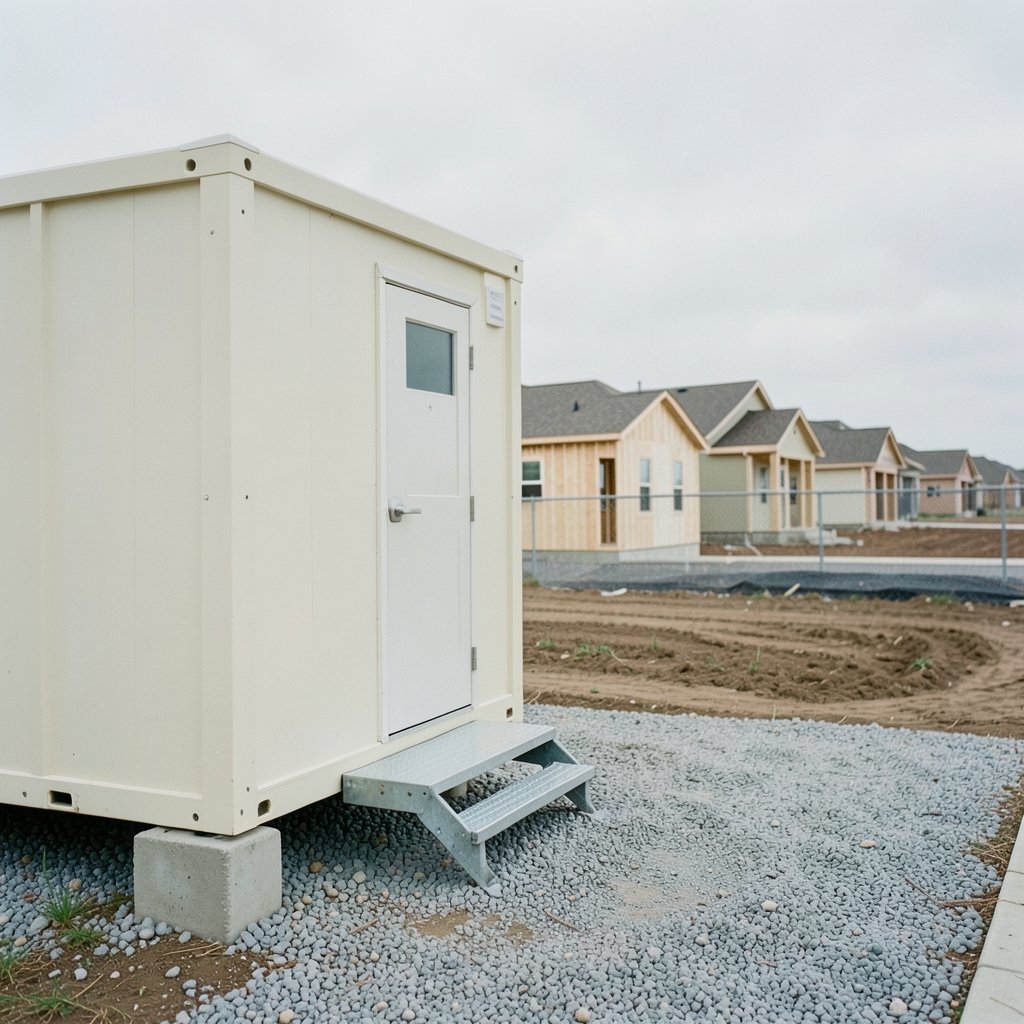
Few things define East Central ISD more than growth. The southeast side of Bexar County has absorbed wave after wave of residential development, and each new subdivision adds students to a district that was once overwhelmingly rural. That shift has forced the district to balance tradition against capacity.
Growth creates a predictable chain of consequences. Enrollment climbs, campuses fill, portable buildings appear, and eventually voters are asked to approve bond packages for new schools and renovations. East Central has traveled that road more than once, and bond elections have become a recurring feature of local civic life. For families, the lesson is to watch the bond calendar: it tells you where new campuses will rise and which neighborhoods will see boundary changes.
Demographic change matters too. Like many districts on San Antonio’s outskirts, East Central has seen its student population become more economically diverse, which raises the stakes for programs like meal assistance, counseling, and after-school support. Districts that manage growth well tend to invest early in those services rather than scrambling later.
How the Academics Are Organized
East Central ISD follows the standard Texas public school structure: elementary grades building foundational skills, middle school easing students into departmentalized classes, and high school offering the full range of graduation pathways. Within that framework, the district emphasizes career and technical education alongside traditional college prep.
That dual focus is worth understanding. Texas graduation requirements allow students to pursue endorsements in areas like business, health science, and trades, and districts with strong CTE programs give teenagers a head start on certifications or workforce entry. For families who assume every district pushes everyone toward a four-year degree, East Central’s approach is a useful correction: the goal is options, not a single track.
Advanced coursework also plays a role. Students aiming at competitive universities typically look for Advanced Placement courses, dual credit arrangements with nearby colleges, and strong extracurricular resumes. Those offerings vary by campus and by year, so the smart move is to ask specific questions during a campus visit rather than rely on general reputation.
Practical Tips for Families Evaluating the District
Firsthand experience from parents who have navigated Texas districts suggests a few habits that separate a smooth transition from a frustrating one.
Visit on a normal day. Tour schedules showcase the best of any campus. Ask to see a regular class period, the cafeteria at lunch, and the pickup line at dismissal. Traffic flow tells you more about daily life than any brochure.
Ask about boundaries as well as campuses. In a fast-growing district, attendance zones shift. A home that feeds one elementary today may feed another in three years. Request the current boundary map in writing and ask how often it has changed recently.
Check the bus schedule against your workday. East Central’s spread-out geography means long rides for some students. Confirm pickup times for your specific address before you sign a lease.
Read the board agenda, and read the newsletter too. School board meetings are where budget cuts, new programs, and campus plans actually surface. The district’s public agendas are the most reliable early warning system a parent has.
Ask about turnover. Teacher retention affects continuity more than almost any other factor. A district with stable staff tends to have steadier classrooms, and it is a fair question to raise directly.
Common mistakes are equally predictable. Families often judge a district by a single test score or a single conversation with one unhappy parent. They overlook the difference between district-wide averages and the specific campus their child will attend. And they rarely ask how special education services, English learner programs, or gifted screening actually work in practice, even though those details matter intensely for the children who need them.
Technology, Safety, and the Modern District
Like most Texas districts, East Central has invested in classroom technology and campus security. Device programs, network upgrades, and visitor management systems have become standard expectations rather than luxuries. The broader national conversation about how schools buy and manage technology has grown complicated, with districts weighing platform costs, governance, and integration headaches; the same tradeoffs between price and control show up in enterprise software debates such as the Okta vs Microsoft Entra ID 2026 pricing governance stack fit comparison. Schools rarely face those decisions at that scale, but the underlying logic is familiar to any administrator balancing budget against capability.
Safety planning deserves its own attention. Districts across the region have tightened entry protocols, added counseling capacity, and rehearsed emergency procedures with local law enforcement. Parents should ask what specific drills occur, how threats are reported, and who communicates with families during an incident. Vague assurances are a red flag; clear procedures are not.
Funding is the quiet force behind all of it. Texas school finance relies on a mix of state formulas and local property taxes, and districts with growing enrollment often find themselves caught between rising costs and capped revenue. That tension explains why bond elections and legislative sessions matter so much to families who never think about school finance until a program gets cut.
How East Central Fits the Wider Region
It helps to place the district in context. San Antonio’s school landscape is fragmented, with dozens of districts serving different slices of the metro area. Families compare East Central against neighboring systems constantly, and the honest answer is that fit matters more than rankings.
Rivalries and regional identity run deep in Texas, and school loyalty is part of that fabric. Sports fans know the intensity of matchups like Jets vs Patriots: inside the AFC East rivalry that keeps giving, and high school football carries a similar weight in communities where Friday nights are social glue. East Central’s athletic programs serve that function for the southeast side, giving students and alumni a shared identity that outlasts any single season.
The district also sits within a region shaped by broader economic currents. San Antonio’s population continues to expand outward, and areas like the 480 area code: East Valley’s phone identity explained show how fast-growing suburban zones develop their own identities over time. East Central’s communities are undergoing a version of that same transformation, moving from rural outposts to recognizable suburbs with their own commercial centers and civic life.
For families thinking about the long term, that trajectory is the real story. A district in transition offers opportunity, but it also demands attention. The parents who thrive in places like East Central are the ones who stay engaged, ask direct questions, and treat enrollment as the beginning of a relationship rather than a one-time transaction.
What to Watch in the Coming Years
Three issues will likely shape East Central ISD’s near future. The first is enrollment pressure and how the district responds with facilities. The second is staffing, since teacher shortages affect every district in Texas and rural-adjacent systems often feel them first. The third is program depth, particularly in career pathways and special education, where families increasingly expect robust options close to home.
None of these have simple answers. What matters is transparency: a district that publishes clear data, holds accessible board meetings, and communicates honestly about constraints gives families what they need to make good decisions. East Central has the size and location to be a strong choice for many households. Whether it is the right choice depends on the specific campus, the specific child, and the specific questions a family is willing to ask.
Conclusion
East Central ISD is best understood as a district in motion. It carries the character of rural Bexar County while absorbing the pressures of suburban growth, and it serves a student body that is more diverse and more demanding than its older reputation suggests. Families who approach it with curiosity rather than assumption will find a system with real strengths and real challenges. Visit the campuses, read the board agendas, ask about boundaries and bus routes, and judge the district by the school your child will actually attend. That approach beats any ranking, and it is the one that tends to hold up over time.
Frequently Asked Questions
What communities does East Central ISD serve?
The district covers southeastern Bexar County, Texas, including areas around China Grove, St. Hedwig, Adkins, and parts of San Antonio’s eastern edge. Because the boundaries stretch across both suburban and rural land, the specific community a family lives in can affect which campus a child attends.
Is East Central ISD a growing district?
Yes. Residential development on San Antonio’s southeast side has added students steadily over the years, and the district has responded with facility planning and bond proposals. Growth affects attendance boundaries, transportation routes, and campus capacity, so families should confirm current zoning for any address they are considering.
What academic programs are available?
The district follows the standard Texas structure from elementary through high school and offers career and technical education pathways alongside college preparatory coursework. Advanced placement and dual credit availability varies by campus and year, so it is worth asking directly during a visit.
How should a family evaluate a specific campus?
Tour on a regular school day, observe a normal class period and dismissal, ask about teacher turnover, and request written attendance zone information. Also ask how special education, English learner support, and gifted screening work in practice, since those details rarely appear in general marketing materials.
How does Texas school funding affect the district?
Texas districts rely on a combination of state formulas and local property taxes. Growing districts often face rising costs against capped revenue, which is why bond elections and legislative decisions have a direct impact on facilities, staffing, and programs.
What is the best way to stay informed about district decisions?
Follow the school board’s public agendas and minutes, which surface budget changes, new programs, and campus plans before they reach newsletters. Attending or streaming board meetings is the most reliable way for parents to understand what is changing and why.



