
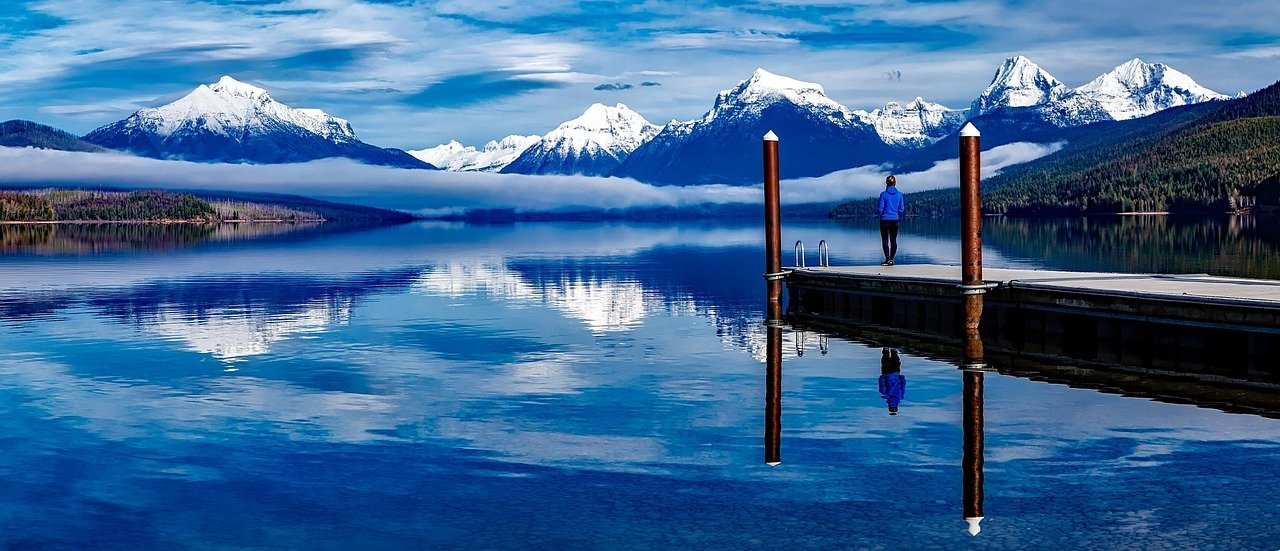
What if the most memorable day of your summer involved standing on a mountain pass at 6,600 feet, watching a mountain goat pick its way across a snowfield, knowing that the ice beneath your boots has been there for thousands of years? That’s a Tuesday in Glacier National Park. But here’s the catch: this place rewards planners and punishes people who wing it. A Glacier National Park vacation is one of the most spectacular trips in North America, and also one of the most logistically demanding. The season is short, the roads open late, the lodging vanishes early, and the weather can flip from sunshine to sleet before lunch.
This guide walks through what actually matters: when to go, how to get in, where to sleep, what to hike, and the mistakes that catch first-timers off guard.
Why Glacier Belongs on a Short List
Glacier National Park sits in northwestern Montana, pressed against the Canadian border, where it adjoins Waterton Lakes National Park in Alberta. Together the two form the Waterton-Glacier International Peace Park, designated in 1932, and the whole area holds UNESCO World Heritage status. The U.S. park itself was established in 1910.
What makes it different from other big western parks is the density of scenery. You don’t drive hours between highlights. The Going-to-the-Sun Road, a 50-mile route that cuts straight across the park over Logan Pass, delivers one jaw-dropping view after another. Valleys hold turquoise lakes. Cliffs rise almost vertically. And the wildlife is present on the ground, not only on a sign: grizzly and black bears, mountain goats, bighorn sheep, moose, and wolverines all live here.
One thing travelers should understand before booking: the glaciers are disappearing. A commonly cited inventory counted about 26 named glaciers remaining, down from roughly 80 around 1850. Counts depend on the minimum-size threshold used, so figures vary by source, but the direction is not in dispute. Going now means seeing something that will look different for the next generation.
When to Go: The Season Is Shorter Than You Think
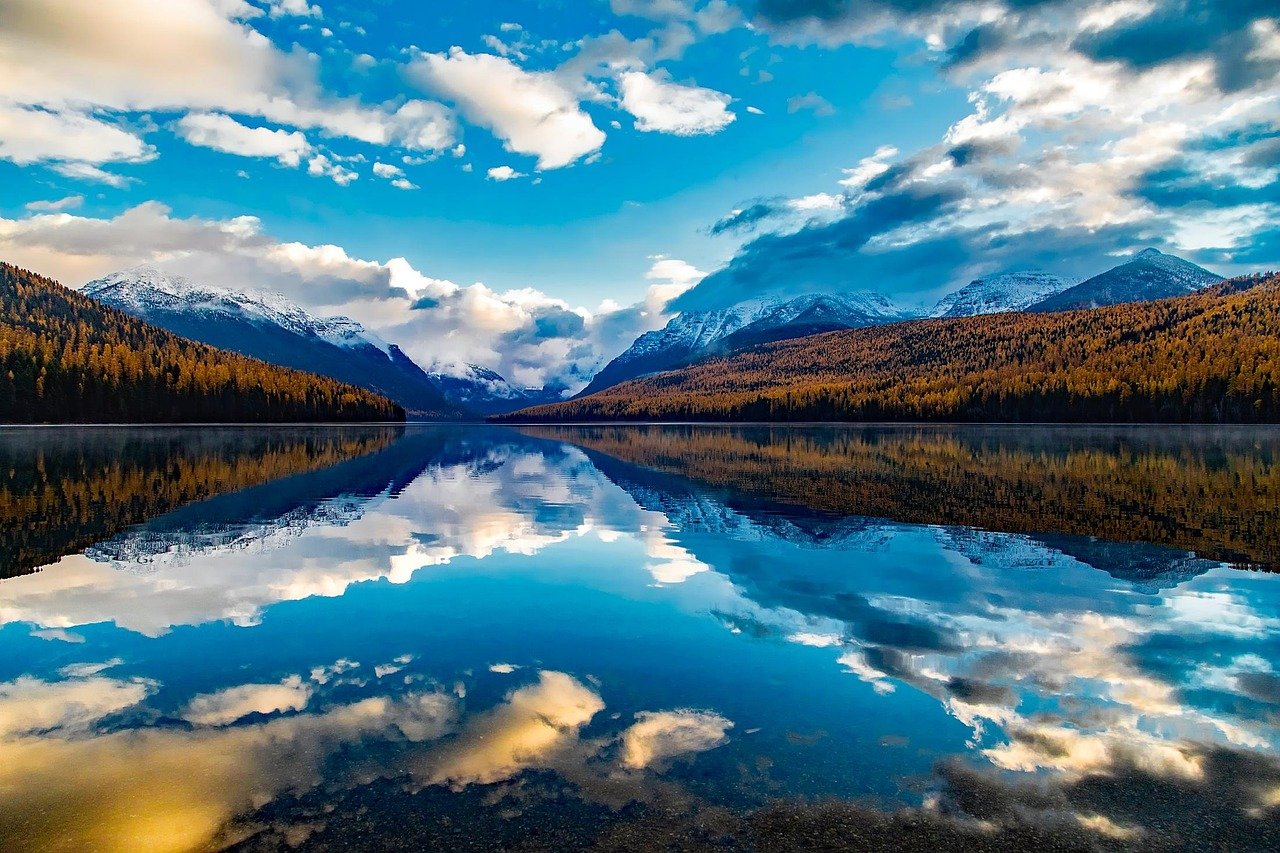
The main season runs roughly from late May or June through September. That’s it. Everything else is shoulder season with real trade-offs.
The Going-to-the-Sun Road typically opens fully only in summer, often late June or early July, once snow clearing finishes, and stays open into October depending on weather. Dates shift every year. Anyone planning around the road should check current conditions before locking in dates, not after.
| Window | What You Get | What You Give Up |
|---|---|---|
| Late May to mid-June | Fewer crowds, green valleys, waterfalls at peak flow | High country still snowbound, road not fully open |
| Late June to August | Full road access, all trails open, long daylight | Peak crowds, lodging scarcity, reservation requirements |
| September | Thinner crowds, golden larches late in month, crisp air | Some services close, early snow possible |
| October | Quiet, dramatic light | Most facilities shuttered, road closures likely |
If someone’s goal is hiking at elevation, July and August are the honest answer. If the goal is photography and solitude, September wins. Families tied to school schedules should look at the best family vacation spots that actually work for kids and parents for comparison before committing, because Glacier is spectacular but not effortless with very young children.
Getting In: Entrances, Airports, and the Reservation Trap
The two main gateways are West Glacier on the west side and St. Mary on the east. West Glacier sits near U.S. Highway 2 and has an Amtrak Empire Builder stop, which is a genuinely underrated way to arrive. Farther out, Columbia Falls, Kalispell, and Whitefish serve as base camps. The nearest larger airport is Glacier Park International near Kalispell. Missoula and Great Falls are considerably farther.
Now the part that trips people up: timed vehicle reservations. In recent years the park has required them for Going-to-the-Sun Road and, in some years, for areas like Many Glacier and the North Fork during peak season. These rules have changed repeatedly, sometimes mid-season. The practical advice is simple and non-negotiable: confirm the current year’s system before booking anything else, because a reservation you don’t have can turn a two-hour drive into a wasted morning.
A few field-tested tips:
- Enter early. The west entrance backs up badly by mid-morning in July and August.
- The east side (St. Mary) is often quieter and puts you closer to Many Glacier.
- Cell coverage is sparse throughout the park. Download maps and confirmations offline.
- Logan Pass sits above 6,600 feet. Weather there is not the weather at your campground.
Where to Sleep: Book Early or Get Creative
In-park lodging is limited and books far in advance. The historic properties, including Lake McDonald Lodge and Many Glacier Hotel, are the classic choice, and their cancellation policies mean persistent checking sometimes pays off even after they show as full.
Frontcountry campgrounds include Apgar and St. Mary, with some sites requiring reservations. Campground reservations open on a rolling schedule and disappear fast.
Motels in West Glacier, Hungry Horse, Columbia Falls, and St. Mary are the fallback, and they’re perfectly good. The trade-off is a daily drive in. Travelers who want maximum flexibility often base themselves in Whitefish or Kalispell and treat the park as day trips, which works for a mixed group where not everyone wants to hike eight miles.
The Hikes Worth Building a Trip Around
Trail conditions change, and distances should come from official park trail information rather than third-party lists that go stale. That said, a few names come up again and again for good reason.
Hidden Lake, starting from Logan Pass, is the accessible high-alpine introduction. Avalanche Lake offers a forest walk to a lake ringed by waterfalls. In the Many Glacier area, Grinnell Glacier and Iceberg Lake are the marquee day hikes, and the Highline Trail is the one people talk about for years afterward, partly because sections run along a narrow ledge with a hand cable.
Practical notes that save real grief:
- Start early. Parking at popular trailheads fills before 8 a.m. in peak season.
- Carry bear spray where appropriate and know how to use it. Food storage rules exist for a reason.
- Layer clothing. A warm morning does not predict a warm afternoon at elevation.
- Turn around when weather turns, not when the summit is in sight.
Wildlife, Safety, and the Things Nobody Warns You About
The single most common first-timer mistake isn’t gear. It’s underestimating distance and elevation. A trail that looks moderate on paper gains serious vertical, and the park’s high country holds snow into July.
The second most common mistake is treating the park like a theme park with reliable hours. Seasonal closures for bear activity happen. Road status changes. Fires happen. The park’s own alerts page should be a morning ritual, not an afterthought.
The third is packing for the wrong park. Glacier is not a desert park. Rain shells, warm mid-layers, and sturdy footwear matter more than a giant water bladder. And because cell service is thin, a paper map is not nostalgia, it’s infrastructure.
If someone in the group is a nervous driver, note that Going-to-the-Sun Road has tight sections with drop-offs. It’s manageable, but the passenger who panics should sit on the inside lane. Drivers who want to sharpen general skills before a mountain trip might enjoy this parallel park step by step method that actually works, though the skills are admittedly different.
Pairing Glacier With the Rest of a Big Trip
Glacier works well as part of a longer western loop. Many travelers combine it with Yellowstone, the Canadian Rockies, or a Waterton Lakes add-on across the border, which requires a passport and a slightly different mindset about services.
For travelers mapping out a bigger national parks itinerary, it helps to see how Glacier compares to other destinations in terms of access and seasonality. A broader look at the best national parks to visit puts Glacier’s short window in context, and if the trip has to happen in spring, this guide to the best national parks to visit in March makes clear why Glacier is not a March destination unless the plan is snowshoeing and low expectations.
Budgeting Without Guessing
Entrance fees apply, and the park participates in the interagency pass system that covers multiple federal lands. Fee amounts change, so check current figures rather than relying on older blog posts.
The bigger budget variables are lodging and time. A trip built around in-park lodging costs more but saves daily driving. A trip based in a town outside the park costs less per night but adds fuel and hours. For a family of four, the difference over a week is substantial, and it’s worth deciding which one the group actually values before booking.
What a Realistic Itinerary Looks Like
Three days is the minimum for a first visit. Five is comfortable.
Day one: Arrive, settle in, do a short west-side walk like Trail of the Cedars, and get oriented. Don’t burn the good weather day on logistics.
Day two: Drive Going-to-the-Sun Road early, stop at Logan Pass, hike Hidden Lake, continue to St. Mary. This is the day the trip is built around.
Day three: Many Glacier area for Grinnell Glacier or Iceberg Lake, depending on fitness and conditions.
Days four and five: Avalanche Lake, a boat tour, a ranger program, or a slower day. Buffer days matter here because weather cancels plans and road closures happen.
Travelers who like structured planning will find that reserving the two big hiking days first and building everything else around them is the approach that holds up.
Common Mistakes, Compressed
- Booking lodging before confirming reservation requirements and road status.
- Assuming the road is open because it’s June.
- Skipping the east side entirely.
- Overpacking activities into too few days.
- Forgetting that elevation makes everything harder.
- Leaving bear spray in the car instead of on the hip.
Conclusion
A Glacier National Park vacation is not a spontaneous stop. It’s a trip that rewards the person who books early, reads the current rules, starts the day at dawn, and leaves room for weather to rearrange the plan. Do those things and the park delivers something rare: alpine scenery at a scale that doesn’t photograph properly, wildlife behaving like wildlife, and a road that feels engineered by someone with a sense of drama. The glaciers won’t be there forever. The planning, fortunately, is entirely within your control.
Frequently Asked Questions
How many days do you need for a Glacier National Park vacation?
Three days is the practical minimum, and five is comfortable. The Going-to-the-Sun Road alone deserves a full day, and the Many Glacier hikes deserve another. Buffer days matter because weather and road closures regularly cancel plans.
When is the best time to visit Glacier National Park?
Late July through August offers the most reliable access, with the full road open and high trails clear. September brings fewer crowds and beautiful light but some closed services. June is gorgeous in the valleys but the high country is often still snowbound.
Do you need a reservation to drive Going-to-the-Sun Road?
In recent years the park has required timed vehicle reservations for the road and sometimes for other areas during peak season. The rules have changed repeatedly, so confirm the current year’s system before booking anything else.
Are there still glaciers in Glacier National Park?
Yes, though far fewer than a century ago. A commonly cited inventory counted about 26 named glaciers remaining, down from roughly 80 around 1850. Counts vary depending on the minimum-size threshold used, but the long-term retreat is well documented.
Is Glacier National Park good for families?
It can be, with realistic expectations. Short walks like Trail of the Cedars and Avalanche Lake suit most ages, and ranger programs are excellent. Families should plan shorter days, expect wildlife closures, and avoid over-scheduling. Very young children will find the driving substantial.
What should you pack for Glacier National Park?
Layers, a rain shell, sturdy footwear, bear spray where appropriate, and offline maps. Cell coverage is sparse, so downloaded confirmations and a paper map are genuinely useful. Warm mid-layers matter even in midsummer at elevation.



