
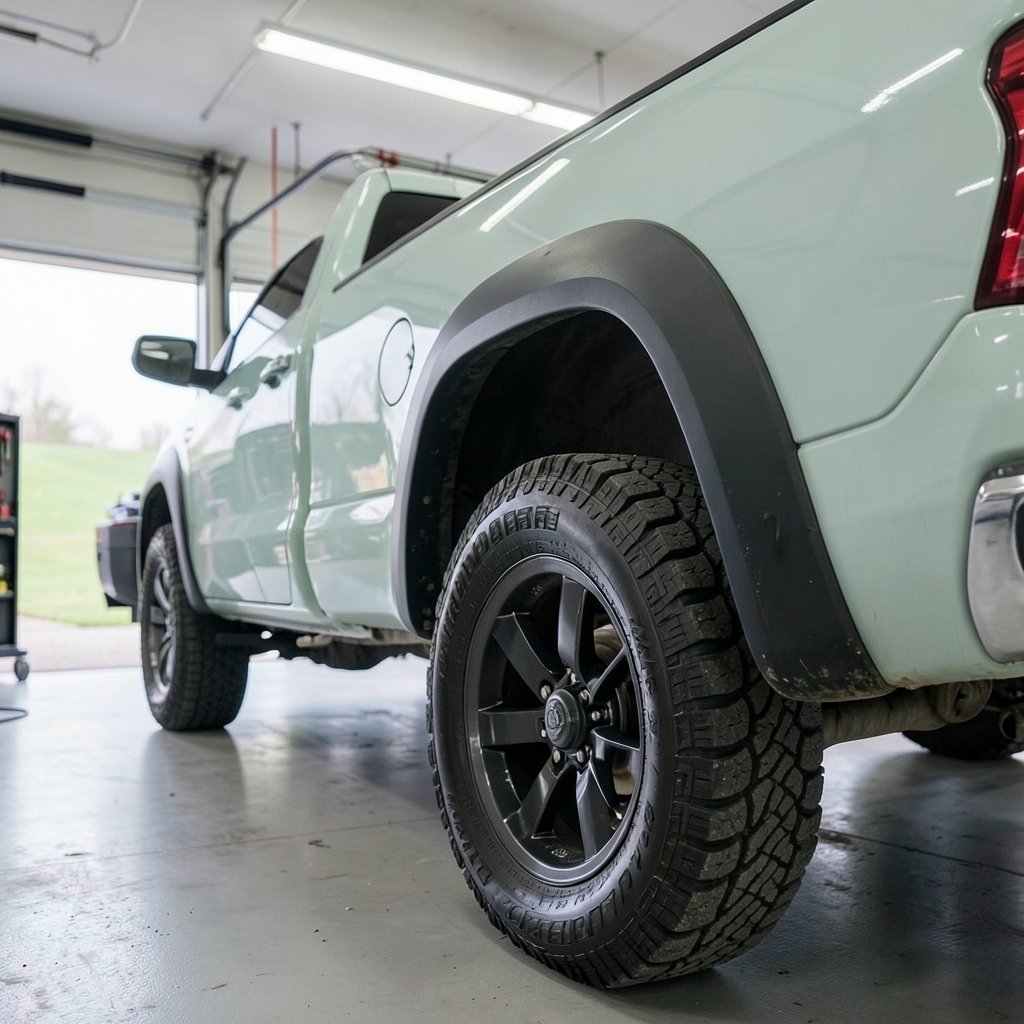
What makes a midsize truck worth buying in 2025, when full-size rigs keep creeping closer in price? That is the question sitting in front of the 2025 Chevy Colorado, a truck that has to be small enough to park, tough enough to work, and smart enough to justify skipping the bigger Silverado. The Colorado answers with a focused lineup, a single strong engine family, and an off-road flagship that gets more attention than almost anything else in its class. But there are real trade-offs hiding under the spec sheet, and a few of them catch buyers off guard after the paperwork is signed.
A Carryover Year, Not a Redesign
The current Colorado is a third-generation truck that arrived for the 2023 model year after a reveal in July 2022. That matters because the 2025 Colorado is a continuation of that generation, not a fresh redesign. Anyone shopping for the newest sheet metal will not find it here. What buyers do get is a truck that has had a couple of model years to shake out early-production quirks.
Every Colorado sold in the U.S. is built at GM’s Wentzville Assembly plant in Wentzville, Missouri. That single-source production is worth knowing if you are tracking delivery timelines or waiting on a specific build.
The practical upside of a carryover year is simple: dealer inventory tends to be healthier, incentives show up more often, and the aftermarket has already caught up with accessories. The downside is that you are buying yesterday’s design language at today’s prices. Whether that stings depends entirely on how much you care about looking current.
The Trim Ladder, From Work Truck to ZR2
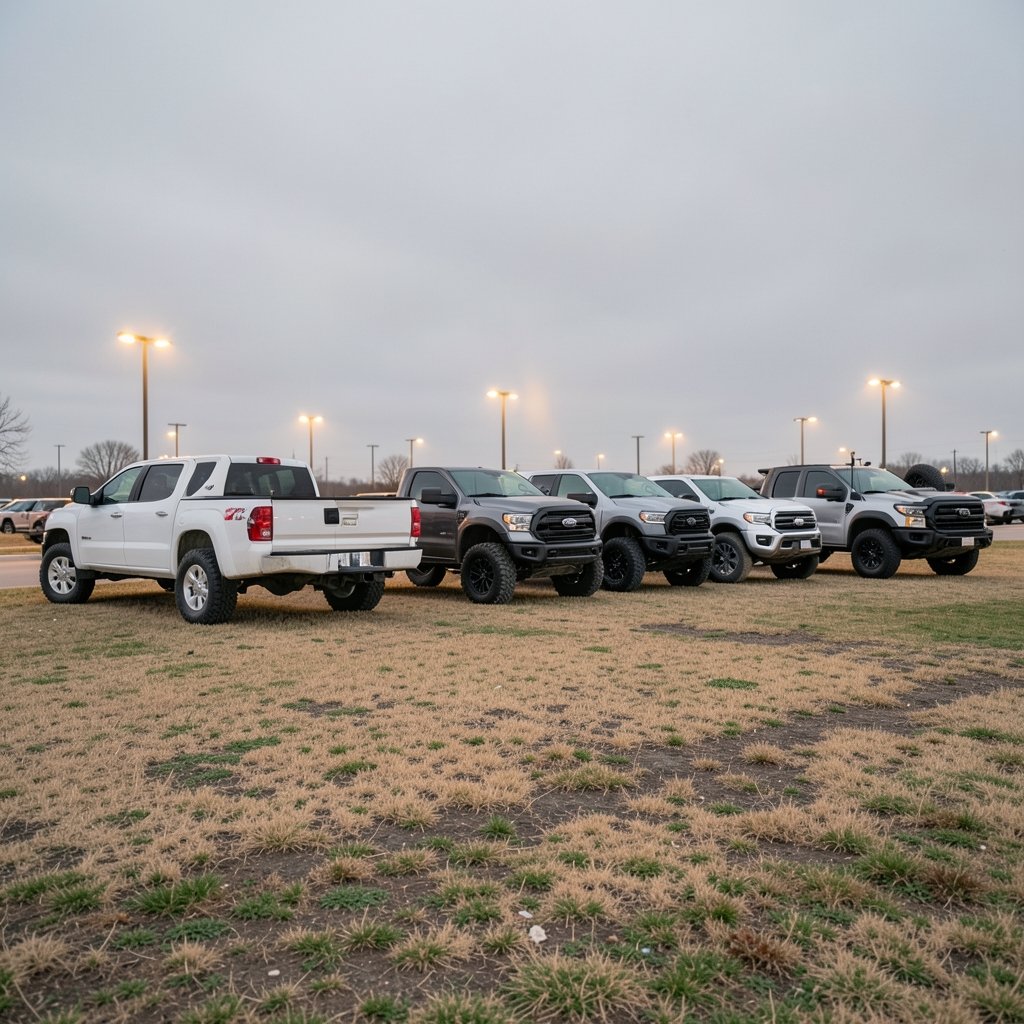
Chevy keeps the Colorado lineup tight. The 2025 range is generally reported as WT (Work Truck), LT, Trail Boss, Z71, and ZR2, with the ZR2 sitting at the top as the off-road halo model. Some sources also list a ZR2 Bison variant, though availability can shift by model year and mid-year changes, so confirm against the official order guide before you set your heart on one.
Here is how the trims separate in practice:
| Trim | Personality | Who it suits |
|---|---|---|
| WT | Bare-bones workhorse | Fleets, budget buyers, plow and job-site duty |
| LT | Everyday comfort and tech | Daily drivers who want value |
| Trail Boss | Factory lift and off-road looks | Weekend trail users on a budget |
| Z71 | Balanced off-road capability | Buyers who want capability without the flagship price |
| ZR2 | Hardcore off-road hardware | Serious trail and desert runners |
The jump from LT to Trail Boss is where the truck’s character changes most. The Trail Boss adds a lifted stance and off-road styling that reads aggressive without demanding ZR2 money. The Z71 splits the difference with capability upgrades that still behave on pavement.
The ZR2 is the trim that gets talked about, and for good reason. It is widely reported to include Multimatic DSSV dampers, front and rear electronic locking differentials, and a lifted, widened off-road suspension. That damper setup is the same basic technology family used on far more expensive off-road hardware, and it is the single biggest reason the ZR2 rides better over rough ground than a lifted truck has any right to.
One Engine Family, Two Tunes
The 2025 Colorado is offered with a turbocharged 2.7L four-cylinder in multiple output tunes. The commonly cited figures are a base version around 237 horsepower and a higher-output version around 310 horsepower. An 8-speed automatic is the widely reported transmission across the lineup.
That single-engine strategy is a deliberate bet. Instead of offering a V6 and a diesel like some rivals, Chevy pushes buyers toward turbo four-cylinder power. The upside is strong low-end torque and decent fuel behavior for a truck. The downside is that anyone who wants a naturally aspirated V6 or a diesel will have to shop elsewhere.
Exact horsepower and torque ratings, and which trims get which tune, should be confirmed against official specs before you buy. Output ratings on turbo engines sometimes shift between model years, and trim-to-engine mapping is the detail buyers most often get wrong when they are comparing window stickers from memory.
One practical tip: drive both tunes back to back if you can. The base engine is fine unladen, but the difference shows up the moment you load the bed or hook up a trailer. Buyers who skip that test drive are the ones most likely to regret the base tune six months in.
Towing and Payload: Read the Fine Print
Maximum trailering for the Colorado is commonly cited around 7,700 pounds for properly equipped models, with maximum payload around 1,700 pounds. Both figures are configuration-dependent and get misreported constantly.
Here is the mistake almost everyone makes: treating the headline tow rating as a universal number. It is not. Towing capacity changes with cab configuration, drivetrain, axle ratio, and how many people and how much gear are already in the truck. Payload is the number that runs out first on most midsize trucks, because every passenger and every pound of cargo in the cab counts against it.
The math that actually matters is simple. Take your trailer’s loaded weight, add the weight of passengers and gear, and compare that total against the specific truck’s door-jamb sticker, not the brochure. If you plan to tow regularly, the higher-output tune and the right axle ratio are worth paying for. If you mostly haul mulch and mountain bikes, the base configuration is fine and you can pocket the difference.
Interior, Tech, and the Daily-Drive Reality
This generation brought a genuinely modern cabin to the Colorado. The centerpiece is an 11.3-inch central touchscreen, with an 8-inch digital instrument cluster on some trims, plus wireless Apple CarPlay and Android Auto. The screen is big, the layout is clean, and the physical climate controls that remain are a quiet blessing in an era of touch-only dashboards.
On the safety side, Chevrolet Safety Assist is standard across trims per GM’s launch materials for this generation. That suite includes automatic emergency braking, lane-keeping, and a following-distance indicator. Standard driver assistance across every trim is a real point in the Colorado’s favor, because some rivals still gate the good stuff behind upper trims.
Practical notes from the owner experience side: the back seat is tight for adults on longer trips, which is normal for the class but worth sitting in before you commit. The bed is usable but not enormous, so measure your payload needs against real cargo rather than assuming. And the higher trims ride stiffer, which is the price of off-road capability you may never use.
If you are the type who budgets carefully for subscriptions and digital services, the same discipline applies here. Truck ownership costs stack up in small places, from connected-service plans to insurance bumps on off-road trims. It is the same logic behind figuring out what Xbox Game Pass actually costs in 2025 before committing to a subscription you may not use.
What It Costs to Own, Beyond the Sticker
Pricing for the 2025 Colorado has been reported in the roughly low-$30,000s for the WT up to the mid-$40,000s and beyond for the ZR2, depending on destination charges and options. Those figures moved during the model year, so treat any specific number you see online as provisional and check current pricing before you negotiate.
The bigger story is the cost that lives outside the sticker:
- Insurance: Off-road trims often carry higher premiums because of replacement cost on specialized parts like the DSSV dampers.
- Fuel: A turbo four-cylinder in a lifted truck with aggressive tires will not match the EPA estimate in real-world driving. Budget for a gap.
- Tires: The ZR2’s off-road rubber is expensive to replace and wears faster on pavement.
- Accessories: Tonneau covers, bed liners, and steps add up fast, and dealers price them aggressively.
Buyers who plan for these costs upfront tend to be happier than those who discover them at the first insurance renewal. The same principle applies to almost any recurring tech expense, whether it is cloud storage or security software. People who take the time to understand what multi-factor authentication really costs in 2025 tend to make better decisions than those who assume the base price is the whole story.
How It Stacks Up Against the Competition
The midsize truck segment is crowded, and the Colorado’s strengths are specific rather than universal. Its off-road hardware, particularly on the ZR2, is among the most capable in the class. Its engine lineup is simpler than rivals that offer multiple engine choices. Its cabin tech is competitive.
Where it gives ground: buyers who want a diesel, buyers who want a naturally aspirated V6, and buyers who want the smoothest possible ride on pavement may find other trucks more to their taste. The Colorado leans toward capability and attitude over outright refinement.
The honest recommendation depends on use case. If you want a daily driver that handles job-site duty and weekend trails without drama, the LT or Trail Boss is the sweet spot. If you genuinely use off-road capability, the ZR2 earns its premium. If you mostly commute and occasionally haul, the WT with a few options is the value play.
Practical Buying Tips That Actually Help
A few things that separate a good Colorado purchase from a frustrating one:
- Check the door-jamb sticker, not the brochure. Payload and tow ratings live on the truck itself.
- Drive both engine tunes loaded. The difference is invisible on an empty test drive.
- Confirm trim availability for the exact build you want. Mid-year changes happen.
- Ask about recall status before delivery. Safety recall data is public and worth checking by year, make, and model.
- Price insurance before you sign. The ZR2 premium can surprise buyers.
- Skip dealer accessories you can install yourself. Bed liners and covers are often cheaper aftermarket.
If you are weighing other discretionary purchases alongside a truck payment, it helps to see the full picture. People who check what 1 million YouTube views actually pays in 2025 or what you can make on TikTok in 2025 are doing the same math: separating the headline number from the real one. Truck budgets reward the same skepticism.
Conclusion
The 2025 Chevy Colorado is a focused, capable midsize truck that rewards buyers who know exactly what they need. Its single engine family keeps things simple, its standard safety suite is genuinely generous, and the ZR2 remains one of the most serious off-road packages in the class. It is not the most refined truck on pavement, it does not offer a diesel or a V6, and its pricing has crept upward like everything else. But for buyers who want a truck that works on Monday and plays on Saturday, the Colorado makes a strong case. The key is matching the trim to the actual job, checking the real numbers on the door jamb, and budgeting for the costs that live beyond the sticker.
FAQ
What is the towing capacity of the 2025 Chevy Colorado?
Maximum trailering is commonly cited around 7,700 pounds for properly equipped models. That figure is configuration-dependent, so check the specific truck’s door-jamb sticker rather than relying on the brochure number.
Does the 2025 Chevy Colorado have a V6 or diesel option?
No. The 2025 Colorado is offered with a turbocharged 2.7L four-cylinder in multiple output tunes, paired with an 8-speed automatic. Buyers who want a V6 or diesel will need to shop a different truck.
What is the difference between the Trail Boss and the ZR2?
The Trail Boss adds a factory lift and off-road styling at a lower price. The ZR2 steps up to Multimatic DSSV dampers, front and rear electronic locking differentials, and a lifted, widened off-road suspension for serious trail use.
Is the 2025 Colorado a redesign?
No. The current generation launched for the 2023 model year, so the 2025 Colorado is a carryover rather than a redesign. That usually means better inventory and more incentive availability.
What size is the infotainment screen in the 2025 Colorado?
The generation features an 11.3-inch central touchscreen, with an 8-inch digital instrument cluster on some trims, plus wireless Apple CarPlay and Android Auto.
Where is the 2025 Chevy Colorado built?
The Colorado is assembled at GM’s Wentzville Assembly plant in Wentzville, Missouri, which has been the production home for this generation.



