
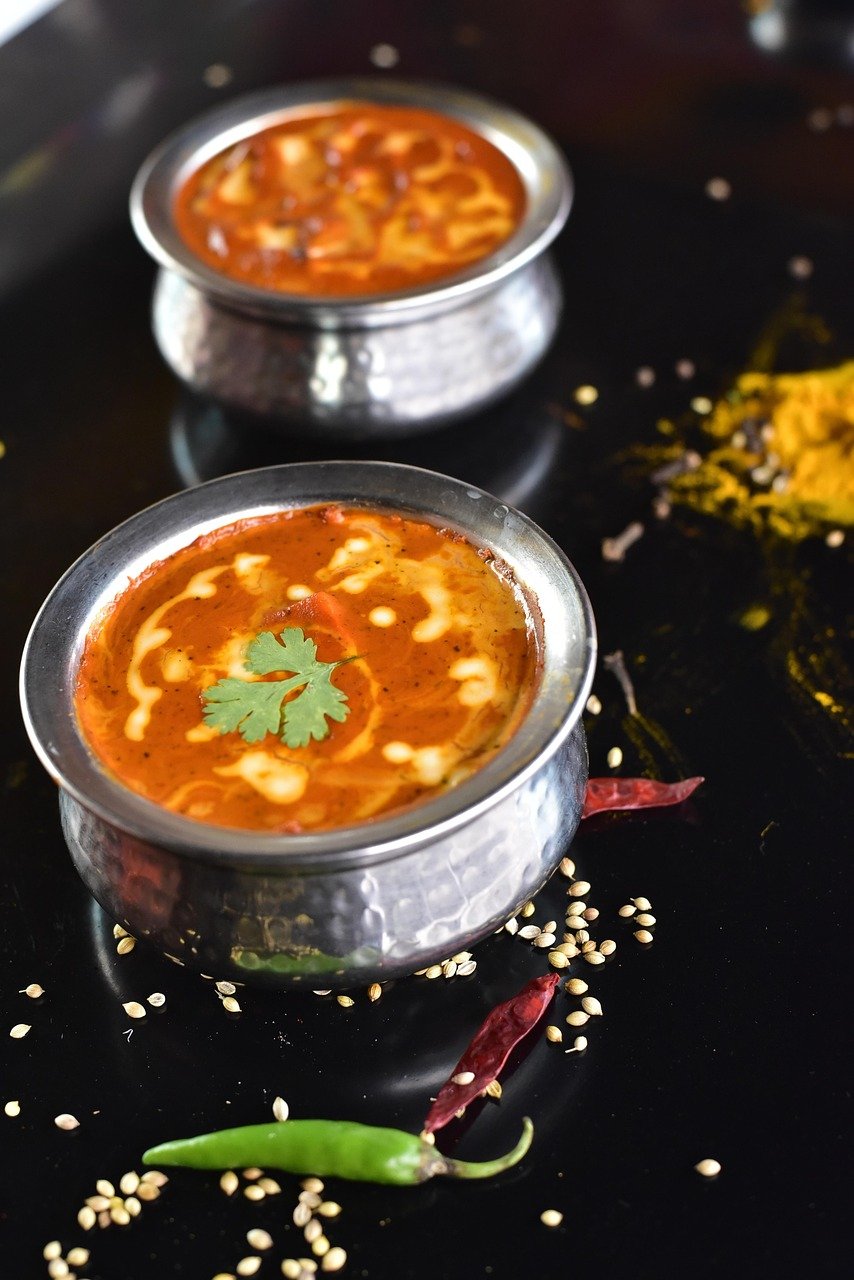
Which one is sweeter? Which one is spicier? And why do so many people swear they are the same dish wearing different name tags? If you have ever stood at a restaurant counter, menu in hand, quietly panicking over butter chicken vs tikka masala, you are in good company. These two orange-hued curries look nearly identical on the plate, and plenty of kitchens serve them in ways that blur the line even further. But they are not twins. They come from different places, they were invented for different reasons, and they behave differently in the mouth. This guide breaks down the real differences, the messy history, and the practical details that help you order, cook, or compare them with confidence.
The Short Answer: Same Family, Different Cousins
If you want the quick version: butter chicken is a Punjabi classic built on a buttery tomato gravy, while chicken tikka masala is a British-Indian restaurant creation built on spiced grilled chicken in a creamy sauce. They share a base of tomato, cream, and warm spices, and both usually start with tandoori-style chicken. That overlap is why they taste familiar to each other. The differences live in the details: sweetness, acidity, spice level, texture, and garnish.
Think of them as cousins who grew up in different households. They have the same grandparents, but they learned different habits.
Where Each Dish Comes From
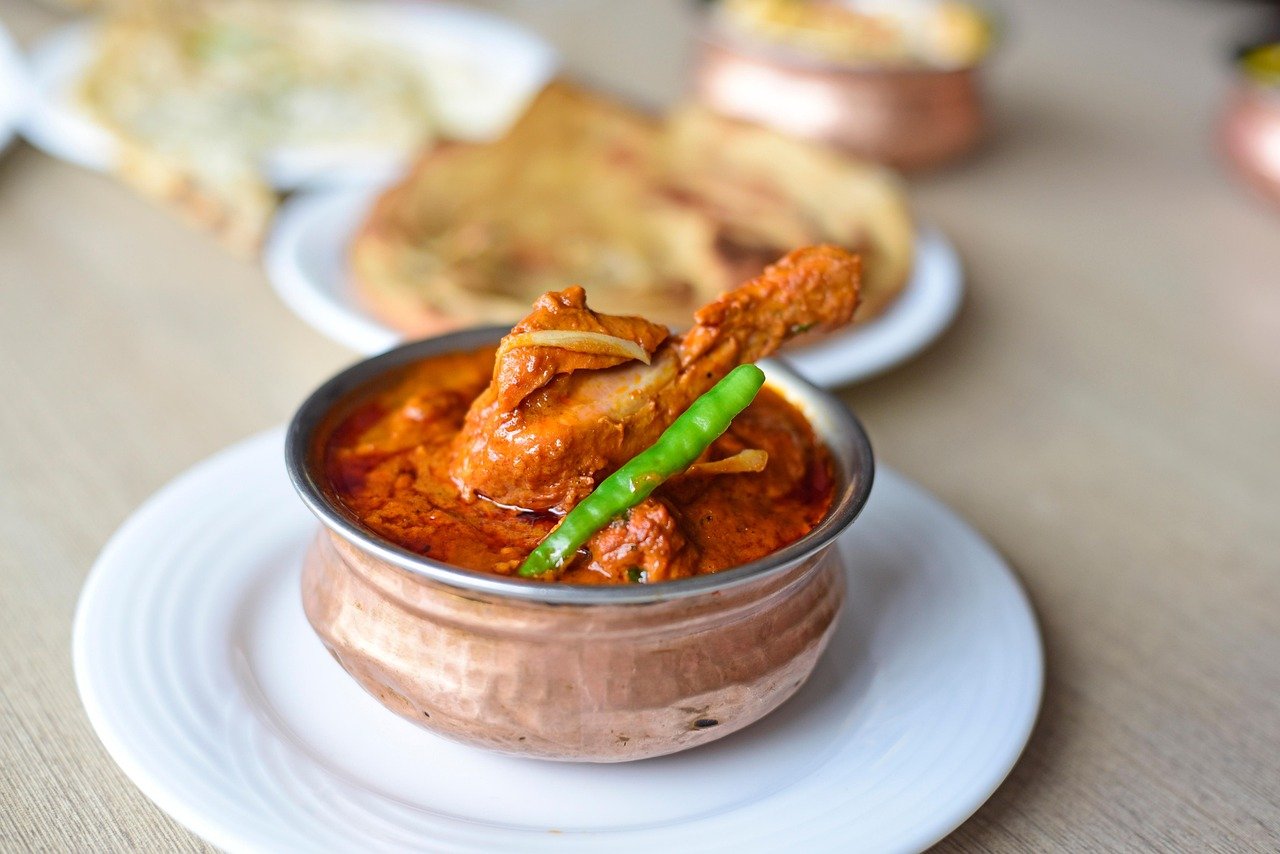
Butter chicken: a Delhi invention
Butter chicken, or murgh makhani, is generally credited to Delhi’s Moti Mahal restaurant in the late 1940s or 1950s. The popular story says the dish was created to rescue leftover tandoori chicken by simmering it in a tomato-butter gravy. The exact credit is disputed: some accounts name Kundan Lal Gujral, others his chef Kundan Lal Jaggi. In 2024, a Delhi High Court dispute between descendants of the restaurant’s founders over the origin claim brought the argument back into the news. The takeaway for eaters is simple: the dish is Indian, it is tied to Punjabi and Delhi cooking, and its origin story is genuinely contested rather than settled.
Tikka masala: a British-Indian story
Chicken tikka masala is most often linked to Glasgow, Scotland, in the 1970s. The best-known version credits chef Ali Ahmed Aslam of the Shish Mahal restaurant, who is said to have created a sauce for a customer who found plain tikka too dry. That story is popular but not firmly documented, and other accounts place the dish’s rise in British Indian restaurants more broadly across the 1960s and 1970s. What is well documented is its cultural status: in 2001, UK Foreign Secretary Robin Cook called chicken tikka masala “a true British national dish,” pointing to it as proof that Britain absorbs and adapts foreign food traditions.
So the geography splits cleanly along one line: butter chicken belongs to India’s Punjabi kitchen, and tikka masala belongs to the British Indian restaurant tradition. The boundary is blurry in practice, since many restaurants serve both, but the lineage is real.
Side-by-Side Comparison
| Feature | Butter Chicken (Murgh Makhani) | Chicken Tikka Masala |
|---|---|---|
| Origin | Delhi, India, around the 1950s | Britain (Glasgow claim, 1970s), British Indian restaurants |
| Sauce base | Tomato, butter, cream, fenugreek | Tomato, cream, yogurt, broader spice mix |
| Flavor profile | Rich, buttery, mildly sweet, low heat | Spicier, tangier, more complex spice layering |
| Texture | Smooth, velvety, thick gravy | Slightly looser sauce, often with peppers and onions |
| Chicken prep | Tandoori-style, often leftover or pre-grilled | Tikka: marinated pieces, grilled then sauced |
| Signature seasoning | Kasuri methi (dried fenugreek leaves) | Varies widely; cumin, coriander, garam masala, paprika |
| Typical heat level | Mild | Mild to medium, sometimes hotter |
| Common pairings | Naan, rice, pickled onions | Naan, rice, chips in some UK takeaways |
That table is a starting point, not a rulebook. Recipes are not standardized, and a chef’s hand matters more than any chart.
The Flavor Difference You Can Actually Taste
Here is where the two dishes separate in a way anyone can notice on the first bite.
Butter chicken is rounder and sweeter. The butter and cream soften everything, and the tomato cooks down into something almost jammy. Kasuri methi adds a faint, earthy, hay-like note that many people cannot name but would miss if it disappeared. Heat is usually gentle. The whole experience is designed to feel luxurious rather than sharp.
Tikka masala is brighter and more layered. The spice mix tends to be wider, the sauce often carries more tang from yogurt or tomato, and the heat can climb higher. Many versions include bell peppers and onions, which add texture and a vegetal sweetness. Where butter chicken smooths everything out, tikka masala keeps a bit of edge.
A useful test: if the sauce tastes like it was built to be comforting and buttery, you are probably eating butter chicken. If it tastes like a spice blend was the star and the cream was just the supporting act, you are probably eating tikka masala.
Chicken Prep: Tandoori vs Tikka
The names themselves give clues. Tikka refers to small pieces of meat, usually marinated and grilled. Masala means spice mixture. Makhani means buttery. So tikka masala is defined by the tikka preparation plus a spiced sauce, while butter chicken is defined by its buttery sauce.
In practice, both dishes often start with the same kind of chicken: yogurt-marinated, charred in a tandoor or on a grill, then finished in sauce. The difference is emphasis. Butter chicken treats the chicken as a vehicle for the gravy. Tikka masala treats the grilled pieces as a feature in their own right, which is why the chicken can taste smokier and more seasoned in a good version.
One common mistake home cooks make: skipping the char. If you simmer raw chicken straight in the sauce, you lose the grilled flavor that defines both dishes. Marinate, grill or broil until you see dark spots, then add the chicken to the sauce near the end. That single step does more for authenticity than any spice adjustment.
Cooking Them at Home: What Actually Works
Both dishes are forgiving, but they reward a few habits.
- Marinate the chicken in yogurt and spices for at least a few hours. Overnight is better. The yogurt tenderizes and carries flavor into the meat.
- Char the chicken before it meets the sauce. Broil it on a tray or grill it. Dark edges are the goal.
- Cook the tomato base down properly. Raw tomato tastes sharp; cooked-down tomato tastes sweet and deep. Give it time.
- Add cream and butter off the heat or at the end. Boiling cream for a long time can make the sauce grainy.
- Crush the kasuri methi between your palms before adding it. This releases more aroma, and it is the ingredient that most clearly says “butter chicken.”
- Rest the dish for ten minutes before serving. The sauce thickens and the flavors settle.
For tikka masala, add the peppers and onions early enough that they soften but keep some bite. For butter chicken, keep the sauce smooth and skip chunky vegetables entirely.
If you cook a lot of chicken, you already know reheating is its own skill. The same care that keeps a curry from drying out applies to other dishes too, and these tips on reheat fried chicken so it stays crispy safe are a handy companion for leftovers. Curry reheats well because the sauce protects the meat, but grilled chicken on its own needs more attention.
Common Mistakes and Misconceptions
The biggest misconception is that the two dishes are interchangeable. They are close, but swapping one for the other changes the balance of a meal. Butter chicken is heavier and sweeter; tikka masala is sharper and more spiced. If you are serving a rich starter or a sweet dessert, tikka masala may cut through the meal better. If you want comfort food, butter chicken wins.
Another frequent error is assuming color tells you the heat level. The orange hue in both dishes usually comes from tomato, cream, and sometimes food coloring or paprika, not from chili. A deep orange sauce can be perfectly mild.
A third mistake is oversalting. Both sauces reduce as they cook, so salt added early concentrates. Season late and taste as you go.
Finally, many people assume tikka masala is the “original” and butter chicken is the copy. The timeline says otherwise: butter chicken emerged in Delhi around the 1950s, while tikka masala took shape in Britain in the 1960s and 1970s. The British dish is the younger one, even though it may feel more familiar to takeaway regulars.
Ordering and Pairing Advice
At a restaurant, the choice often comes down to the rest of the table. Butter chicken pairs beautifully with plain naan and a sharp side, like pickled onions or a simple cucumber salad, because the richness needs contrast. Tikka masala holds up well with rice and a vegetable side, and its extra spice stands up to a mango lassi or a cold beer.
Portion-wise, both are filling. One order of either typically serves one hungry person with rice, or two people as part of a shared spread. If you are ordering both to compare, split them with someone and taste side by side. The difference becomes obvious in a single spoonful.
Timing matters at some restaurants too. Breakfast menus and lunch service can run on tight schedules, and popular items sell out. If you are planning around a specific chain’s morning menu, these notes on Chick fil breakfast hours when biscuits run out show how quickly availability can shift, and the same logic applies to any kitchen with a limited daily prep.
Which One Should You Choose?
Choose butter chicken when you want something rich, mild, and comforting. It suits people who dislike heat, kids, and anyone pairing the meal with bread rather than rice. Its buttery sweetness makes it feel indulgent.
Choose chicken tikka masala when you want more spice, more texture, and a bit of tang. It suits people who like layered flavor and do not mind a little heat. It also tends to travel better in takeaway containers, since the sauce is often slightly looser and the vegetables hold their shape.
If you are cooking for a group with mixed preferences, make tikka masala and keep the chili moderate. It pleases more palates than butter chicken does at the extremes, because you can dial the heat up or down without losing the dish’s identity. Butter chicken is less flexible: reduce the butter and cream too much and it stops being butter chicken.
Conclusion
Butter chicken and tikka masala are close relatives, not identical twins. One was born in a Delhi restaurant kitchen and built around a buttery tomato gravy. The other grew up in British Indian restaurants and built its identity around spiced grilled chicken in a creamy sauce. They share ingredients, they share a color, and they share a place on countless menus, but they differ in sweetness, heat, texture, and history. Knowing those differences turns a confusing menu choice into an easy one. Taste both, cook both, and let your own palate settle the argument. The debate over who invented each dish may never end, but the debate over what to order tonight does not have to.
Frequently Asked Questions
Is butter chicken the same as tikka masala?
No. They share a similar tomato-and-cream base and both usually use grilled chicken, but butter chicken is richer, sweeter, and more buttery, while tikka masala is spicier, tangier, and often includes peppers and onions.
Which dish is spicier, butter chicken or tikka masala?
Tikka masala is generally the spicier of the two. Butter chicken is usually mild and leans sweet, while tikka masala’s broader spice mix and higher chili levels give it more heat.
Is chicken tikka masala actually Indian?
It is a British-Indian creation. The most-cited origin story places it in Glasgow in the 1970s, and it developed within Britain’s Indian restaurant tradition rather than in India itself.
Why is butter chicken called butter chicken?
The name comes from the buttery tomato gravy, known as makhani, that the chicken is simmered in. Murgh makhani translates roughly to buttery chicken.
Can I substitute one for the other in a recipe?
You can, but expect a different result. Swapping butter chicken for tikka masala gives you a spicier, tangier dish, while the reverse gives you a sweeter, richer one. Adjust the cream, chili, and spices to compensate.
What is the key ingredient that defines butter chicken?
Kasuri methi, or dried fenugreek leaves, is the signature seasoning. It adds an earthy, slightly bitter aroma that most people associate specifically with butter chicken.



