
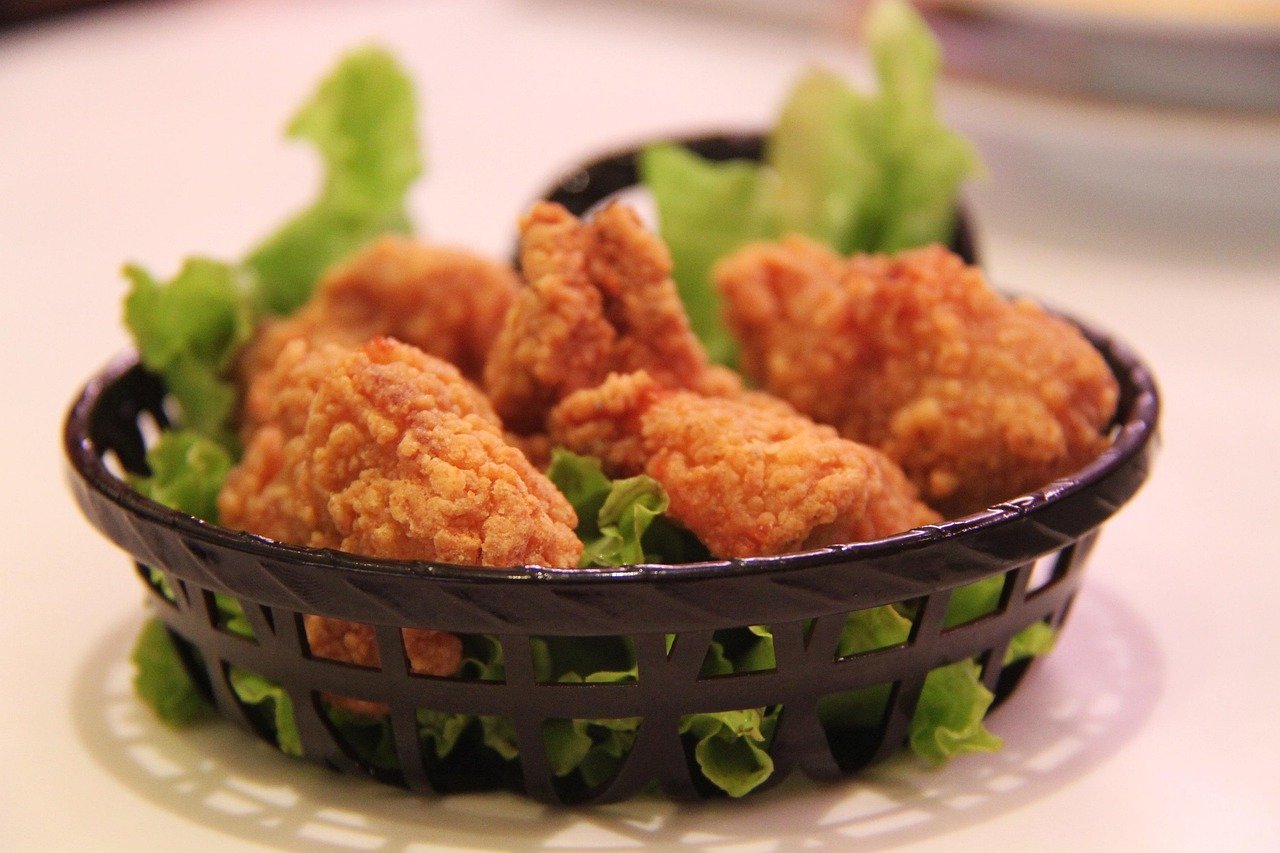
What if the best part of last night’s fried chicken could survive the microwave? Most people give up on leftovers because the crust turns to mush and the meat dries out. But reheating fried chicken well is not luck. It comes down to heat, moisture control, and a few timing rules that most kitchens ignore.
The goal is simple: a crust that crackles again and meat that stays juicy, all without breaking basic food safety. This guide covers the methods that work, the mistakes that ruin the crust, and the safety numbers worth remembering. (Frying: Wikipedia overview of cooking methods)
Why Reheated Fried Chicken Usually Fails
Fried chicken has two parts that behave in opposite ways. The breading is dry and crisp, and it wants dry heat. The meat inside is moist and dense, and it needs gentle, even heat to avoid drying out. A microwave blasts both with steam, which soaks the crust from the inside out. That is why a microwaved drumstick goes limp in under a minute.
There is a second problem: oil. A fresh batch of fried chicken is full of hot oil that firms up in the fridge. When you reheat it, that cold fat needs to melt and re-crisp. If the heat is too low, the fat just sits there and the coating feels greasy. If the heat is too high and too fast, the outside burns before the center warms through. Balancing those two forces is the whole game.
The Food Safety Rules That Come First
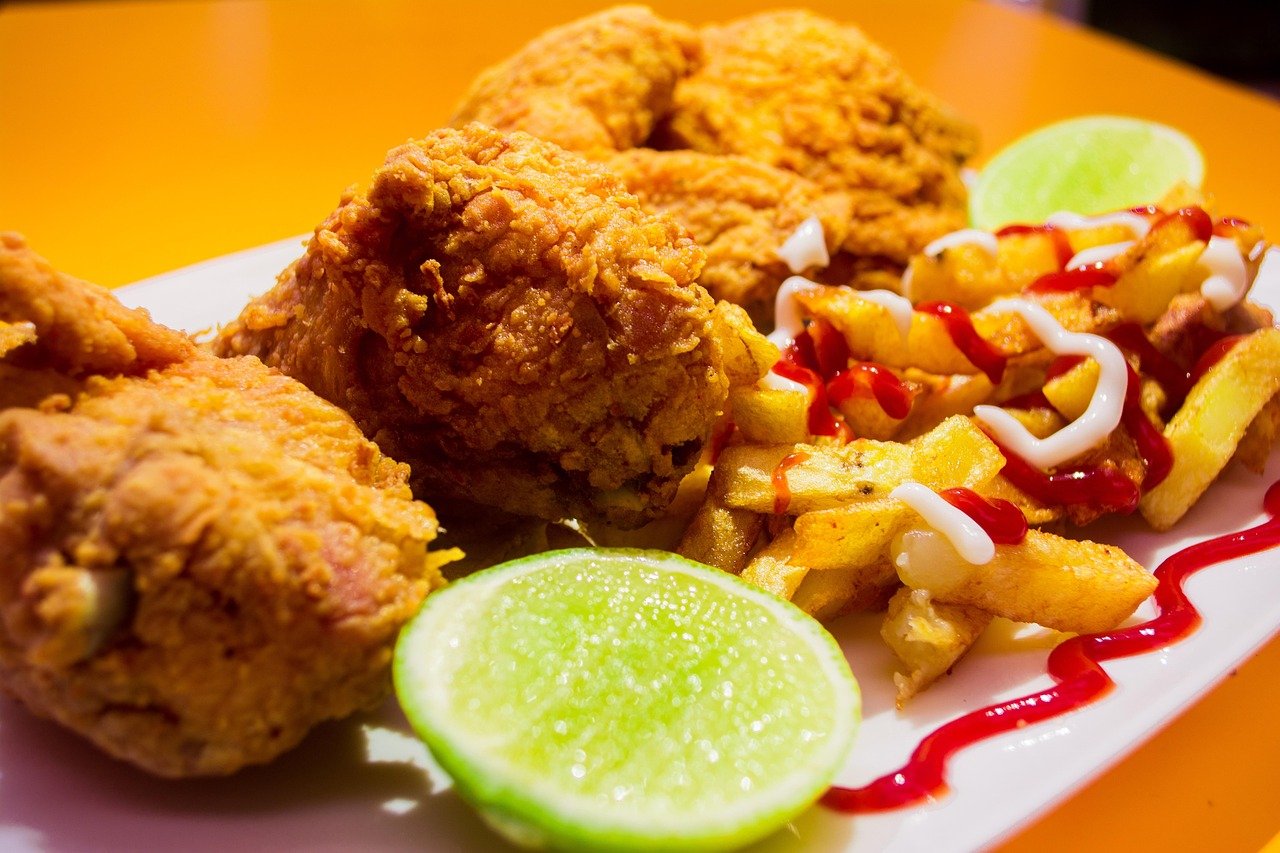
Crispness does not matter if the food is not safe. Cooked chicken should go into the fridge within two hours of coming off the heat, or within one hour if the room is above 90°F. Leftovers keep for about three to four days in the fridge. After that, texture and safety both decline, and no amount of reheating fixes either. (USDA FSIS: Leftovers and food safety)
The number that matters most is 165°F (74°C). That is the internal temperature that makes reheated poultry safe to eat, and it is the same target used for cooking chicken in the first place. A cheap instant-read thermometer takes the guesswork out of it. Stick the probe into the thickest part of the meat, avoiding bone, and wait for the reading to settle.
One more rule that people skip: reheat only what you plan to eat. Every cooling and reheating cycle pushes food through the temperature range where bacteria multiply fastest. Reheating a whole batch twice is a worse idea than reheating one piece once.
Method 1: The Oven, for Larger Batches
The oven is the most reliable way to bring back a whole batch of fried chicken at once. It gives even, dry heat that re-crisps the coating without steaming it.
- Heat the oven to 375°F (190°C).
- Set a wire rack inside a sheet pan. This lets air move under the chicken so the bottom crisps too.
- Arrange the pieces in a single layer with space between them.
- Bake for 12 to 18 minutes, depending on thickness. Bone-in thighs take longer than tenders.
- Check the thickest piece with a thermometer and pull the pan at 165°F.
The wire rack is the detail that separates crunchy results from soggy ones. Chicken laid flat on foil traps steam underneath and comes out soft on the bottom. If you do not own a rack, crumple a sheet of foil into a loose zigzag and rest the pieces on top.
Method 2: The Air Fryer, for Speed and Crunch
The air fryer has become the favorite tool for this job, and for good reason. It moves hot air fast and hard, which is exactly what a stale crust needs.
Set the air fryer to 350°F (175°C) and give the pieces 3 to 5 minutes. Small items like wings and tenders may be done in three. A thick bone-in breast might need six or seven. Flip once halfway through so both sides get direct heat.
Two mistakes show up often here. First, overcrowding the basket. Piled-up chicken steams instead of crisping, so work in batches. Second, skipping the preheat. A cold air fryer means the first few minutes are spent warming the appliance, not the food. Give it three minutes to come up to temperature first.
If the coating looks dry rather than crisp, a very light spritz of oil helps it brown. Too much oil, though, and you get a greasy shell.
Method 3: The Skillet, for Bone-In Pieces
A covered skillet is the old-fashioned answer, and it works well for drumsticks and thighs. The lid traps gentle steam that warms the meat through, while the hot pan surface crisps the skin.
- Warm a splash of oil in a skillet over medium heat.
- Add the chicken and cover with a lid for 4 to 5 minutes.
- Remove the lid and let the skin crisp for another 2 to 3 minutes, turning once.
Watch the heat. Medium is the ceiling here. A screaming-hot pan will scorch the breading before the center is warm. This method takes more attention than the oven, but it produces a texture close to fresh.
Method 4: The Microwave, With a Rescue Step
The microwave is fast and safe, and there is no shame in using it. It just needs help. Heat the chicken in short bursts, 30 to 45 seconds at a time, on a plate lined with a paper towel. Flip between bursts so the heat spreads evenly.
Then finish it. Thirty seconds to a minute in a hot air fryer or a dry skillet will drive off the surface moisture the microwave created and bring back some crunch. It is not perfect, but it is a big improvement over straight-from-the-microwave chicken. The same logic applies to other foods where trapped moisture ruins texture, like the crust problems covered in this guide to best way to reheat steak.
Which Method Should You Use?
| Method | Best for | Time | Crust result | Effort |
|---|---|---|---|---|
| Oven on a rack | Large batches, bone-in pieces | 12–18 min | Very good | Low |
| Air fryer | Wings, tenders, small batches | 3–5 min | Excellent | Low |
| Covered skillet | Drumsticks, thighs | 6–8 min | Good | Medium |
| Microwave plus finish | One piece, in a hurry | 1–2 min | Fair | Low |
If you own an air fryer, it wins on speed and texture for most households. For a crowd, the oven is the practical choice because it handles volume without babysitting.
Mistakes That Ruin the Crust
A handful of habits quietly sabotage reheated chicken. Avoiding them matters more than picking the perfect appliance.
Wrapping it in foil. Foil traps steam, and steam is the enemy of crunch. Use foil only to cover a pan loosely, never to wrap individual pieces.
Reheating cold chicken in a cold oven. Always preheat. Chicken that goes into a warming oven spends ten minutes sweating before the heat catches up.
Stacking pieces. Contact between pieces creates soggy patches where moisture cannot escape. Single layer, always.
Skipping the rest. Give reheated chicken two minutes on the rack before serving. The surface firms up as it cools slightly, and the crunch improves.
Reheating at 250°F for an hour. Low and slow works for pulled pork, not fried chicken. Long, low heat dries the meat out completely.
Practical Tips From Real Kitchens
A few small habits make the process smoother. When you store leftovers, separate the pieces and let them cool uncovered for a few minutes before sealing the container. Trapped heat in a closed box creates condensation, and that moisture is what makes tomorrow’s chicken soggy before it even hits the oven.
Label the container with the date. Four days is the outer limit, and most people lose track by day two. If the chicken smells sour or feels slimy, throw it out. Reheating does not fix spoiled food.
For larger pieces, consider cutting them in half before reheating. A halved breast warms through in half the time, which means less time in dry heat and juicier meat. This is the same principle behind gentle, controlled heat in other appliances, such as the moisture and temperature balance explained in this breakdown of thermal carafe vs glass coffee maker heat retention taste.
And if the meal includes sides, think about timing. Chicken reheats in fifteen minutes, so start the sides first. Nobody wants cold chicken waiting on a slow pot of greens.
Does Reheating Make Chicken Spicy or Dry?
Two myths deserve a quick correction. First, reheating does not make spicy fried chicken hotter. The spice level is set by the breading, and heat does not concentrate it. Some people perceive more heat because the coating is drier and the spice hits the tongue faster, but the chemistry has not changed.
Second, dryness is not inevitable. Dry chicken comes from overcooking, not from reheating itself. Pull the pieces as soon as the center hits 165°F and the meat stays moist. Every extra minute past that point is moisture leaving the bird.
What About Cold Fried Chicken?
Not every leftover needs heat. Cold fried chicken is a genuine pleasure, and the crust stays crisp in the fridge if it was stored properly. Some people prefer it that way, especially with a little hot sauce. If that is the plan, skip the reheating debate entirely and just make sure the chicken was refrigerated promptly and eaten within four days.
Pairing Reheated Chicken With Other Favorites
Leftover fried chicken rarely travels alone. It often shares a table with other reheated foods, each with its own rules. A plate of crispy chicken alongside a warmed side is a classic combo, and the same crispness principles apply to other fried favorites, as covered in this guide to best fried chicken near me. Knowing how heat moves through different foods helps you time a whole meal instead of juggling one dish at a time.
Conclusion
Reheating fried chicken is a small skill with an outsized payoff. The formula is short: pick dry heat over steam, keep the temperature moderate, and pull the chicken at 165°F. The oven on a wire rack handles a crowd, the air fryer delivers the best crunch in minutes, and a covered skillet rescues bone-in pieces with care. The microwave works too, as long as a quick finish follows.
Store leftovers promptly, reheat only what you will eat, and give the chicken a couple of minutes to rest before serving. Do those things and last night’s chicken can taste remarkably close to fresh. The crust comes back, the meat stays juicy, and the leftovers earn their place at the table again.
FAQ
How long can you keep fried chicken in the fridge before reheating?
Cooked fried chicken keeps for about three to four days in the refrigerator when stored in a sealed container. After that, both texture and safety decline. Label the container with the date so you do not have to guess.
What is the best temperature to reheat fried chicken?
Aim for an internal temperature of 165°F (74°C) in the thickest part of the meat. Ovens work well at 375°F, air fryers at 350°F, and skillets over medium heat. The appliance temperature varies, but the target inside the chicken does not.
Can you reheat fried chicken in the microwave without it getting soggy?
Yes, with a rescue step. Heat in 30-to-45-second bursts on a paper towel, flipping between bursts. Then finish the piece for 30 to 60 seconds in an air fryer or dry skillet to drive off surface moisture and restore some crunch.
Is it safe to reheat fried chicken twice?
It is better not to. Each cooling and reheating cycle moves food through the temperature range where bacteria grow fastest. Reheat only the portion you plan to eat, and leave the rest in the fridge.
Why does reheated fried chicken sometimes taste greasy?
Cold oil in the coating needs enough heat to melt and re-crisp. If the oven or pan is too cool, the fat stays soft and the coating feels greasy. Preheating properly and using moderate-to-high dry heat fixes the problem.
Can you reheat fried chicken in a toaster oven?
Yes. A toaster oven works much like a full oven but heats faster. Set it to 375°F, place the chicken on a small rack or foil boat, and check after 10 minutes. Small pieces may finish sooner, so use a thermometer rather than the clock.



