Which coffee maker wins the counter space: a thermal carafe model that keeps coffee hot without a hot plate, or a classic glass carafe that sits on one? It sounds like a small detail. It isn’t. The carafe decides how long your coffee stays drinkable, how often you end up reheating a mug, and whether you’re scraping burnt-tasting coffee out of the bottom of a pot at 11 a.m.
Coffee drinkers tend to pick sides fast. Some swear a glass carafe is the only way to see how much coffee is left. Others say a stainless thermal carafe is the single upgrade that finally made their drip brewer worth owning. Both camps are partly right. Here’s the honest breakdown, including the tradeoffs most buying guides skip.
How the Two Carafe Types Actually Work
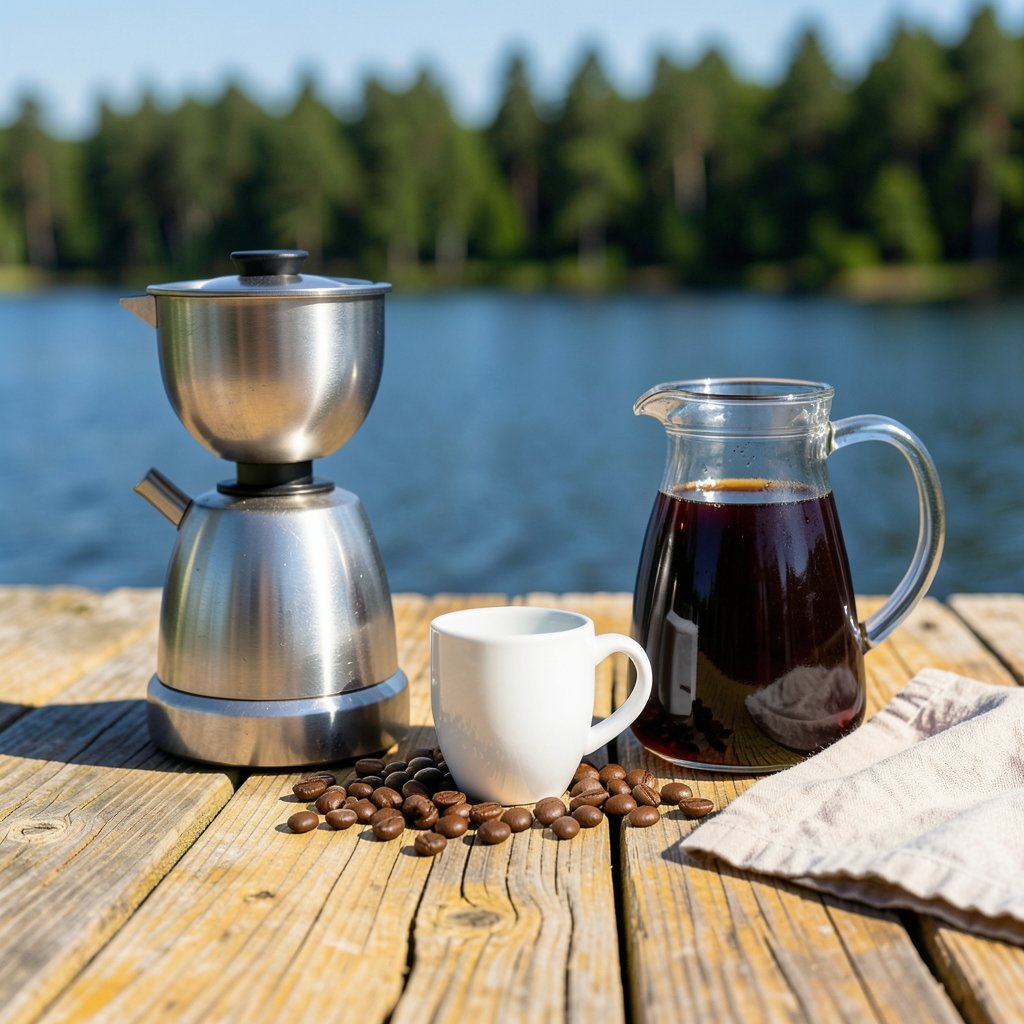
A glass carafe is a simple, transparent vessel that rests on a heated plate built into the brewer. The hot plate keeps the coffee warm indefinitely, which is the whole point. The downside is that “warm indefinitely” is also a slow cooking process. The longer coffee sits on heat, the more it develops a scorched, bitter, metallic edge. Anyone who has poured a cup from a pot that’s been sitting for two hours knows the flavor.
A thermal carafe is a double-walled stainless steel vessel, usually with a vacuum between the walls. It doesn’t need a hot plate because it traps the heat the coffee already has. Brewed coffee goes straight from the brew basket into the carafe, the lid goes on, and the insulation does the work. No continuous heat, no cooking, no scorching.
That sounds like an easy win for thermal. It mostly is, but the story is more complicated than a spec sheet suggests.
Heat Retention: What Really Happens Over Time
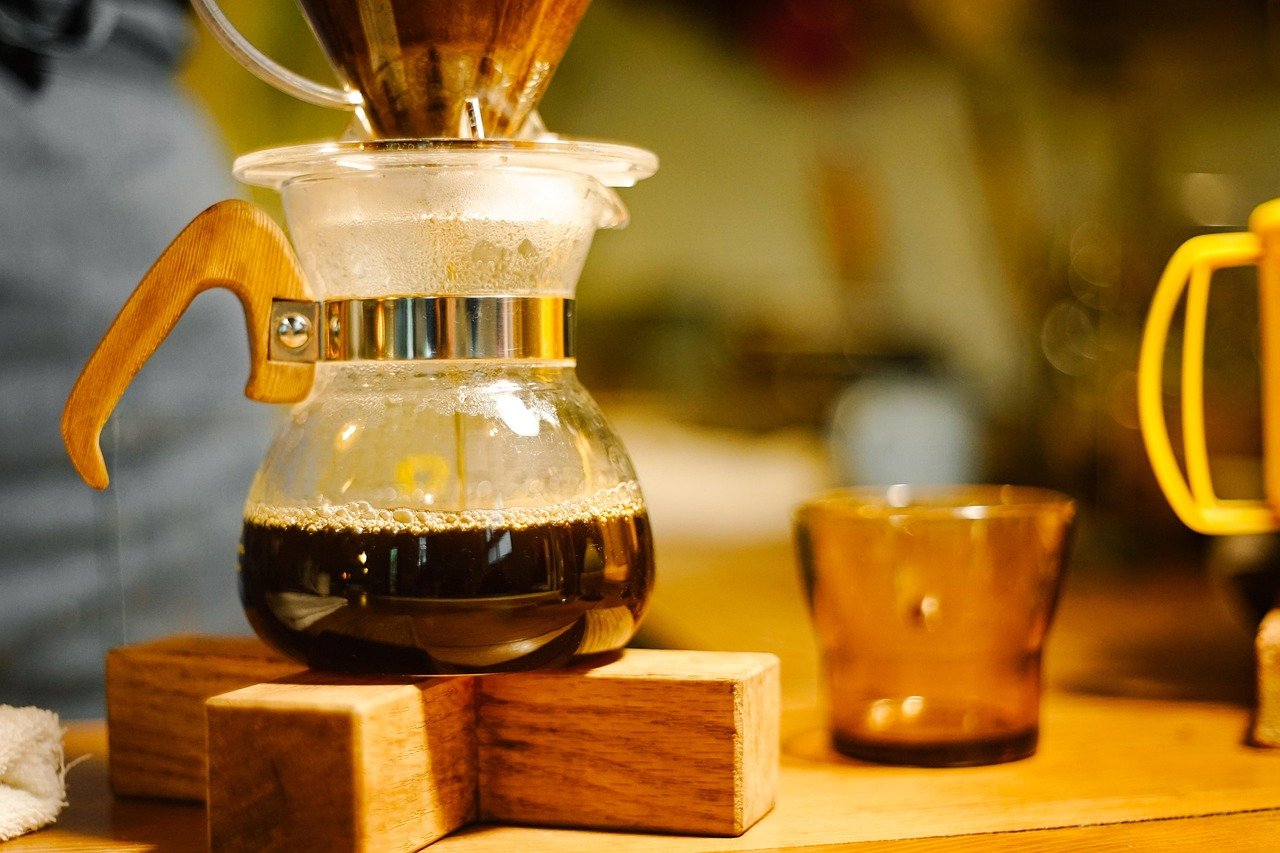
Manufacturers love quoting heat retention numbers. Those numbers depend heavily on whether you preheat the carafe and how well the lid seals. In practice, most thermal carafes keep coffee hot enough to enjoy for roughly an hour or two, and pleasantly warm for a while after that. Glass carafes on a hot plate stay hotter longer but pay for it in flavor.
The real distinction isn’t temperature. It’s flavor stability. Coffee held at high heat on a hot plate continues to extract and oxidize, which is why the last cup from a glass pot tastes noticeably worse than the first. A thermal carafe doesn’t stop that chemistry, but it slows it down significantly. The practical result: a thermal carafe gives you a much better second and third cup.
The Specialty Coffee Association publishes standards for what makes a good home brewer, covering brew temperature and contact time rather than carafe design. You can review its criteria at sca.coffee. The takeaway is that carafe type isn’t part of certification, so a certified brewer can have either. Certification tells you the brewing is sound, not that the carafe is right for you.
The Case for Glass Carafes
Glass carafes have three genuine advantages that thermal owners often miss until after they’ve switched.
You can see the coffee level. This sounds trivial until you’ve stood over a stainless carafe at 6:30 a.m. trying to figure out whether there’s enough left for a second cup. Most thermal carafes have no window, so you either lift and gauge the weight or pour and hope. It’s a small friction point that shows up every single morning.
Glass is cheap, dishwasher-safe, and replaceable. Drop a glass carafe and you’re out a modest amount of money. Drop a stainless thermal carafe and you’re replacing a component that can cost a meaningful fraction of the brewer’s price. Glass carafes also go in the dishwasher without a second thought, while most thermal carafes are hand-wash only.
Glass doesn’t carry flavor between brews. Stainless steel can pick up stale coffee oils and odors over time if it isn’t cleaned thoroughly. Glass, being non-porous and easy to scrub, rarely holds onto yesterday’s brew.
If you brew a full pot and drink it within 20 minutes, a glass carafe is perfectly fine. The scorching problem only appears when coffee sits. For households that drain the pot fast, the thermal advantage shrinks to almost nothing.
The Case for Thermal Carafes
The thermal crowd is usually chasing one thing: coffee that still tastes like coffee an hour after brewing. That’s a real benefit, especially for people who work from home and want a second cup at 10 a.m. without brewing a fresh batch.
There’s also the safety angle. A hot plate stays hot, and glass carafes get hot to the touch. Households with young kids or anyone prone to knocking things over have a reasonable case for the thermal route, which has no exposed heating element and stays cooler on the outside. The U.S. Consumer Product Safety Commission tracks burn-related incidents across kitchen appliances at cpsc.gov, and hot surfaces are a recurring theme in household product injuries. A thermal carafe doesn’t eliminate that risk, but it removes one hot surface from your counter.
Thermal carafes also tend to be more durable. No glass to shatter. A stainless carafe can dent, and the vacuum seal can eventually fail, but day-to-day use doesn’t put it at risk the way a glass carafe is at risk every time you set it down.
If you’re comparing specific models, the broader category of best pour over coffee maker options often pairs with thermal carafes, since pour over brewing and insulated serving vessels are a natural match.
A Side-by-Side Comparison
| Feature | Glass Carafe | Thermal Carafe |
|---|---|---|
| Heat source | Hot plate (continuous) | Vacuum insulation |
| Flavor over time | Degrades faster, can scorch | Holds up noticeably better |
| Visibility of coffee level | Clear | Usually none |
| Dishwasher safe | Typically yes | Usually hand-wash only |
| Breakage risk | Shatters if dropped | Dents; vacuum can fail |
| Cost to replace | Low | Moderate to high |
| Exterior heat | Hot plate and carafe get hot | Stays cooler |
| Best for | Fast-drinking households | Slow sippers, work-from-home |
Common Mistakes People Make With Each Type
With thermal carafes, the biggest mistake is skipping the preheat. Pouring hot water into the carafe and letting it sit for a minute before brewing makes a measurable difference to how long the coffee stays hot. It’s a 30-second habit that most people never adopt, and it’s the single easiest way to get more out of the carafe.
The second mistake is leaving the lid off. An open thermal carafe loses heat fast, and the lid is doing as much work as the vacuum walls.
With glass carafes, the classic mistake is leaving coffee on the hot plate for hours and then blaming the coffee. The pot isn’t the problem; the sitting is. Another common error is letting coffee bake down to a film on the bottom of the glass, which then flavors the next batch. A quick rinse after each pot prevents that.
A third mistake applies to both: not matching the brewer to your drinking habits. People buy a thermal carafe brewer because it seems objectively better, then discover they miss seeing the coffee level and go back to glass. Buying for how you actually drink coffee, not how you’d like to, saves a lot of regret.
Matching the Carafe to Your Routine
The decision comes down to a few honest questions.
How fast do you drink a pot? Under 30 minutes, glass is fine. An hour or more, thermal wins.
Do you reheat coffee in the microwave? If yes, you’re already losing the flavor battle, and a thermal carafe will cut down on reheating.
Does anyone in the house need to see the coffee level? If so, thermal’s opacity is a daily annoyance.
Is there a toddler or a clumsy housemate? Thermal’s lack of an exposed hot plate is a genuine safety point.
Do you care about dishwasher convenience? Glass wins outright.
For households that brew a pot and graze on it all morning, thermal is the better fit. For households that brew, pour, and get out the door, glass is simpler and cheaper.
If you’re also weighing single-serve machines, the same logic applies to how you actually consume coffee, and it’s worth reading up on the best keurig coffee maker options before committing to a full-pot brewer. Many people end up with both: a thermal drip brewer for weekends and a single-serve machine for weekday mornings.
What About Brew Quality Itself?
Carafe type doesn’t change how the coffee is brewed. The water temperature, the grind, the ratio, and the brew basket design all matter more than the vessel the coffee lands in. A great brewer with a glass carafe will beat a mediocre brewer with a thermal one.
That said, the carafe affects the perceived quality of everything after the brew finishes. A well-brewed pot ruined by 40 minutes on a hot plate tastes worse than a decent pot protected by a thermal carafe. So the carafe is a finishing step, not a starting one.
The other variable worth controlling is the coffee itself. Fresh beans and a consistent grind do more for flavor than any carafe decision. If you’re upgrading your setup, it’s worth looking at best coffee beans for espresso and a best coffee grinder for espresso if espresso is part of your routine, since those choices compound with everything else. For drip, the same principle holds: better inputs, better cup. (Coffee preparation)
The Verdict
Neither carafe type is universally better. Thermal carafes win on flavor retention, safety, and durability. Glass carafes win on visibility, price, and convenience.
The deciding factor is time. If your coffee sits, go thermal. If it doesn’t, glass is a perfectly sensible, cheaper choice that’s easier to live with. The mistake is assuming one is the “upgrade” and the other is the compromise. They’re different tools for different mornings.
Frequently Asked Questions
How long does coffee stay hot in a thermal carafe?
Most thermal carafes keep coffee hot for roughly one to two hours, depending on the model, whether you preheated the carafe, and how well the lid seals. After that it stays warm but gradually cools. Preheating with hot water before brewing is the easiest way to extend that window.
Does coffee taste better from a thermal carafe?
It usually does if the coffee sits for more than about 30 minutes. A hot plate keeps coffee hot but continues to cook it, which produces a scorched, bitter flavor over time. A thermal carafe avoids that continuous heat, so the second and third cups taste closer to the first.
Are glass carafes safe to leave on a hot plate all day?
They’re designed for it, but leaving coffee on a hot plate for hours degrades flavor and creates a hot surface that stays hot. The glass itself is generally fine. The coffee is what suffers. If you routinely leave a pot on for hours, a thermal carafe is the better fit.
Can you put a thermal carafe in the dishwasher?
Most manufacturers say no. Thermal carafes are typically hand-wash only because the vacuum seal and exterior finish can be damaged by dishwasher heat and detergents. Glass carafes are usually dishwasher safe, which is one of their practical advantages.
Do thermal carafes really keep coffee hot without a hot plate?
Yes. Double-walled stainless steel with a vacuum between the walls traps heat inside the carafe, so no external heat source is needed. The tradeoff is that there’s no way to reheat the coffee once it cools, and most thermal carafes have no window to check the coffee level.
Which is better for a household with kids?
A thermal carafe is generally the safer choice because there’s no exposed hot plate and the exterior stays cooler. Glass carafes on a hot plate present two hot surfaces. Either way, keeping the brewer out of reach and following the manufacturer’s safety guidance matters more than the carafe type itself.