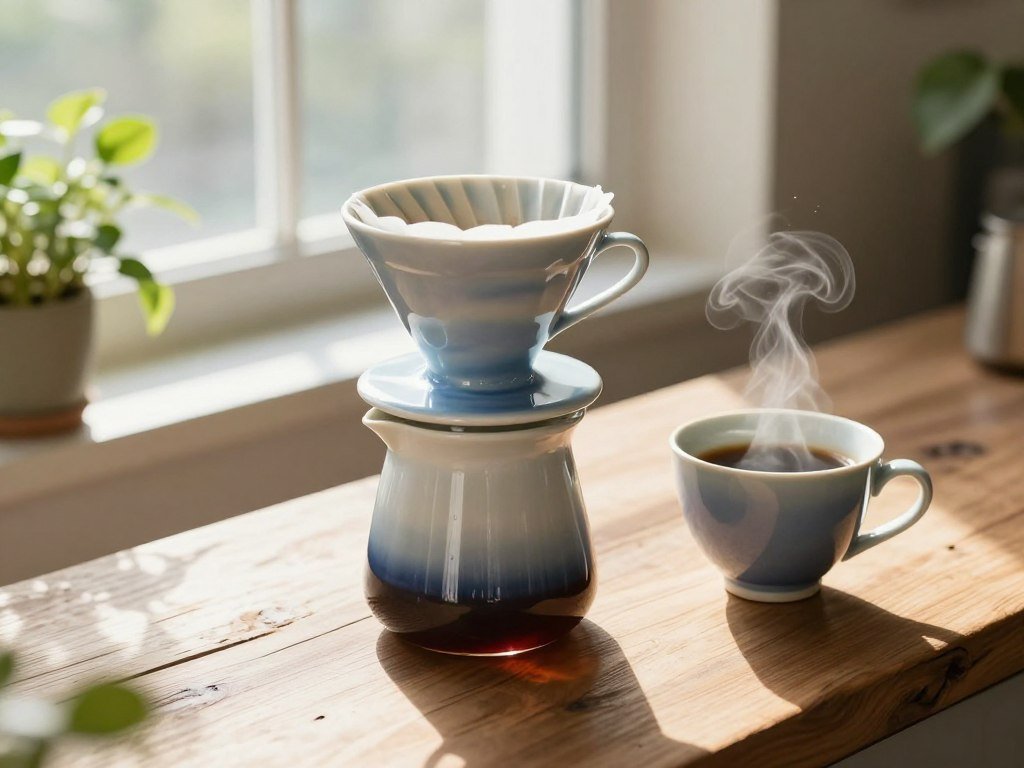
A good manual coffee setup can start with an inexpensive dripper, but the right choice depends on how much control and effort the brewer wants. These picks are manual drippers, not electric machines, and they suit different routines. Some make it easier to brew a steady cup, while others reward careful technique.
Drawdown is the time it takes brewed coffee to drain through the coffee bed and filter. A shorter or longer drawdown can change how the coffee tastes. This guide compares options for beginners, hands-on brewing, larger batches, and travel, so a reader can match the brewer to daily habits.
Budget matters, but it is not the only choice. Filter access and the time available each morning can shape whether a brewer feels easy or fussy. The best fit is the one that makes the desired cup without adding unwanted work. A useful first decision is whether to prioritize easy, repeatable brewing or hands-on control.
Key Takeaways
- Clever Dripper: a simple start with less pour technique.
- Kalita Wave: a forgiving flat-bottom design for daily coffee.
- Hario V60: more control for a hands-on routine.
- Chemex: a glass carafe for serving several cups.
- Origami Air S: a light dripper that fits two filter styles.
- Check filter access before choosing a brewer.
How to Choose the Best Pour Over Coffee Maker for Your Budget
A manual dripper is the right category for someone who wants to control the pour, while an electric drip machine suits hands-off brewing. The right choice depends on whether the daily routine calls for active brewing or unattended convenience.
In 2026, the best drip coffee maker choice depends on manual control or automatic convenience. The best drip coffee maker for hands-on brewing is a manual dripper; someone who wants unattended brewing should consider an electric drip machine. The best coffee maker in the world for a hands-on routine depends on the task: V60 for control, Clever for steep-and-release, or Chemex for serving a group.

Manual drippers or electric drip machines?
A manual coffee maker asks the brewer to add hot water and manage the brew. An electric machine heats water and runs a set cycle with less attention. Neither type wins for every home, since effort and control matter as much as the cup.
People searching for the best drip coffee maker in 2026 should first decide whether convenience or involvement matters more. Manual coffee makers need more attention, while automatic machines fit a busy morning. This roundup focuses on manual brewing rather than electric models.
Match the dripper to budget and filter access
Prices for these five picks range from $10 to $55 in 2026. Filter type matters after the initial cost, because some drippers use proprietary filters and others accept common styles.
| Model | 2026 price | Material | Filter type |
|---|---|---|---|
| Hario V60 02 | $10-$15 | Plastic | Hario V60 02 |
| Kalita Wave 185 | $30-$40 | Ceramic or glass | Kalita Wave 185 |
| Clever Dripper | About $35 | Not specified | Melitta |
| Chemex 6-Cup Classic | $45-$55 | Not specified | Chemex bonded |
| Origami Air S | About $30 | AS resin | V60 or Wave |
The Specialty Coffee Association’s brewing research discusses how brew fractions can affect flavor perception. For a buyer, the practical question is whether the chosen filter is easy to find and suits the preferred brew style.
Check filter availability before settling on a model, especially when its filters are proprietary.
Which Dripper Is Easiest for a Beginner?
For a beginner who wants a repeatable cup without mastering a pour, the Clever Dripper is the simplest starting point. Its timed steep asks for less pouring technique than an open dripper.
Choose the Clever for consistency, the Wave for a comfortable pour, or the V60 for practice with control. The Kalita Wave is a good manual option for someone comfortable pouring. The Hario V60 02 suits a learner willing to build technique over time.

Choose a forgiving brew
The Clever Dripper steeps coffee for 2-4 minutes before its valve opens over a mug. That pause makes brewing less dependent on a steady stream of water. It can suit a new brewer who wants a clear routine and fewer moving parts during the pour.
The Kalita Wave 185 drains through three holes, which gives coffee another route out of the bed. The V60 02 is the medium size in the V60 range, with a more hands-on brew. A beginner can learn on any of them, but the effort differs.
Choose a brewer that teaches technique
The V60 makes sense for someone who enjoys changing pour speed and watching how coffee drains. Practice can help a brewer learn how small changes affect the cup. For a more relaxed routine, the Clever keeps the key steps simple.
Even five-star coffee makers can be a poor fit if their filters are inconvenient or their brewing process asks for more technique than the user wants. A high rating cannot make a daily task feel easier.
- Desired effort: choose a timed steep or an active pour.
- Available filter type: confirm the right filters are easy to get.
- Interest in control: decide how much pour practice sounds enjoyable.
Choose the brewer whose routine feels manageable on an ordinary weekday, not just on an enthusiastic weekend.
Why Choose the Kalita Wave 185?
The Kalita Wave 185 is the pick for a brewer who wants a balanced cup without needing a perfectly controlled pour. Its flat bed helps make the process more forgiving than a cone with one exit point.
The Wave 185 drains through three holes beneath a flat-bottom coffee bed. That design spreads drainage across several openings, so the brewer does not rely on one narrow exit. In 2026, ceramic and glass versions list at $30-$40 and use proprietary Kalita Wave 185 filters.
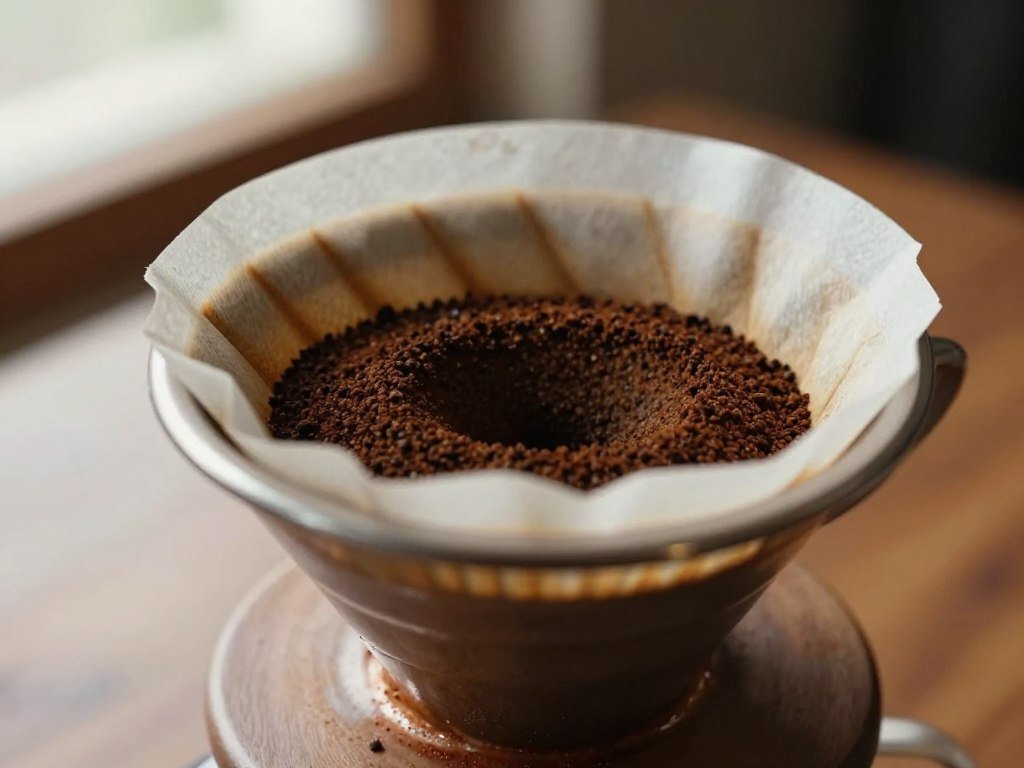
Flat-bottom drainage for balanced brewing
The filter holds coffee grounds in a flat bed, and water passes through the three holes at the bottom. This differs from a cone, where flow meets a single opening. A less exact pour can still produce a steady brew in the Wave.
Basket shape can affect flow and heat transfer. Preliminary work discussed by UC Davis Coffee Center director William Ristenpart found a 3-4°C temperature difference between flat-bottom and conical baskets. The reported basket-shape research also found that untrained tasters could distinguish coffee made with different basket shapes.
Ceramic and glass versions versus steel
The steel version has a known drainage concern: a wet filter can suction against the drain holes and stall the brew. Ceramic and glass versions have bottom ribs intended to reduce suction around those openings.
The proprietary filters are a practical drawback, since the brewer depends on a specific filter shape. They sit around the dripper’s rim and hold their form during brewing. That fit supports the Wave’s flat bed, but it also means ordinary cone filters will not serve as a substitute.
Rinse the Wave filter with hot water before brewing to reduce papery taste.
What Makes the Hario V60 02 Worth Learning?
The V60 02 rewards a careful pour with control over flow, but it is less forgiving of rushed technique than the Wave. Its cone design gives an attentive brewer more ways to shape a cup.
A single open drain supports high flow, while pour speed and bypass can affect extraction. Bypass happens when water runs down the sides without touching coffee. A quick or uneven pour can leave the brew tasting different from a slower, more even one.

Cone design and flow
The V60’s cone narrows toward one open drain. Its spiral ribs support the paper filter and are intended to keep it from sticking to the cone. Together, the cone and ribs allow high flow rates, giving the brewer room to change the pour.
That freedom asks for practice. If the pour rate or grind is off, water may move too quickly or too slowly through the coffee bed. Bypass can also change extraction because some water skips the grounds altogether.
The V60’s design can make a bright, layered cup, but the result responds to technique. Its cone and basket shape affects flow and heat transfer, so small changes in brewing can show up in the cup.
Material and size choices
The plastic V60 02 is the medium size in the range and lists at $10-$15 in 2026. The brewer also comes in ceramic, glass, and steel. Each material changes how the dripper feels to handle, while the V60 shape remains familiar.
V60 02 filters fit the size 02 dripper. The ridged, vortex-shaped design gives the paper filter support while leaving room for water to pass through. A brewer can focus on the pour without the filter pressing flat against the cone.
A sour, thin V60 cup is a reason to try a finer grind and a slower pour.
Can the Clever Dripper Make Pour-Over Easier?
The Clever Dripper makes manual brewing easier by keeping the water with the grounds during a timed steep instead of requiring a controlled series of pours. The closed valve holds the coffee until the dripper sits on a mug.
The steep lasts 2-4 minutes, then the valve opens over a mug. Paper filtration removes grounds and oils linked with French press brewing, giving the coffee a cleaner finish. In 2026, the Clever costs about $35 and uses inexpensive, widely available Melitta filters.

The Clever suits beginners and office kitchens because the steep does not demand a precise pour. It also helps when the brewer wants a measured routine without managing several pours. A starting recipe uses 20 grams of coffee to 300 grams of water, a 1:15 ratio, and a 2:30 steep.
The paper filter catches coffee grounds and some oils before the brew reaches the mug. That gives the coffee a different finish from a French press, where the grounds and oils remain less restricted. The valve lets the user decide when the steep ends.
- Add coffee grounds and hot water to the dripper.
- Steep for the chosen time with the valve shut.
- Set the dripper on a mug to release the coffee.
Very fine grounds may slow drainage after the valve opens. The valve can also need occasional cleaning, since coffee residue may affect how it moves. A rinse after use helps keep the release action working as expected.
Start with a 2:30 steep, then adjust the steep time to taste while staying within its 2-4 minute range.
When Does the Chemex 6-Cup Classic Make Sense?
The Chemex 6-Cup Classic makes the most sense when one brew needs to serve several people and presentation matters. Its carafe form suits a shared table more than a quick single mug.
In this manual lineup, the Chemex is the best high-end coffee maker for serving a group. Its name does not mean it is an electric machine. The 6-Cup Classic is a glass brewer suited to three or more cups, with a batch described as three cups or 900 milliliters.
Brewing for more than one cup
The Chemex can brew a larger batch in one vessel, then pour it into several cups. That format helps when guests arrive together or a household shares coffee at breakfast. It takes more counter space than a small dripper, so it is less suited to tight storage.
The clear glass carafe also makes the brew visible as it collects. Its hourglass shape turns a coffee maker into a serving vessel, avoiding the need to move brewed coffee into another container. The shape is part of its appeal, though it can complicate cleanup.
Clean cup, proprietary filters, and upkeep
Chemex bonded filters hold back oils and fine particles, which gives coffee a clean, light-bodied taste. The filters are proprietary, so buying this brewer means keeping its matching paper filters on hand.
A filter can obstruct the top opening and slow or stop drainage. The brewer’s narrow, hourglass vessel can also make routine washing awkward. A bottle brush can reach areas that a regular sponge may miss.
Keep a bottle brush available if the carafe’s narrow shape makes routine cleaning awkward.
Is the Origami Air S a Good Travel Dripper?
The Origami Air S is a practical travel choice when packing one lightweight dripper matters more than having a dedicated design for each filter. Its flexible fit lets a traveler use two filter shapes.
The AS resin dripper accepts both conical V60 filters and Kalita Wave filters. A cone filter can produce quicker flow, while a Wave filter creates a flatter bed. In 2026, the Origami Air S lists at about $30.
One dripper can support two brewing styles without packing a separate brewer for each filter. That helps during travel, where space and weight matter. The tradeoff is fit: the Wave-style filter does not sit as precisely as it does in a Kalita.
The filter shape changes how the coffee bed sits and how water moves through it. A conical filter creates a cone-shaped bed, while the Wave filter makes a flatter one. The Origami gives the user options, but it does not match every dedicated dripper perfectly.
- Origami Air S dripper.
- The preferred compatible paper filters.
- A mug or server that fits the brewing setup.
Test the chosen filter at home before traveling, especially if relying on the Wave-style fit.
Which Other Brewers Offer More Brewing Control?
The Hario Switch suits someone who wants both immersion and V60-style draining, while the OXO offers a simpler plastic brewer with dishwasher-safe parts. Each alternative meets a different need.
The Switch changes between steeping and draining, while the OXO makes cleanup easier. The Switch uses a plastic switch to control a stainless steel ball valve. It takes the same conical filters as the Hario V60.
Hario Switch for immersion and draining
The Switch lets coffee steep with the valve closed, then drains when the brewer opens the valve. It can also brew like a V60, giving one brewer two modes. That makes it useful for people who want to test recipes without switching drippers.
The stainless steel ball valve controls the flow from the bottom. A plastic switch moves the valve, and the shared V60 filter shape keeps filter choices familiar to V60 owners. The added mechanism gives more options, but also adds a part to rinse.
OXO for simple cleanup
The OXO Good Grips Pour-Over costs $20 and is made of plastic. Its dishwasher-safe parts make cleanup convenient for someone who prefers not to wash every piece by hand. It offers a simpler routine than a brewer built around changing modes.
| Model | Brewing feature | Filter or material detail | Cleanup or use consideration |
|---|---|---|---|
| Hario Switch | Immersion or V60-style drain | V60 conical filters | Rinse the valve |
| OXO Good Grips Pour-Over | Simple pour-over brewing | Plastic | Dishwasher-safe parts |
| Clever Dripper | Steep-and-release valve | Melitta filters | Clean the valve as needed |
Choose the Switch for recipe flexibility and the OXO when easy cleanup matters more than changing brew modes.
What Gear Do You Need for Better Pour-Over Coffee?
A gooseneck kettle, an even grind, and a scale make manual brewing easier to repeat, but the Clever and Switch need less pour control. A simple setup can improve consistency without adding every accessory at once.
A starting coffee-to-water ratio is 1:15 to 1:17 by weight. That means 20 grams of coffee calls for 300-340 grams of water. A scale measures both parts, while the kettle and grinder help control different parts of the brew.
Control the pour with a kettle and scale
A gooseneck kettle gives more control over the water stream than a wide-spout kettle. That can help when the brewer needs to place water carefully across the coffee bed. A Clever Dripper or Hario Switch needs less precise pouring technique.
A scale helps repeat the same amount of coffee and water from one brew to the next. Without weighing, scoops and cup sizes can vary. A small change in the ratio can shift the strength of the final cup.
Improve consistency with an even grind
Burr grinders produce more uniform grounds than blade grinders. More even coffee grounds can help water move through the bed at a steadier pace. Fresh beans and an even grind support better quality, but buying a grinder is not the only way to get started.
The best coffee maker with a burr grinder is not always an all-in-one machine. A separate burr grinder can pair with any of these manual drippers. When a grinder is not practical yet, a coffee shop can grind beans at the time of purchase.
| Gear | What it controls | When it matters |
|---|---|---|
| Gooseneck kettle | Water stream | Precise pouring |
| Grinder | Ground size and evenness | Consistent extraction |
| Scale | Coffee and water amount | Repeatable ratios |
Begin with the tool that removes the biggest obstacle in your routine, then add equipment only when it solves a real problem.
How Do You Fix Common Pour-Over Problems?
A sour or thin cup usually points to under-extraction, while a bitter or astringent one often points to over-extraction or channeling. The taste gives a clue about which brewing change to try first.
Sour coffee often needs a finer grind, hotter water, or a slower pour. Bitter coffee may need a coarser grind, lower temperature, or gentler pouring. Light-roast coffee can be brewed with water at 96-99°C, but that range is not a universal setting.
Sour, thin, bitter, or astringent coffee
Under-extraction can leave a cup sour or thin because the brew did not pull enough from the grounds. A finer grind, hotter water, or slower pour can help. Change only one factor at a time, so the effect stays clear.
Bitter or astringent coffee can signal over-extraction or channeling, where water moves unevenly through the bed. A coarser grind, lower temperature, or gentler pour may help. Flavor is not a perfect measure by itself, but it offers a useful first clue.
Coffee flavor also depends on more than a simple label like sweet or bitter. A Specialty Coffee Association summary of a study in the Journal of the Science of Food and Agriculture reports that perceived sweetness may come from aromas, even when brewed coffee has little sugar.
Slow or stopped drainage
Slow drainage can come from grounds that are too fine, fine particles clogging the filter, or suction between wet paper and drain holes. Check the bed and filter before changing several parts of the recipe. On a stainless steel Kalita Wave, wet paper can suction against the holes.
Switching to a ceramic or glass Kalita Wave can help avoid that suction issue. Filter blockage can also happen in other drippers when fine grounds collect at the base. A stopped brew calls for checking the filter and coffee bed, not simply waiting longer.
- Adjust grind size when coffee tastes sour or bitter.
- Change pouring agitation when extraction seems uneven.
- Check for fine grounds or filter blockage when drainage stalls.
Change one variable per brew so the effect of each adjustment is clear.
Conclusion
The best fit comes down to how much control the reader wants to manage each morning. Choose the Clever or Wave for a gentler learning curve, and the V60 for more control. Each dripper can make good coffee, but their routines ask for different levels of attention.
Filter access matters as much as the brewer’s shape. A model that uses hard-to-find filters can turn an easy habit into an annoying errand. Choose one that fits both the desired cup and the supplies available nearby.
Pick one brewer, buy its compatible filters, and make a first cup using a measured coffee-to-water ratio.
FAQ
Do I need to preheat a plastic pour-over dripper?
No, preheating a plastic dripper is optional. Rinsing its paper filter with hot water helps remove papery taste and warms the brewing setup. That rinse also wets the filter so it sits in place before coffee goes in. Plastic does not need the same warm-up as a ceramic or glass brewer.
How much coffee should I use for one cup?
Start with about 20 grams of coffee and 300-340 grams of water for one cup. That range fits a coffee-to-water ratio of 1:15 to 1:17 by weight. Use the lower water amount for a stronger cup, or the higher amount for a lighter one. A scale makes those changes easier to repeat.
Can I use a regular kettle for pour-over coffee?
Yes, a regular kettle can work for pour-over coffee. A gooseneck kettle gives more control over the stream, which helps with brewers that rely on careful pouring. The Clever Dripper needs less pour technique because coffee steeps before draining. A regular kettle can be a reasonable starting point for that brewer.
How long should pour-over coffee take to brew?
The Clever Dripper’s steep lasts 2-4 minutes, while total drawdown depends on grind, filter, and brewer. Drawdown means the time brewed coffee takes to drain through the coffee bed and filter. A finer grind can slow drainage, while a more open path can let water pass faster. Use taste alongside the clock.
Are Chemex filters interchangeable with V60 filters?
No, Chemex filters are not interchangeable with V60 filters. Chemex uses proprietary bonded filters, while the V60 uses its own conical filters. Their shapes and fit differ, so one filter may not sit or drain as intended in the other brewer. Buy the filter type made for the dripper.
Why does my paper filter slow the brew?
Fine grounds can clog a paper filter and slow the brew. On a stainless steel Kalita Wave, wet paper can also suction against the drain holes. Check whether the grind is very fine and whether the filter is pressed against an opening. A ceramic or glass Wave can help avoid the steel-drain suction issue.
Is a burr grinder worth it for pour-over coffee?
A burr grinder is useful because it makes more uniform grounds than a blade grinder. More even coffee can improve consistency, even if the beans are not ground right before brewing. Fresh beans and a steady grind both help, but a grinder is not essential on day one. A coffee shop can grind beans when buying one is not practical.