
Will the 2027 Toyota Tacoma be a fresh redesign, a quiet carryover, or something in between? That question is on the minds of a lot of truck shoppers right now, and the honest answer is less exciting than the internet would like. The Tacoma entered its fourth generation for the 2024 model year, which means a 2027 truck sits only three years into a lifecycle that Toyota typically stretches much longer. Anyone planning a purchase should understand what that timing implies before they sign anything.
The Short Version: A 2027 Tacoma Is a Fourth-Gen Truck
Toyota introduced the fourth-generation Tacoma in May 2023 and began selling it as a 2024 model. That truck replaced the long-running second and third generations with a body-on-frame design on the TNGA-F platform, the same architecture under the Tundra and Land Cruiser. It also dropped the old V6 for turbo four-cylinder power.
A 2027 Tacoma, then, would almost certainly be a later model year of that same generation rather than a clean-sheet redesign. That matters for buyers because it sets expectations: you are not waiting for a revolution, you are waiting for the small refinements Toyota tends to roll out as a generation matures.
One important caveat up front. As of this writing, there is no confirmed, published specification sheet for a 2027 Tacoma. Toyota announces each model year in the calendar year before it goes on sale, so a 2027 announcement would plausibly land sometime in 2026. Until Toyota publishes that information, any “2027 specs” you see online should be treated as speculation. This article sticks to what is known about the fourth generation and explains how to evaluate whatever Toyota eventually confirms. (10 best ai chatbots gpt 5 claude under hood 2027)
What the Fourth-Gen Truck Already Offers
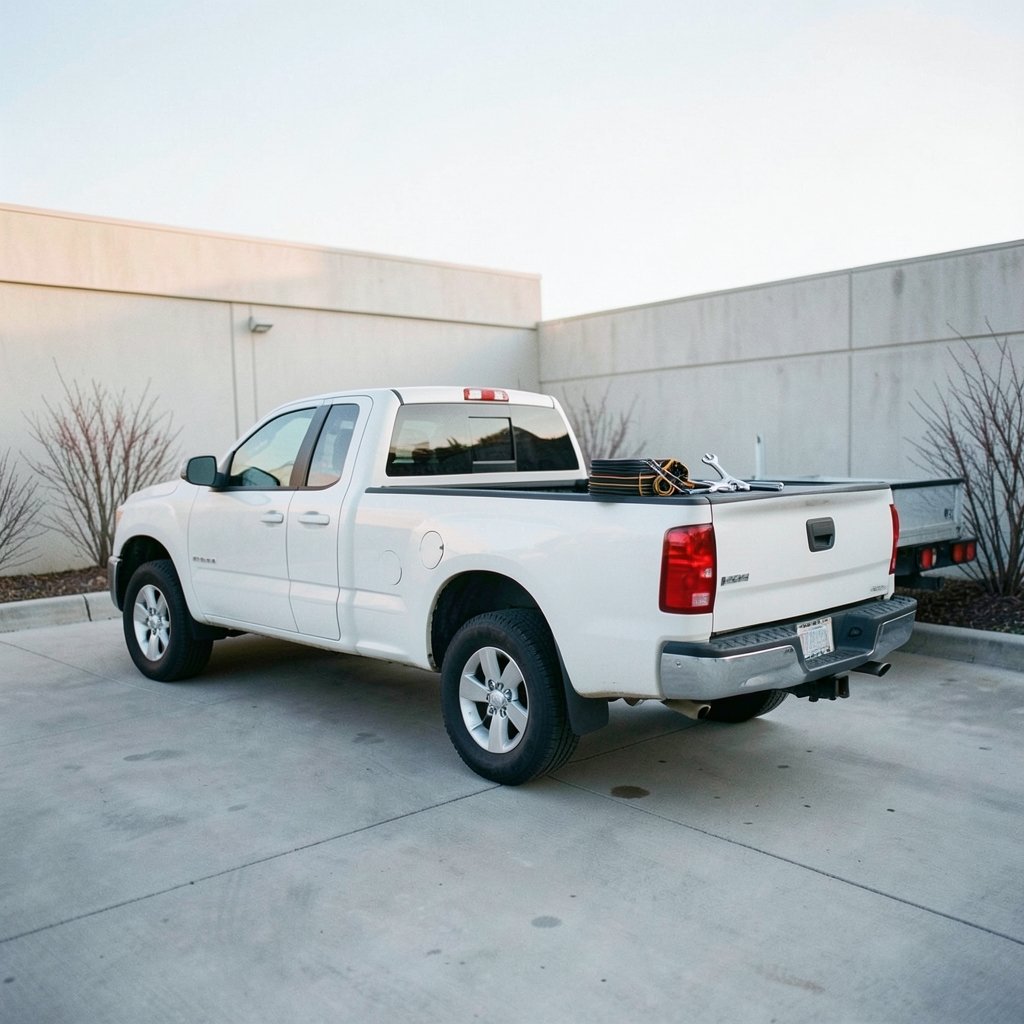
To understand what a 2027 model might look like, it helps to know the baseline. The 2024 launch brought a genuinely different Tacoma compared with the truck it replaced.
| Feature | Fourth-gen launch spec |
|---|---|
| Platform | TNGA-F body-on-frame |
| Standard engine | 2.4L turbo four (i-FORCE) |
| Optional engine | 2.4L turbo hybrid (i-FORCE MAX) |
| Launch trims | SR, SR5, TRD PreRunner, TRD Sport, TRD Off-Road, Limited, TRD Pro, Trailhunter |
| Assembly | Baja California (Tijuana) and Texas (San Antonio) |
The trim ladder is broad on purpose. The SR and SR5 cover basic work-truck duty, the TRD Sport leans toward street manners, the TRD Off-Road adds real hardware for trails, and the TRD Pro and Trailhunter sit at the top for serious off-road buyers. The hybrid powertrain was the headline change, giving the Tacoma more low-end torque for towing and trail work while keeping fuel use reasonable for a midsize truck.
If you are comparing the Tacoma against other tech-heavy purchases this year, the same “wait for confirmed specs” discipline applies. Our breakdown of handheld console prices in 2027: confirmed vs reported makes a similar point about separating announced facts from rumor, and it is a useful mental model for truck shopping too.
Why a 2027 Model Year Is Unlikely to Bring a Redesign
Automotive lifecycles follow patterns, and Toyota’s are longer than most. The previous Tacoma generation ran from 2016 through 2023, roughly eight model years. A fourth generation that started in 2024 would typically run well into the 2030s before a full redesign.
That leaves three realistic scenarios for 2027:
- Carryover with minor changes. New colors, small package adjustments, maybe a tech update. This is the most common outcome three years into a generation.
- A mid-cycle refresh. Toyota sometimes updates styling, infotainment, or safety features partway through a generation. A refresh usually lands around year four or five, so 2027 is early but not impossible.
- Nothing notable at all. Some model years simply roll over with a price adjustment and a new paint option.
Notice what is not on that list: an all-new truck. Buyers holding out for a ground-up 2027 redesign are likely to be disappointed.
Practical Tips for Shopping a 2027 Tacoma
If you are set on a 2027 model, a few habits will save you money and frustration.
Wait for the official announcement before negotiating. Dealers often start taking deposits on rumored specs. Until Toyota publishes trim details, you are negotiating against guesses. Ask the dealer for the official order guide, not a verbal promise.
Check the build date in addition to the model year. Model years and build dates do not always line up perfectly. A truck built late in the previous calendar year can still be a current model year. The door-jamb sticker tells you the actual build month.
Verify recall status yourself. Newer generations sometimes accumulate recalls in their early years. Before buying any Tacoma, run the VIN through the National Highway Traffic Safety Administration’s recall lookup. Do not rely on the dealer to volunteer this information, and do not assume a later model year is automatically clear.
Confirm fuel economy ratings for the exact configuration. Official ratings vary by cab, bed length, drivetrain, and powertrain. The EPA’s fuel economy site lets you look up the specific combination rather than the headline number from a press release.
Drive both powertrains if you can. The turbo four and the hybrid feel different in daily use. The hybrid’s extra torque shows up when towing or climbing; the standard turbo is lighter and simpler. A ten-minute test drive of each tells you more than any spec sheet.
Common Mistakes Buyers Make With New Model Years
A few traps show up again and again when a new model year is on the horizon.
The biggest is treating rumors as facts. Enthusiast forums and social posts fill the gap between model years with confident-sounding claims. Some turn out right, many do not. The safe rule: if Toyota has not published it, it is not confirmed.
The second is overpaying for scarcity. When a model year is new or in short supply, dealers add markups. Three years into a generation, supply usually stabilizes, so a 2027 Tacoma should be easier to buy at a fair price than the 2024 launch trucks were. If a dealer quotes a market adjustment, walk and try another store.
The third is ignoring the total cost of ownership. Insurance, tires, fuel, and depreciation matter more than the sticker. Midsize trucks hold value well, but trim choice affects resale. A well-equipped TRD Off-Road often holds value better than a loaded Limited, simply because demand for off-road trims stays strong.
The fourth is skipping the pre-purchase inspection on used examples. If you are considering a 2024 or 2025 Tacoma instead of waiting for 2027, a independent mechanic’s inspection is cheap insurance. Early-production quirks are exactly what an inspection catches.
How the Tacoma Fits in a Crowded Midsize Market
The midsize truck segment is more competitive than it was a decade ago. The Tacoma’s advantages are its resale strength, its deep aftermarket, and Toyota’s reputation for durability. Its weaknesses are a firm ride, a cabin that trails some rivals on quietness, and pricing that climbs quickly with options.
For buyers who mainly commute and occasionally haul, the SR5 with the standard turbo is the sensible value pick. For buyers who actually use four-wheel drive on rough ground, the TRD Off-Road is the sweet spot. The TRD Pro and Trailhunter are genuinely capable but expensive, and most owners never use their full capability.
If you are cross-shopping technology as much as hardware, it helps to think about how you will actually use the truck. The same logic that applies to picking software applies to picking a vehicle: match the tool to the job, not to the marketing. Our comparison of DeepSeek vs ChatGPT vs Gemini on output quality is a good example of cutting through hype with structured evaluation, and the method transfers neatly to comparing truck trims.
What to Watch Before the 2027 Announcement
When Toyota does announce the 2027 Tacoma, a handful of details will tell you the most about whether it is worth waiting for.
Pricing. Watch the base MSRP and the destination charge separately. A modest base price can hide a big jump once you add the packages most people want.
Powertrain changes. If the hybrid becomes available on more trims, that is a meaningful update. If the standard turbo gains power or efficiency, that matters too. If nothing changes, expect a carryover.
Safety and driver-assist content. Toyota bundles its safety suite across trims, but feature availability can shift year to year. Check what is standard versus optional on the trim you want.
Trim lineup changes. A new trim or a dropped one reshuffles the value equation. A cheaper off-road variant, for instance, would change which model is the smart buy.
Recall and quality record. The early years of a generation are when patterns emerge. Track recall notices for the 2024 through 2026 trucks, since a 2027 model would likely share components.
Conclusion
The 2027 Toyota Tacoma is best understood as a continuation, not a reinvention. It will almost certainly be a fourth-generation truck, built on the TNGA-F platform, powered by turbo four-cylinder engines, and offered across a wide trim ladder. The real question is not whether it will be all-new, because it almost certainly will not be. The question is what small refinements Toyota adds and what they cost.
Buyers who need a truck now should not wait on rumors. The current fourth-gen trucks are capable, well-supported, and easier to find at fair prices than they were at launch. Buyers who can wait should watch for Toyota’s official announcement, verify every spec against a primary source, and check recall and fuel economy data for the exact configuration they want. Patience pays, but only when it is aimed at confirmed facts rather than forum speculation.
Frequently Asked Questions
Is the 2027 Toyota Tacoma a new generation?
No. The current Tacoma is the fourth generation, which launched as a 2024 model. A 2027 truck would be a later model year of that same generation, not an all-new design. Toyota’s truck generations typically run many years, so a full redesign in 2027 would be unusually early.
When will Toyota announce the 2027 Tacoma?
Toyota generally announces each model year in the calendar year before it goes on sale, so a 2027 announcement would plausibly come in 2026. That timing is a pattern, not a promise. Until Toyota publishes official information, any 2027 details circulating online should be treated as unconfirmed.
What engine will the 2027 Tacoma have?
The fourth-generation Tacoma launched with a 2.4L turbo four-cylinder and an optional 2.4L turbo hybrid. A 2027 model would most likely carry those powertrains forward, possibly with minor tuning changes. Toyota has not confirmed 2027 powertrain details, so treat specific horsepower or torque figures as speculation.
Should I wait for the 2027 Tacoma or buy a 2024 or 2025 model now?
It depends on your timeline. If you need a truck soon, the current fourth-gen models are proven and easier to find at fair prices than at launch. If you can wait, watching for the official 2027 announcement costs nothing and may reveal a useful update. Either way, verify recall status and fuel economy for the exact configuration you are considering.
Will the 2027 Tacoma cost more than the current model?
Prices generally rise modestly each model year, but Toyota has not published 2027 pricing. Watch the base MSRP and the destination charge separately, and compare the out-the-door price of the trim you actually want rather than the headline starting figure. Dealer markups are less common once a generation matures, which works in buyers’ favor.
Where can I check recalls and fuel economy for a Tacoma?
Use the National Highway Traffic Safety Administration’s recall lookup with the vehicle identification number, and use the EPA’s fuel economy site to confirm ratings for the specific cab, bed, drivetrain, and powertrain combination. Both are free, official, and more reliable than dealer statements or forum posts.