
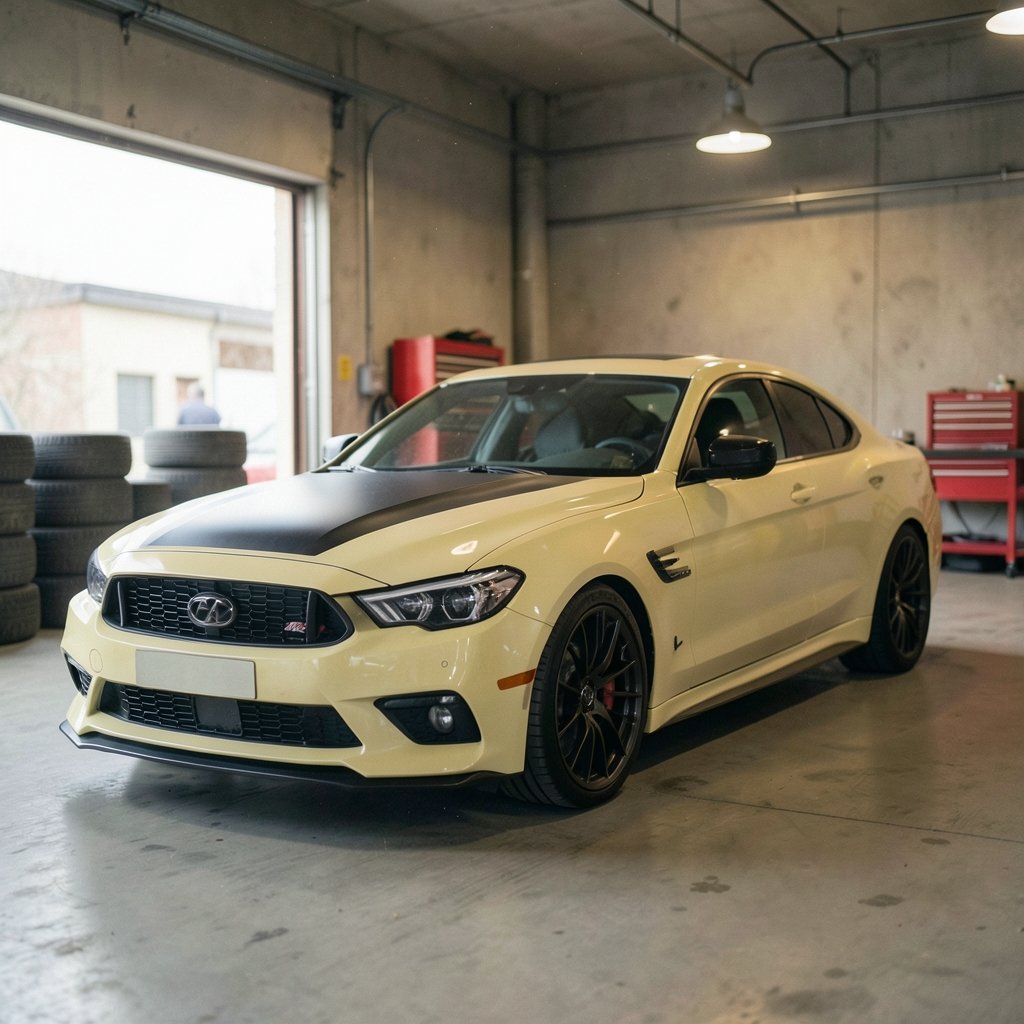
Can a nameplate that peaked in 1968 still sell cars in 2027? Dodge is betting the answer is yes. The Super Bee badge, a budget-minded muscle car legend born on the Coronet, has been dusted off repeatedly over the decades, and the question on every enthusiast forum is whether it lands on the new-generation Charger. Here is what is actually known, what is speculation, and how a practical buyer should think about it.
The Honest Starting Point: Nothing Is Officially Confirmed
Let’s clear the air first. As of now, there is no confirmed announcement of a 2027 Dodge Charger Super Bee. No press release, no pricing sheet, no EPA filing, no trim walk. Anyone publishing exact horsepower figures, production numbers, or a launch date is guessing, and you should treat those claims the way you’d treat a Craigslist listing with one blurry photo.
What we do know is the foundation. Dodge relaunched the Charger for 2024 on a new platform, offering it first as a battery-electric vehicle and later with a 3.0-liter twin-turbo Hurricane inline-six in two states of tune, marketed under the Sixpack name. The Super Bee name itself is a historic Dodge performance sub-brand dating to the 1968 Coronet Super Bee, revived on Charger models around 2007 and again in the 2012–2014 stretch, and most recently applied to a limited 2023 “Last Call” edition. That pattern matters: Dodge has used Super Bee as a value-performance trim, not a halo car.
Why the Super Bee Name Keeps Coming Back
The original Super Bee was clever marketing. Dodge took a mid-tier Coronet, dropped in a big-block engine, stripped out some luxury, and sold it cheaper than the Road Runner it competed with. The message was simple: maximum muscle per dollar. That formula is exactly what a modern performance trim needs, and it explains why the badge resurfaces whenever Dodge wants a headline car that undercuts its own top trims.
There is a second reason. Heritage names are cheap equity. A Hellcat or a Scat Pack carries expectations of six-figure pricing and insurance premiums. A Super Bee can sit one rung lower, appeal to the enthusiast who wants the look and the sound without the flagship bill, and still generate press coverage. If Dodge is planning anything for 2027, that positioning is the most logical bet.
What a 2027 Super Bee Would Probably Look Like
Treat everything in this section as informed inference, not fact. Still, the building blocks are visible.
| Element | Likely direction | Reasoning |
|---|---|---|
| Platform | New-generation Charger (LB) | No other RWD/AWD Dodge coupe-sedan architecture exists |
| Powertrain | Hurricane twin-turbo I6, higher output tune | The six-cylinder replaced the Hemi in the lineup |
| Electric option | Possible dual-motor BEV variant | The Charger launched as an EV first |
| Body style | Two-door and four-door | The new Charger is offered in both |
| Positioning | Mid-tier performance, value-focused | Matches Super Bee’s historical role |
| Badging | Bee logo, stripe packages, heritage colors | Consistent with 2023 Last Call edition |
The interesting tension is the powertrain. A Super Bee with an inline-six is a break from tradition, but so was the entire shift away from the Hemi. Buyers who grew up on V8 rumble will grumble, and they will also line up for test drives. That is how this market works.
The V8 Question Buyers Keep Asking
Here is where practical buying advice earns its keep. If a V8 is non-negotiable for you, waiting for an unconfirmed 2027 Super Bee is a bad strategy. The current and recent Charger generations with V8 power are the last of a line, and their values reflect that. Conversely, if you are open to forced induction six-cylinder power, the Hurricane engine family already delivers serious output, and a Super Bee tune would likely sit above the standard Sixpack variants.
A simple decision rule that actually works in practice:
- Decide whether the engine layout or the driving experience matters more to you.
- If it is the experience, drive a current Hurricane-equipped Charger before forming an opinion.
- If it is the layout, buy now rather than waiting on a rumor.
- If you are purely curious, set a calendar reminder to check Dodge’s official channels quarterly rather than refreshing forums daily.
The most common mistake enthusiasts make is treating forum speculation as a launch calendar. They delay a purchase for a car that may never exist, then pay more later for the car that does.
How to Verify Any 2027 Charger Claim Yourself
This is the skill that separates informed buyers from wishful ones. Before you believe a spec sheet, check the source type.
Primary sources are the only ones worth trusting for hard numbers. Manufacturer press releases, EPA fuel economy data, NHTSA safety ratings, and emissions certification documents are all public and specific. If a claimed horsepower figure or curb weight does not appear in one of those, it is a rumor. Secondary sources, meaning reputable automotive outlets, are useful for context and spy-shot reporting but still get things wrong before a launch. Tertiary sources, meaning aggregator sites and social posts, are entertainment.
One quick test: search for the claimed number in quotation marks alongside the word “press release.” If nothing official appears, you have your answer.
Where the Super Bee Fits in Dodge’s Broader Strategy
Dodge’s lineup has been through a genuine reset. The brand moved from a V8-only identity toward electrified and forced-induction performance, and that transition created a gap. The top of the range gets the attention, and the entry point gets the volume. The middle, where a Super Bee would live, is where brand loyalty is forged.
That middle ground is also where the used market gets interesting. Enthusiasts who cannot stretch to a flagship often end up in a well-kept previous-generation car, and those buyers tend to be the ones who care most about heritage trims. A new Super Bee would give them a reason to stay in the fold rather than jump to a competitor.
The same logic applies across the tech world, where brands use mid-tier products to hold customers who might otherwise drift. If you follow how companies manage product tiers and customer retention, the pattern is familiar. The Revolut review on the 2027 super app and its risk profile is a decent case study in how a company stretches a brand across price points without losing its core identity.
What Enthusiasts Should Watch For
A few signals will tell you early whether a 2027 Super Bee is real. Watch for these in order of reliability.
First, a VIN decoder update. When a manufacturer adds a trim, decoding databases pick it up before the marketing machine starts. Second, EPA or emissions certification filings, which appear months ahead of a sale date. Third, dealer order guides, which leak reliably. Fourth, spy shots of test mules with distinctive badging or stripe camouflage. Fifth, and last, official teasers.
If you see the first three, the car is happening. If you only see the fifth, you are being marketed to.
The Practical Case for Patience, and Its Limits
There is a real argument for waiting. A new trim means new-car warranty coverage, current safety technology, and the ability to spec exactly what you want. For a buyer planning to keep a car a decade, that matters more than saving a few thousand on a used example.
There is also a real argument against waiting. Heritage trims are frequently produced in limited numbers, and limited numbers mean dealer markups. The 2023 Charger Super Bee, a Last Call edition, demonstrated exactly this dynamic. Buyers who waited for discounts mostly did not get them.
A balanced approach looks like this: set a personal deadline. If nothing official exists by that date, buy the best car available to you at that moment. This removes the emotional trap of indefinite waiting while preserving the chance to catch a genuine launch.
How This Compares to Other Buying Decisions in 2027
Car buyers are not the only ones weighing hype against evidence. Anyone shopping for software, hardware, or services in 2027 faces the same problem: announcements arrive long before products do, and the gap is filled with confident speculation.
Take AI tools, which have become a routine part of how people research purchases. The same discipline applies to both. A comparison of the best AI chatbots, including how GPT-5 and Claude work under the hood, is useful precisely because it separates capability claims from marketing language. If you are using a chatbot to research a car purchase, ask it for sources and check them, exactly as you would with a forum post.
Translation and research tools follow the same rule. A rundown of AI translation tools and how DeepL, ChatGPT, and Google compare is worth reading not because any one tool wins, but because the differences show how claims get oversimplified. The habit transfers directly to reading a spec sheet.
For anyone running a business and weighing automation, the parallel is even sharper. There are cases where an AI chatbot is the wrong tool entirely, and knowing when to hold back is the same judgment call as knowing when not to trust a rumor. E-commerce operators thinking about conversion will find AI tools for online stores and conversion more relevant, but the underlying lesson is constant: verify before you commit money.
Conclusion
The 2027 Dodge Charger Super Bee is, right now, a name in search of an announcement. The badge has a genuine legacy, the platform exists, and the market logic for a value-focused performance trim is sound. None of that adds up to a confirmed car. What a sensible buyer can do is understand the heritage, recognize the likely shape of any future model, know which sources to trust, and set a deadline so the wait does not become the decision. If Dodge does build it, the people who prepared will be the ones who get a good one.
Frequently Asked Questions
Has Dodge officially confirmed a 2027 Charger Super Bee?
No. There is no confirmed announcement, pricing, or specification for a 2027 Charger Super Bee. Treat any specific horsepower, production, or launch-date claim as unverified until it appears in a manufacturer press release, an EPA or emissions filing, or a dealer order guide.
What is the Super Bee name, and where does it come from?
Super Bee is a historic Dodge performance trim that started with the 1968 Coronet Super Bee. It was revived on Charger models around 2007, appeared again in the 2012–2014 period, and was most recently used on a limited 2023 “Last Call” Charger Super Bee. Its traditional role has been value-focused performance rather than flagship luxury.
What engine would a new Super Bee likely use?
Based on the current Charger lineup, the most plausible powertrain is the 3.0-liter twin-turbo Hurricane inline-six in a higher output tune, possibly alongside a dual-motor electric variant. A V8 is unlikely given the brand’s move away from Hemi power, though nothing is confirmed.
How can I tell if a rumor about this car is credible?
Check the source type. Manufacturer press releases, EPA fuel economy data, NHTSA safety ratings, emissions certification documents, and dealer order guides are reliable signals. Forum posts, aggregator sites, and social media claims are not. A quick test is searching the claimed figure in quotation marks alongside “press release.”
Should I wait to buy a car in case a 2027 Super Bee arrives?
Only with a deadline. Set a date by which you will buy the best available car if nothing official has appeared. Heritage trims are often produced in limited numbers and tend to carry markups, so waiting is not automatically cheaper. Waiting indefinitely is the one strategy that reliably disappoints.
Will a Super Bee be a limited-production model?
Historically, Super Bee editions have often been limited, and the 2023 Last Call version certainly was. If a 2027 model follows that pattern, expect constrained supply and possible dealer premiums. That is another reason to watch order guides early rather than waiting for showroom availability.



