
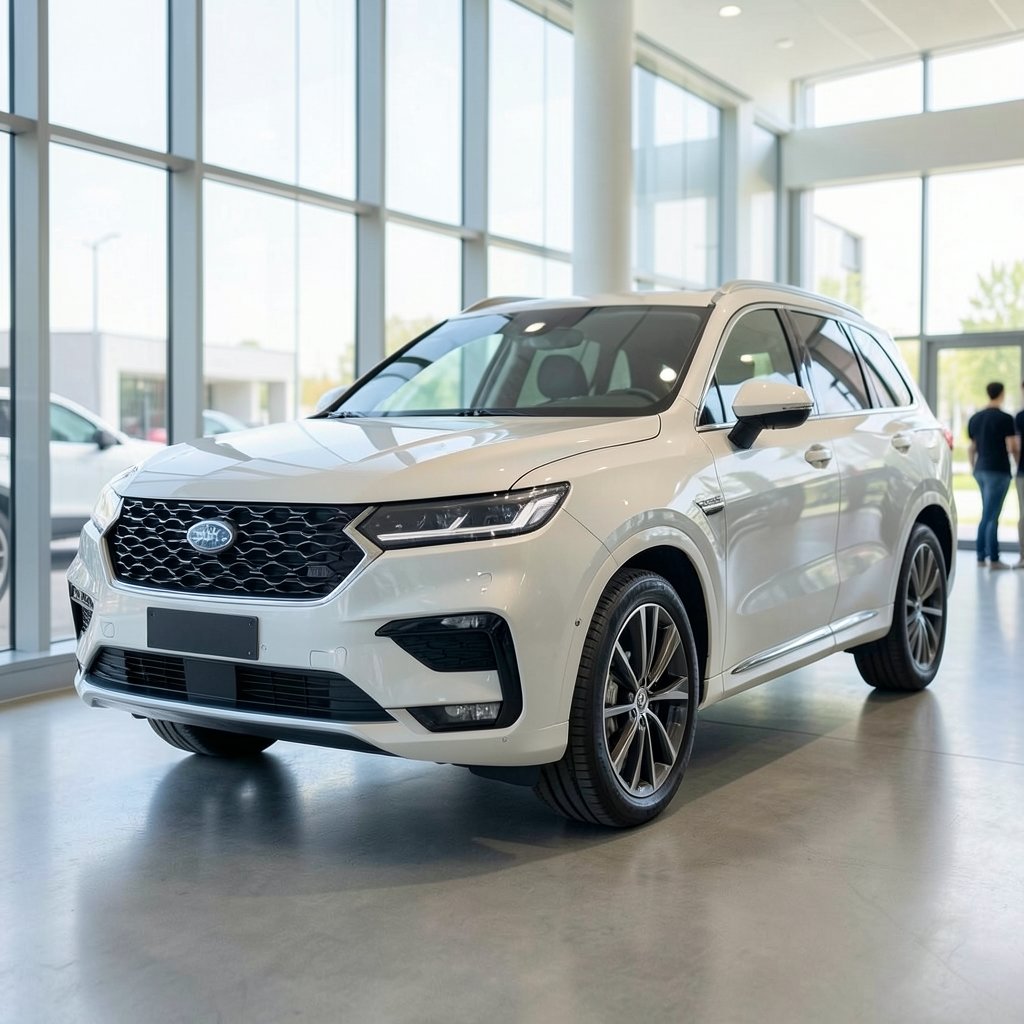
What will the 2027 Range Rover actually look like when it reaches showrooms? That question matters more than it sounds, because the answer sits at the intersection of two big stories: the slow rollout of the all-electric Range Rover and the steady refinement of the fifth-generation model that arrived in 2022. Anyone shopping, leasing, or simply daydreaming about one of the most recognizable luxury SUVs on the planet needs a clear picture of what is confirmed, what is likely, and what is still guesswork.
The Short Answer: An Evolving Fifth Generation, Not a Clean-Sheet Redesign
The current Range Rover, known internally as the L460, was unveiled in October 2021 and launched in 2022. It rides on the MLA-Flex platform, a modular longitudinal architecture designed from the start to accept mild-hybrid, plug-in hybrid, and fully electric powertrains. That single engineering decision is why the 2027 model year is unlikely to bring a radical redesign.
Instead, expect the 2027 Range Rover to be a carefully updated version of the same vehicle. Model-year changes in this segment usually mean tweaked trim structures, updated infotainment software, new paint and wheel options, and occasionally a revised powertrain calibration. Buyers who were hoping for a dramatic new shape should temper expectations. The bigger shifts are happening underneath the skin, in electrification.
One important caveat: as of late 2026, a formally announced, fully detailed 2027 model-year Range Rover lineup has not been confirmed in publicly available specifications. Anyone quoting exact 2027 pricing or a complete trim list is likely working from rumor or extrapolation. Treat precise figures with caution until official information lands.
The Electric Range Rover Is the Real Headline
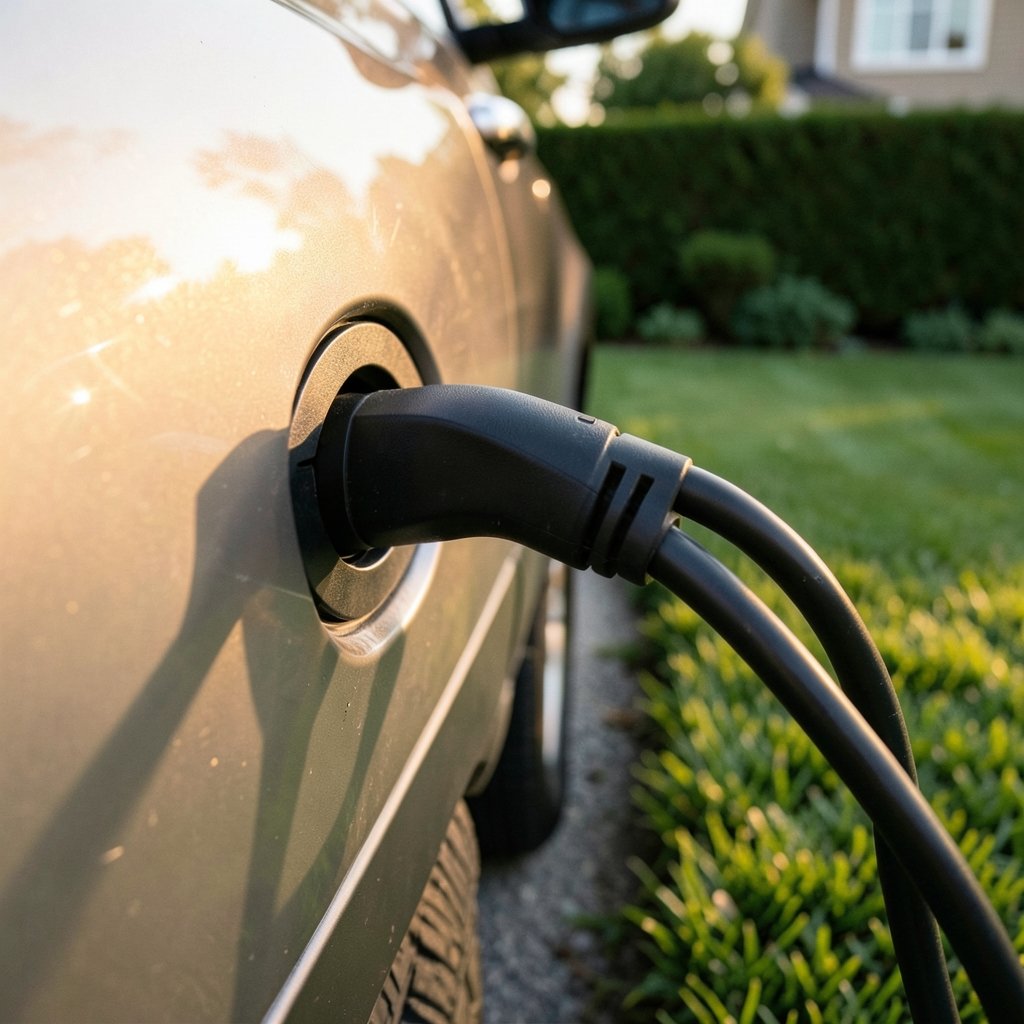
JLR announced an all-electric Range Rover with order books reportedly opening around 2025 and first deliveries expected in 2026. Whether that timeline slips into the 2027 model year is genuinely uncertain, but it is the single most consequential question for this nameplate.
Here is why it matters. The MLA-Flex platform was engineered for a battery-electric variant from day one, which means the electric Range Rover is not an afterthought bolted onto a combustion chassis. It shares the same body structure and, in all likelihood, much of the same cabin architecture. For buyers, that translates into a familiar experience: the same commanding driving position, the same silent cruising character, but without a combustion engine.
In practice, the electric variant will appeal to a specific buyer. Someone with a home charger and a predictable daily routine will find it superb. Someone who regularly tows a heavy trailer across long distances, or who lives in an area with thin charging infrastructure, may find the plug-in hybrid a more sensible bridge. That is not a knock on the electric model. It is simply how real ownership plays out, and it is the kind of practical distinction that marketing materials tend to blur.
Powertrains: What the Lineup Probably Looks Like
Based on the L460 launch specifications, the powertrain family has historically included mild-hybrid inline-six petrol and diesel engines, a BMW-sourced 4.4-liter V8, and a plug-in hybrid with roughly 70 miles of electric range on the WLTP cycle. The 2027 lineup will almost certainly build on that foundation rather than replace it.
| Powertrain type | Likely character | Best suited to |
|---|---|---|
| Mild-hybrid inline-six petrol | Smooth, refined, lower entry point | Urban and suburban daily driving |
| Mild-hybrid diesel | Strong torque, long-distance efficiency | High-mileage motorway users |
| V8 | Effortless performance, towing capability | Buyers prioritizing power and presence |
| Plug-in hybrid | ~70 miles electric range (WLTP), petrol backup | Mixed use with home charging |
| Full electric | Silent, zero tailpipe emissions | Charger-equipped, routine-focused owners |
The plug-in hybrid deserves particular attention. With roughly 70 miles of WLTP electric range, many owners will cover the majority of their weekly driving on electricity alone while retaining the freedom of a petrol engine for longer trips. The catch, as always, is that real-world electric range is typically lower than the WLTP figure, especially in cold weather or at sustained motorway speeds.
Pricing and Positioning: Still a Six-Figure Proposition
At launch, the L460 started well above £100,000 in the UK for higher trims. Exact 2027 pricing is not publicly confirmed, but nothing about the brand’s positioning suggests a downward move. Range Rover sits as a standalone brand within JLR’s house-of-brands structure, a reorganization announced in 2023 when Jaguar Land Rover rebranded as JLR. That structure is designed to protect and elevate the marque’s luxury status, not to chase volume.
For buyers, this means the 2027 Range Rover will remain a serious financial commitment. If you are weighing options, it pays to compare ownership structures early. Many shoppers exploring Range rover lease deals find that leasing smooths out the uncertainty around residual values, particularly for new electrified variants whose long-term resale performance is still being established.
The Regulatory Squeeze Shaping the Timeline
Electrification timelines are not purely engineering decisions. The UK’s zero-emission vehicle mandate requires a rising share of new car sales to be zero-emission, starting at 28 percent in 2025 and climbing annually. That regulatory pressure directly shapes how quickly JLR needs to push electric variants into showrooms.
That context shapes the 2027 model year. The update is a compliance milestone, not merely a cosmetic cycle. Expect the electric Range Rover to carry real strategic weight, and expect the plug-in hybrid to remain a bridge for buyers who are not ready to go fully electric.
Practical Buying Advice for the 2027 Model Year
If you are seriously considering a 2027 Range Rover, a few practical steps will save you time and frustration.
- Confirm the model year in writing. Model-year designations can blur at the boundaries, especially when an electric variant launches alongside carryover combustion models. Ask for the build date as well as the badge.
- Test the plug-in hybrid on your actual commute. Drive the route you drive every day, with the climate control on, and note how much electric range you genuinely use.
- Check charging logistics before committing to the electric variant. Home charging changes the ownership experience entirely; reliance on public charging changes it for the worse.
- Visit a dealer early. Availability of specific trims and powertrains is often tighter than the configurator suggests. If you are still at the research stage, it helps to know how to find a Range rover dealer near me and what questions to ask on a first visit.
- Budget beyond the sticker. Insurance, tires, and servicing on a vehicle in this class are substantial, and the electric variant’s tire wear can be higher due to instant torque and weight.
A common mistake buyers make is fixating on the headline acceleration figure or the badge while neglecting the ownership realities. Another is assuming the newest powertrain is automatically the right one. It is not. The right powertrain is the one that matches how you actually drive, not how you imagine you drive.
How the 2027 Model Fits the Wider Market
The luxury SUV market has become crowded with credible electric alternatives, and buyers now cross-shop more aggressively than ever. Range Rover’s advantage remains its combination of presence, off-road capability, and cabin refinement. Its challenge is convincing traditional owners that electrification does not dilute those qualities.
Interestingly, the same pattern is playing out across adjacent categories. Just as the automotive world is measuring real-world efficiency rather than trusting optimistic claims, as seen in this 2027 chevy bolt ev at 75 mph 197 mile range result really test, luxury buyers are getting more skeptical about range figures and more interested in verified performance. That skepticism is healthy, and it rewards manufacturers who publish honest numbers.
The technology inside the cabin is evolving just as fast. Modern infotainment systems increasingly lean on AI, and the broader conversation around 10 best ai chatbots gpt 5 claude under hood 2027 reflects how quickly voice assistants and in-car intelligence are maturing. For a vehicle positioned as a technology flagship, the quality of that software layer matters as much as the drivetrain.
Language support is another area where expectations have risen. Features once considered premium, such as real-time translation for navigation and voice commands, are now judged against tools like those compared in this best ai translation tools 2027 deepl vs chatgpt vs google breakdown. Buyers expect seamless, accurate interaction, and luxury brands are held to a higher standard than mainstream ones.
For retailers, the lesson is that digital experience now shapes purchase decisions long before a showroom visit. The same principles behind 10 best ai chatbots e commerce 2027 that rescue abandoned carts apply to high-ticket vehicle configurators, where a single unanswered question can lose a six-figure sale. Knowing when NOT to use an AI chatbot in 2027: 7 honest cases is just as important as knowing when to deploy one.
Dealers selling premium vehicles are also investing in broader digital toolkits, and the strategies covered in this guide to 15 best ai tools e commerce stores 2027 conversion boosters increasingly inform how luxury automotive retail presents options, financing, and availability online.
What to Watch Before the 2027 Launch
Three signals will tell you a great deal about the final 2027 specification. First, official confirmation of the electric variant’s delivery timing. Second, any change to plug-in hybrid battery capacity or electric range. Third, the trim structure, since manufacturers often use model-year updates to simplify complexity or push buyers toward higher-margin configurations.
Until those signals appear, the sensible position is informed patience. The 2027 Range Rover is very likely to be an excellent vehicle. It is simply not yet a fully documented one.
Conclusion
The 2027 Range Rover is best understood as a milestone in a transition rather than a reinvention. The L460 platform, launched in 2022, was built for exactly this moment: a lineup that spans mild-hybrid, plug-in hybrid, and fully electric powertrains without compromising the refinement that defines the badge. The electric variant is the headline act, the plug-in hybrid remains the pragmatic choice for many buyers, and the combustion options continue to serve those with specific needs. Pricing will stay firmly in six-figure territory, and regulatory pressure will keep pushing the electrification story forward. For buyers, the winning approach is unglamorous but effective: verify the model year, test the powertrain against your real routine, and plan the ownership costs before falling for the badge. Do that, and the 2027 Range Rover becomes a genuinely informed choice rather than an emotional one.
Frequently Asked Questions
When will the 2027 Range Rover go on sale?
Official timing has not been confirmed in publicly available specifications as of late 2026. Historically, model-year updates arrive in the year preceding the designation, so a 2027 model would typically appear during 2026. The all-electric Range Rover, with order books reportedly opening around 2025 and deliveries expected in 2026, could overlap with the 2027 model year. Confirm build dates in writing with a dealer.
Is the 2027 Range Rover fully electric?
Not exclusively. The lineup is expected to span mild-hybrid petrol and diesel, a V8, a plug-in hybrid, and a fully electric variant built on the same MLA-Flex platform. The electric model is the newest addition, not a replacement for combustion and hybrid options.
What is the electric range of the plug-in hybrid Range Rover?
At launch, the plug-in hybrid variants offered roughly 70 miles of electric range on the WLTP cycle. Real-world range is typically lower, particularly in cold weather or at sustained motorway speeds, so plan around a realistic figure rather than the headline number.
How much will the 2027 Range Rover cost?
Exact 2027 pricing is not publicly confirmed. At launch, the fifth-generation model started well above £100,000 in the UK for higher trims. Given the brand’s luxury positioning within JLR’s house of brands, a significant downward shift is unlikely.
What platform does the 2027 Range Rover use?
It uses the MLA-Flex modular longitudinal architecture, introduced with the fifth-generation model unveiled in October 2021 and launched in 2022. The platform was designed from the outset to support internal combustion, plug-in hybrid, and battery-electric powertrains.
Should I wait for the 2027 model or buy now?
It depends on your priorities. If you want the fully electric variant, waiting makes sense. If you need a vehicle soon and the current plug-in hybrid or combustion options suit your driving, there is little reason to delay, since the 2027 changes are likely to be evolutionary rather than transformative.



