
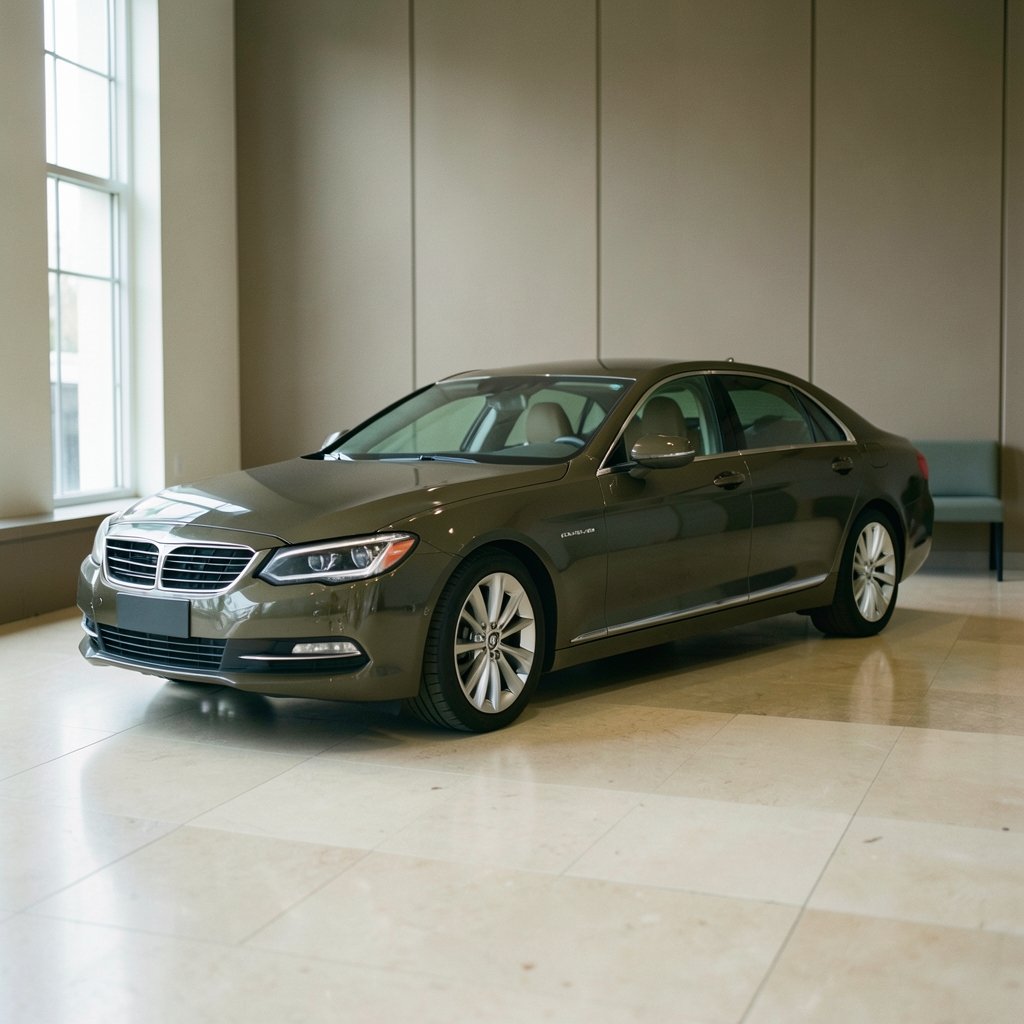
Is the 2027 BMW 7 Series a brand-new car, or just a cleverly updated version of the one already sitting in showrooms? That question matters more than it sounds. Luxury buyers who wait for a “new” model often end up disappointed when the changes turn out to be a reshaped bumper and a bigger screen. Buyers who understand what’s actually coming can time their purchase, negotiate better, and avoid paying a premium for a car that’s about to be replaced.
Here’s the honest picture of what the 2027 7 Series likely is, what’s confirmed, what’s still rumor, and how to think about it if you’re shopping in this rarefied slice of the market.
The Short Answer: This Is a Facelift, Not a New Generation
The current 7 Series is the G70, the seventh generation of BMW’s flagship sedan. It was unveiled on 20 April 2022 and reached markets from late 2022. That means by 2027 the car will be roughly five years old in its lifecycle, which is exactly when BMW traditionally performs its mid-cycle update, known internally as the LCI (Life Cycle Impulse).
So the 2027 model year should be treated as a refreshed G70 rather than an all-new car. Expect visual tweaks front and rear, possibly revised lighting signatures, updated interior materials and software, and adjusted trim and powertrain lineups.
What should you not expect? A clean-sheet redesign. BMW has not confirmed a specific reveal date or on-sale date for the G70 LCI, and reports on timing vary. Anyone telling you the exact month of the debut is guessing. Treat precise dates as unverified until BMW’s own press office says otherwise.
That distinction has real money attached to it. A facelift typically brings small price increases and a wave of discounts on the outgoing stock. If you’re cross-shopping other big purchases too, the same timing logic applies to consoles and hardware; a piece like the Xbox Series X vs PS5 everyday gaming comparison shows how mid-cycle revisions quietly reshape value. (Xbox series s vs ps5 judging everyday gaming experience 2027)
What the G70 Already Gets Right
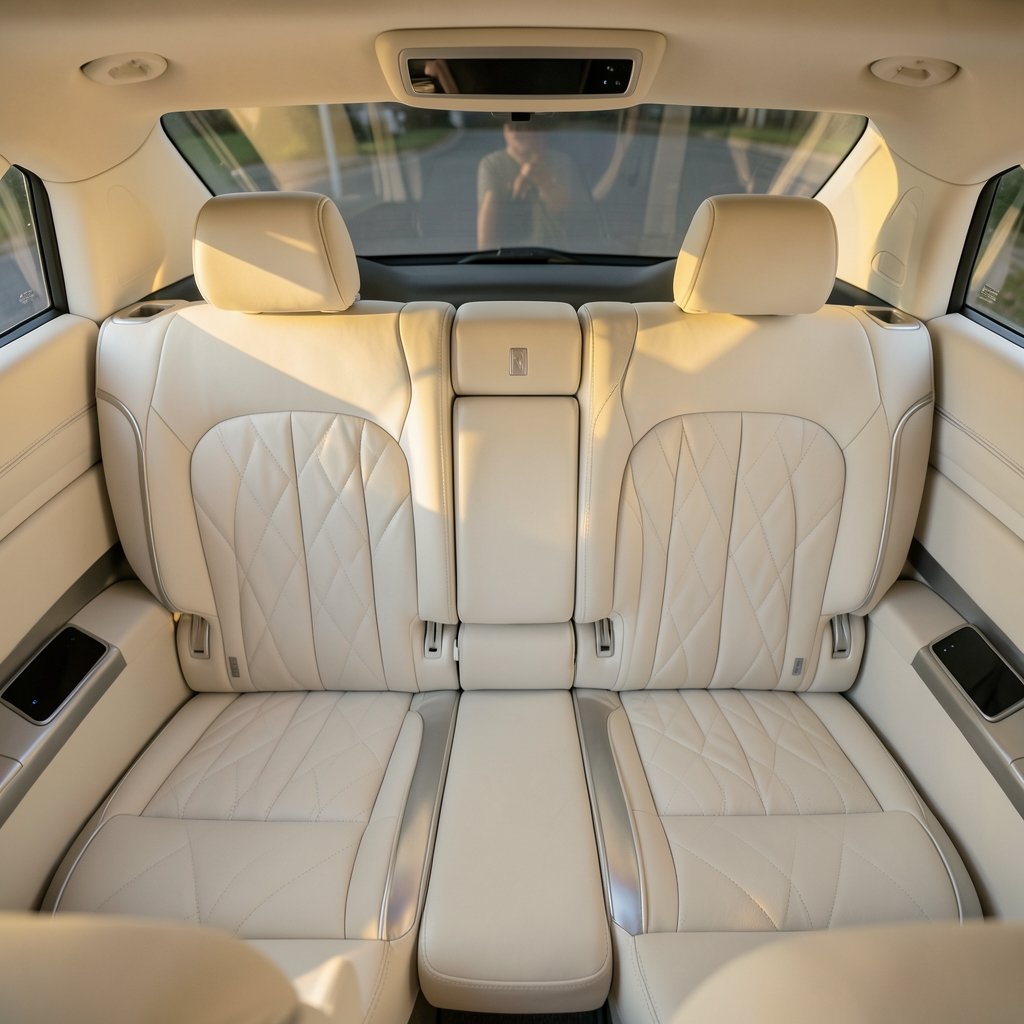
Before judging the 2027 car, it helps to remember how much the current 7 Series already carries. The G70 arrived with a genuinely radical interior for BMW, and most of it will likely survive the facelift.
The headline feature is the Theatre Screen: a 31-inch, 8K rear-seat display that folds down from the headliner, paired with touchscreens built into the rear doors. It is the kind of feature that sounds like marketing fluff until you sit in the back on a long drive. It also tells you who BMW thinks buys this car. In many markets, the 7 Series is a chauffeur car first and a driver’s car second.
The G70 also launched as a package with the i7, the battery-electric version of the 7 Series. The i7 arrived alongside the combustion car in 2022, initially as the i7 xDrive60, with the higher-output i7 M70 added later. That parallel launch was a statement: BMW wasn’t treating electric power as a separate model line bolted on years afterward.
One thing that is definitively gone is the V12. The M760i xDrive V12 ended with the previous G11 generation, and the G70 launched without one. If a twelve-cylinder flagship is non-negotiable for you, the 2027 car will not deliver it, facelift or not.
Powertrains: Broad Choice, Uncertain Details
The G70 family spans petrol, diesel, plug-in hybrid and battery-electric power. That breadth is one of the 7 Series’ quiet advantages over rivals that force you into a single direction.
| Powertrain type | Status in the G70 range | 2027 outlook |
|---|---|---|
| Petrol inline-six and V8 | Available at launch | Likely carried over with minor updates |
| Diesel | Offered in select markets | Market-dependent, unconfirmed |
| Plug-in hybrid | Part of the lineup | Expected to continue |
| Battery-electric (i7) | i7 xDrive60, i7 M70 | Expected to continue, specs unconfirmed |
What is not confirmed is exactly how the 2027 lineup changes. BMW has not published final trim or output figures, and any number you see online right now should be checked against the official configurator at the time you order. This is a common trap: enthusiasts repeat “leaked” spec sheets as fact, and buyers walk into dealerships quoting figures that don’t exist.
A practical tip that actually works: when a facelift is imminent, ask the dealer directly whether the car you’re configuring is a pre-LCI or LCI build. Sales staff often know the changeover date weeks before it’s public, and the answer affects resale value more than any single option.
Neue Klasse: Speculation Versus Confirmed Fact
This is where the 2027 7 Series conversation gets messy, and where a lot of published content goes wrong.
BMW’s Neue Klasse architecture is expected to underpin future BMW electric models from around 2025–2026. It is a big deal: a new platform, new battery technology and a new electronics approach. The obvious question is whether the 2027 7 Series adopts it.
The honest answer is that this is unconfirmed. BMW has not stated that the 2027 7 Series will ride on Neue Klasse. Analysts and media outlets speculate about it constantly, and speculation has a way of hardening into “fact” after enough repetition. It hasn’t become fact.
The safer assumption for a mid-cycle update is that the 2027 car continues on evolved G70 underpinnings, with Neue Klasse technology arriving in the next full generation. That’s how BMW has historically handled LCIs. But treat it as an expectation, not a promise.
The same caution applies to the broader tech landscape. Speculation runs hot on everything from platform strategy to AI, and the pattern is familiar to anyone following the Nvidia RTX 60 series launch timing discussion, where rumored roadmaps get reported as certainties. Good buying decisions come from confirmed information, not from enthusiastic forums.
Automated Driving: Real, but Regulated
BMW announced its Personal Pilot L3 system for the 7 Series in 2023, initially for Germany. It is a Level 3 system, meaning the car can handle certain driving tasks while the driver remains available to take over.
Two caveats matter for 2027 buyers. First, Level 3 approval is country-by-country, and regulations shift. Second, availability by 2027 is uncertain. A feature that is legal and offered in one market may be unavailable, restricted or renamed in another.
If hands-off highway driving is a priority, verify three things before signing: whether the system is approved where you live, which roads it works on, and whether it’s a subscription or a one-time option. Buyers routinely assume L3 is a standard fitment on a flagship sedan. It usually isn’t.
Design and Interior: What a Facelift Usually Changes
BMW has not released 2027 design details, so the sensible approach is to reason from how the company has handled past LCIs.
Expect the following categories of change:
- Front and rear styling. Revised bumper shapes, possibly a new grille treatment and updated light graphics. The G70’s bold face divided opinion, so a facelift is a natural moment to soften or sharpen it.
- Interior materials and trim. New color and trim options are near-certain. Flagship sedans live on personalization.
- Software and interface. BMW’s operating system and screen interface get updated regularly. This is often the most noticeable change in daily use, even though it photographs poorly.
- Wheel designs and exterior colors. Low-cost, high-visibility changes that help dealers sell the refreshed car.
- Driver-assistance refinements. Sensor and software upgrades rather than new hardware.
What’s less likely is a wholesale interior redesign. The Theatre Screen and rear-door touchscreens are expensive engineering, introduced in 2022, and BMW will want more return on that investment before replacing them.
Common Mistakes Buyers Make
A few pitfalls come up again and again with flagship sedans nearing a facelift.
Paying full price on old stock. Dealers holding pre-facelift cars often have room to move, especially near the changeover. Ask what’s on the lot and what’s incoming.
Ordering options you’ll never use. The Theatre Screen is spectacular, but if nobody sits in the back, it’s dead weight on the invoice and on resale. Be honest about how the car gets used.
Assuming the i7 and the 7 Series are the same purchase. They share a body, but charging, servicing, incentives and running costs differ sharply by region. Run the numbers for your own situation rather than trusting a general “EVs are cheaper” claim.
Ignoring the outgoing model’s discounts. A well-optioned pre-facelift car at a strong discount is often the smarter financial move. Facelifts rarely transform the driving experience.
Trusting unverified spec sheets. If a number isn’t from BMW’s own materials, treat it as a rumor. This applies to power outputs, range figures and pricing alike.
Should You Wait for the 2027 Model?
It depends on why you’re buying.
If you want the newest look, the latest software and the best resale position in three years, waiting for the facelift makes sense. Facelifted cars hold value better in the first years of ownership simply because they’re identifiable as the newer version.
If you want maximum metal for your money, the opposite is true. A pre-facelift G70, particularly one that’s been sitting on a lot, is where the discounts live. The mechanical package is essentially the same, and the Theatre Screen, the i7 option and the chassis don’t change because the bumper did.
If you’re specifically waiting for a Neue Klasse-based 7 Series, that’s a different and longer wait. The 2027 car is very unlikely to be that car.
Conclusion
The 2027 BMW 7 Series is best understood as a refreshed G70, not a reinvention. The current generation arrived in April 2022 with the Theatre Screen, a parallel electric i7 and a genuinely broad powertrain range, and it lost the V12 along the way. The 2027 update should sharpen that package with styling tweaks, updated software and revised trims, while the bigger architectural questions, including Neue Klasse, remain unconfirmed.
The practical takeaway is simple. Confirm every specification against BMW’s official materials before you order, ask your dealer directly about the pre-LCI versus LCI changeover, and decide whether you’re buying the newest version or the better deal. Those two goals rarely point to the same car.
FAQ
Is the 2027 BMW 7 Series a new generation?
No. The current generation is the G70, unveiled on 20 April 2022 and launched from late 2022. The 2027 model year is expected to be a mid-cycle facelift, known internally as an LCI, rather than an all-new generation. BMW has not confirmed exact reveal or on-sale dates.
Will the 2027 7 Series have a V12 engine?
No. The V12 ended with the previous G11 generation, and the M760i xDrive V12 was not carried over to the G70. The 2027 facelift is not expected to bring it back.
Does the 2027 7 Series use the Neue Klasse platform?
This is unconfirmed. BMW’s Neue Klasse architecture is expected to underpin future electric models from around 2025–2026, but the company has not stated that the 2027 7 Series will adopt it. Media speculation should not be treated as fact.
What is the Theatre Screen in the BMW 7 Series?
It’s a 31-inch, 8K rear-seat display that folds down from the headliner, paired with touchscreens in the rear doors. It debuted with the G70 generation in 2022 and is expected to carry over to the 2027 update.
Is the BMW i7 the same car as the 7 Series?
They share the same body and platform family. The i7 is the battery-electric version, launched alongside the G70 in 2022 as the i7 xDrive60, with the higher-output i7 M70 added later. Running costs, charging and incentives differ substantially from the combustion models.
Should I buy the current 7 Series or wait for the 2027 model?
If resale value and the newest styling matter most, waiting makes sense. If value for money matters more, a pre-facelift G70 near the changeover is often the better financial decision, since the mechanical package and interior features largely carry over.



