
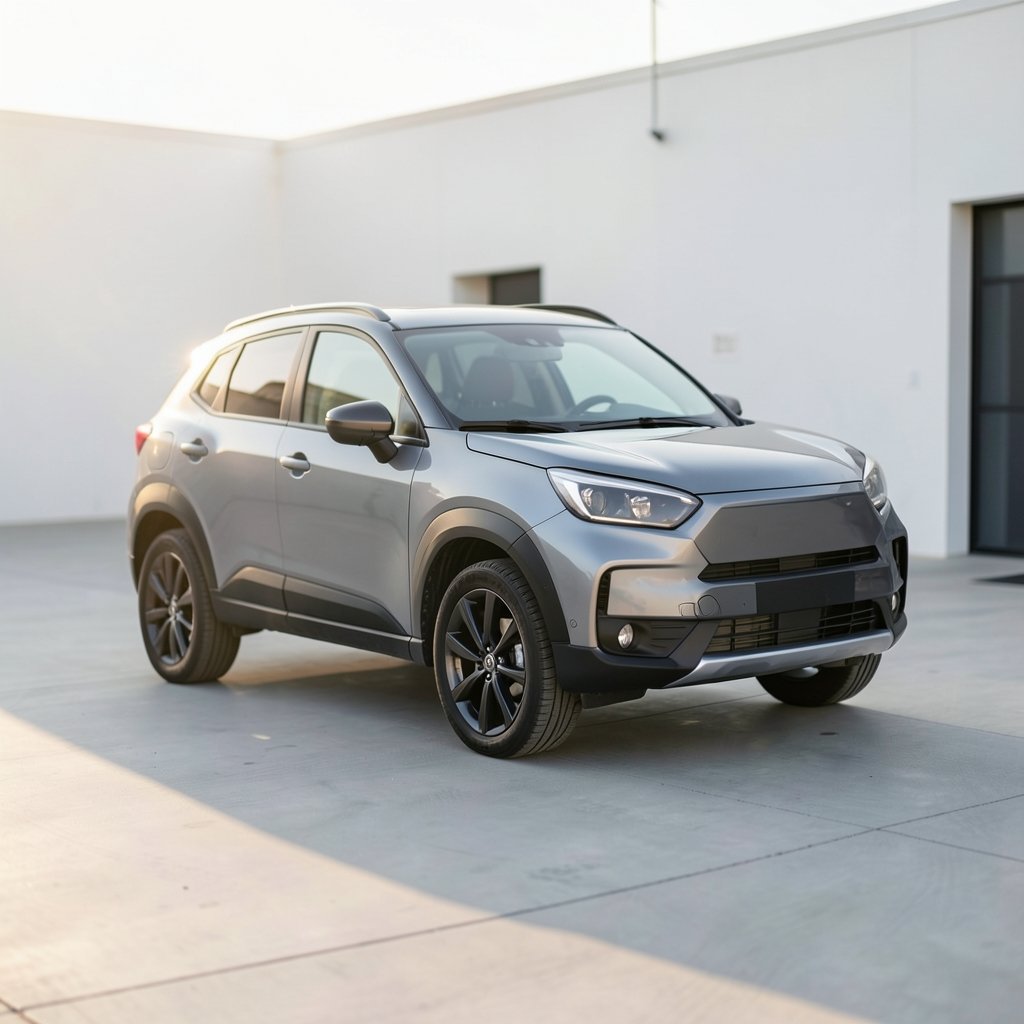
What happens when the sensible choice in the compact SUV aisle gets a hybrid heart and a third model year of a fresh redesign? That is the question hanging over the 2027 Subaru Forester, and it matters to anyone cross-shopping a RAV4, CR-V, or CX-50 right now. The honest answer is that a lot is known about the platform, the powertrains, and the safety hardware, but plenty about the 2027 model year specifically is still unconfirmed. This guide separates what is solid from what is speculation, so you can plan a purchase without being misled by rumor.
Where the 2027 Forester Fits in the Lineup
Subaru introduced the sixth-generation Forester for the 2025 model year, with the U.S. launch announced in late 2023 and vehicles reaching dealers in 2024. That makes 2027 the third year of the generation, a spot in a model’s life cycle that usually brings small refinements rather than big changes. Historically, third-year updates tend to be equipment reshuffles, new paint colors, and software tweaks, not new sheet metal.
That framing is useful because it sets expectations. If you are waiting for the 2027 Forester to be dramatically different from a 2026, that is unlikely. If you are waiting to see whether early-production quirks have been ironed out, the 2027 model is well positioned. Third-year cars often benefit from the quiet fixes automakers make without announcing them.
Subaru’s lineup logic also matters here. The Forester sits below the Outback in size and price, above the Crosstrek, and shares its brand identity with both: standard all-wheel drive, generous visibility, and a focus on safety. Buyers who like that formula tend to stay loyal, and the Forester is one of the brand’s volume leaders.
The Powertrain Picture, Including the Hybrid Question
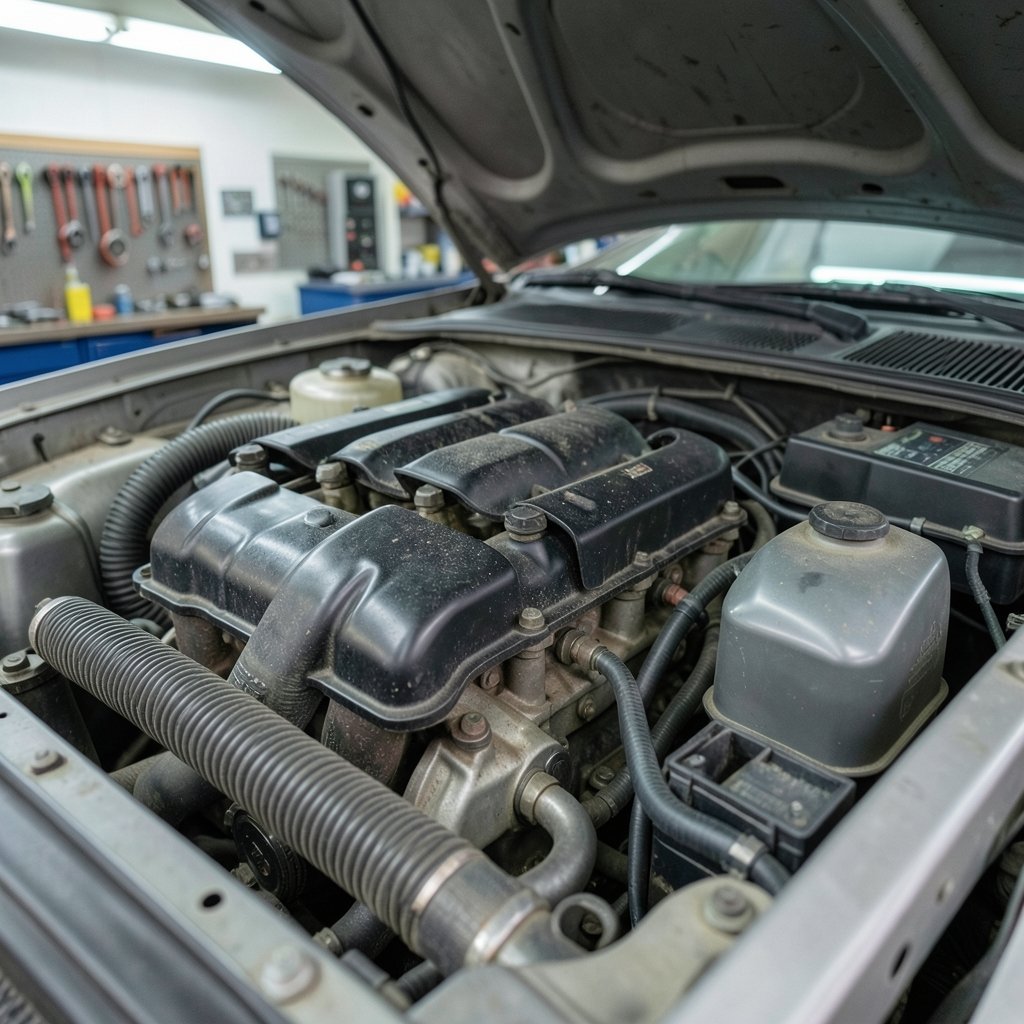
The non-hybrid 2025 Forester uses a 2.5-liter flat-four engine, known internally as the FB25, paired with a continuously variable transmission and producing roughly 180 horsepower. Whether the 2027 model changes that setup is not something that can be stated with confidence. Treat any specific 2027 horsepower or torque figure you see online as unverified until Subaru publishes it.
The bigger story is the hybrid. Subaru has announced a Forester Hybrid built around a Toyota-derived hybrid system, expected in the 2025 to 2026 timeframe in the U.S. Whether the 2027 Forester carries that system unchanged, gets a revised version, or expands it to more trims is genuinely uncertain.
Here is what that uncertainty means in practice:
- If you need a car this year: do not wait for unannounced 2027 details. Buy the hybrid or gas model that exists now.
- If you can wait: a 2027 model year is a reasonable bet for broader hybrid availability and better supply, but that is a forecast, not a promise.
- If fuel economy is your top priority: the hybrid is the version to watch, and official ratings should come from the EPA’s fuel economy database by model year rather than from dealer claims.
A practical tip from watching model-year rollouts: automakers frequently expand a popular powertrain to lower trims in the second or third year. If the hybrid launched only on mid and upper trims, a cheaper hybrid variant is a plausible 2027 development, but it is speculation until confirmed.
Platform, Ride, and the Wilderness Variant
The sixth-generation Forester rides on an evolved version of the Subaru Global Platform with improved structural rigidity. In plain terms, that usually translates to a quieter cabin, fewer rattles over broken pavement, and sharper responses in emergency maneuvers. Those are the kinds of improvements you feel on a test drive more than you read on a spec sheet.
The Wilderness question is the one enthusiasts ask most. A Forester Wilderness existed in the fifth generation, and Subaru has signaled a sixth-generation version. Whether it arrives by the 2027 model year cannot be confirmed. If a Wilderness does land, expect the familiar formula: raised ride height, all-terrain tires, reinforced roof rails, and revised bumpers for better approach and departure angles.
For most buyers, the more relevant trims are the mainstream ones. The 2025 launch lineup included Base, Premium, Sport, Limited, and Touring. Trim changes for 2027 are unknown, but the pattern across the industry is that base trims gain equipment and mid trims absorb features from above.
A quick reality check on trim shopping
| Priority | What to look for | Why it matters |
|---|---|---|
| Budget | Base or Premium | Lowest entry cost, still gets all-wheel drive and safety tech |
| Value | Sport or Limited | More equipment per dollar, better resale appeal |
| Comfort | Touring | Top trim, most features, highest price |
| Capability | Wilderness (if offered) | Off-road hardware, but worse on-road fuel economy |
Do not assume a higher trim is automatically better for you. The Sport trim often rides firmer, which some drivers love and others find tiring on long commutes. Test drive at least two trims before deciding.
Safety and Driver Assistance
EyeSight, Subaru’s driver-assist suite, is standard across trims, and the sixth-generation Forester added a wider-angle camera. That wider field of view matters because it improves detection of pedestrians and cyclists at intersections, which is exactly where many low-speed collisions happen.
Independent crash-test ratings are the numbers to check rather than marketing language. The Insurance Institute for Highway Safety publishes ratings by vehicle and model year, and the National Highway Traffic Safety Administration publishes crash-test results and recall data. Both are worth checking the week you plan to buy, since ratings and recalls change.
A common mistake buyers make is assuming standard safety tech means identical safety tech. Camera-based systems behave differently in rain, fog, and direct sun. If you regularly drive in bad weather, pay attention to how the system behaves during your test drive, and ask whether the vehicle has sensors that complement the cameras.
Technology and Everyday Usability
Subaru’s infotainment has improved steadily across generations, and the sixth-gen Forester benefits. Expect a large touchscreen on most trims, wireless smartphone mirroring on higher trims, and a mix of physical and touch controls. The best advice here is unglamorous: sit in the car and use the climate controls and radio without reading a manual. If it frustrates you in the showroom, it will frustrate you for years.
This is also where broader tech trends creep in. Automakers are increasingly treating software features as subscription items and building more connected services into new cars. If you are evaluating how a modern vehicle’s digital layer works, the same principles that apply to chatbot features that matter in 2027 apply to car software: focus on what you will actually use daily, and ignore the feature list padding.
Practical checks worth doing on the lot:
- Pair your phone and make a call with the engine running.
- Test the backup camera in bright sun and in a dark garage.
- Try the voice controls with your normal speaking voice, not a rehearsed command.
- Check whether navigation requires a subscription after a trial period.
Pricing, Value, and What to Budget
Reliable 2027 Forester pricing does not exist yet, and any figure you see quoted as fact should be treated with suspicion. What can be said is that the Forester competes in the heart of the compact SUV market, where transaction prices move with incentives, interest rates, and inventory.
A few budgeting realities apply regardless of the sticker:
- Destination fees add meaningfully to the advertised price.
- Trim creep is real. The jump from Premium to Limited often costs more than buyers expect once taxes are included.
- Insurance varies by trim and powertrain. Get a quote before you sign, not after.
- Hybrids usually carry a premium that takes several years of fuel savings to recover, depending on your annual mileage.
If you are weighing a Forester against a tech-forward competitor, it helps to understand how modern vehicles are actually built and compared. Broader context on how leading AI chatbots from GPT-5 to Claude compare under the hood is a reminder that “newest” and “best for you” are different questions, and the same logic applies to car platforms and powertrains.
How the 2027 Forester Compares to Rivals
The compact SUV segment is brutally competitive. Here is a fair, high-level comparison based on what is publicly established about each nameplate’s general positioning, not on unverified 2027 specifics.
| Factor | Forester | Typical Rival Compact SUV |
|---|---|---|
| All-wheel drive | Standard across trims | Often optional or trim-dependent |
| Visibility | Generous glass area, boxy shape | Varies; many rivals slope rooflines |
| Hybrid | Announced, Toyota-derived system | Widely available on some rivals |
| Off-road trim | Wilderness (fifth-gen precedent) | Limited or none |
| Cargo shape | Tall, squared-off opening | Often sleeker but less tall |
The Forester’s traditional advantages are visibility, a tall cargo opening, and standard all-wheel drive. Its traditional weakness has been powertrain refinement and fuel economy compared with hybrid-heavy rivals. The hybrid changes that calculus if it is available on the trim you want.
If you are cross-shopping and want to understand how modern product comparisons are made without getting lost in spec-sheet noise, the same discipline that helps you judge which AI chatbots actually serve e-commerce stores applies here: match the tool to the job, not to the marketing.
Buying Advice That Actually Helps
First, decide whether you are buying a car or waiting for a rumor. If your current vehicle is failing, the 2027 model year timeline may not serve you. If you have time, waiting for confirmed 2027 details costs you nothing but patience.
Second, verify model-year timing by market. U.S., Japanese, and European launches do not always align, and a feature available in one market may not appear in another. Do not assume a Japanese press release describes the U.S. car.
Third, get everything in writing. If a salesperson tells you the 2027 will have a specific feature, ask them to show you the official document. Verbal promises about future model years are worth very little.
Fourth, drive the current car. The 2026 Forester is the closest proxy for the 2027, and driving it tells you more about seat comfort, road noise, and visibility than any article can. A practical tip: bring a child seat or a large suitcase to the test drive. Dealership lots are forgiving; real life is not.
Finally, watch for the classic mistakes. Buyers routinely overpay for features they never use, underestimate insurance and registration costs, and skip the pre-purchase inspection on used alternatives. On new cars, the equivalent mistake is failing to negotiate the out-the-door price rather than the monthly payment. Monthly payment framing hides fees, and it is the oldest trick in the business.
Conclusion
The 2027 Subaru Forester is best understood as the third act of a well-regarded redesign, likely refined rather than reinvented. The platform is stiffer, EyeSight is standard with a wider camera, and the hybrid is the headline development, though its exact 2027 configuration remains unconfirmed. Pricing and trim details are open questions, and anyone presenting them as settled fact is guessing.
For shoppers, the sensible play is straightforward. If you need a vehicle soon, buy the current model year and negotiate hard. If you can wait, keep an eye on official announcements and verify fuel economy and safety ratings as they publish. Either way, drive the car, check the out-the-door price, and trust documents over promises. The Forester’s appeal has always been quiet competence, and nothing about the 2027 model year appears likely to change that.
FAQ
When does the 2027 Subaru Forester go on sale?
Subaru has not publicly confirmed a specific 2027 Forester on-sale date. As a rule, new model years reach U.S. dealers in the second half of the prior calendar year, but timing varies by market and by production schedule. Check with a dealer for current allocation information rather than relying on a fixed date.
Will the 2027 Forester have a hybrid option?
Subaru has announced a Forester Hybrid using a Toyota-derived hybrid system, expected in the 2025 to 2026 timeframe in the U.S. Whether the 2027 model carries it unchanged or expands it to more trims is not confirmed. Buyers should verify availability and pricing with a dealer once official information is released.
How much horsepower does the 2027 Forester have?
The non-hybrid sixth-generation Forester uses a 2.5-liter flat-four engine producing roughly 180 horsepower. Subaru has not published confirmed 2027 output figures, and hybrid output may differ. Treat any specific 2027 horsepower number you see online as unverified until Subaru confirms it.
Is the 2027 Forester a good family car?
Based on the sixth-generation design, the Forester offers generous visibility, a tall cargo opening, standard all-wheel drive, and standard EyeSight driver assistance. Those traits suit families well. Independent crash-test ratings and real-world cargo checks during a test drive are the best way to confirm it fits your needs.
Will there be a 2027 Forester Wilderness?
A Forester Wilderness existed in the fifth generation, and Subaru has signaled a sixth-generation version. Whether it arrives by the 2027 model year cannot be confirmed. If it does, expect raised ride height, all-terrain tires, and reinforced roof rails, along with lower on-road fuel economy.
Should I wait for the 2027 Forester or buy now?
It depends on your timeline. If your current vehicle is unreliable, buying a 2026 model now is the practical choice. If you can wait, the 2027 model year may bring broader hybrid availability and improved supply, though those outcomes are forecasts rather than guarantees. Drive the current model first to confirm you like the fundamentals.



