
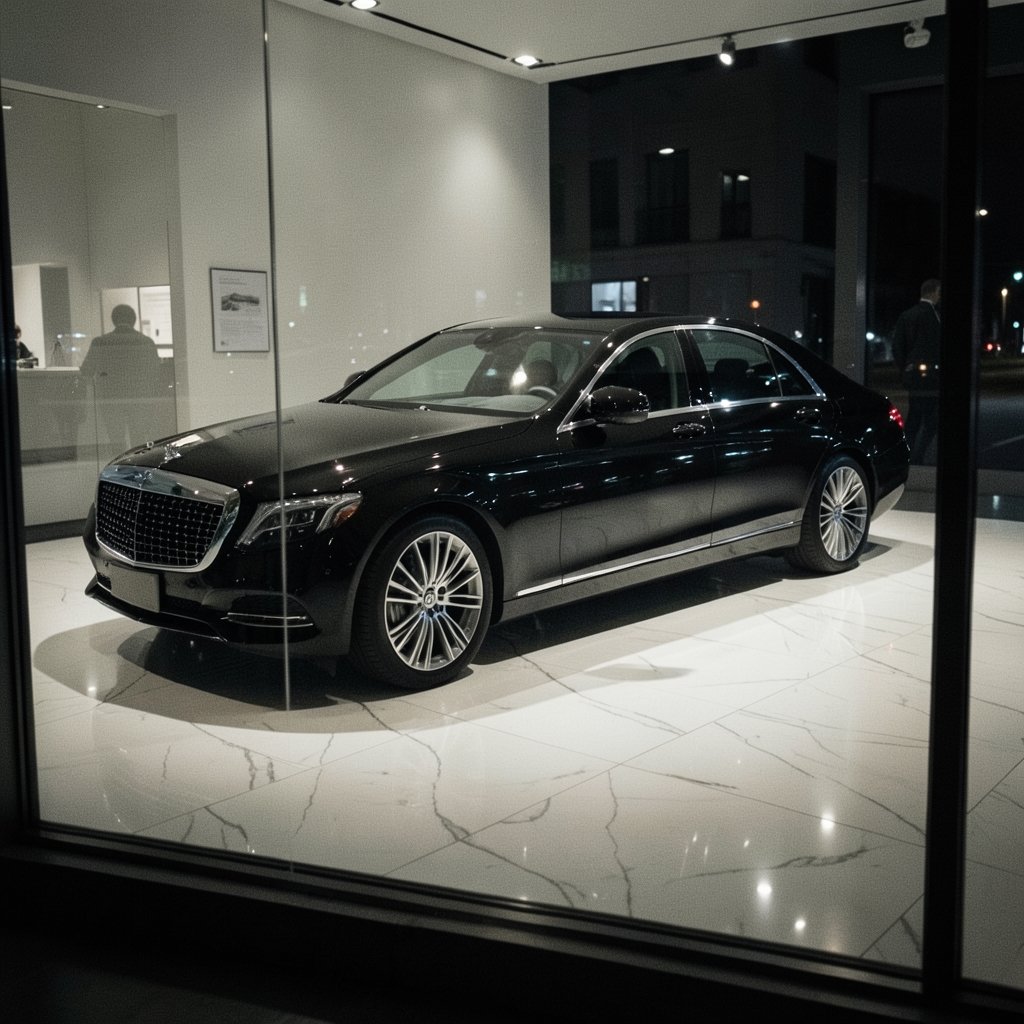
Is the 2027 Mercedes S-Class a brand-new car, or just a refreshed version of the sedan already sitting in showrooms? That question matters more than it sounds. Buyers who assume “new model year” means “new generation” often wait months for a car that turns out to be a lightly updated version of the current one. Getting the answer right saves money, time, and a fair amount of disappointment. (10 best ai chatbots e commerce 2027 that rescue abandoned)
Here is the short version. The 2027 S-Class is best understood as a later-cycle version of the current W223 generation, which debuted in September 2020 and went on sale in 2021. Mercedes has been widely expected to give that car a mid-cycle facelift, and the 2026 to 2027 model years are the window most often discussed. An all-new S-Class generation has been reported for roughly 2028 to 2030. So if you are shopping for a 2027 model, you are almost certainly looking at a refined W223, not a clean-sheet redesign. (10 best ai chatbots gpt 5 claude under hood 2027)
That is not a downgrade. It is just a different purchase decision, and it deserves a clear-eyed look.
What the 2027 model year actually means
Model years and generations are two different clocks, and car buyers mix them up constantly. A generation is the big architectural reset: new platform, new body, new electronics. A model year is the annual refresh cycle, which can range from a new paint color to a fully reworked dashboard.
For the S-Class, the generation clock started in 2020. The model year clock keeps ticking every year regardless. A 2027 badge on an S-Class therefore tells you the car was built to 2027 specifications. It does not tell you the car was redesigned from scratch. (Best ai translation tools 2027 deepl vs chatgpt vs google)
This distinction has real financial consequences. Facelifted cars typically hold value better than the last model year before a redesign, because they carry the visual and tech updates that make the older version look dated. Buyers who know a redesign is coming in a few years can also negotiate harder on the outgoing shape.
One practical tip: ask the dealer for the build date and the generation code rather than only the model year. That single question cuts through most of the confusion.
The facelift: what to expect and what to ignore
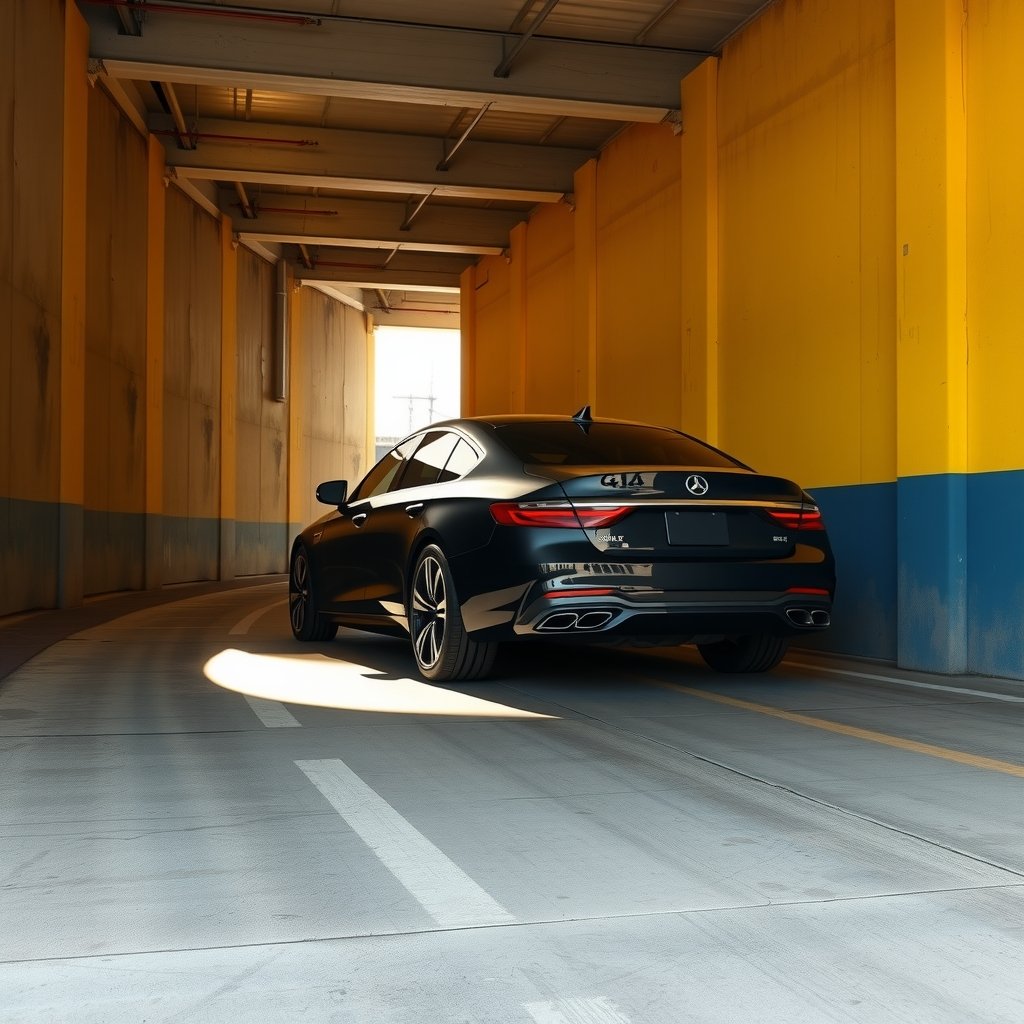
Mid-cycle facelifts on flagship sedans follow a predictable playbook. Revised headlights and taillights, a tweaked grille, new bumper surfacing, fresh wheel designs, and an updated interior with the latest infotainment hardware. Underneath, the platform and most of the structure stay put.
For the W223, the headline hardware is already strong. The current car introduced rear-axle steering with up to roughly 10 degrees of steering angle, which shrinks the turning circle of a very long sedan in a way you notice immediately in parking garages. It also brought E-Active Body Control, an active suspension system that leans the car into corners and levels it over rough surfaces.
A facelift would likely carry both systems forward rather than replace them. The bigger changes usually land in software, screen layout, driver-assistance tuning, and materials.
What should you ignore? Any specific horsepower figure, range number, or price attached to a “2027 S-Class” without a primary source behind it. Those numbers circulate constantly in forums and aggregator sites, and they are frequently recycled from the current car or simply invented. Until Mercedes publishes specifications, treat them as rumors.
Powertrains: evolution, not revolution
The current S-Class lineup covers a lot of ground. There are inline-six and V8 mild-hybrid petrol engines, a plug-in hybrid in the S 580e, and a diesel in some markets. A 2027 update would most likely refine these units for efficiency and emissions compliance rather than swap them out.
That matters for how you shop. If you want the plug-in hybrid for short electric commutes and gas power for long trips, the formula is already proven in the current car. If you want the V8 for effortless cruising, that option exists today. Waiting for 2027 is unlikely to bring an entirely new engine family.
The electric question comes up in every conversation about this car. Mercedes’ electric flagship is the EQS, launched in 2021 and sold alongside the S-Class rather than as its replacement. Reports have suggested the two lines could eventually converge, but nothing is confirmed. Anyone telling you the 2027 S-Class is fully electric is guessing.
Level 3 automation: the state-by-state catch
This is where the S-Class genuinely leads, and also where the fine print gets thick.
Mercedes launched DRIVE PILOT, a conditionally automated SAE Level 3 system, on the S-Class in Germany in 2022 after receiving regulatory approval. Level 3 means the car can handle the driving task under specific conditions, and the driver is allowed to take their eyes off the road, though they must remain available to take over when prompted.
In the United States, whether a 2027 S-Class can actually use Level 3 features depends on state law rather than only the hardware. California and Nevada approved limited use, and the legal rules are still changing. A car sold in one state may not legally operate the same system in another.
The practical advice here is blunt: before you pay for any automated driving package, confirm the current legal status in your state and ask the dealer to show you the feature working in the exact conditions you will drive in. A demonstration on a sunny highway tells you nothing about fog, rain, or construction zones.
Chassis and comfort: the parts that age well
Flagship sedans earn their reputation on the things that do not show up in a spec sheet. Ride quality over broken pavement. Seat support on a four-hour drive. How quiet the cabin stays at highway speed.
The W223 was engineered around exactly those priorities, and a facelift rarely walks them back. Rear-axle steering remains the standout party trick, because it changes the car’s character in tight spaces. E-Active Body Control remains the standout comfort feature, because it makes rough roads feel shorter than they are.
If you are cross-shopping, test the S-Class on the worst road near the dealership, not the smoothest. That is where the suspension earns its price. And sit in the back seat for at least five minutes, because a meaningful share of these cars are bought for the rear passenger, not the driver.
How the 2027 S-Class compares to its rivals
The flagship sedan segment is small but fierce. Here is a plain-language comparison based on what each car is known for, without inventing 2027 specifications for any of them.
| Factor | Mercedes S-Class | Typical rival approach |
|---|---|---|
| Reputation | Comfort and rear-seat luxury | Varies by brand focus |
| Level 3 automation | Certified in Germany since 2022 | Limited or regional programs |
| Rear-axle steering | Available on current generation | Offered on some competitors |
| Electric variant | Separate EQS model line | Some rivals offer one sedan with both |
| Redesign timing | Next generation reported 2028 to 2030 | Brand-specific cycles |
The takeaway from that table is simple. The S-Class competes on refinement and on being early to certified automation. If a single car that offers both gas and electric power matters more to you than rear-seat comfort, a rival might fit better.
Buying advice that actually helps
Most buying mistakes with a car like this are timing mistakes, not spec mistakes. Here is what tends to work in practice.
- Confirm the generation and build date before discussing price. Model year alone is not enough information.
- Decide whether you are buying the facelift or waiting for the redesign. Both are valid, but they are different budgets.
- Verify the legal status of any Level 3 feature in your state before paying for it.
- Test the suspension on bad roads and the seats on a long sit, not a short one.
- Get the warranty and service terms in writing, especially for hybrid components.
- Ignore any performance or price figure you cannot trace to an official source.
The most common mistake is anchoring on a rumored number. Someone reads that the 2027 car will have a specific output or a specific price, plans around it, and then discovers the real car is different. Treat unconfirmed figures as noise until the manufacturer speaks.
A second common mistake is over-optioning. Flagship sedans offer long options lists, and it is easy to add thousands in features you will use twice. Build the car around your actual weekly routine, not your fantasy road trip.
Where the S-Class sits in the wider tech story
It is worth stepping back for a moment. The features that make this car interesting, from conditional automation to active suspension, are the same technologies reshaping everything from retail to translation. Buyers who follow consumer tech generally will recognize the pattern: hardware improves in steps, software improves continuously, and the marketing always runs ahead of both.
That is why a facelift matters more than it used to. When the biggest changes are in software and sensors, a mid-cycle update can deliver a genuinely different experience even if the sheet metal barely moves. It is also why the honest answer to “should I wait for the 2027 model” depends on what you value. If you want the newest driver-assistance tuning, waiting has a case. If you want the proven car at a better price, the current model year is the smarter buy.
Conclusion
The 2027 Mercedes S-Class is most likely a refined version of the current W223 generation, not an all-new car. That generation arrived in 2020, brought rear-axle steering and E-Active Body Control to the lineup, and earned a genuine first with certified Level 3 automation in Germany in 2022. A facelift in the 2026 to 2027 window would polish those strengths rather than reinvent them, and a true redesign has been reported for around 2028 to 2030.
So the real question is not whether the 2027 car is new. It is whether you want the polished version of a proven sedan or the current version at a sharper price. Answer that honestly, verify every number against an official source, and check your state’s rules before paying for automation. Do those three things and you will make a better decision than most buyers in this segment.
FAQ
Is the 2027 Mercedes S-Class a completely new generation?
No, most likely not. The current W223 generation launched in September 2020 and went on sale in 2021. A 2027 model year car is expected to be a later-cycle version, possibly with a mid-cycle facelift. An all-new generation has been reported for roughly 2028 to 2030, though that timing is not confirmed.
Will the 2027 S-Class be electric?
Probably not as a standalone electric model. Mercedes sells the EQS as a separate electric flagship alongside the S-Class. Reports have suggested the two lines could eventually converge, but nothing is confirmed. The 2027 S-Class is expected to continue with hybrid and plug-in hybrid powertrains.
Can the 2027 S-Class drive itself?
It can offer conditional automation, not full self-driving. Mercedes launched DRIVE PILOT, an SAE Level 3 system, on the S-Class in Germany in 2022 after regulatory approval. In the United States, use depends on state law, and only a limited number of states had approved it. Always confirm current legal status where you live.
What is rear-axle steering and why does it matter?
Rear-axle steering turns the back wheels slightly, up to roughly 10 degrees on the current S-Class. At low speeds the rear wheels counter-steer to shrink the turning circle, which makes a long sedan far easier to park. At higher speeds they can steer with the front wheels for stability.
Should I wait for the 2027 model or buy now?
It depends on your priorities. If you want the latest driver-assistance tuning and interior updates, waiting for the facelift makes sense. If you want a proven car at a potentially better price, the current model year is the smarter buy. Either way, confirm the generation and build date before negotiating.
Are there confirmed 2027 S-Class prices or horsepower figures?
Not from any reliable primary source. Specific performance, range, and price numbers for a 2027 model should be treated as unconfirmed until Mercedes publishes them. Figures circulating in forums and aggregator sites are often recycled from the current car or simply guessed.



