

What if the most important thing about the Toyota RAV4 2027 is not what it adds, but what Toyota refuses to change? That question runs through every rumor thread, forum debate, and dealership whisper about the next RAV4. The compact SUV has been a bestseller for years, and any redesign matters to families, commuters, and fleet buyers. The trouble is that most of what circulates online about the 2027 model mixes speculation, misread filings, and wishful thinking.
This article separates what is solid from what is still guesswork. It covers the current generation’s timeline, why a 2027 model year matters, what a redesign would likely touch, and the practical mistakes shoppers make when planning around an unconfirmed vehicle.
Why the 2027 RAV4 Draws So Much Attention
The RAV4 is not a niche product. It is one of the highest-volume compact SUVs in the world, and its buyer base spans first-time owners, growing families, and commercial fleets. That scale means even a modest update generates outsized interest.
There is also a timing story. The current-generation RAV4 arrived for the 2019 model year in the United States. A hybrid version followed for 2021, and a plug-in hybrid variant, sold as the RAV4 Prime, also arrived for 2021. By the mid-2020s, that platform was aging relative to fresher rivals. A typical vehicle generation runs roughly six to eight years before a full redesign, which puts the late 2020s squarely in the window when a new generation would be expected.
That math, not an official announcement, is why “2027 RAV4” became a search term. Enthusiasts took a reasonable assumption, added a model year, and the label stuck.
The Honest Status of 2027 Claims
Here is the part many articles skip: there is no confirmed, officially detailed 2027 RAV4 with published specifications, pricing, or a launch date. Treat any specific horsepower figure, trim lineup, or sticker price you see attributed to a 2027 RAV4 as unverified until it appears in an official corporate announcement or a government filing.
That does not mean the topic is empty. It means the useful conversation is about expectations, timing, and how to prepare, not about invented spec sheets.
What the Current Generation Tells Us
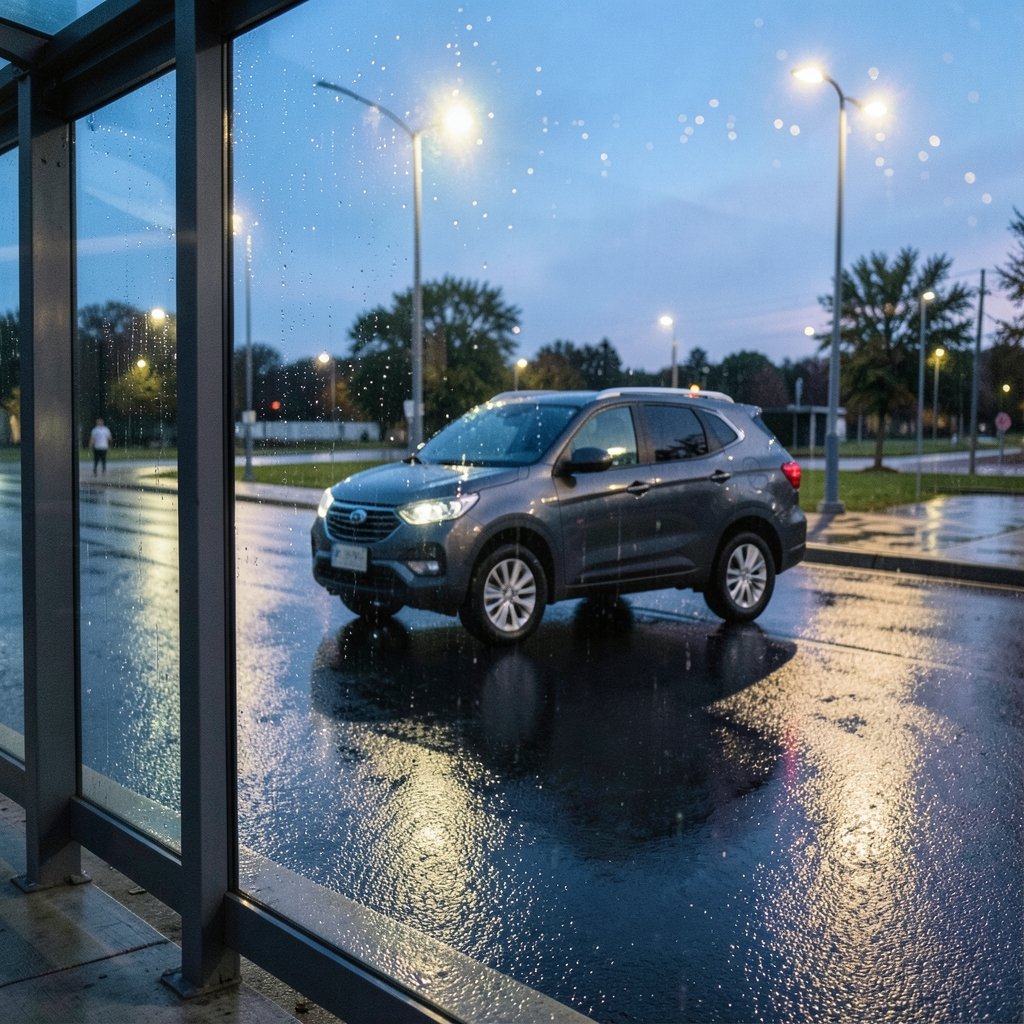
Studying the outgoing RAV4 is the best available guide to what a successor would likely prioritize. The current model built its reputation on a few consistent strengths.
| Attribute | Current-generation pattern | Likely direction for a successor |
|---|---|---|
| Powertrains | Gasoline and hybrid, plus plug-in hybrid | Broader hybrid emphasis, improved plug-in range |
| Efficiency | Hybrid trims consistently strong | Further gains, especially in city driving |
| Interior tech | Gradually updated infotainment | Larger screens, faster processors, wireless connectivity |
| Safety | Standard driver-assist suite | Expanded sensors and more standard features |
| Packaging | Strong cargo and passenger space | Refinement rather than reinvention |
The pattern is clear. Toyota tends to evolve rather than gamble. A next-generation RAV4 would probably keep the formula that works, then sharpen efficiency, cabin technology, and safety content to answer newer competitors.
Why Hybrids Will Likely Dominate
Toyota has spent years pushing hybrids into the mainstream of its lineup rather than treating them as a niche trim. Given that direction, a future RAV4 would almost certainly lean harder on electrified powertrains. Buyers who want a simple gasoline-only compact SUV may find fewer choices over time, not more.
For shoppers weighing powertrain options across brands, the broader market context matters. Comparisons of how different AI-assisted shopping and research tools handle product questions can be surprisingly useful when you are trying to cut through marketing noise, as covered in this breakdown of deepseek vs chatgpt vs gemini judge output quality 2027. The same skepticism applies to car research: verify the source before you trust the number.
The Practical Problem With Waiting for a 2027 Model
A common mistake is treating an unconfirmed future model as a reason to delay a purchase indefinitely. That strategy has real costs.
First, model-year timing is genuinely uncertain. Automakers sometimes announce a model year well before vehicles reach showrooms, and a “2027” label could mean a full redesign, a mid-cycle refresh, or a regional variant that never reaches your market. Without an official source, you cannot know which.
Second, waiting has a price. If your current vehicle needs repairs, or your family has outgrown it, holding out for a car that may not arrive for a year or more often costs more than it saves.
Third, early-production vehicles carry their own risk. The first model year of any redesign tends to have more teething issues than later builds. Buyers who wait for the second or third year of a new generation often get a more polished vehicle.
A Sensible Decision Framework
Use a simple test before committing to the wait.
- Ask whether your current vehicle meets your needs for the next 18 months. If yes, waiting is low-risk.
- Confirm whether any official announcement exists. If not, treat the timeline as unknown.
- Set a personal deadline. If no confirmed details appear by that date, move forward with an available model.
- Compare against what is on lots today, including well-established hybrid options.
- Reassess every few months rather than checking rumor sites daily.
This approach keeps you informed without letting speculation run your finances.
Features Buyers Should Watch For
Even without confirmed specs, the direction of the compact SUV segment is visible. Several features are becoming table stakes rather than luxuries.
Advanced driver assistance is the clearest trend. Automatic emergency braking, lane-keeping support, and adaptive cruise control have moved from optional packages to expected standards. A future RAV4 would likely expand sensor coverage and make more of these systems standard across trims.
Cabin technology is the second front. Larger touchscreens, quicker response times, over-the-air updates, and wireless smartphone integration are now baseline expectations. Toyota has been steadily modernizing its interfaces, and a new generation would be the natural place to close remaining gaps.
Charging and electrification matter most for plug-in shoppers. If a next-generation plug-in hybrid arrives, improved electric-only range and faster charging would be the two numbers to watch. Those are exactly the figures that determine whether a plug-in works as a daily commuter or only as an occasional gas-saver.
Refinement is easy to overlook. Road noise, ride quality, and seat comfort are the things owners live with every day, and they often improve more between generations than headline power figures do.
What Probably Will Not Change
Toyota’s core appeal rests on reliability, resale value, and low running costs. A redesign that abandoned those traits would be a strategic error. Buyers should expect continuity in build quality and dependability reputation, even as the sheet metal and screens change.
How to Research Without Getting Fooled
Car rumors spread fast because they are entertaining. The defense is a short checklist.
Check whether a claim traces back to an official corporate announcement, a government safety or emissions filing, or a credentialed automotive journalist citing a named source. If the trail ends at an anonymous forum post or a render someone made in their spare time, treat it as entertainment.
Watch for the tell-tale signs of fabricated content: precise horsepower and pricing figures with no source, “leaked” images that are clearly digital renders, and articles that describe a future model in the present tense as if it already exists. These are reliable red flags.
The same discipline applies to shopping tools. If you use AI assistants to compare vehicles or summarize reviews, remember they can sound confident while being wrong. Guidance on where chatbots genuinely help and where they fail is worth reading, such as this look at when not to use an AI chatbot in 2027: 7 honest cases. For buyers researching a car that does not exist yet, that caution is doubly important. (10 best ai chatbots gpt 5 claude under hood 2027)
Comparing the RAV4 Against Its Rivals
The compact SUV segment is crowded, and a future RAV4 will be judged against tough competition. The table below frames the comparison in general terms rather than inventing specifications.
| Buyer priority | What to weigh |
|---|---|
| Fuel economy | Hybrid and plug-in options across brands |
| Reliability reputation | Long-term dependability and warranty terms |
| Cabin tech | Screen size, responsiveness, update support |
| Cargo and space | Real-world passenger and trunk measurements |
| Resale value | Historical depreciation patterns |
| Upfront cost | Total cost of ownership, not sticker price alone |
The takeaway is that no single number decides this class. A shopper who prioritizes efficiency will weigh things differently from one who prioritizes cargo volume or off-road trim capability.
The Electrified Competition Angle
Rivals have pushed hard into hybrids and plug-in hybrids, and some have moved faster than Toyota on fully electric options. That pressure is one of the strongest reasons a next-generation RAV4 would emphasize electrification. Competition, not speculation, drives real product decisions.
Buying Advice for Different Shoppers
Different buyers need different answers, and the right move depends on circumstances rather than on rumor cycles.
If you need a car now: buy the best available option that fits your budget and needs. A well-regarded current model with a proven track record usually beats an indefinite wait.
If your current car is fine: waiting costs little. Set a review date, watch for official announcements, and avoid making decisions based on unverified leaks.
If you specifically want a plug-in hybrid: pay close attention to electric range and charging speed when details eventually arrive. Those two figures matter more than most marketing claims.
If you are a fleet buyer: plan around confirmed production and delivery schedules, not model-year labels. Fleet planning punishes optimism.
Practical experience from the sales side is consistent on one point: buyers who research patiently and buy when their need is real tend to be happier than those who chase the next announcement. The car you can test drive today has a known price, known insurance cost, and known reliability record. The car in a rumor thread has none of those.
Conclusion
The Toyota RAV4 2027 is best understood as a question mark with a strong gravitational pull. The current generation launched for 2019, gained hybrid and plug-in hybrid variants for 2021, and is now old enough that a redesign is a reasonable expectation rather than a confirmed plan. No official specifications, pricing, or launch date exist in verified form, and any article that presents them as settled fact is guessing.
For buyers, the practical path is straightforward. Confirm what you actually need, set a decision deadline, verify every claim against an official source, and refuse to let speculation dictate your finances. Whether the next RAV4 arrives as a full redesign, a refresh, or something in between, the shoppers who prepare calmly will make better choices than the ones refreshing rumor pages at midnight.
FAQ
Is the Toyota RAV4 2027 confirmed?
No. There is no officially detailed 2027 RAV4 with published specifications, pricing, or a launch date. Claims presented as confirmed facts should be treated as unverified until they appear in an official corporate announcement or a government filing.
When will a new-generation RAV4 arrive?
That is not officially confirmed. The current generation launched for the 2019 model year, and typical vehicle generations run roughly six to eight years, which places the late 2020s in the expected window for a redesign. An expectation is not an announcement, though.
Will the 2027 RAV4 be hybrid only?
Nothing official supports a hybrid-only lineup. Toyota has steadily expanded hybrid availability across its range, so a future RAV4 would likely lean more heavily on electrified powertrains, but the exact mix of gasoline, hybrid, and plug-in hybrid options is unknown.
Should I wait to buy a RAV4?
It depends on your situation. If your current vehicle meets your needs for the next year and a half, waiting costs little. If you need a car now, buying a proven available model is usually smarter than holding out for an unconfirmed vehicle with an unknown price and timeline.
How can I tell real RAV4 news from rumors?
Trace the claim to its origin. Official announcements, government filings, and reporting that names a credible source are worth attention. Precise horsepower or pricing figures with no source, obvious digital renders labeled as leaks, and articles written in the present tense about a future car are reliable warning signs.
What features are most likely to improve?
The safest bets are the areas where the whole segment is advancing: driver-assistance systems, cabin technology and infotainment speed, powertrain efficiency, and interior refinement. Those tend to improve more between generations than headline power figures do.



