

Can you hop between four Hawaiian islands on a big cruise ship without ever leaving U.S. waters? The answer is yes, but only on one ship. That single fact explains almost everything strange and wonderful about planning a Hawaii cruise in 2027, from why some sailings detour to Mexico to why round-trip Honolulu trips are rarer than you would expect.
Hawaii is one of the most geographically isolated cruise destinations on earth. Every ship that arrives there has crossed at least 2,000 miles of open ocean, and every itinerary is shaped by a century-old set of maritime laws most travelers have never heard of. Understanding those rules before you book will save you money, prevent a nasty surprise at the pier, and help you pick the sailing that actually matches your vacation style.
The One-Ship Rule That Defines Hawaii Cruising
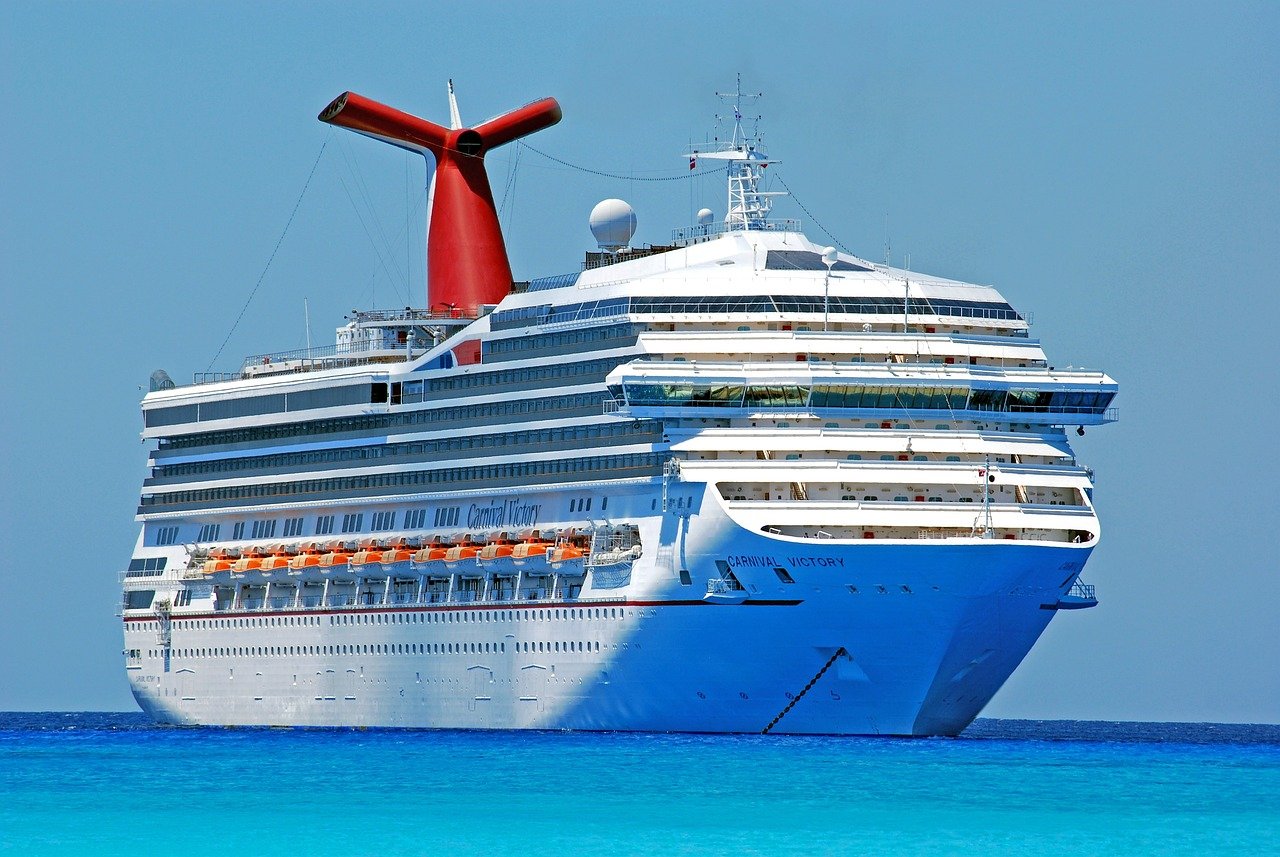
Here is the core fact. The Passenger Vessel Services Act of 1886, codified today at 46 U.S.C. § 55103, bars foreign-flagged passenger ships from carrying travelers between two different U.S. ports unless the ship calls at a foreign port in between. Nearly every large cruise ship in the world flies a foreign flag, so this law applies to almost the entire industry.
What does that mean in practice? A foreign-flagged ship cannot sail a pure round trip from Honolulu that visits only Hawaiian ports and returns to Honolulu. That would be transportation between U.S. ports with no foreign stop, which the law prohibits. The workaround is a foreign port call, usually Ensenada in Mexico, which is why so many Hawaii itineraries include a puzzling day in Baja California.
The Jones Act, formally the Merchant Marine Act of 1920, adds another layer. It requires vessels moving goods between U.S. ports to be U.S.-built, U.S.-flagged, and U.S.-owned and crewed. For cruise passengers, the practical result is that U.S.-flagged ships face far fewer restrictions on domestic routes, and almost no large cruise ships qualify.
Why Pride of America Is the Exception
Norwegian Cruise Line’s Pride of America is the only large U.S.-flagged cruise ship running inter-island Hawaii itineraries. Because it is registered in the United States, it can sail seven-day loops from Honolulu calling at Maui, Hilo, Kona, and Kauai without touching a foreign country. That gives it a genuinely unique product: no sea days required, no passport needed for the cruise itself, and more time in port than any competitor can offer.
The catch is that you have exactly one ship to choose from for that style of trip. It is also an older vessel compared with the newest megaships, and its pricing reflects its monopoly on the route. Travelers who want a brand-new ship with a surf simulator and twenty restaurants will need to accept a foreign port call instead.
The Three Main Ways to Cruise Hawaii in 2027
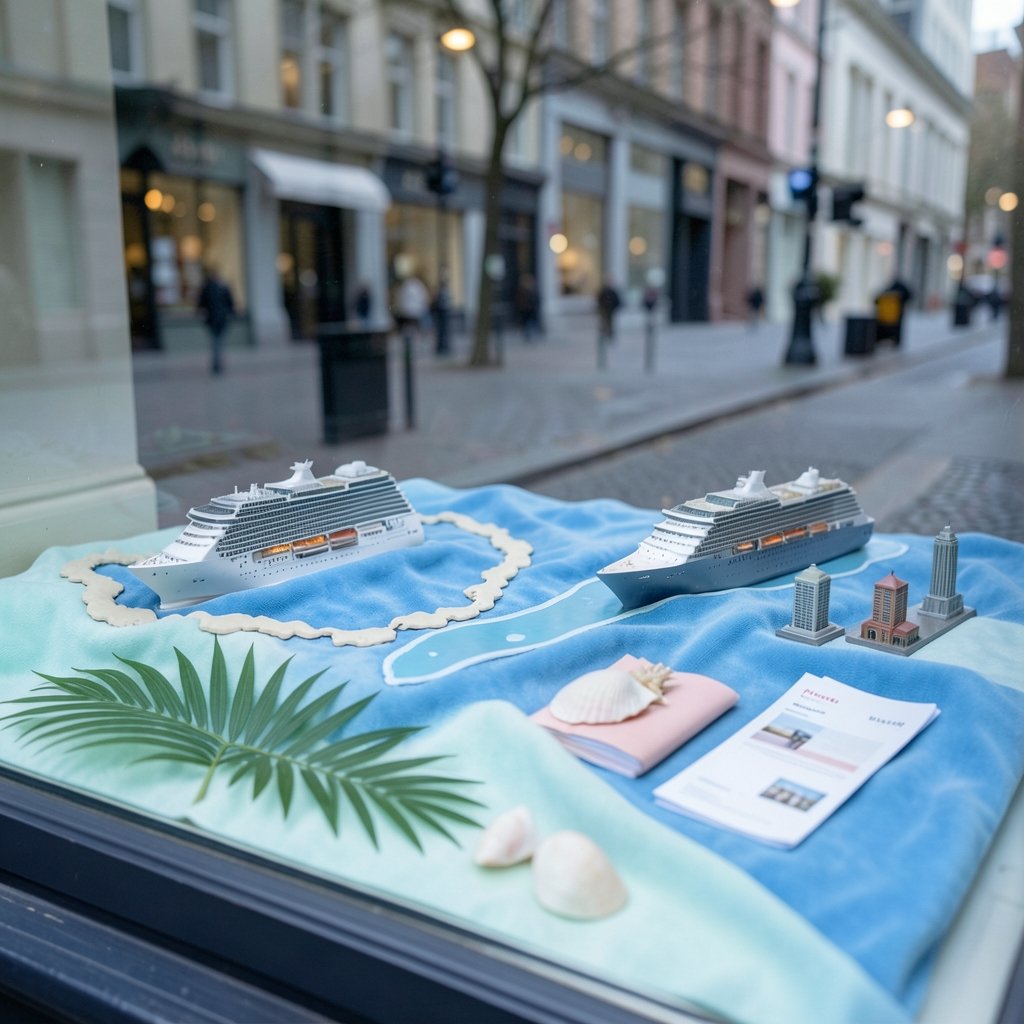
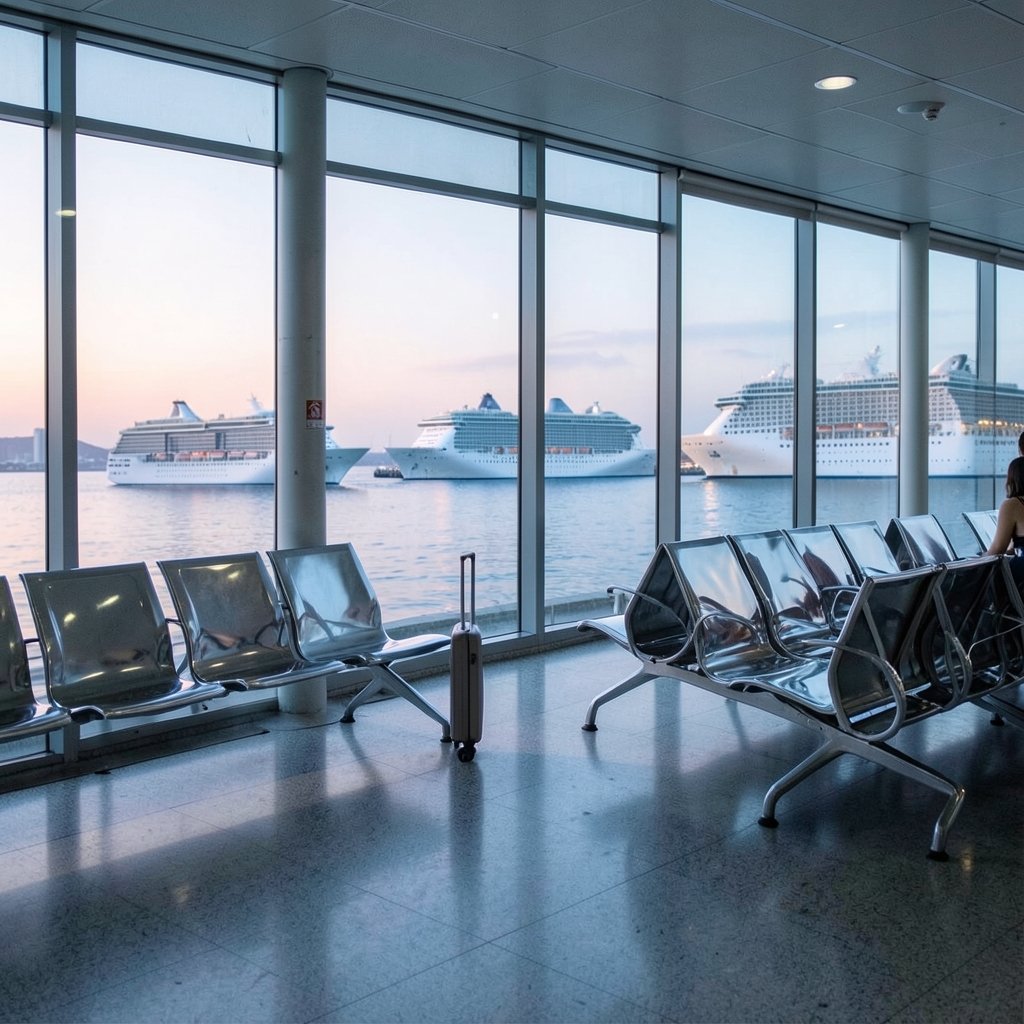
Most 2027 Hawaii cruises fall into one of three shapes. Each has different logistics, costs, and trade-offs.
| Itinerary Type | Typical Length | Foreign Port Required | Best For |
|---|---|---|---|
| Inter-island loop from Honolulu | 7 nights | No | Travelers wanting maximum island time |
| Round trip from West Coast | 14–18 nights | Yes (usually Ensenada) | Budget-conscious cruisers who enjoy sea days |
| One-way repositioning | 10–12 nights | Yes | Snowbirds combining a cruise with a land stay |
The inter-island loop is the most efficient use of vacation time. You unpack once, wake up in a new port nearly every morning, and spend zero days crossing the Pacific. The trade-off is airfare to Honolulu and a ship that cannot compete with the newest vessels on amenities.
The West Coast round trip sails from Los Angeles, San Diego, or San Francisco and includes four to five sea days on each side of the islands. These sailings are often the best value per night, and the sea days are genuinely pleasant if you like the rhythm of ship life. Just budget for the foreign port call, which on many itineraries is a short evening stop in Ensenada.
The one-way repositioning trip runs between Vancouver or Seattle and Honolulu, usually in spring and fall when ships migrate. These are ideal if you want to pair a cruise with a week on land in Hawaii or the Pacific Northwest. Repositioning cruises often carry lower per-night fares because they are moving the ship anyway.
What to Check Before You Book a 2027 Sailing
Booking a cruise two years out is not the same as booking a hotel. Schedules shift, ships get reassigned, and dry-dock plans can quietly remove a vessel from a region. A few practical habits will protect you.
First, confirm the ship’s 2027 deployment directly with the cruise line rather than relying on a third-party calendar. Deployment announcements usually roll out in waves, and a sailing listed today can be pulled tomorrow. If you book early, ask what happens if the itinerary changes, and read the cruise contract’s change clause. Repositioning a port by a few hours is routine and usually not compensable.
Second, check the port schedule with the Hawaii Department of Transportation Harbors Division, which manages Honolulu, Kahului, Hilo, Kona, and Nawiliwili. Port schedules reveal which ships are in port on which days. That matters more than you might think: if three megaships dock in Kona on the same morning, the tender lines will be brutal.
Third, think hard about Kona specifically. It is a tender port, meaning you anchor offshore and ride a small boat in. Tender operations are weather-dependent, and Kona is occasionally skipped. If a specific Kona excursion is the reason for your trip, build in flexibility.
A Practical Booking Checklist
- Verify the sailing exists on the cruise line’s own site; do not rely only on an aggregator.
- Confirm whether a foreign port call is included and whether you need a passport for it.
- Check arrival and departure times in each port; port names alone are insufficient.
- Look up how many ships share your port days before booking excursions.
- Ask about deposit refund terms and itinerary-change policies in writing.
- Book airfare separately or with a refundable fare if you are sailing in 2027.
Common Mistakes Travelers Make
The single most common error is assuming a passport is unnecessary because Hawaii is a U.S. state. That is true for the inter-island loop on Pride of America. It is not true for any itinerary that calls at Ensenada or Vancouver. U.S. citizens on a closed-loop sailing from a U.S. port generally can travel with a birth certificate and ID, but a passport is strongly recommended and required for the foreign port call in most practical scenarios. Check the current rule with the cruise line before you sail, because enforcement varies.
The second mistake is underestimating inter-island travel. Hawaii’s islands look close on a map, but they are separated by rough channels. If you book a land-based trip and try to island-hop by ferry or small plane between cruise ports, you will burn hours in transit. Cruise ships solve this problem elegantly, which is a real argument for the cruise format.
The third mistake is overpacking for formal nights that no longer exist and underpacking for rain. Hilo is one of the wettest cities in the United States. A light rain shell earns its luggage space on every itinerary. Meanwhile, most Hawaii sailings are relaxed on dress codes, so a single smart outfit covers the whole trip.
The fourth mistake is treating sea days as wasted time. On a 15-night West Coast round trip, you will spend roughly half the cruise at sea. If you dread that, book the inter-island loop. If you love it, the longer sailing is a better vacation. Knowing yourself matters more than any review.
Budgeting Realistically
Hawaii is an expensive destination, and cruise pricing reflects it. The inter-island loop typically commands a premium because it is the only product of its kind. West Coast round trips often look cheaper per night but add airfare, hotel nights before and after, and more onboard spending across two weeks.
Watch for the extras that quietly inflate a fare: gratuities, drink packages, specialty dining, shore excursions, and Wi-Fi. On a seven-night sailing, these can add 30 to 50 percent to the base fare. On a longer trip, the same daily rate compounds. Budget for the total, not the headline price.
Shore excursions deserve special attention in Hawaii. Volcanoes National Park, Pearl Harbor, and the Road to Hana are the marquee experiences, and each is best done with a planned tour or a rental car booked well in advance. Rental cars in Kahului and Nawiliwili sell out on cruise days, so reserve early or accept a ship excursion as the simpler option.
If you are comparing how AI tools might help you research and plan this kind of trip, our breakdown of the 10 best AI chatbots, including how GPT-5 and Claude compare under the hood, is a useful starting point for itinerary brainstorming.
Environmental Rules and What They Mean for Ports
Hawaii takes marine protection seriously. Ships in Hawaiian waters operate under U.S. Environmental Protection Agency vessel discharge rules and international MARPOL standards covering oil and sewage. State law adds further restrictions in nearshore waters. These rules shape which ships can operate where and occasionally affect port calls.
For travelers, the practical takeaway is that newer ships with advanced wastewater treatment systems have more flexibility in protected waters. If environmental performance matters to you, it is worth checking a ship’s treatment technology before booking. It is also a reason some older vessels no longer sail certain routes.
Should You Book Now or Wait?
For 2027 sailings, early booking generally wins on cabin choice and price protection, especially for the inter-island loop where inventory is limited to one ship. Cruise lines tend to release schedules in waves, and the best-positioned cabins go first. Waiting rarely produces dramatic discounts on a route with no competition.
That said, if you are flexible on dates and open to a West Coast round trip, last-minute fares do appear when ships need to fill space. The trade-off is airfare, which rises as departure approaches. For most travelers, booking the cruise early and the flights later is the balanced approach.
One more consideration: if you are combining a Hawaii cruise with other travel planning, the same research discipline applies. Our guide to the best AI translation tools and how DeepL, ChatGPT, and Google compare is handy if your trip extends internationally, and our honest look at when not to use an AI chatbot in 2027 is a good reminder that human travel agents still add value on complex multi-leg bookings.
Conclusion
A Hawaii cruise in 2027 comes down to one decision: do you want the pure inter-island experience on the only U.S.-flagged ship doing it, or are you willing to trade a foreign port call for a newer ship and a longer voyage? Both are excellent vacations, but they suit different travelers. The inter-island loop maximizes island time and minimizes logistics. The West Coast round trip maximizes value and sea-day relaxation. The repositioning sailing maximizes flexibility for land-based add-ons.
Whatever you choose, verify the 2027 schedule directly with the cruise line, check port-day density before booking excursions, and pack for rain as well as sun. Hawaii rewards preparation. The islands are as spectacular from the water as they are from the shore, and a little homework now means more time enjoying the view later.
FAQ
Is a passport required for a 2027 Hawaii cruise?
It depends on the itinerary. The inter-island loop from Honolulu on a U.S.-flagged ship does not require a passport for U.S. citizens. Any sailing that calls at a foreign port, such as Ensenada or Vancouver, generally requires one. Always confirm the current rule with your cruise line before booking.
Which cruise line sails Hawaii without a foreign port call?
Norwegian Cruise Line’s Pride of America is the only large U.S.-flagged ship operating inter-island Hawaii itineraries without a foreign stop. Its U.S. registry allows it to sail between Hawaiian ports under the Passenger Vessel Services Act.
Why do some Hawaii cruises stop in Mexico?
The Passenger Vessel Services Act prohibits foreign-flagged ships from carrying passengers between two different U.S. ports without an intervening foreign port call. A stop in Ensenada satisfies that requirement on round-trip sailings from the West Coast.
How many days do you need for a Hawaii cruise?
Seven nights is enough for the inter-island loop, which visits four islands with no sea days. West Coast round trips typically run 14 to 18 nights because of the Pacific crossings. One-way repositioning sailings usually take 10 to 12 nights.
What is the best time of year for a Hawaii cruise in 2027?
Spring and fall are popular because ships reposition between Alaska and Hawaii, creating one-way options. Winter offers warm weather and whale season. Summer brings calm seas but more families and higher airfare. Check the specific 2027 deployment before deciding.
Can you visit multiple Hawaiian islands on one cruise?
Yes. The inter-island loop typically calls at Maui, Hilo, Kona, and Kauai in a single week, plus Honolulu. Because the ship handles the travel between islands, you avoid the time and cost of inter-island flights, which is one of the format’s biggest advantages.


