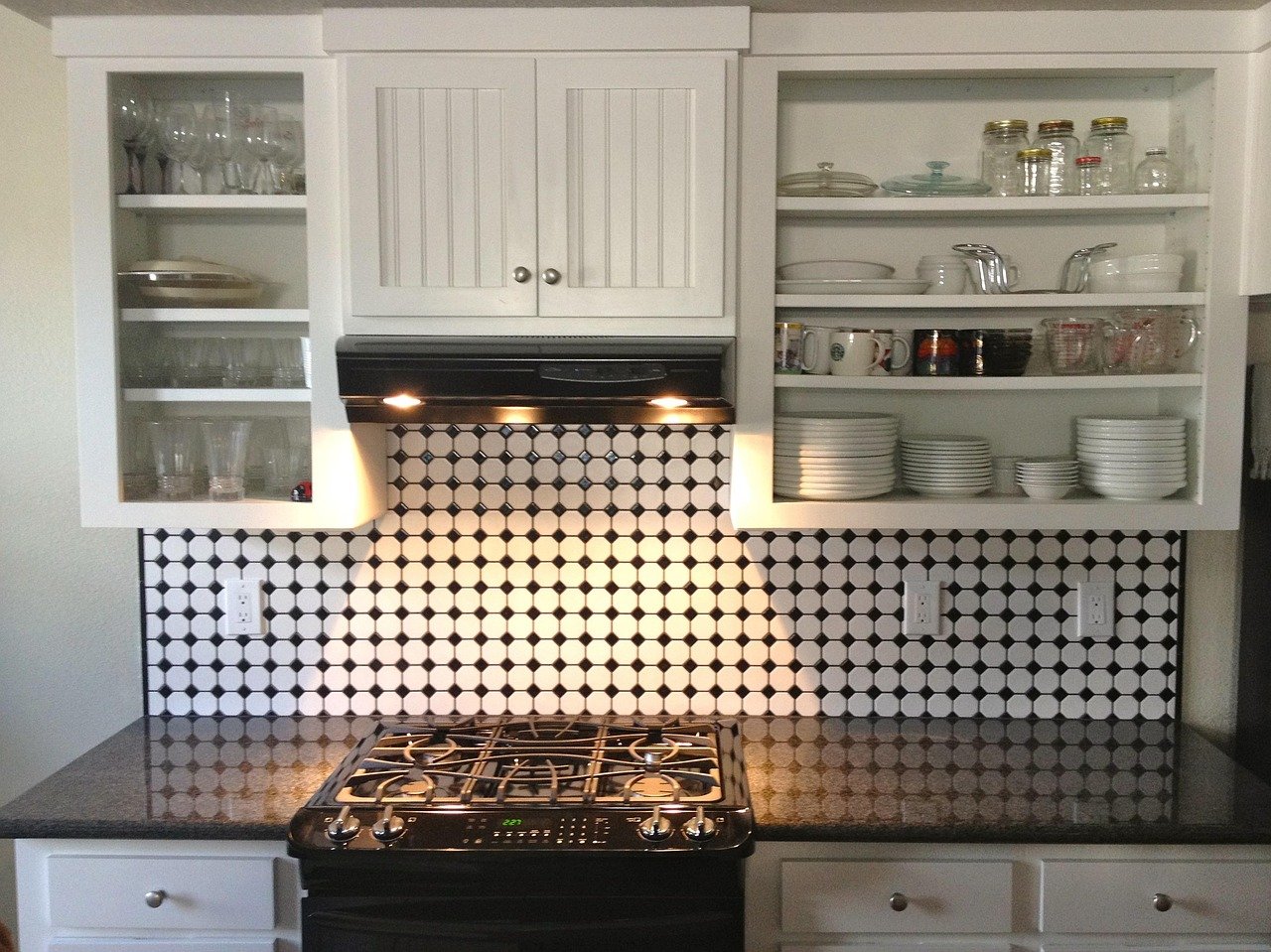
What does a typical American kitchen say about the country that built it? Plenty, it turns out. The oversized refrigerator, the humming chest freezer in the garage, the dryer stacked beside a top-loading washer, and the microwave mounted over the range all show choices about space, abundance, and a particular set of engineering priorities. American appliances are tools, and they also form a physical record of how U.S. households evolved after World War II. Understanding them helps anyone shopping, repairing, or simply curious about why the American home looks the way it does. (Which presidents american money)
The Big Three That Define an American Home
Walk into almost any occupied U.S. home and you will find a refrigerator. By the 2010s, housing survey data put refrigerator ownership at roughly 99.8 to 99.9 percent of occupied homes, which makes it the closest thing to a universal appliance in the country. Clothes washers and dryers follow at roughly 85 and 80 percent respectively. Those figures shift a little depending on the survey year and the source, so treat them as strong approximations rather than fixed numbers.
The refrigerator earned its place as the anchor of the American kitchen. Mechanical home refrigeration spread through U.S. households in the 1920s and 1930s, and by the post-war boom it had become standard equipment rather than a luxury. The frost-free design that most people now take for granted was popularized in the 1950s and 1960s, ending the era of manual defrosting and chipping ice out of freezer compartments with a butter knife.
That history explains a lot about modern American appliance design. Size became a selling point early, because American kitchens and homes grew larger than their European counterparts, and because cheap energy made bigger machines affordable to run. The result is a market where a 26-cubic-foot French-door refrigerator is unremarkable, while many European kitchens would struggle to fit one. (Conestoga trailer rounded van that changed north american)
Why American Appliances Look Different From European Ones

The single clearest divide is laundry. Top-loading washers dominate U.S. households in a way that surprises visitors from Europe, where front-loading machines are the norm. The American top-loader fills with water, agitates, drains, and spins in a vertical drum, a design that is fast, forgiving of mixed loads, and cheap to build. European front-loaders tumble clothes through a shallow pool of water, which uses less water and energy but takes longer.
Dryer ownership sharpens the contrast further. The United States has far higher clothes-dryer ownership than most countries, and many American homes treat a dryer as a non-negotiable partner to the washer rather than an optional extra. Line drying, common in much of the world, is often restricted by homeowner association rules in U.S. subdivisions, which quietly locks in the dryer habit.
| Feature | Typical U.S. Pattern | Typical European Pattern |
|---|---|---|
| Washer type | Top-loading, vertical drum | Front-loading, horizontal drum |
| Dryer ownership | Very common, often paired with washer | Less common, often optional |
| Refrigerator size | Large, often 25 cubic feet or more | Smaller, fitted to compact kitchens |
| Kitchen layout | Open plan, appliance wall | Integrated, hidden behind cabinetry |
| Voltage | 120V standard outlets, 240V for ranges and dryers | 230V throughout |
Those voltage differences matter more than most shoppers realize. A U.S. electric range or dryer needs a dedicated 240-volt circuit, which is why moving appliances around an American home is rarely as simple as unplugging and replugging. Anyone who has renovated a kitchen has learned this the expensive way.
The Rules That Shaped the Machines
American appliances are heavily regulated, and that regulation has quietly reshaped what sits in people’s homes. The National Appliance Energy Conservation Act of 1987 set the first federal minimum efficiency standards for major appliances and preempted a patchwork of state rules. The Department of Energy updates those standards periodically, and manufacturers design to them years in advance.
The Energy Star label arrived in 1992 as a voluntary federal program run by the EPA with the DOE. It certifies products that beat the federal minimum by a defined margin. The distinction trips people up constantly: Energy Star is voluntary and above-minimum, while the federal standard is mandatory and sets the floor. A machine without the blue label is not necessarily a energy hog. It simply meets the legal minimum rather than exceeding it.
Efficiency gains since the late 1980s have been substantial. Estimating cumulative national savings is tricky because the number depends heavily on the baseline year and the study, so specific figures should always be tied to a named analysis rather than repeated as a round number. What is not in dispute is the direction: a new refrigerator today uses a fraction of the electricity of a 1970s model of similar size.
How Americans Actually Shop for Appliances
Practical experience from the sales floor and the repair van points to a few patterns that repeat again and again.
Measure the doorway as well as the gap. The most common mistake buyers make is measuring the alcove where the refrigerator will sit and forgetting the path to get there. A 36-inch-wide fridge will not pass through a 32-inch door frame, and delivery crews will not remove a door frame to make it fit. Measure the doorways, the stairwell, and the turn at the top of the stairs.
Check the circuit as well as the outlet. Electric ranges, dryers, and some double ovens need 240-volt service. Replacing a gas range with an electric one can mean running new wiring, which can cost more than the appliance.
Ignore the sticker price and look at the energy guide. The yellow EnergyGuide label estimates annual operating cost. Over a ten-to-fifteen-year lifespan, the difference between a cheap and an efficient model often exceeds the purchase price gap.
Confirm who repairs it locally. Before buying an unfamiliar brand, call a local repair shop and ask whether they service it and whether parts are readily available. This one phone call prevents the most frustrating outcome in appliance ownership: a broken machine with no one nearby who can fix it.
Industry and consumer sources commonly cite 10 to 15 years as the expected lifespan of a major appliance, though this is a rule of thumb rather than an official statistic, and actual life varies widely with use and water quality.
Smart Appliances and the Reality Check
The connected appliance wave began around 2010, with networked refrigerators, ovens, and washers marketed heavily from the mid-2010s onward. A refrigerator that suggests recipes based on what is inside sounds futuristic, and it is genuinely useful to a certain kind of buyer. But adoption has remained modest and fragmented across competing platforms, and market-share claims in this category tend to be vendor-sourced and volatile.
The practical lesson from early adopters is simple: buy the appliance for its core function, and treat connectivity as a bonus that may not survive the next software update. A washer that cleans well will still clean well in a decade. A washer whose companion app was abandoned in 2021 will not suddenly regain its features.
There is a broader cultural point here too. Americans have long treated household technology as a marker of progress, and that enthusiasm shows up in unexpected places, from the way long-haul trucking simulators turn mundane machinery into entertainment to the way a small Delta town‘s money history gets retold as a lesson in ambition. The same instinct that made the frost-free refrigerator a status symbol in the 1960s now sells ovens with cameras inside.
Repair, Right to Repair, and the Ownership Question
One of the liveliest policy fights in American appliances concerns who gets to fix them. Manufacturers have increasingly restricted access to diagnostic software, service manuals, and proprietary parts, pushing owners toward authorized service networks. The FTC examined these restrictions in its 2021 report “Nixing the Fix,” which looked at how repair limits affect consumers across many product categories, appliances included.
State legislatures have responded with right-to-repair bills, and the status varies by state and changes frequently, so anyone relying on a specific law should verify its current form rather than assume. For ordinary owners, the practical takeaway is to ask about repairability before purchase. Does the manufacturer sell parts to independent shops? Is there a published service manual? Are error codes documented? A machine that can be fixed locally lasts longer and costs less over its life than one that must be replaced because a control board is locked down.
Energy, Water, and the Hidden Costs
American appliances are large, and large machines use more resources. A top-loading washer can consume considerably more water per cycle than a front-loader, which is one reason efficiency standards have pushed manufacturers toward redesigned agitators and sensor-based fill levels. Dryers are the bigger energy story, since they generate heat for an hour at a time. Heat-pump dryers, which work more like a refrigerator in reverse, use far less energy but remain a small slice of the U.S. market because they cost more upfront and dry more slowly.
Water quality quietly affects appliance life as well. Hard water scales up heating elements in dishwashers and washers, shortening their working lives. Households on well water often discover this after the second failed water heater. A water softener is not glamorous, but it is one of the highest-return purchases an appliance-heavy home can make.
Conclusion
American appliances reflect a specific set of choices: bigger homes, cheaper energy, a preference for speed over subtlety in laundry, and a regulatory system that sets a mandatory floor while offering a voluntary badge for those who go further. Understanding that landscape makes better buyers and better owners. Measure the doorway, check the circuit, read the yellow label, and call a repair shop before you commit. The machines will last longer, cost less to run, and cause far fewer headaches if the decisions around them are made with the same care the engineers put into building them. And if you enjoy seeing how ordinary objects carry bigger stories, the same curiosity rewards a look at which presidents ended up on American money and how a Mississippi Delta town’s financial history reshaped the country.
FAQ
How long do American appliances typically last?
Industry and consumer sources commonly cite 10 to 15 years for major appliances, but this is a rule of thumb rather than an official statistic. Refrigerators often run longer, while dishwashers and washing machines in heavy use may fall short of ten years. Water hardness, load frequency, and installation quality all shift the number significantly.
Is Energy Star the same as the federal minimum standard?
No. The federal minimum efficiency standard is mandatory and set through the Department of Energy’s rulemaking process, first established by the National Appliance Energy Conservation Act of 1987. Energy Star, launched in 1992, is a voluntary EPA program that certifies products exceeding the federal minimum by a defined margin. A product without the label still meets the legal requirement.
Why do American homes use top-loading washing machines?
Top-loaders dominate because they are fast, handle mixed loads well, and have historically been cheaper to build and buy. European front-loaders use less water and energy but run longer cycles. The difference is partly cultural and partly structural: American laundry rooms and utility spaces were designed around the vertical drum.
Do I need a special outlet for an electric range or dryer?
Yes. Most U.S. household outlets supply 120 volts, but electric ranges and dryers require dedicated 240-volt circuits. Switching from gas to electric often means running new wiring, which can add substantial cost to a kitchen or laundry project. Check the circuit before buying, not after delivery.
What is the right-to-repair issue with appliances?
Manufacturers have increasingly limited access to diagnostic software, service manuals, and proprietary parts, which pushes owners toward authorized repair networks. The FTC examined these restrictions in its 2021 “Nixing the Fix” report. Several states have passed right-to-repair laws, but the rules vary and change often, so verify current status locally.
Are smart appliances worth the extra cost?
Only if the core function justifies the price. Connectivity features can become obsolete when apps are discontinued or platforms change, while the machine itself may last a decade or more. Buy for cleaning, cooling, or cooking performance first, and treat app features as a bonus rather than a reason to pay more.