
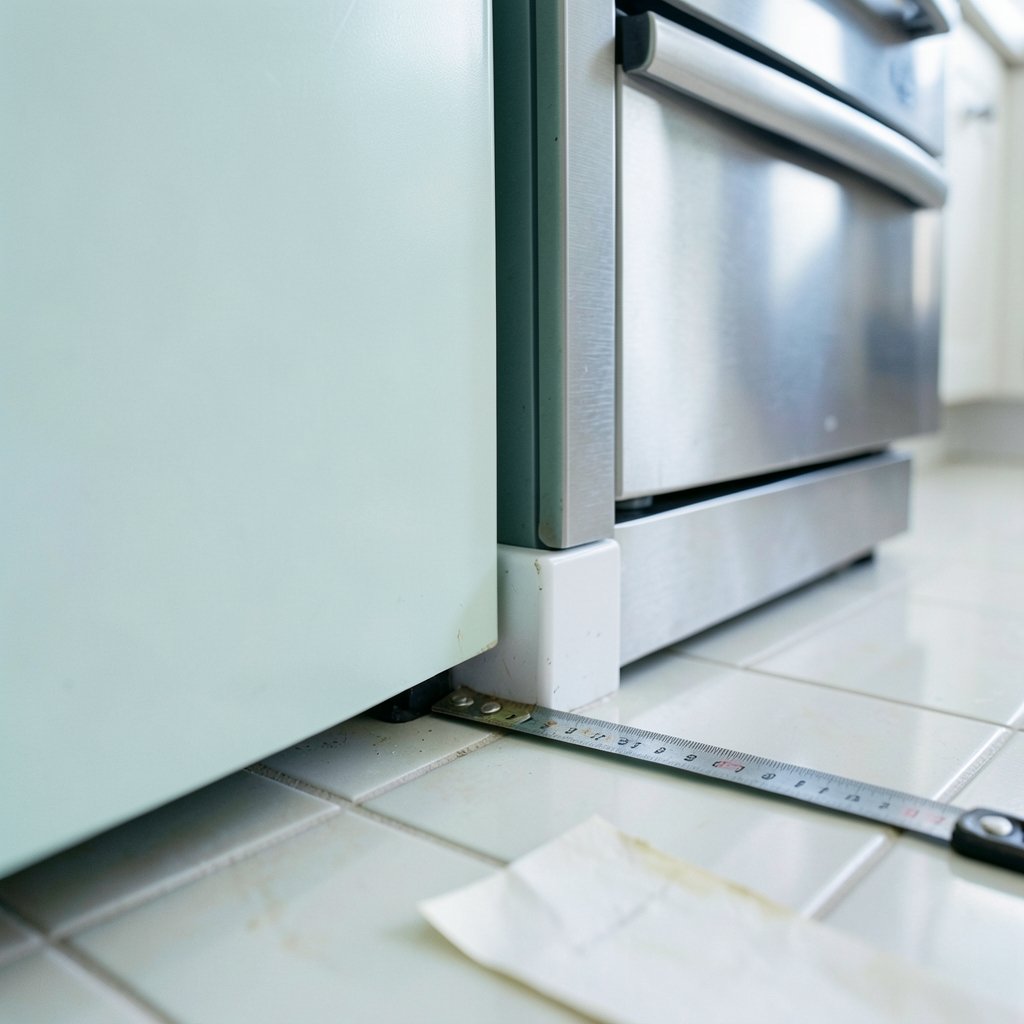
What if the biggest mistake people make when buying a fridge and stove set has nothing to do with the appliances themselves, but with the empty space in their kitchen? That gap matters more than any sale tag. A refrigerator and a range are the two heaviest, most installation-sensitive purchases in a kitchen, and bundling them into one “set” sounds convenient until you discover the fridge won’t clear the doorway or the range needs a circuit your home doesn’t have.
This guide walks through what a fridge and stove set really is, how to measure for one, how to read the labels that matter, and where the bundle pitch tends to fall apart. No hype, no invented savings claims. Just the practical stuff that separates a smooth delivery day from a return nightmare.
What a Fridge and Stove Set Actually Means
Here’s the first thing to know: “fridge and stove set” is not a standardized product category. It’s a retail and marketing term. In stores and online listings, it usually means a refrigerator plus a cooking appliance sold together, often as a bundle or “kitchen package.” The cooking half might be a freestanding range (cooktop and oven in one box), or a separate cooktop and wall oven.
That distinction matters because the phrase covers very different products. A set with a slide-in range is a different animal from a set with a built-in cooktop and a cabinet-mounted oven. Before comparing prices, confirm which cooking configuration the listing actually includes.
Measure First, Shop Second
The most common mistake in this whole process is buying on looks and dealing with fit later. Appliances are hard to return once they’ve been unboxed, delivered, and hooked up. Measure before you fall in love with a finish.
The measurements that matter
- The opening itself. Measure width, height, and depth at the narrowest point. For a fridge, measure the alcove or cabinet gap. For a range, measure the cutout between counters.
- The path in. Doorways, hallway corners, stairwells, and elevator dimensions. A fridge that fits the kitchen but not the front door is a real and expensive problem.
- Clearance for doors and drawers. Fridges need room for the door to swing and drawers to pull out. Ranges need clearance for the oven door to drop fully open.
- Ventilation space. Refrigerators need air circulation around the compressor area. Built-in units have specific requirements that differ from freestanding models.
- The hookups. Where is the electrical outlet? Is there a gas line? Is there a water line for an ice maker?
Write every number down and take photos with a tape measure in frame. Store staff and delivery crews respond much better to a photo than to “about 30 inches, I think.”
The voltage and hookup reality check
Appliances are built for their market. In the United States, standard appliances typically run on 120 volts, with electric ranges needing a 240-volt circuit. In the UK and EU, the norm is 230 volts. A set bought in one market generally won’t suit another without voltage and plug adaptation, which is why cross-border appliance shopping is rarely worth the hassle.
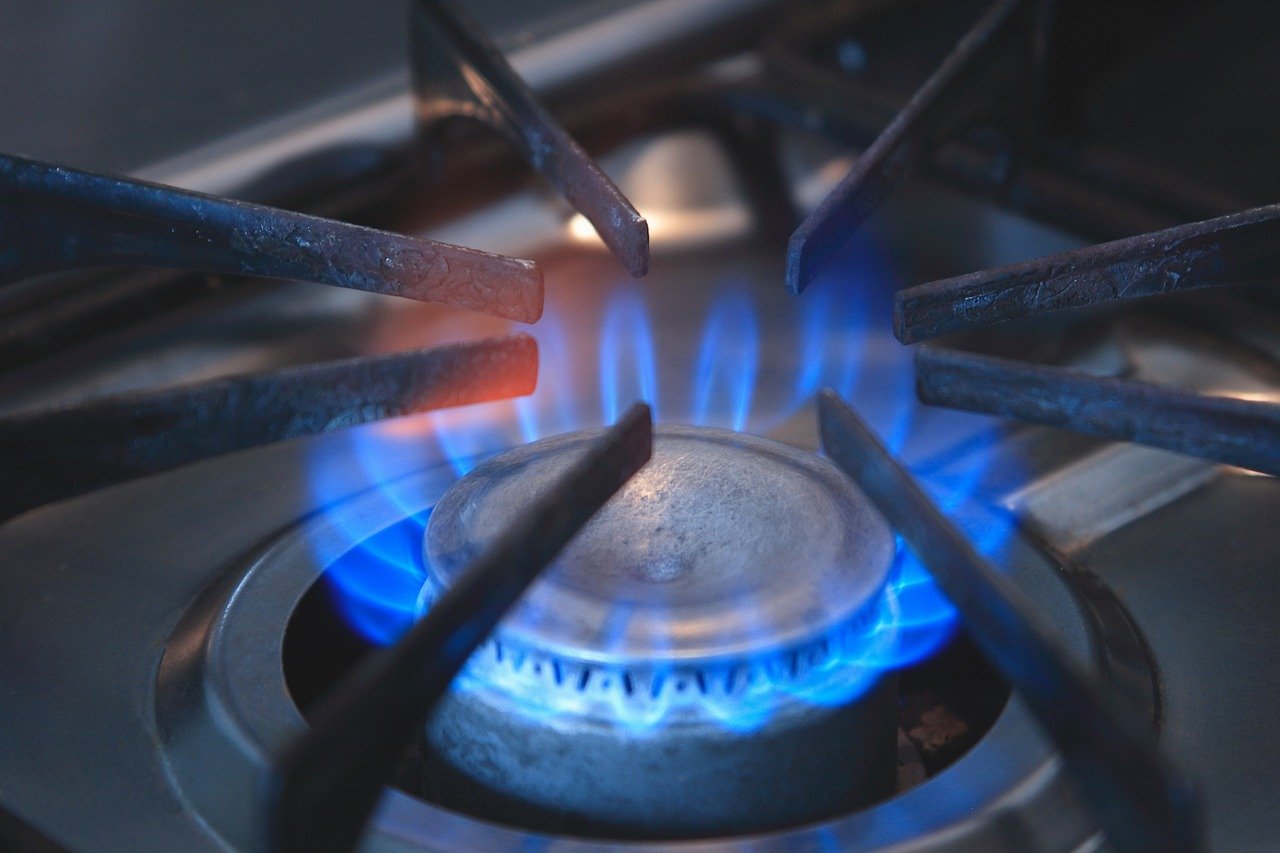
Gas ranges need a gas supply and proper ventilation. Electric ranges need a suitable circuit, and installation requirements vary by local electrical code. If the set includes an electric range and your kitchen only has a standard outlet where the stove goes, budget for an electrician before delivery day.
Reading the Labels: Energy, Safety, and Refrigerants
A fridge and stove set is a long-term purchase. The labels on the box tell you more about long-term cost than the price tag does.
The yellow energy label
In the United States, refrigerators and ranges have carried the yellow EnergyGuide label since the 1970s and 1980s under the Energy Policy and Conservation Act of 1975 and federal appliance labeling rules. The label estimates yearly energy use and cost, which lets you compare two fridges on something other than sticker price. A cheaper fridge with a poor rating can cost more over a decade than a pricier efficient model.
Efficiency standards
Refrigerators and residential ranges are covered by federal energy conservation standards, and refrigerator standards have been tightened repeatedly, notably in 2001 and 2014. That’s good news for buyers: a new fridge is almost certainly far more efficient than the one it replaces, even at a similar size.
The EU picture
In the European Union, energy labels for refrigerators were rescaled to a straight A to G scale, with no A+ or A+++ grades, from 1 March 2021. Ovens and ranges follow their own labeling rules. Refrigerators and ovens are also subject to EU ecodesign requirements, which set minimum performance thresholds before a product can be sold at all. If you’re shopping in Europe, an “A” now means something much stricter than it did before the rescale.
Refrigerants
Modern fridges use refrigerants regulated under the Montreal Protocol and its Kigali Amendment, and in the EU under the F-Gas Regulation. You don’t need to memorize the chemistry, but it helps to know that refrigerant type can affect service costs and future availability of spare parts.
Gas or Electric: Pick the Range That Fits Your Home
The stove half of the set deserves as much thought as the fridge. The choice between gas and electric often comes down to what your kitchen is already plumbed and wired for.
| Factor | Gas range | Electric range |
|---|---|---|
| Supply needed | Gas line plus ventilation | Suitable high-voltage circuit (240 V in the US) |
| Installation complexity | Higher; often needs a licensed fitter | Moderate; may need a new circuit |
| Ventilation | Essential; combustion byproducts must be exhausted | Still recommended for smoke and moisture |
| Cooking feel | Immediate visual flame control | Even heat, precise on induction models |
| Retrofitting cost | High if no gas line exists | High if no suitable circuit exists |
The practical takeaway: the cheapest set is the one that matches the hookups you already have. Converting from electric to gas, or the reverse, can easily cost more than the difference between two appliance tiers.
The Bundle Pricing Question
Retailers commonly market fridge and stove bundles as money-savers. Here’s the honest version: independent evidence that bundles are cheaper than buying separately is scarce, and any savings vary by retailer, timing, and model pairing. Treat “save $500 when you buy the set” claims as a starting point for comparison, not a fact.
What actually works in practice is a simple three-step check:
- Price the exact fridge and the exact range separately at two or three retailers.
- Price the bundle that contains those same models.
- Add delivery, haul-away, and installation fees to both totals.
Bundles sometimes win on delivery, since one truck brings both appliances. They sometimes lose because the bundle pairs a great fridge with a mediocre range you’d never have chosen. Never let a discount talk you into an appliance you don’t want.
Warranty and Consumer Protection
Warranty terms differ sharply by region, and they’re worth reading before you buy.
In the EU, consumer sales guarantees of at least two years apply under the Sale of Goods Directive (EU) 2019/771, effective 1 January 2022. In the United States, warranties are governed by the Magnuson–Moss Warranty Act of 1975. Manufacturer warranties on major appliances typically cover parts and labor for a defined period, with longer coverage on sealed refrigeration systems.
Two practical notes. First, keep the receipt and delivery paperwork; warranty claims often require proof of purchase date. Second, check whether the bundle comes with one combined warranty or separate coverage per appliance. Combined paperwork is convenient until you need to claim on just one item.
Where the Set Fits Into a Wider Home Setup
A kitchen appliance purchase rarely stands alone. If the same renovation includes networking, security, or smart-home gear, it pays to plan the digital side with the same care as the physical side. For instance, if you’re adding cameras or sensors during the project, it’s worth learning how to set up security orchestration that cuts response time so alerts don’t pile up unread. Households that run a home office alongside a busy kitchen often benefit from a practical guide to setting up zoom alternatives that keeps video calls stable when the fridge compressor kicks on.
Two more planning points that catch people out. First, if the kitchen sits on a shared network with work devices, network segmentation done with a practical step-by-step plan keeps smart appliances off the same segment as laptops and backups. Second, before any renovation shuffles your files and photos, it’s worth understanding how to set up backup immutability that actually stops ransomware, because a kitchen remodel is exactly when people misplace drives and forget passwords.
Delivery Day: What to Expect and What to Check
Delivery is where most appliance purchases succeed or fail. A few habits separate a calm installation from a chaotic one.
- Clear the path before the truck arrives. Remove doors if needed, move furniture, and protect flooring.
- Confirm the hookups are ready. The old appliance should be disconnected, and any new circuit or gas line should already be installed.
- Inspect on arrival. Look for dents, scratches, and damaged packaging before signing anything. Note damage on the delivery paperwork.
- Test before the crew leaves. Plug in the fridge, confirm it cools, and check that the range burners and oven element heat up.
- Keep the manual and registration card. Registering the product can simplify warranty claims later.
One more tip from the field: photograph the model and serial number plate on both appliances the day they arrive. That single photo saves a lot of digging when you need service two years later.
Common Mistakes Worth Avoiding
A short list of the errors that show up again and again:
- Buying by width alone and forgetting depth, especially for counter-depth fridges.
- Assuming a “set” includes matching finishes when the listing mixes colors.
- Skipping the ventilation check for a gas range.
- Forgetting that fridge doors need swing room as well as a gap.
- Trusting bundle savings without pricing the items separately.
- Ignoring the energy label because the sticker price felt decisive.
None of these are exotic. They’re ordinary oversights, and each one is cheap to prevent and expensive to fix.
Conclusion
A fridge and stove set can be a genuinely sensible purchase: one delivery, coordinated finishes, and often a cleaner installation timeline. But the value comes from fit and function, not from the word “bundle” on the listing. Measure the space and the path in, confirm the electrical and gas hookups, read the energy label, and price the pieces separately before trusting any advertised saving. Do that groundwork, and the set becomes what it should be: two reliable appliances that quietly do their jobs for the next fifteen years.
Frequently Asked Questions
What is a fridge and stove set?
It’s a retail term for a refrigerator and a cooking appliance sold together, usually as a bundle or kitchen package. The cooking half may be a freestanding range or a separate cooktop and oven. There’s no formal product standard behind the phrase, so always check exactly which appliances a listing includes.
Is buying a fridge and stove set cheaper than buying them separately?
Not always, and the evidence for blanket savings is thin. Bundle discounts vary by retailer, timing, and model pairing. The reliable method is to price the exact two models separately at a few stores, price the bundle, then add delivery and installation fees to both totals before deciding.
Do I need a special circuit for an electric stove?
In the United States, electric ranges typically require a 240-volt circuit, while standard outlets supply 120 volts. If your kitchen lacks the right circuit, an electrician will need to install one. Installation requirements vary by local electrical code, so confirm before delivery day rather than after.
How do I know if a fridge will fit through my door?
Measure the narrowest point of the entire path: front door, hallways, stairwells, and the kitchen entry. Then compare that to the fridge with its doors and handles removed, since many models are designed to pass through tighter gaps that way. Take photos of each measurement with a tape measure visible.
What does the yellow EnergyGuide label tell me?
It estimates the appliance’s yearly energy use and cost, letting you compare two models on operating cost rather than sticker price alone. Refrigerators and ranges in the US have carried this label since the 1970s and 1980s under federal appliance labeling rules.
How long is a fridge and stove set covered by warranty?
It depends on where you live. In the EU, consumer sales guarantees of at least two years apply under the Sale of Goods Directive (EU) 2019/771, effective 1 January 2022. In the US, warranties fall under the Magnuson–Moss Warranty Act of 1975, and manufacturer terms vary by brand, so read the paperwork for both appliances before assuming one combined warranty covers the set.



