

What if the biggest mistake people make when buying a kitchen full of appliances isn’t picking the wrong brand, but picking the wrong order? Most shoppers start with the refrigerator they love, then work backward to a range, a dishwasher, and a microwave that happen to match. That backward approach is exactly why so many kitchens end up with mismatched finishes, delivery dates spread over six weeks, and a final bill that’s thousands more than expected. Buying appliances as a package can save real money and a lot of headaches, but only if you know what a package actually is, what it isn’t, and where the fine print hides the cost. (Ev batteries work inside pack that powers your drive)
What “Appliance Package” Really Means
Here’s the first thing to understand: there is no official, regulated definition of an appliance package. It’s a retail concept, not a legal category. A package might mean a bundle discount on four or five items bought together. It might mean a suite of products from one brand designed to share a finish and control style. Or it might just mean a salesperson grouped some items on a quote.
Because no standard defines the term, two stores can advertise the “same” package with wildly different contents. One includes a microwave; another doesn’t. One bundles installation; another charges for it separately. Before comparing prices, confirm exactly what’s inside the package, item by item, including model numbers. Model numbers matter more than brand names, because manufacturers often sell near-identical appliances under different model numbers for different retailers.
The Four Core Pieces and How They Fit
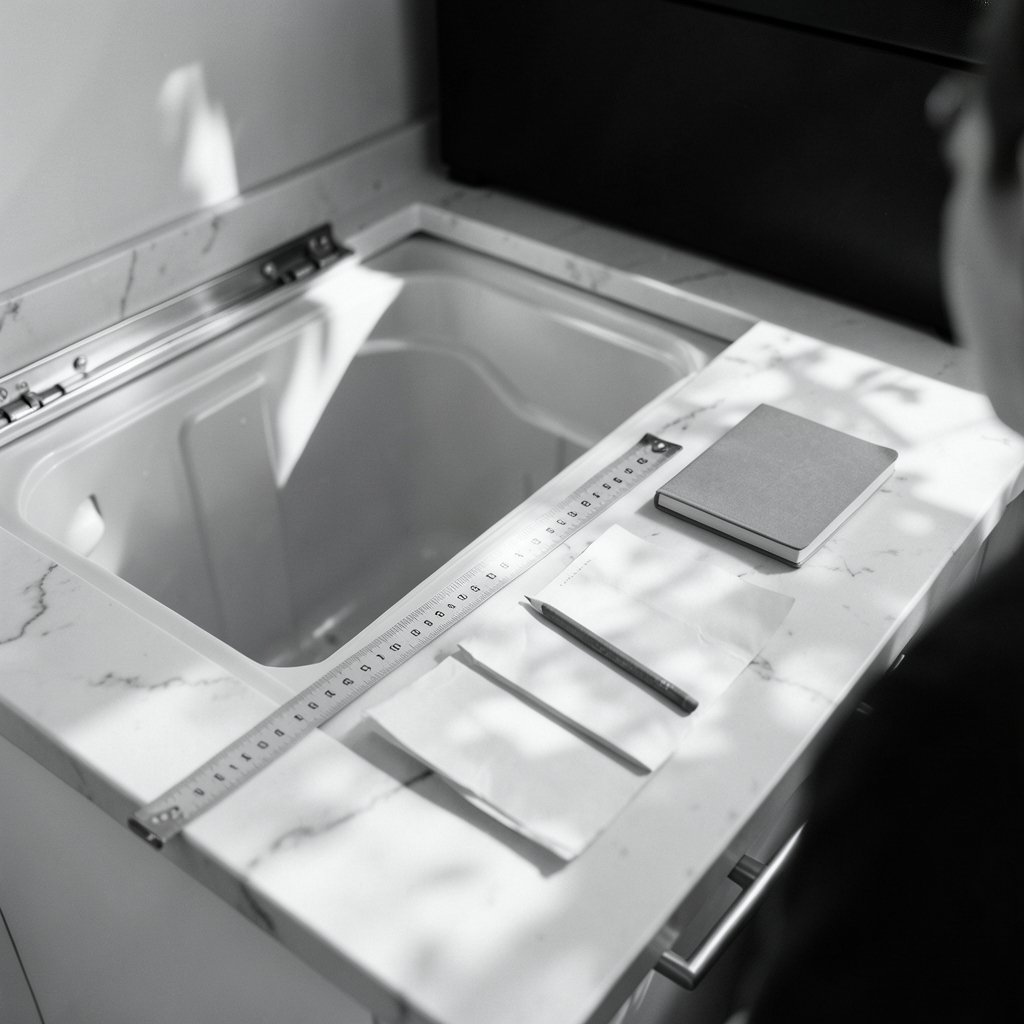
A typical kitchen package covers a refrigerator, a range or cooktop-and-oven combo, a dishwasher, and an over-the-range or built-in microwave. The practical constraint is size. Standard nominal widths run about 30 inches for a range and 24 inches for a dishwasher, while refrigerators vary widely by style and depth. These are conventions, not laws, so always check the manufacturer’s spec sheet and measure your actual opening before ordering anything.
The order of decisions that works best in practice looks like this:
- Measure the openings and the delivery path, including doorways and stair turns.
- Decide on finish and handle style across all pieces.
- Confirm the electrical, gas, and water hookups each appliance needs.
- Pick models, then check availability dates for each one.
- Only then compare package pricing across at least three retailers.
Most people do this in reverse. They fall in love with a refrigerator, then discover the matching range is back-ordered for three months, and the whole package falls apart.
Where Packages Actually Save Money
The savings in a package come from a few places, and it helps to know which one you’re getting. Bundle discounts are the most common: buy four appliances, get a percentage off or a rebate card. Matching-finish promotions are another. Delivery and installation bundling is a third, and it’s often the most valuable, because moving and installing a refrigerator or a range is genuinely hard work.
A word of caution: a discount on a package is only a discount if the underlying prices are competitive. Retailers sometimes mark individual items up before applying a bundle discount. The fix is simple. Price each model separately at two or three stores, add up the standalone totals, then compare that sum to the package price. If the package isn’t meaningfully cheaper, it isn’t a deal, no matter how the promotion is framed.
There’s a broader lesson in how bundled products get priced and supported that applies well beyond kitchens. The same dynamic shows up in software, where packages of components quietly do most of the work behind the scenes, as this look at the PHP packages that quietly run half the web explains. Bundles hide complexity, and hidden complexity is where costs and surprises live.
Reading the Efficiency Labels Before You Commit
Efficiency is where a package decision pays off for years. In the United States, the main efficiency label for appliances is Energy Star, a joint program of the EPA and the Department of Energy that awards the label per product category against specifications the agencies set and revise. The label means a product is certified to the version of the specification in force when it was manufactured, so two appliances can both be “Energy Star” and still differ in real-world efficiency.
The second label is the yellow EnergyGuide tag, which gives an estimated annual energy use or cost for most major appliances based on Department of Energy test procedures. It’s a disclosure label, not an endorsement. Its job is comparison: put two similar models side by side and see which one is projected to cost less to run. The Federal Trade Commission sets what must appear on these labels and how comparability ranges are shown.
Efficiency standards themselves are set through federal rulemaking, and they preempt state standards for covered products. That makes this a genuinely volatile policy area. Standards have been amended repeatedly, and the rulemaking posture shifts with administrations. Anyone telling you what the “current” rules require should be checked against a same-day look at the official sources, because the answer can change.
Rebates, Incentives, and the Fine Print
Utility rebates and federal tax incentives for efficient appliances exist, and they change often. Federal incentive provisions have shifted repeatedly in recent years, and utility programs vary by region and by year. The practical move is to check the program directly before you buy, not after, because most rebates require the purchase to fall within a specific window and require documentation you’ll need to keep.
Then there’s the part of the package that surprises people most: delivery, haul-away, and installation are usually separate line items. Removing the old refrigerator, connecting a gas range, and hooking up a dishwasher’s water line are three different services, and each may carry its own fee. Ask for the full quote in writing, with every service listed. A package that looks $400 cheaper can evaporate once you add the services the other quote included.
Matching the Package to How You Actually Live
The best package isn’t the one with the most features. It’s the one that fits the household. A few practical distinctions:
| Household pattern | What matters most | What to deprioritize |
|---|---|---|
| Cooking most nights | Range performance, oven capacity, ventilation | Smart features, exotic finishes |
| Busy weeknights, little cooking | Dishwasher speed and capacity, microwave convenience | High-end range features |
| Large family | Refrigerator capacity, freezer layout, durability | Designer trim |
| Small space or rental | Compact widths, simple install, easy service | Matching suites across all pieces |
Reliability data from independent testing organizations is more useful here than spec sheets, because spec sheets never mention the compressor that fails in year four. Owner-satisfaction surveys and repair histories tell you what a showroom never will. The catch is that this data is often paywalled, so treat it as a general signal rather than a citable statistic.
There’s a parallel worth noting for anyone building a home office or a gaming setup alongside a kitchen remodel: the same “buy the bundle, regret the details” trap applies. A thoughtful approach to a gaming PC build guide for 2026 that ages well makes the same point in a different room, which is that the parts you skimp on are the ones you’ll replace first.
Common Mistakes That Cost Real Money
The mistakes are remarkably consistent. People measure the appliance, not the opening. They forget the delivery path. They assume the package price includes installation. They buy all four pieces at once and then discover the dishwasher is back-ordered, holding up the entire kitchen. They skip the efficiency labels because the finish matched. And they don’t keep the paperwork for rebates.
One more mistake deserves its own line: buying a package from a single brand purely for finish consistency. Finish consistency is nice, but it’s not worth accepting a mediocre dishwasher or an undersized refrigerator. Mixed-brand kitchens are common and nobody notices once the doors are closed.
The discipline that pays off is boring. Measure twice, price separately, read the labels, get the quote in writing, and confirm every delivery date before you sign. That same “plan the system, not the item” thinking shows up in packing advice too: a suitcase packed with a practical system that saves space and wrinkles beats a pile of nice individual items every time. The best appliance package works the same way, as a system rather than a shopping list. (Pack suitcase efficiently roll fold fit more)
How to Compare Two Packages Fairly
Put both quotes side by side and force them into the same shape. List every appliance with its model number, then list delivery, haul-away, installation, and warranty terms as separate rows. Add the estimated annual energy cost from each yellow label. Then compare totals. If one package wins on price but loses on installation and warranty coverage, it probably isn’t the better deal.
Warranty terms are set by manufacturers, not by packages, and coverage length and exclusions vary by brand and product line. Read the warranty for each piece; the headline alone is not enough. A package doesn’t extend a warranty, and a retailer’s service plan is a separate product with its own terms.
Conclusion
The best appliance package isn’t the flashiest suite or the one with the biggest advertised discount. It’s the one where the measurements fit, the finish matches, the efficiency labels make sense for how the household actually uses each machine, and the total price includes the services people forget to ask about. Start with the space and the routine, not the showroom. Price the pieces separately so you know what the bundle is really saving. Read the yellow labels and check rebate programs before you buy, not after. Do that, and a package becomes what it should be: one coordinated purchase that quietly works for the next decade.
FAQ
What is the best appliance package?
There’s no single best package, because no official standard defines what one contains. The best package for a given household is the one whose pieces fit the measured openings, share a finish the buyer likes, carry efficiency labels that make sense for actual use, and come with delivery and installation included in a written quote. Compare at least three retailers using identical model numbers.
Is it cheaper to buy appliances as a package?
Often, but not automatically. Bundle discounts and matching-finish promotions can lower the total, yet retailers sometimes raise individual prices before applying a discount. Price each model separately, add the standalone totals, then compare that sum to the package price. Include delivery, haul-away, and installation in both figures, since those are usually separate line items.
Does Energy Star mean an appliance is the most efficient option?
Not necessarily. Energy Star is awarded per product category against specifications the agencies set and revise, so it means a product met the version in force at manufacture. Two certified models can still differ in real-world efficiency. The yellow EnergyGuide label is the better comparison tool, because it gives estimated annual energy use or cost for similar models.
Do appliance packages include installation and haul-away?
Usually not by default. Delivery, removal of the old appliance, and hookup are typically quoted as separate services, and each can carry its own fee. Ask for every service listed in writing before agreeing to a package price. A quote that looks cheaper often closes the gap once these line items are added.
Can I mix brands in an appliance package?
Yes, and many households should. Finish consistency is worth something, but it isn’t worth accepting an undersized refrigerator or a poorly rated dishwasher. Matching the finish and handle style across brands is often possible, and once cabinet doors and daily use take over, mixed-brand kitchens are rarely noticeable.
How often do appliance efficiency rules and rebates change?
More often than most buyers expect. Federal appliance standards are set through rulemaking and have been amended repeatedly, and federal incentive provisions have shifted several times in recent years. Utility rebates vary by region and year and usually require the purchase to fall within a set window. Check the official programs directly before buying and keep your receipts.



