
What if the best washer for your home isn’t the one with the most stars, the biggest drum, or the flashiest control panel? That question trips up a lot of buyers. The appliance aisle is loud with claims, and every brand wants to be called “best.” But a washer is a tool, and tools are only good when they fit the job in front of them. A family of five with muddy soccer kits needs something very different from a single renter in a small apartment.
This guide cuts through the noise. It explains what actually separates a great washer from a mediocre one, where the real trade-offs hide, and how to match a machine to your laundry habits instead of a marketing slogan.
Why “Best” Depends Entirely on Your Laundry Habits
There is no single ranking that settles the question. “Best” shifts depending on what you value: purchase price, running cost, reliability, capacity, or quiet operation. A machine that wins on efficiency may lose on cycle time. A budget top-loader may clean well but guzzle water.
That is why independent testers rarely agree on one champion. Their scores reflect different priorities. The practical move is to decide your top two priorities before you shop, then judge every model against those two only. Everything else is a tiebreaker.
A useful starting point is to write down three things: how many loads you run per week, where the machine will sit, and your budget for both the purchase and five years of running costs. Those three answers eliminate half the market immediately.
Front-Load vs. Top-Load: The Core Decision
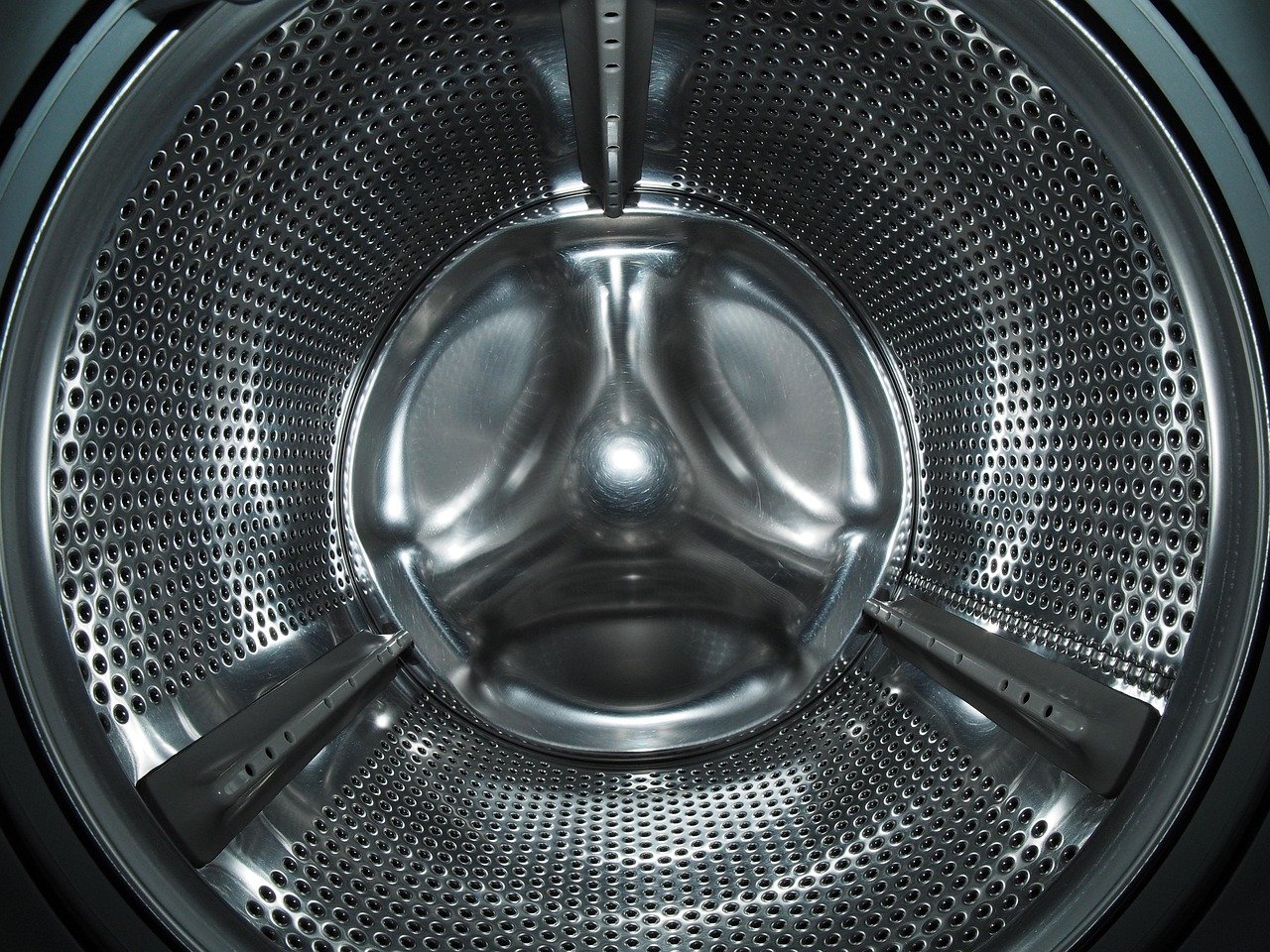
This is the choice that shapes everything else. Front-loading (horizontal-axis) machines generally use less water and less energy than top-loading (vertical-axis) machines. That is a broad engineering consensus, though cycle times and cleaning performance vary a lot between individual models.
| Feature | Front-Load | Top-Load |
|---|---|---|
| Water use | Generally lower | Generally higher |
| Energy use | Generally lower | Generally higher |
| Cycle time | Often longer | Often shorter |
| Loading comfort | Bend and crouch | Stand and drop |
| Stackable | Usually yes | Rarely |
| Typical fit | Tight closets, apartments | Wide laundry rooms |
Top-loaders with agitators clean heavily soiled workwear well and are simple to load. High-efficiency top-loaders without agitators use less water but can be fussier about detergent and load balance. Front-loaders are gentler on fabric and easier to stack, but they need their door left ajar between cycles to dry out, and the door gasket needs occasional wiping.
One mistake people make constantly: buying a front-loader for its efficiency, then running every load on a heavy-duty hot cycle. That erases most of the savings. If you want efficiency, you have to actually use the eco and cold programs.
Reading the Efficiency Labels Without Getting Fooled
In the United States, residential washers must meet federal energy-conservation standards, with the current standards taking effect in 2018. Machines also carry a yellow EnergyGuide label that estimates annual energy use and cost, which lets you compare models like for like. ENERGY STAR certification goes further, marking machines that beat the federal minimum.
In the European Union, the rescaled A–G energy label has applied to household washing machines since 1 March 2021, replacing the old A+++ scale. If you are comparing machines across markets, note that capacity is stated in cubic feet in the US and in kilograms of laundry in the EU and UK. Those units are not directly interchangeable, so cross-market comparisons are unreliable.
A practical tip: compare the annual energy figure, not the headline letter. Two machines can both carry a top rating yet differ meaningfully in yearly cost once you factor in how often you run hot cycles.
Capacity: Buy for Your Biggest Load, Not Your Average One
Overshooting capacity wastes money and space. Undershooting means you run two loads where one should do, which quietly doubles your energy and water use over a year.
As a rough guide, a single person or couple is usually fine with a compact or mid-size machine. A family of four typically wants a mid-to-large drum, especially if anyone plays sports or works outdoors. Bedding and curtains are the loads that expose an undersized machine.
Also check the drum’s physical dimensions as well as the stated capacity. A drum that is wide but shallow handles bulky items differently from a deep, narrow one. And measure your doorway and laundry closet before you fall in love with a model. Delivery-day surprises are common and expensive.
Matching the Machine to What You Actually Wash
The best washer in the world will damage the wrong fabrics if you treat everything the same. A few habits protect both your clothes and the machine’s lifespan.
Check the label before the first wash. A guide to what each clothing wash care symbol actually means will save you from shrinking a favorite shirt. Wool needs cold water and no agitation, so a dedicated wool cycle or hand-wash setting matters; here is how to wash a wool sweater without shrinking it. Structured items like caps need care too, and knowing how to wash a hat without wrecking the brim or shape keeps them wearable.
For skin-sensitive households, residue matters as much as cleaning power. A gentle cleanser and retinol-friendly wash routine, applied to fabric as well as skin, reduces irritation from leftover detergent. Use the recommended dose, not a guess, and consider an extra rinse cycle if anyone in the home has reactive skin.
If you are also upgrading other cleaning gear, the same logic applies: match the tool to the task rather than buying the most powerful option. The same principle behind choosing the best electric pressure washers for real household work applies to washers.
Reliability, Repairs, and the Warranty Fine Print
Reliability surveys from independent consumer organizations shift year to year, so always check the survey year before trusting a brand ranking. A brand that topped the table three years ago may have slipped.
Typical washer warranties run about one year for parts and labor, with longer coverage on the motor or drum. Read what is excluded. Labor coverage often expires before parts coverage, and some brands require authorized technicians only.
Right-to-repair laws enacted in several US states from 2023 onward may affect how easily you can get parts and service, but coverage varies by state, so check your local rules. In practice, the biggest reliability factor is simple: a machine that is correctly installed, kept level, and not overloaded lasts longer. Most premature failures trace back to an unbalanced drum or a clogged filter, not a manufacturing defect.
One brand worth knowing about if longevity is your priority is Speed Queen, whose reputation rests on commercial-grade construction. A Speed Queen washer is often described as commercial-grade durability in a home unit, and that comes with trade-offs in features and price.
Noise, Placement, and the Details That Annoy You Later
Noise is the spec buyers ignore and then regret. If the machine sits near a bedroom, a nursery, or an open-plan living area, listen to it running before you buy. Vibration isolation matters as much as decibels. A machine on a wooden floor transmits far more noise than the same machine on a concrete slab.
Check these practical points before purchase:
- Measure the doorway, hallway, and installation space, including clearance for hoses and the door swing.
- Confirm the water supply and drain location match the machine’s requirements.
- Decide whether you need a stacking kit or pedestal, and budget for it.
- Ask whether the model has a delay-start function if you use off-peak electricity.
- Confirm the spin speed range, since higher spin speeds extract more water and cut drying time.
That last point is underrated. A faster final spin means less time in the dryer, and the dryer is usually the biggest energy user in the laundry pair. Sometimes the smartest washer upgrade is really a drying-cost upgrade.
Smart Features: Useful or Just Expensive?
Connected washers that push notifications and run diagnostics can be genuinely handy. A machine that tells you a load is done, or flags a blocked filter before it becomes a flood, earns its keep. App-controlled cycles that let you start a load remotely are convenient but rarely essential.
The features that actually improve daily life tend to be boring: a clear display, a reliable stain cycle, an internal light, a drum that is easy to reach, and a detergent drawer that comes out for cleaning. Auto-dosing systems reduce waste but add a component that can fail.
Be skeptical of cycle counts in the dozens. Most households use four or five programs. A machine with twenty cycles and a confusing dial is worse than one with eight clear options.
A Step-by-Step Buying Process That Works
Here is a sequence that keeps the decision grounded:
- Set a total budget covering purchase, delivery, installation, and five years of energy and water.
- Choose front-load or top-load based on space and loading comfort.
- Shortlist three models that meet your capacity need and efficiency target.
- Cross-check at least two independent testers, and note the date of each test.
- Read the warranty terms for each shortlisted model.
- Check local parts and service availability for each brand.
- Confirm delivery access and installation requirements.
- Buy from a retailer with a clear return policy.
Skipping step four is the most common error. One enthusiastic review is not evidence. Two independent testers agreeing, with recent test dates, is a far stronger signal.
Conclusion
The best washer is not a universal title. It is the machine that fits your space, your loads, your budget, and your tolerance for noise and maintenance. Front-loaders usually win on water and energy, top-loaders often win on speed and simplicity, and the efficiency labels only help if you actually use the eco cycles you paid for.
Start with your habits, not the spec sheet. Measure the space, count your weekly loads, set a five-year budget, and shortlist three models. Then let independent testing and warranty terms make the final call. Do that, and the machine you choose will still feel like the right one years after the showroom shine wears off.
Frequently Asked Questions
Is a front-load washer always better than a top-load?
No. Front-loaders generally use less water and energy, but top-loaders often finish faster and are easier to load. The better choice depends on your space, your fabrics, and whether you will actually use efficient cycles.
How much capacity do I need for a family of four?
A mid-to-large drum is usually enough for a family of four, especially if you wash bedding and sports gear. Measure your space first, because a larger drum also means a larger machine footprint.
Do I need to compare energy labels before buying?
Yes, it is one of the few objective comparisons available. In the US, the yellow EnergyGuide label estimates annual energy use and cost. In the EU, the A–G label has applied to washing machines since March 2021.
How long should a washer last?
Most machines last roughly a decade with proper care, though this varies widely by brand and usage. Keeping the machine level, avoiding overloads, and cleaning the filter regularly are the habits that matter most.
Are extended warranties worth the money?
Often not, since typical manufacturer coverage already handles the first year and major components are covered longer. Check what the standard warranty excludes before paying for extra protection.
What is the most common washer buying mistake?
Buying for the average load instead of the biggest one, and skipping independent testing data. Measure your space, check two independent testers with recent dates, and read the warranty fine print before you commit.



