
What makes a washer “top rated” anyway, and why do two lists with the same title so often disagree? That question matters more than it sounds, because the answer shapes how you spend several hundred dollars and how you spend the next decade of laundry days. A machine that earns perfect scores in a lab can still frustrate a family of five, and a model with a modest score can quietly outlast everything else on the floor. Understanding how ratings are built, what they measure, and where they fall short is the difference between buying a washer that fits your life and buying one that fits a spreadsheet.
Why “top rated” is a slippery label
There is no official “top rated” stamp for washing machines. Nobody regulates the phrase, and no single body awards it. Ratings come from independent test labs, retailer review averages, trade publications, and owner-satisfaction surveys, and each one uses a different method. A lab might run hundreds of cycles with instrumented soil sensors. A retailer average might reflect a few hundred self-selected buyers who were happy enough to write something. Those two numbers can point in opposite directions and both be technically correct.
That is the first practical lesson: treat any “top rated” list as a starting point, not a verdict. The label tells you a machine performed well under somebody’s specific conditions. Your job is to figure out whether those conditions resemble your laundry room.
How independent testing actually scores a washer
Serious test programs generally measure a handful of things, and knowing them helps you read a scorecard without getting fooled by a single headline number.
Cleaning performance is usually tested by staining fabric swatches with controlled amounts of soil, running them through a standard cycle, and measuring how much soil remains using reflectance instruments. The best machines remove most stains on a normal cycle without pre-treatment. The gap between the top and bottom of a test group is often smaller than marketing suggests.
Water and energy use are reported in standardized ways. In the United States, washers fall under federal energy-conservation standards, and the current test procedure reports efficiency through metrics that combine energy and water use per cubic foot of drum capacity. Manufacturers must also display an EnergyGuide label showing estimated annual energy use and cost, which makes side-by-side comparison far easier than reading spec sheets. The Energy Star program sets qualifying limits above the federal minimum, and those requirements get revised periodically, so a model that qualified a few years ago may not qualify today.
Cycle time has become a real differentiator. Efficiency gains often come from longer wash cycles, and a machine that sips water may take two and a half hours to finish a normal load. That trade-off almost never appears in a star rating, but it dominates daily life.
Noise and vibration matter enormously in open-plan homes and upstairs laundry closets. Test labs measure decibels and vibration on spin, but the numbers rarely make it into a shortlist.
Reliability and repair history are the hardest things to test and the most valuable to know. Survey-based reliability data from independent organizations and appliance satisfaction studies exist, but rankings shift year to year, so always check the specific year’s report rather than a recycled summary.
Front-load vs. top-load: what the ratings really show
The oldest debate in laundry deserves a clear answer, and the honest one is that it depends on which metric you weight most.
| Factor | Front-load | High-efficiency top-load |
|---|---|---|
| Water use per load | Generally lower | Higher than front-load, lower than old agitators |
| Energy use | Generally lower | Moderate |
| Cleaning on heavy soil | Strong, especially with stain cycles | Good, but agitator-free designs can struggle |
| Cycle length | Often long | Often shorter |
| Bending and reach | Requires squatting | Easier for some users |
| Adding a forgotten item | Difficult mid-cycle | Usually easy |
| Typical price | Higher | Lower to mid-range |
| Vibration on spin | Higher spin speeds, needs solid floor | Generally steadier |
Front-loaders historically held the efficiency edge, and the gap narrowed considerably once high-efficiency top-loaders arrived. What the table cannot show is how much a specific model bends these generalizations. A well-engineered top-loader can beat a mediocre front-loader on cleaning, and a poorly installed front-loader can shake a second-floor bathroom like a drum kit.
One practical tip that saves real money: a front-loader on a wooden upper floor needs a sturdy, level base and the shipping bolts removed properly. Vibration complaints in reviews are frequently installation problems wearing a product-review costume.
The specs that separate a great washer from a good one
Beyond the headline score, a few specifications predict long-term satisfaction better than any star rating.
Drum capacity in cubic feet determines how many loads you run per week. Families of four or more usually land in the 4.5 to 5.5 cubic foot range for front-loaders, or slightly larger for top-loaders. Oversizing wastes energy on partial loads; undersizing doubles your workload.
Spin speed, measured in RPM, controls how much water remains in fabric after the cycle. Higher spin speeds extract more water, which shortens dryer time and cuts dryer energy use. A washer with a 1,300 RPM spin can meaningfully reduce total laundry energy even if its wash cycle is average.
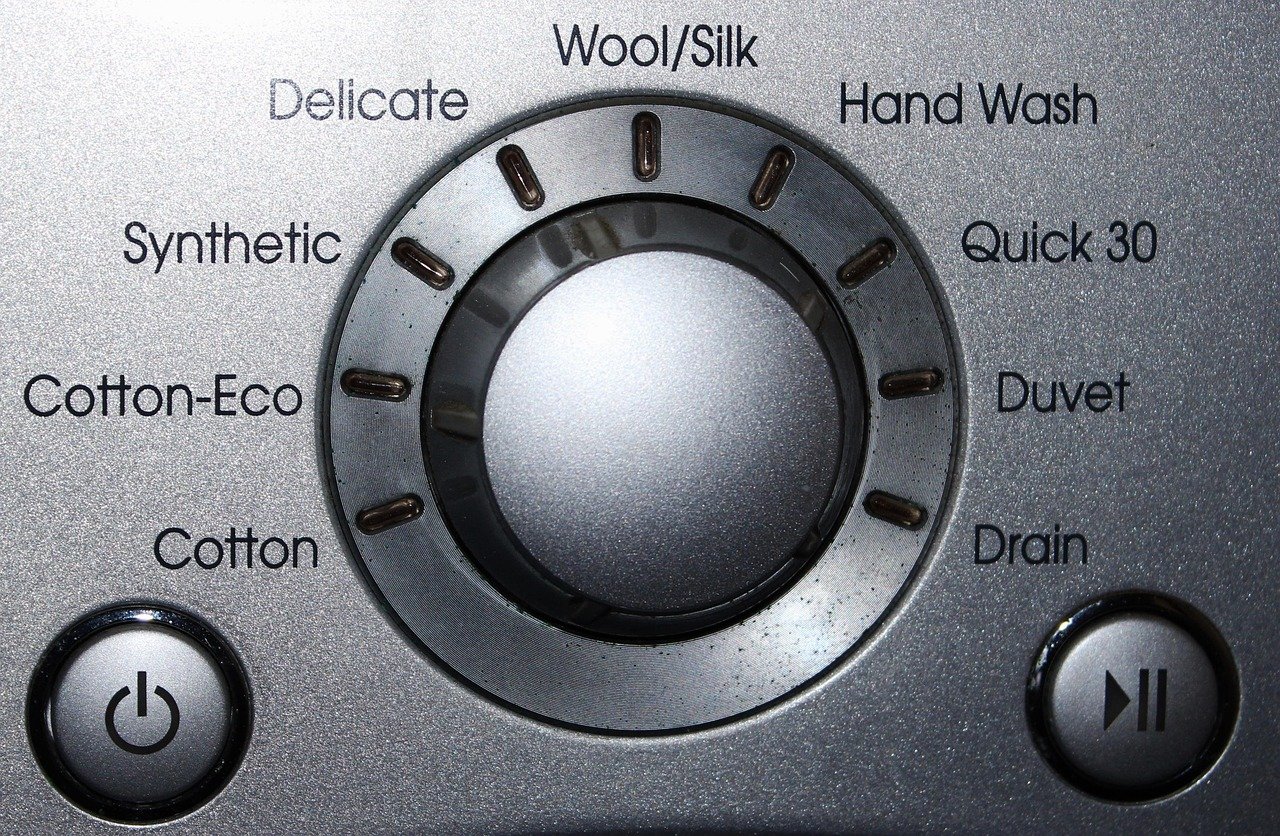
Cycle selection matters more than most buyers expect. A machine with a genuine heavy-duty cycle, a delicate cycle, and a quick wash covers nearly every household. A machine with forty cycles and no quick wash covers fewer.
Warranty structure deserves a close look. One year of parts and labor is the common baseline, and many brands extend coverage on the motor or drum, sometimes to ten years. Read what is actually covered, because “lifetime” claims usually attach to a single component.
Smart features are optional. Remote start and cycle notifications are genuinely handy for shared laundry rooms. App-dependent features that require an account to run a normal wash are a liability, not a benefit.
Reliability, recalls, and the questions reviews skip
Here is where a lot of buyers get burned. A washer can score beautifully in testing and still develop a reputation for control-board failures at year three. Since reliability data changes annually, the practical approach is to check current survey-based reliability rankings, then search the model number for recall notices and service bulletins before buying.
Recalls are not hypothetical. A major manufacturer recalled a large number of top-load washers in November 2016 because the lids could detach during use, which is exactly the kind of detail that never appears in a performance score. Checking the federal recall database takes two minutes and occasionally saves a kitchen.
Warranty fine print is the other blind spot. A ten-year motor warranty sounds generous until you learn the labor to replace that motor is billed at shop rates. Ask what a typical repair costs out of pocket, and factor that into the purchase price.
Matching a top rated washer to your actual household
The single most useful thing a buyer can do is describe their laundry honestly before reading any list.
For large families
Volume wins. Prioritize capacity, a fast normal cycle, and a heavy-duty option. A slightly lower cleaning score matters less than finishing five loads in an evening.
For small apartments and single occupants
Compact and ventless-adjacent options make sense, and cycle speed beats capacity. A quick wash that finishes in thirty minutes gets used; a two-hour normal cycle gets avoided.
For allergy sufferers and caregivers
Extra rinse options, hot-water wash cycles, and sanitizing settings earn their keep. Check that the sanitize cycle uses a genuinely high temperature rather than a label.
For upstairs laundry rooms
Vibration control and spin balance are the whole game. Read owner comments specifically about spin noise, and budget for a proper anti-vibration base.
If you are comparing appliances across categories, the same logic applies to other gear. The reasoning behind choosing the best electric pressure washers for real household work mirrors washer shopping closely: match the machine to the job, not to the spec sheet. Buyers weighing durability over flash should also look at why a Speed Queen washer gives you commercial-grade durability and where that trade-off shows up in everyday use.
Common mistakes that make a good washer feel bad
A handful of errors account for most “this machine is terrible” reviews, and nearly all of them are preventable.
- Overloading the drum. Fabric needs room to tumble. A packed drum cannot clean, and it stresses the suspension. Fill to about three-quarters at most.
- Using too much detergent. High-efficiency machines use less water, so regular detergent doses leave residue that smells and dulls fabric. Use HE detergent and less of it than the cap suggests.
- Skipping the leveling check. A washer that rocks will vibrate, walk, and eventually complain. Check level front to back and side to side before the first spin.
- Leaving the door closed on a front-loader. Trapped moisture breeds mildew in the gasket. Leave the door ajar between loads and wipe the seal monthly.
- Ignoring the drain filter. Many front-loaders hide a small access panel with a filter that needs clearing. A clogged filter turns into a slow drain and a mystery error code.
- Buying on sticker price alone. Total cost includes energy, water, detergent type, and likely repairs. A cheaper machine with a short life can cost more per year.
How to read a rating without getting fooled
A rating is a compressed signal, and compression loses information. Three habits fix that.
First, check the date. Efficiency standards and Energy Star requirements get revised, and a five-year-old review may describe a machine that no longer exists in that configuration.
Second, check the sample. A score built on instrumented lab tests tells you about performance. A score built on owner surveys tells you about satisfaction. You want both, and you want to know which one you are reading.
Third, check the failure modes. Search the model number plus the word “problem.” If the top results describe a specific recurring fault, that is more informative than any star count. The same discipline applies when you evaluate marketing claims elsewhere online, which is why guides on how to detect AI-generated images and how to spot AI-generated videos with practical checks that actually work have become genuinely useful consumer skills. Product listings are not immune to synthetic reviews and fake photos.
Where rebates and incentives fit in
Appliance incentives change constantly, and washers sit in an uncertain spot. Federal tax credits for home appliances have been revised repeatedly, and whether a specific washer qualifies depends on current guidance that shifts. State and utility rebate programs vary even more, sometimes covering only certain efficiency tiers.
The practical move is to check your utility provider’s rebate page and current federal guidance before purchase, not after. A qualifying machine can effectively cost a few hundred dollars less, and the paperwork usually needs the model number and receipt from the original purchase.
Conclusion
Top rated washers earn their reputations for real reasons: they clean well, use resources carefully, and hold up under repeated use. But the label itself is a starting point, not a finish line. The buyers who end up happiest are the ones who read the scorecard, then ask the questions the scorecard skips: How long is the normal cycle? How loud is the spin? What does a repair cost in year four? Does this machine fit the room, the household, and the routine?
Match the machine to the life around it. Check the date on every rating, verify the recall history, confirm the warranty details, and measure the doorway before delivery day. Do those things, and the washer you choose will still feel well rated a decade from now, long after the list that recommended it has been replaced.
Frequently asked questions
Are top rated washers always the most expensive?
No. Price and performance correlate loosely at best. Several mid-priced models score near the top of independent cleaning and efficiency tests, and some premium machines earn their price through build quality and quiet operation rather than superior cleaning. The strongest value usually sits in the middle of the range, where manufacturers compete hardest on efficiency and features.
How long should a washing machine last?
Most washers are expected to last roughly ten years with average use, though that varies widely by brand, usage frequency, and maintenance. Front-loaders and top-loaders have similar lifespans when cared for properly. Running fewer, fuller loads, cleaning the drain filter, and leaving the door ajar on a front-loader all extend service life noticeably.
Is a front-load washer better than a top-load washer?
Neither is universally better. Front-loaders generally use less water and energy and spin faster, which shortens dryer time. High-efficiency top-loaders are easier on the back, let you add forgotten items mid-cycle, and often cost less. The right choice depends on your floor structure, physical needs, and how much you value efficiency versus convenience.
What does the EnergyGuide label actually tell me?
The EnergyGuide label shows an estimate of annual energy use and cost for that specific model, based on standardized testing. It lets you compare machines on the same footing rather than guessing from marketing claims. The estimate assumes typical use, so heavy users should expect higher real-world figures, but the relative comparison between models holds up well.
Do smart washers justify the extra cost?
Only if the features solve a real problem. Remote start and cycle-complete notifications are useful in shared laundry rooms or for starting a load during off-peak energy hours. Features that require an app account to run a basic wash add a point of failure without adding much value. Buy for the wash performance first and treat connectivity as a bonus.
How can I verify a washer’s efficiency claims before buying?
Check three things: the EnergyGuide label on the model listing, whether the model currently qualifies under the Energy Star program, and the date of any review you are relying on. Efficiency requirements get revised, so older certifications may no longer apply. Your utility’s rebate page is also a useful cross-check, since rebates usually track the strictest current tiers.



