
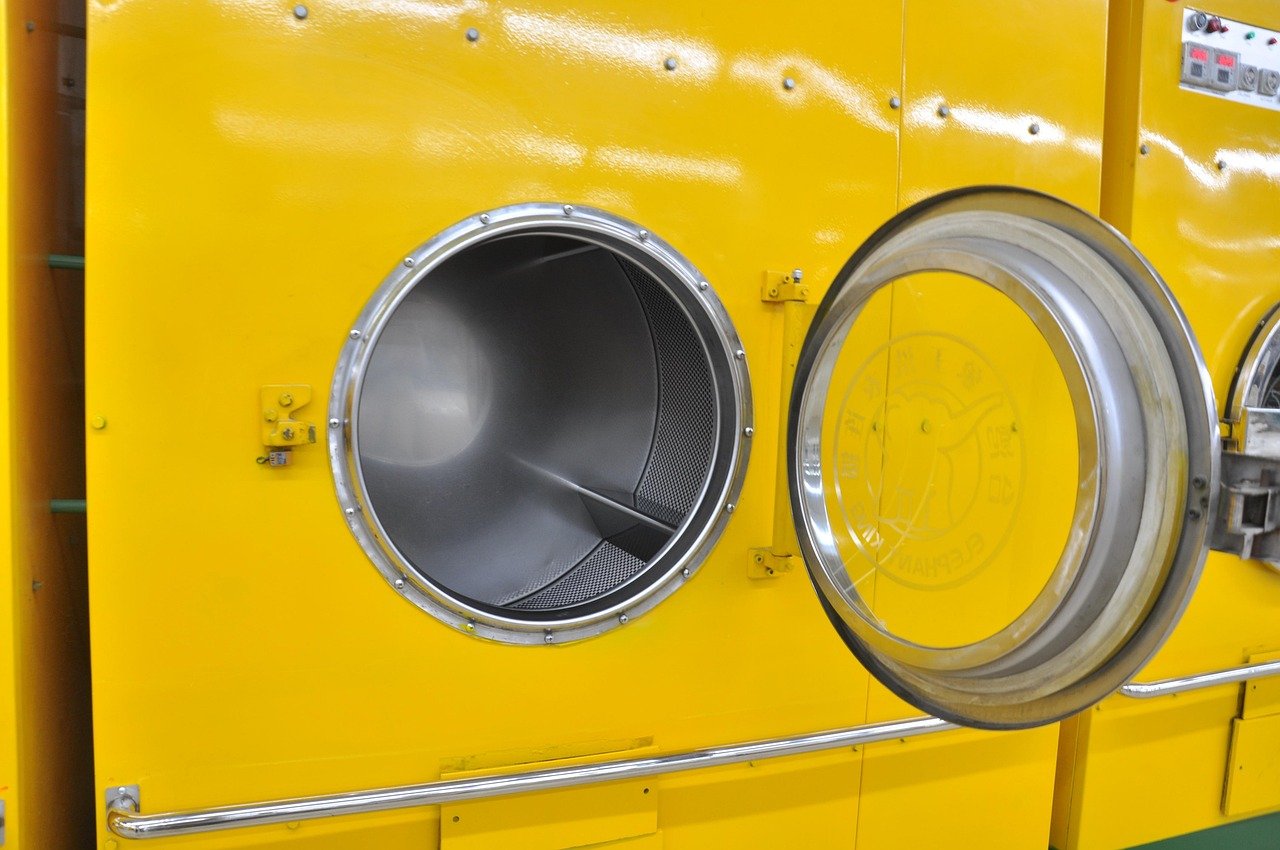
What if the best washer isn’t the one with the biggest drum or the flashiest display, but the one that fits how you actually do laundry? That question sounds simple. The answer isn’t. Walk into any appliance showroom and you’ll see rows of machines with oversized drums, glowing dials, and stickers promising to save the planet. Every one of them claims to be the best. None of them defines what “best” means. (Speed queen washer you get commercial grade durability)
That’s the trap. “Best washer” is not a single machine. It’s a match between a machine and a household. A family of five with a muddy dog needs something very different from a single renter in a small apartment. This guide breaks down what actually matters, where the marketing misleads, and how to choose with confidence.
Start With the Right Question
Most buyers ask, “Which washer is best?” The more useful question is, “Best for what?” The answer changes depending on four things: your budget, your space, your laundry volume, and your priorities. Do you care most about cleaning power, energy bills, quiet operation, or long-term reliability?
Buyers who skip this step often end up with a machine that scores well in reviews but frustrates them daily. A high-capacity front-loader is a poor fit for a closet-sized laundry nook. A budget top-loader may disappoint a household that runs eight loads a week.
So before comparing models, write down your real constraints. Then judge every machine against them.
Front-Load vs. Top-Load: The Core Trade-Off
This is the first real decision, and it shapes everything else.
| Feature | Front-Load | Top-Load |
|---|---|---|
| Water use | Generally lower per load | Generally higher |
| Energy use | Usually lower (less hot water to heat) | Usually higher |
| Cleaning performance | Strong, especially with tumbling action | Good, depends on agitator or impeller |
| Cycle speed | Slower | Faster |
| Price | Typically higher | Typically lower |
| Loading comfort | Bending and reaching | Easy drop-in loading |
| Maintenance | Requires door seal cleaning | Simpler, fewer seals |
Front-loaders generally use less water and energy per load, largely because they don’t fill a full tub. Top-loaders are typically cheaper and faster. These are general patterns, not universal rules, so check current test data for any specific model.
One practical note that rarely makes the spec sheet: front-loader door gaskets trap moisture and lint. If you don’t wipe and dry the seal regularly, mildew becomes a real problem. Top-loaders avoid that particular chore. Neither design is “better” in the abstract. The right one depends on which trade-offs you can live with.
Capacity: Why the Numbers Don’t Compare Across Regions
Here’s a detail that trips up buyers who read reviews from other countries. US machines are rated in cubic feet. European machines are rated in kilograms of cotton load. These are not directly comparable, so cross-region rankings are unreliable. A “10 kg” European machine and a “4.5 cu ft” American machine may handle very different real-world loads.
A better approach: think in baskets, not numbers. How many laundry baskets does your household produce in a week? A single person might generate one or two. A family of four with young kids can easily hit six or more.
Oversizing has costs. A huge drum run half-full wastes water and energy, and some machines won’t spin a small load efficiently. Undersizing means more cycles, more wear, and more time. Match capacity to your typical week, not your worst-case holiday hosting.
Efficiency: Read the Label, Not the Sticker
Running costs matter more than purchase price over a machine’s life. Efficiency labels exist to make that comparison possible.
In the US, residential clothes washer standards have been updated over time, with amended rules published in recent years and compliance dates set for the late 2020s. Exact dates should be confirmed with the Department of Energy before you rely on them. In the EU, since 1 March 2021, washing machines carry a rescaled energy label using A to G classes, with no A+ grades, and it shows energy and water consumption per 100 cycles.
What does this mean for you in practice?
- Ignore old letter grades. An “A+” on an older EU label does not mean the same as an “A” on the current one.
- Compare energy and water together. A machine can be stingy with electricity but thirsty with water.
- Check per-cycle figures. Annual estimates assume a certain number of washes, which may not match your habits.
- Factor in hot water. If your machine heats its own water, efficiency gains show up on your electric bill. If it draws from a gas water heater, the math shifts.
One more variable people forget: water hardness. Hard water can require more detergent and may affect machine longevity. If your area has hard water, budget for that, and consider a model with settings that adjust rinse behavior.
Cleaning Performance: What Tests Actually Measure
Lab tests typically score stain removal across a standard set of stains, plus gentleness on fabrics and color retention over repeated washes. Those scores are useful, but they don’t tell the whole story.
Real-world cleaning depends heavily on how you load and dose. Common mistakes that hurt results:
- Overloading the drum. Clothes need room to tumble or agitate. Packed machines clean poorly and strain the suspension.
- Using too much detergent. Excess suds trap soil and leave residue. Follow the dose for your water hardness, not the cap’s maximum line.
- Skipping sorting. Heavy items like jeans can wear delicate fabrics. Check the symbols on your garments so you know what each label icon actually means before you guess.
- Neglecting the machine itself. Run a cleaning cycle monthly. Residue builds up in any washer, front or top.
Delicates deserve special mention. If you own wool, learn how to wash a wool sweater without shrinking it before you trust any machine’s “wool” cycle. And if you wear hats, the brim is a separate problem: knowing how to wash a hat without wrecking brim or shape saves a lot of regret.
Reliability: The Data Is Thinner Than You Think
Ask ten people which brand is most reliable and you’ll get ten confident answers, usually based on one machine they owned. That’s anecdote, not evidence.
Independent, peer-reviewed reliability datasets for washing machines are scarce. The most-cited sources are subscriber surveys from consumer testing organizations, which publish repair rates and satisfaction scores. These are useful but survey-based, and rankings differ between surveys and years. Treat any “most reliable brand” claim as a snapshot, not a law.
What can you do with limited data?
- Look at repair rates as well as satisfaction. A brand can delight people when it works and still break often.
- Check warranty length and what it covers. Labor coverage matters as much as parts.
- Ask about service networks. A great machine with no local technician is a problem waiting to happen.
- Consider commercial-grade builds. If longevity is your top priority, a commercial-grade design can make sense. This breakdown explains how a Speed Queen washer gives you commercial-grade durability and why machines built for constant use appeal.
Noise, Spin Speed, and the Details That Annoy You Later
Spin speed is measured in rpm. Higher spin speeds generally extract more water, which shortens drying time. That’s a real energy saving, since dryers are thirsty appliances. But higher rpm can also mean more noise and vibration, especially on wood floors or upper levels.
If your laundry room shares a wall with a bedroom or sits above a living space, prioritize vibration control. Look for machines with sturdy suspension and leveling feet, and consider an anti-vibration mat. A washer that walks across the floor during spin is not a bargain at any price.
Noise ratings are less standardized than energy ratings, so read owner reports rather than trusting a decibel number in isolation.
Match the Machine to Your Life
Some practical pairings based on common household types:
Small apartment, one or two people. A compact front-loader or a stacked unit saves space. Prioritize quiet operation and a fast cycle. You don’t need huge capacity.
Family with young children. High capacity and stain cycles matter. A machine that handles quick washes for school uniforms is worth more than one with exotic settings you’ll never use.
Allergy sufferers. Hot wash capability and thorough rinse options help. So does a machine you can keep clean easily.
Budget-focused buyers. A basic top-loader with good efficiency ratings often beats a discounted premium model with expensive parts.
Pet owners. Look for robust lint handling and a cycle that deals with hair. A machine that traps debris poorly will spread it to everything else.
Beyond the washer itself, think about the whole cleaning routine. If you’re also buying outdoor cleaning gear, it helps to choose best electric pressure washers for real household work so you don’t overspend on power you won’t use. And for skincare routines, a gentle cleanser retinol wash without wrecking your skin is a reminder that “stronger” isn’t always better, a principle that applies to washers too.
Buying Smart: Timing, Warranty, and Installation
A few habits separate happy buyers from frustrated ones.
Measure twice. Measure the doorway, the hallway, and the laundry space, including clearance for hoses and the door swing. Delivery teams won’t remove a door frame for you.
Check the return policy. Appliance returns are often restricted once installed. Confirm before purchase.
Read the warranty fine print. Many exclude commercial use, improper installation, and damage from hard water or poor maintenance.
Budget for extras. Hoses, a new vent for the dryer, a surge protector, and delivery or haul-away fees add up.
Keep the manual. Cycle charts and troubleshooting codes are worth their weight in gold two years in.
If you’re also refreshing your wardrobe care habits, a quick reference on clothing wash care symbols helps you avoid setting a machine to the wrong cycle and ruining clothes you love.
Conclusion
The best washer is not a trophy model. It’s the machine that fits your space, your weekly laundry volume, and your priorities, whether those are low bills, quiet nights, or a build that lasts a decade. Front-loaders generally win on water and energy. Top-loaders generally win on price and speed. Efficiency labels let you compare running costs honestly, as long as you read the current version. Reliability data is thinner than the marketing suggests, so weigh surveys carefully and check warranties and service networks.
Do the unglamorous work first: measure your space, count your loads, and write down what matters. Then compare models against those criteria. That process beats any “best of” list, because it’s built around your life rather than someone else’s test lab.
Frequently Asked Questions
Is a front-load washer better than a top-load washer?
Neither is universally better. Front-loaders generally use less water and energy per load, while top-loaders are typically cheaper and faster. The right choice depends on your budget, space, and whether you’re willing to maintain the door seal on a front-loader.
How much capacity do I actually need?
Think in laundry baskets rather than spec numbers. A single person usually needs a compact or mid-size machine. A family of four with young children often needs a larger drum. Oversizing wastes water and energy on partial loads, so match capacity to your typical week.
Why can’t I compare US and European washer capacities directly?
US machines are rated in cubic feet, while European machines are rated in kilograms of cotton load. These measurements aren’t directly comparable, so cross-region rankings can mislead. Compare machines within the same rating system instead.
Do higher spin speeds really save energy?
Generally, yes. Higher rpm extracts more water, which shortens dryer time and cuts drying energy. The trade-off is more noise and vibration, so if your laundry area is near a bedroom, weigh quiet operation against faster drying.
How reliable are brand reliability rankings?
Treat them as useful but limited. Most public reliability data comes from subscriber surveys, and rankings differ between surveys and years. Independent, peer-reviewed datasets are scarce. Check repair rates, warranty terms, and local service availability rather than relying on a single ranking.
How often should I clean my washing machine?
Roughly once a month is a sensible habit. Run a hot cleaning cycle with a machine cleaner, wipe the door seal on front-loaders, and leave the door ajar between uses to dry the drum. Regular cleaning protects performance and prevents odors from taking hold.



