
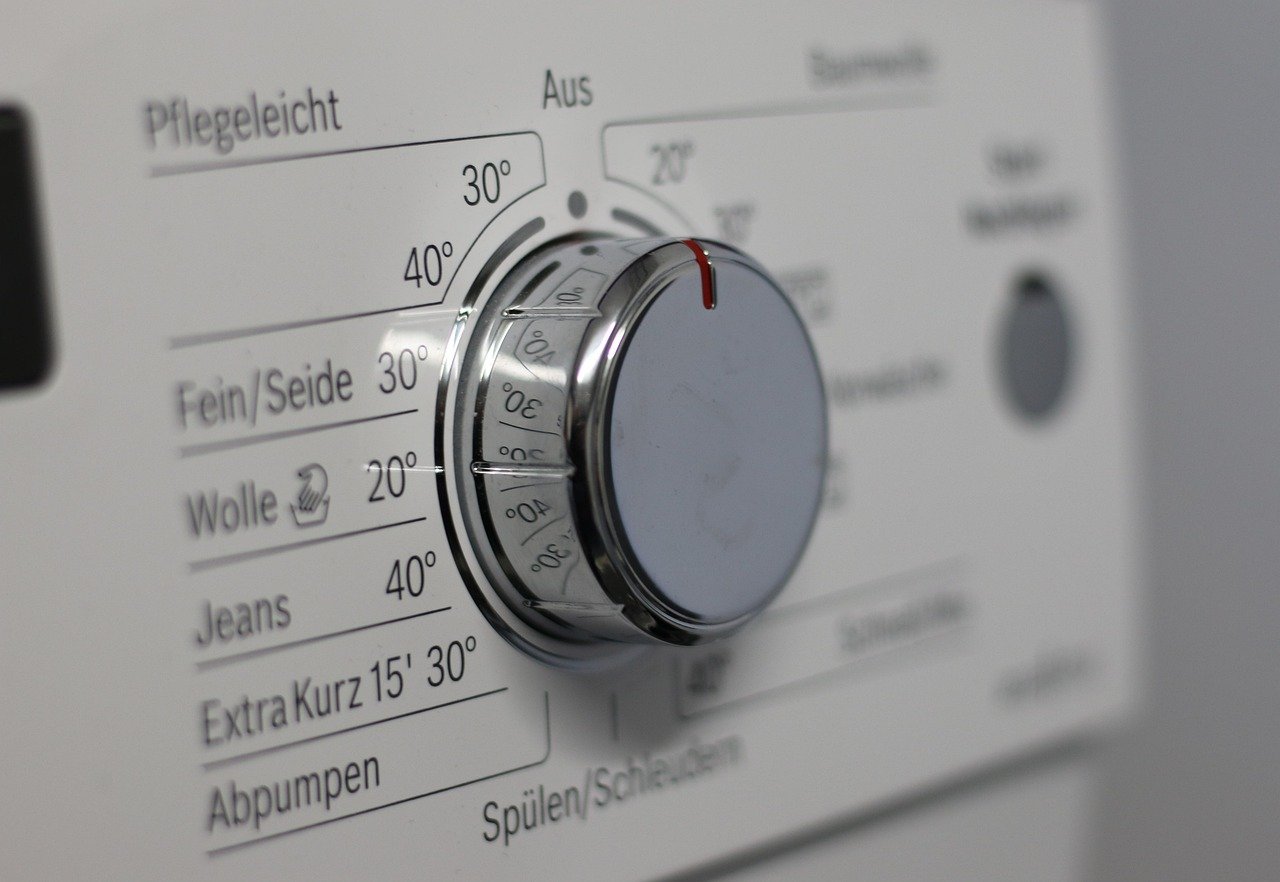
Which washing machine is really the highest rated? Ask ten people and you’ll get ten answers, because “highest rated” is not one measurement. It depends on who is doing the rating, what they are measuring, and when they measured it. A machine that tops a reliability survey may finish mid-pack in a lab test of stain removal. A model with a five-star average on a retailer’s site may never have been tested by anyone. Understanding that landscape is the difference between buying a washer you love and buying a washer you regret.
Why “Highest Rated” Is Not One Thing
The phrase hides at least four different questions. Who tested it? What did they measure? How old is the data? And how many owners weighed in?
A reliability survey asks people whether their machine broke. A lab test measures cleaning performance, water use, and cycle time under controlled conditions. Owner satisfaction studies ask whether people would buy the same machine again. Retail review averages are a mix of all three, filtered through whoever happened to leave a review.
These sources disagree constantly, and that is not a flaw. It is what happens when one rater weights durability heavily and another weights cleaning power. Treat any single list as one voice in a conversation, not a verdict.
Front-Loader or Top-Loader: The Split That Decides Everything
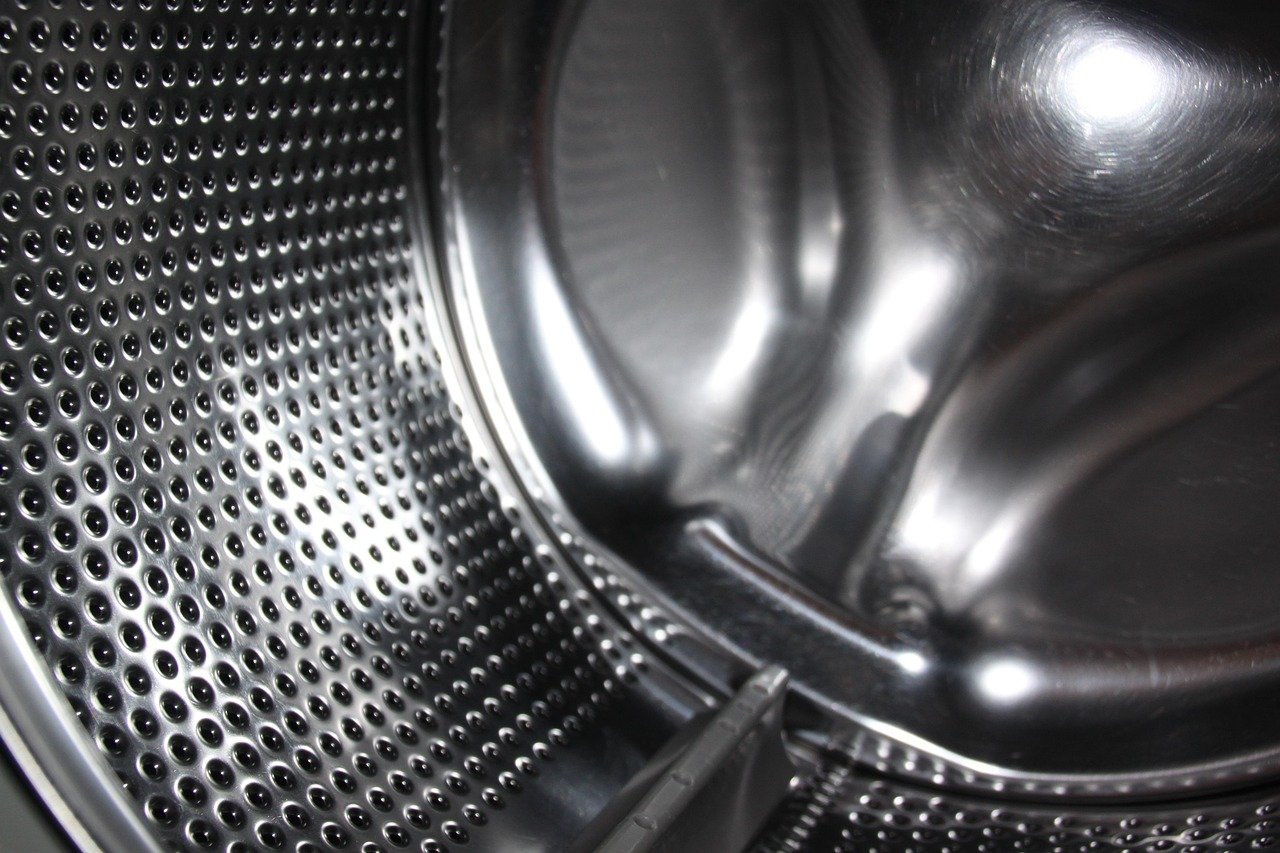
Before comparing ratings, settle the format question. Almost every washer sold in the United States is either a front-loader or a top-loader, and the two behave differently enough that ratings rarely cross over cleanly.
| Feature | Front-Loader | Top-Loader |
|---|---|---|
| Water and energy use | Generally lower per cycle | Generally higher |
| Typical price | Higher upfront | Lower upfront |
| Cycle length | Longer | Shorter |
| Detergent | Requires HE detergent | HE detergent recommended |
| Loading | Bend and reach down | Drop clothes in from above |
| Common complaint | Door gasket odor if neglected | Tangled loads, rougher wash |
Front-loaders tumble clothes through a shallow pool of water, which is why they sip rather than gulp. Top-loaders with agitators or impellers fill the drum more fully. That basic mechanical difference drives most of the efficiency gap, and it explains why a top-loader can win on price and speed while losing on utility bills.
One practical note that trips people up: front-loaders need high-efficiency (HE) detergent because of the low water volume. Regular detergent in a front-loader can produce excess suds that cushion the tumbling action and leave residue. Manufacturer manuals say this plainly, and it is one of the most common causes of “my front-loader doesn’t clean” complaints.
What the Efficiency Labels Actually Mean
Two labels carry real weight in the U.S. market, and both are worth reading before you look at any rating.
The EnergyGuide label, required by the Federal Trade Commission, shows estimated annual energy use and estimated annual operating cost for that specific model. Because it uses a standardized calculation, it lets you compare two machines side by side on running cost rather than guessing.
ENERGY STAR certification marks models that meet efficiency criteria set above the federal minimum. Those criteria get revised periodically, so the current specification version is worth confirming on the program’s own materials rather than trusting a sticker on an older floor model.
Federal minimum efficiency standards for residential clothes washers exist under the National Appliance Energy Conservation Act framework, administered by the U.S. Department of Energy. Standards have been revised multiple times, and rulemaking is ongoing, so the exact requirements in force shift over time.
Here is the practical translation: a highly rated washer that costs more to run every year may be the more expensive machine over a decade. Efficiency and rating quality are related but separate questions.
How to Read Ratings Without Getting Fooled
Ratings are useful. Ratings read carelessly are expensive. A few habits separate the two.
Name the rater and the date
Any “highest rated” claim should tell you who rated it and when. Model years turn over, firmware updates change behavior, and test methodologies get revised. A ranking from three years ago describes a market that no longer exists.
Treat retailer review averages as weak evidence
Review averages on retail sites are not comparable across sites. Verification policies differ, incentives for leaving reviews differ, and moderation differs. A 4.7 average on one site and a 4.4 on another may reflect the shoppers, not the machines.
Separate reliability from performance
A machine that cleans beautifully but needs a repair visit in year three is not the same purchase as a machine that cleans adequately for twelve years. Reliability surveys are among the few public sources for this, and they are worth seeking out specifically rather than hoping a star rating captures it.
Check the capacity against your actual laundry
U.S. residential washers commonly fall somewhere in the range of about 3.5 to 5.0 cubic feet or more, and exact market ranges vary by source. Bigger drums handle comforters and bulky loads. They also cost more and, filled halfway, waste resources. Match capacity to household size, not to the biggest number on the spec sheet.
Practical Tips That Actually Change Outcomes
Some of the most useful advice has nothing to do with which machine wins a ranking.
Use the right amount of the right detergent. More detergent is not cleaner laundry. In a low-water machine, overdosing leaves residue and can trigger odor. Follow the dosing line and use HE formula in a front-loader.
Leave the door ajar between loads. Front-loader gasket odor comes from trapped moisture, not from a design flaw. Wiping the gasket and letting the drum dry is the standard fix.
Run a cleaning cycle monthly. Most modern machines have one. It is there because residue builds up, and skipping it is a common cause of musty smells.
Level the machine. A washer that walks across the floor is usually sitting unevenly, not failing. Check the feet before calling for service.
Read the manual for cycle quirks. Some cycles spin slower by design, and some “quick wash” settings trade cleaning power for time. Knowing which is which prevents a lot of disappointment.
If you are the type who researches purchases deeply, the same discipline that helps you compare washers applies elsewhere. The logic behind picking a high-yield savings account with a competitive daily rate is not so different: compare the real numbers, not the marketing. And if you are weighing a career change against a big appliance purchase, it helps to know which skilled trades pay the most before you commit.
Where Shoppers Usually Go Wrong
A few mistakes show up again and again.
Buying on star rating alone. A high average with forty reviews is noise. A moderate average with thousands of verified reviews is signal.
Ignoring the operating cost. The purchase price is the visible number. The utility bill is the one that keeps arriving.
Assuming commercial-style durability comes free. Some brands build their reputation on heavy-duty construction and long warranties, and that reputation is usually priced in. It can be worth it, but it is a deliberate trade, not a free upgrade. The same logic applies to appliances marketed on commercial-grade build quality, where the durability claims behind a Speed Queen washer are worth reading closely rather than accepting at face value.
Skipping the delivery and installation details. Doorway width, hookup type, and haul-away service cause more purchase-day headaches than performance ever does.
Forgetting the rebate. Utility rebates for efficient appliances exist in many areas. They rarely appear in ratings comparisons, and they change the math.
Matching the Machine to the Household
The highest-rated washer for a family of five with a mudroom is not the highest-rated washer for a single person in a third-floor apartment. Ratings describe machines in general. Your situation is specific.
Ask three questions before you shop. How many loads per week? Is there a bulky-item need, like bedding or pet blankets? And is the machine going in a closet, a garage, or a dedicated laundry room with a floor drain?
A compact machine may be the only thing that fits and still score well. A large-capacity front-loader may be the obvious pick for a busy household and a poor fit for a tight hallway. The rating is the starting filter, not the decision.
Conclusion
The highest rated washer is not a single model you can look up and buy with confidence. It is a shortlist built from several sources, checked against your own laundry habits, your space, and your budget for running costs. Name the rater, check the date, separate reliability from performance, and read the EnergyGuide label before the star rating. Do that, and the machine you choose will be highly rated by the only reviewer who has actually seen your laundry room.
FAQ
What does “highest rated washer” actually mean?
It means different things depending on the source. Lab testers measure cleaning and efficiency, survey organizations measure reliability and owner satisfaction, and retailers average customer reviews. These sources use different methods and weight different qualities, so they often disagree. A useful rating names who did the rating, what they measured, and when.
Are front-loaders better than top-loaders?
Neither is universally better. Front-loaders generally use less water and energy per cycle, while top-loaders typically cost less upfront and finish faster. The right choice depends on your budget, your space, and how much you care about long-term utility costs. Both formats appear among highly rated machines.
Do I really need special detergent for a front-loader?
Yes, in most cases. Front-loaders use very little water, and regular detergent can create excess suds that reduce cleaning performance and leave residue. High-efficiency (HE) detergent is formulated for low-water machines. Check your manual, but HE formula is the safe default.
How much do efficiency labels really matter?
They matter more than most shoppers expect. The EnergyGuide label gives a standardized estimate of annual energy use and cost, which lets you compare running costs directly. ENERGY STAR certification marks models meeting criteria above the federal minimum. Over a decade, the gap in operating cost can be substantial.
Why do ratings from different sources disagree so much?
Because they measure different things. A reliability survey captures durability, a lab test captures cleaning performance, and a customer review average captures whatever the reviewer cared about. Different weightings produce different rankings. Treat each source as one perspective and look for machines that score well across several.
How big a washer should I buy?
Match capacity to your household rather than buying the largest drum available. U.S. residential washers commonly range from roughly 3.5 to 5.0 cubic feet or more, though exact ranges vary. Larger drums handle comforters and bulky loads well but cost more and waste resources when only partly filled.
One last habit worth building: check the return window and warranty terms before delivery day, because a washer’s real rating is only proven once it is installed in your home and has run a dozen loads. If the first month brings noise, leaks, or disappointing cleaning, a generous return policy matters more than any score. Keep the manual, register the warranty, and note the model number somewhere you will find it again. Then let the machine earn its rating load by load.
That final point deserves emphasis: the best-rated washer in the world is only as good as the support behind it. Before you buy, confirm who performs warranty service in your area and whether parts are readily available, since a machine that needs a specialist technician three weeks out is a burden regardless of its test scores. Also check whether the retailer offers haul-away and installation, as these services quietly shape the true cost of ownership. In the end, ratings narrow the field; your diligence, your habits, and your follow-through decide the winner.



