

What happens when your refrigerator dies on a Friday afternoon in Colorado Springs and the nearest big-box store is out of the model you want? That scenario plays out more often than people expect, and how you handle it depends on knowing the local landscape: who sells what, who repairs what, how altitude affects certain appliances, and which rebates are worth chasing. This guide covers the practical side of appliances in Colorado Springs — the buying, the fixing, the permitting, and the mistakes that cost people money. (Best ski resorts colorado practical guide real trips)
Why the Local Market Looks Different From Denver
Colorado Springs is Colorado’s second-largest city, and that size supports a genuinely broad appliance market: national chains, regional independent dealers, factory-authorized service companies, and a healthy bench of independent repair technicians. But the city’s geography and housing stock shape the market in ways that matter.
The city sits at roughly 6,000 feet, and many neighborhoods climb higher. Altitude affects gas appliance performance — burner adjustment, venting, and combustion air all behave differently than at sea level. Manufacturers publish altitude guidance for gas ranges, furnaces, and water heaters, and local code governs installation. The permitting authority for the region is the Pikes Peak Regional Building Department, which handles gas line and electrical work tied to appliance installation. Skipping that step is one of the most common and most expensive mistakes homeowners make.
Housing age matters too. Colorado Springs includes new-build subdivisions, mid-century ranches, and older central neighborhoods. In older homes, appliance replacement often uncovers problems the previous unit was hiding: undersized electrical circuits, missing shutoff valves, or venting that no longer meets code. Budget for an inspection line item as well as the appliance.
Where to Buy Appliances in Colorado Springs
Buyers generally choose among four channels, and each has trade-offs worth understanding before you walk in.
| Channel | Strengths | Watch-outs |
|---|---|---|
| National big-box stores | Wide inventory, frequent promotions, easy financing | Delivery windows can slip; installation subcontractors vary in quality |
| Local independent dealers | Product knowledge, relationship service, price matching | Smaller floor stock; special orders take time |
| Appliance repair shops that also sell | Refurbished and scratch-and-dent units, honest advice | Limited selection; warranty terms vary |
| Online retailers | Best price on paper, huge selection | Delivery logistics, returns, and service coverage are on you |
A practical pattern that works well: use the big-box store to see and measure models in person, then check whether a local independent dealer will match the price. Many will. What you gain is a salesperson who knows the difference between two similar model numbers and a service relationship that matters when something breaks at month fourteen.
Measure before you shop, not after
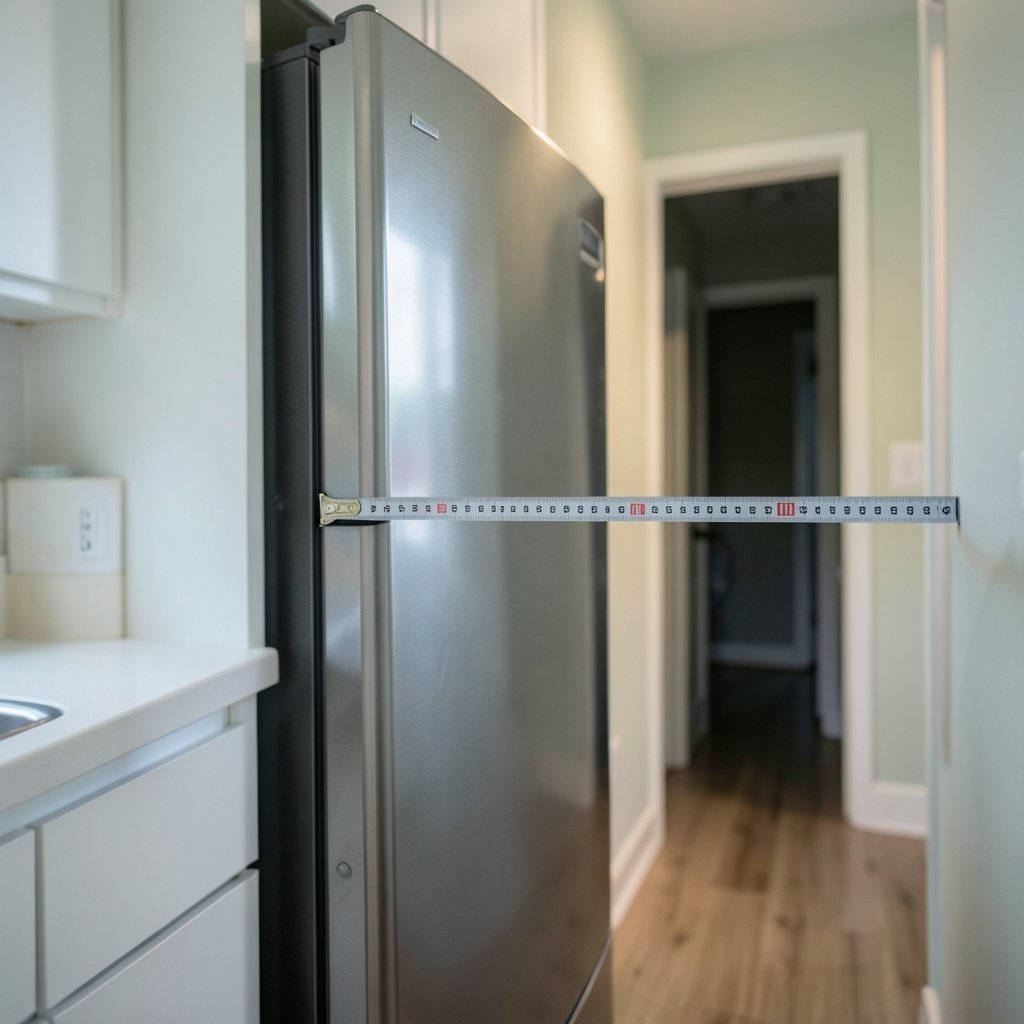
The single most common buying mistake is ordering a refrigerator that does not fit. Measure the opening — width, height, and depth — and then measure the path from the front door to the kitchen. Doorways, stair turns, and tight galley kitchens kill more deliveries than any other factor. Refrigerator doors often need to be removed to clear a doorway, and some models allow that more easily than others. Ask about reversible doors and hinge clearance before you buy.
Also confirm the electrical setup. Most modern ranges and dryers need specific circuit types, and older homes may not have them. A quick look at the breaker panel and the existing outlet saves a costly surprise on delivery day.
Repair or Replace? A Framework That Holds Up
Repair-versus-replace decisions get emotional. A simple rule keeps them rational: compare the repair cost to the cost of a comparable new unit, and weigh the age of the appliance against its expected service life.
| Appliance | Typical expected service life |
|---|---|
| Refrigerator | 10 to 15 years |
| Electric range | 13 to 15 years |
| Gas range | 15 years or more |
| Dishwasher | 9 to 12 years |
| Clothes washer | 10 to 13 years |
| Clothes dryer | 13 years |
| Water heater (tank) | 8 to 12 years |
If a unit is past two-thirds of its expected life and the repair exceeds half the price of a new one, replacement usually wins. If it is young and the repair is modest, repair wins — and modern appliances are often worth repairing precisely because replacement prices have climbed.
One more factor specific to this region: hard water. Much of the Colorado Springs area receives mineral-heavy water, which shortens the life of dishwashers, washing machines, and tank water heaters. Descaling and routine maintenance stretch those appliances noticeably. If a dishwasher or washer dies early, scale buildup is a frequent culprit.
What to check before you call a technician
A surprising share of service calls end with “nothing was wrong.” Before booking a repair, confirm that the appliance is receiving power, that the breaker has not tripped, that the water supply valve is open, and that the drain is not clogged. For a dryer that will not heat, check the vent for lint blockages — a safety issue as well as a performance issue. For a refrigerator that is warm, check that the condenser coils are not buried in dust and that the door gasket seals.
When you do call, have the model and serial number ready. They are usually on a sticker inside the door, behind a kick plate, or on the back panel. Technicians can quote more accurately and arrive with the right parts.
Altitude, Venting, and Code: The Local Details People Miss
Gas appliance installation at altitude is not a do-it-yourself project in most cases. Manufacturers specify orifice sizes and derating for high-altitude operation, and getting it wrong affects both performance and safety. Carbon monoxide risk is real, and any gas appliance work should include a carbon monoxide alarm on the same level.
Venting deserves separate attention. Dryer vents, range hoods, and water heater flues all have length and material requirements. A common failure in older Colorado Springs homes is a dryer vent that runs too long or terminates in a restricted space, which turns a minor lint problem into a fire risk. Cleaning the vent annually is cheap insurance.
Permits matter for anything beyond a like-for-like swap. Replacing a water heater, running a new gas line, or adding a 240-volt circuit for a range or dryer typically requires a permit and inspection. Unpermitted work can complicate a future home sale and may void insurance coverage. The cost of a permit is small compared to the cost of discovering the problem years later.
Rebates and Efficiency: What to Chase and What to Ignore
Federal minimum efficiency standards apply to most major appliances, and ENERGY STAR is a voluntary label for models that exceed those minimums. Efficiency criteria get revised periodically, so a model that qualified a few years ago may not qualify today. Check the current criteria before assuming a label means savings.
Utility and state programs change frequently, and rebate amounts are revised often enough that any figure quoted in an article should be treated as a starting point, not a promise. The practical approach: before buying, check the current rebate listings from your utility and the state energy office, then confirm eligibility with the retailer. Some rebates require specific model numbers, and some require installation by a licensed contractor.
Be skeptical of efficiency premiums that never pay back. For a refrigerator you will keep fifteen years, a modest efficiency upgrade usually makes sense. For a dryer you use twice a week, the difference between models is often small. Put the money toward a better-built unit instead.
Building a Maintenance Routine That Saves Money
Most appliance failures are maintenance failures in disguise. A simple annual routine prevents the majority of them:
- Vacuum refrigerator condenser coils and check door gaskets for gaps.
- Clean the dryer lint trap every load and the full vent run once a year.
- Run a dishwasher cleaning cycle or a vinegar cycle monthly to manage scale.
- Flush the water heater annually to remove sediment, especially with hard water.
- Check washing machine hoses for bulging or cracking and replace them every five years.
- Clean range hood filters and confirm the hood actually vents outdoors.
None of this takes long, and each item maps directly to a common repair bill. The water heater flush alone can add years of life in a hard-water region.
Common Mistakes and How to Avoid Them
A few patterns show up again and again among Colorado Springs appliance buyers and owners.
Buying on price alone. The cheapest unit is often the one with the shortest warranty and the least available parts. Check parts availability before buying an obscure brand.
Skipping the delivery measurement. Measure the door path as well as the alcove. This single step prevents the most frustrating delivery-day failures.
Ignoring the install crew. Installation quality varies enormously. Ask who will do the install, whether they are licensed, and whether they will haul away the old unit and test the new one before leaving.
Forgetting the old appliance. Haul-away is sometimes included and sometimes an extra fee. Confirm before delivery day, and if you are replacing a refrigerant appliance, make sure it is disposed of properly rather than left curbside.
Not keeping the paperwork. Warranty claims require proof of purchase and often proof of professional installation. Keep both.
When to Call a Pro and When to DIY
Filter changes, coil cleaning, vent cleaning, and gasket checks are reasonable DIY tasks. Anything involving gas lines, 240-volt circuits, refrigerant, or sealed systems is not. Beyond safety, DIY work on sealed systems can void warranties outright.
For repairs, choose a technician with factory authorization for your brand when the unit is under warranty — unauthorized work can void coverage. For out-of-warranty repairs, independent technicians often cost less and are more willing to attempt a fix rather than push a replacement.
If you are also outfitting a home rather than just fixing one, the same practical mindset applies to other purchases: measure, verify the specs that matter, and buy for how you will actually use the thing. That logic shows up everywhere, from choosing a jade ring buying guide where stone type and setting quality matter more than the photo, to picking a light spring color palette and how to wear it without overbuying. Appliances reward the same discipline.
Conclusion
Appliances in Colorado Springs are not complicated, but they are local. Altitude changes how gas appliances must be set up. Hard water shortens the life of anything that heats or moves water. The permitting authority has real requirements, and rebate programs shift often enough that checking current terms beats trusting an old number. The buyers who do well are the ones who measure before ordering, confirm installation details in writing, keep up with basic maintenance, and treat repair-versus-replace as a math problem rather than a mood. Do those things, and the Friday-afternoon refrigerator emergency becomes an inconvenience instead of a crisis.
Frequently Asked Questions
How much does appliance repair cost in Colorado Springs?
There is no single reliable figure, because cost depends on the appliance, the part, and whether the technician is factory-authorized. Most companies charge a diagnostic or service call fee plus parts and labor. Ask for the diagnostic fee and the hourly rate up front, and ask whether the diagnostic fee is credited toward the repair if you approve the work. That one question often saves money.
Do I need a permit to install a new appliance?
For a like-for-like swap of a plug-in appliance, usually not. For a new gas line, a water heater replacement, or a new 240-volt circuit, a permit and inspection are typically required. The Pikes Peak Regional Building Department is the permitting authority for the region. Confirm requirements before work begins rather than after.
Does altitude affect appliances in Colorado Springs?
Yes, particularly gas appliances. At roughly 6,000 feet, manufacturers often specify different orifice sizes or derating for gas ranges, water heaters, and other combustion equipment. Venting and combustion air requirements also differ. Follow the manufacturer’s altitude guidance and local code, and keep a carbon monoxide alarm on the same level as any gas appliance.
Is it worth repairing an old refrigerator or buying new?
Use the two-thirds rule. If the unit is past about two-thirds of its expected service life and the repair costs more than half the price of a comparable new model, replacement usually makes more sense. If the unit is younger and the repair is modest, repair is typically the better value, especially given current replacement prices.
Why do dishwashers and washing machines fail early here?
Hard water is a major factor across much of the region. Mineral scale builds up on heating elements, valves, and pumps, reducing efficiency and eventually causing failures. Running a cleaning or descaling cycle monthly and flushing the water heater annually noticeably extends appliance life.
Are ENERGY STAR appliances worth the extra cost?
Often, but not always. Efficiency criteria are revised periodically, so check current qualification rather than assuming a label means savings. For long-lived appliances like refrigerators, the upgrade usually pays back. For appliances used briefly and infrequently, the premium may not. Compare the actual energy use numbers on the labels rather than the marketing language.



